

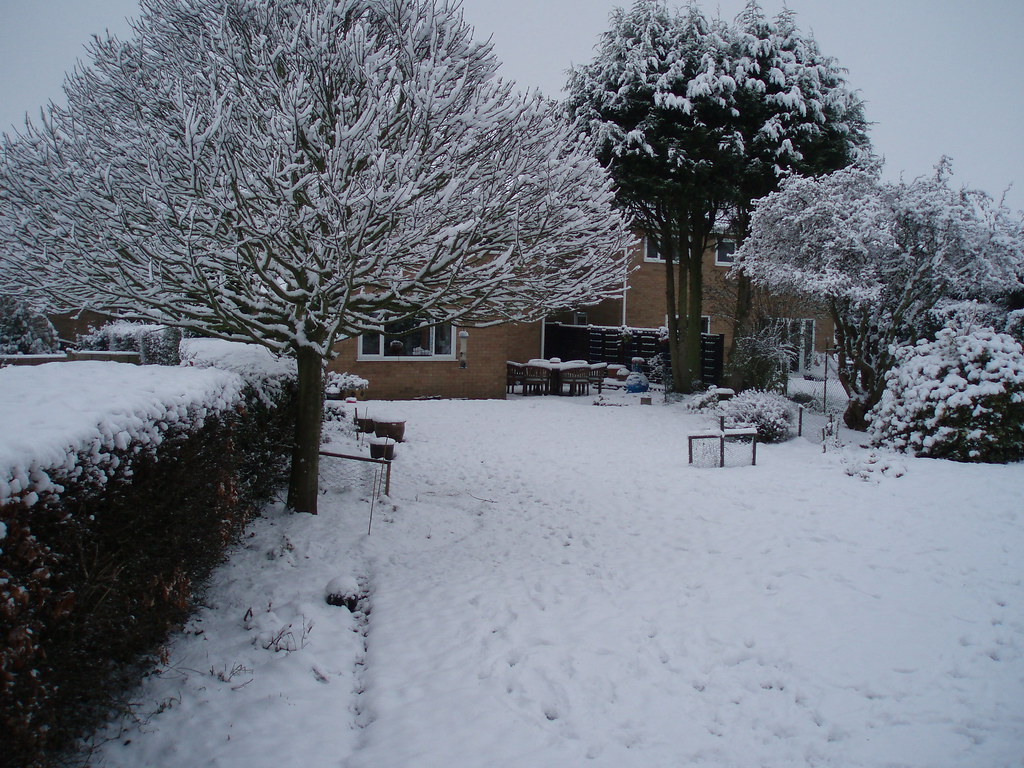
Storm Exposed Critical Gaps (Image Credits: Upload.wikimedia.org)
Washington region – Officials from the District of Columbia, Maryland and Virginia convened Wednesday to dissect their handling of January’s winter storm, which blanketed the area in seven inches of snow.[1][2]
Storm Exposed Critical Gaps
Leaders acknowledged that persistent ice and frigid temperatures prolonged recovery efforts long after the snow fell. Snow piles lingered on sidewalks and intersections, hindering pedestrian and vehicle movement. D.C. resorted to dumping excess snow at the former RFK Stadium site, underscoring the strain on local resources.[1]
Contractor shortages compounded the challenges, as jurisdictions vied for the same limited pool of snow removal firms. Rich Madaleno, Montgomery County’s chief administrative officer, noted the dwindling number of contractors maintaining equipment amid unpredictable winters. The competition delayed plowing and treatment across borders.
Communication Failures Drew Sharp Criticism
Residents faced confusion from inaccurate apps and automated systems. Montgomery County’s tracking tool indicated clear roads merely because plows had passed, ignoring untreated ice or equipment struggles.[1] Service requests via 311 lines closed automatically, even unresolved, frustrating callers who reported uncleared streets.
Alexandria Mayor Alyia Gaskins highlighted a brighter spot, praising her daily video updates that detailed progress and obstacles. “Here are the roads around you that we’ve gotten to. Here’s what happened when we tried to get to your road,” she explained, signaling a model for future outreach.[1]
Transit and Service Disruptions Lingered
Metro’s Leroy Jones reported success in storing trains underground, a tactic unused since 2016 that preserved service reliability. Yet broader issues persisted, including weeks-long trash delays in D.C. and overwhelmed systems in Montgomery County, where 600 pieces of equipment mobilized but fell short.[2]
Charles Allen, a D.C. councilmember, called uncollected garbage a clear failure. Officials graded responses variably, with some jurisdictions earning “needs improvement” amid ice-slowed operations.
Path Forward Centers on Collaboration
The Metropolitan Washington Council of Governments board, chaired by Reuben Collins of Charles County, emphasized vulnerability to weather extremes. Collins stated, “The impact of this storm is a reminder for all of us on just how vulnerable we are to major weather events.”[1] Leaders pledged earlier dialogues before the next storm.
Proposed reforms include uniform snow emergency parking rules, such as odd-even street-side restrictions, to streamline plowing. Regional strategies target bus stop clearances, joint contractor coordination, and integrated snow-hauling post-plowing. The group plans follow-up sessions to refine these measures.
- Standardized parking bans during storms
- Shared contractor pools across jurisdictions
- Enhanced apps reflecting real road conditions
- Daily video updates for transparency
- Prioritized bus and pedestrian routes
Key Takeaways
- Regional unity prevents contractor bidding wars and boosts efficiency.
- Accurate tech and proactive communication rebuild public trust.
- Swift snow hauling addresses ice persistence in cold snaps.
As the region shakes off January’s chill, these insights promise a more resilient framework against future blasts. What steps would you prioritize for better storm readiness? Share in the comments.

- Urban Coyotes Show Remarkable Adaptability, Learning to Thrive in City Environments - July 22, 2026
- Beavers Are Nature’s Engineers, Creating Vital Habitats for Other Wildlife Species - July 21, 2026
- The Recovery of the California Condor Offers Hope for Other Critically Endangered Birds - July 21, 2026