

In the vast savannas of Africa, zebras stand out with their striking black and white striped coats. These equids have fascinated humans for centuries, from ancient cave paintings to modern scientific studies. While many people admire zebras for their distinctive appearance, few realize that these patterns are as unique as human fingerprints or the spots on a leopard. Indeed, no two zebras have identical stripe patterns—a remarkable evolutionary adaptation that serves multiple purposes beyond mere aesthetics. This natural uniqueness has implications for zebra social behavior, survival strategies, and even how researchers identify individuals in the wild. Let’s explore the fascinating world of zebra stripes and discover why nature has designed each animal with its own distinctive pattern.
The Science Behind Zebra Stripes
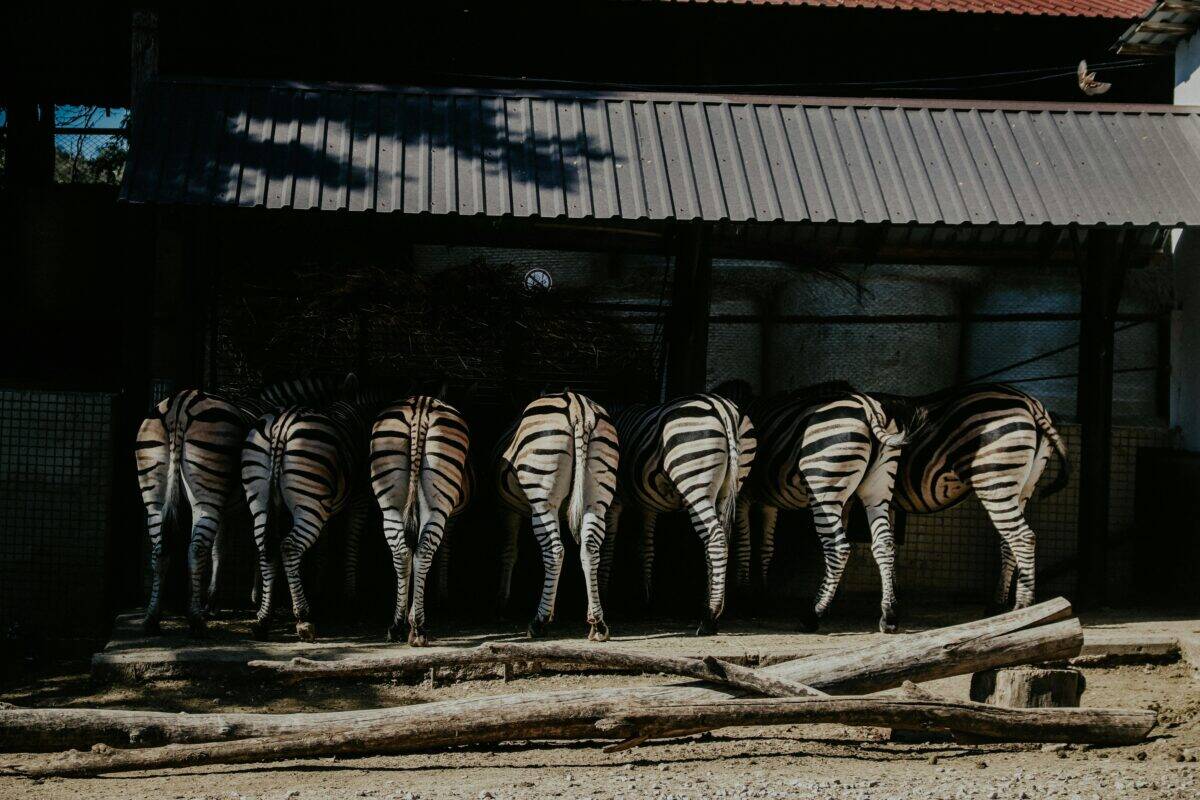
Zebra stripes are a product of pigmentation patterns that develop during embryonic growth. The black stripes on a zebra are areas where melanin, a dark pigment, is produced, while the white areas lack this pigment. Scientists have discovered that the pattern formation is controlled by a process described by mathematical models known as “Turing patterns,” named after the renowned mathematician Alan Turing. These patterns emerge from the interaction of chemicals called morphogens that activate or inhibit melanin production. As the zebra embryo develops, these chemicals diffuse through the skin, creating the distinctive striped pattern we recognize. The unique genetic makeup of each zebra ensures that these chemical interactions produce a one-of-a-kind pattern, much like how human DNA determines our individual features.
Fingerprinting Zebras: How Researchers Use Stripe Patterns

The uniqueness of zebra stripes has proven invaluable to wildlife researchers and conservationists. Much as police use fingerprint databases to identify individuals, zoologists have developed sophisticated stripe recognition software that can identify individual zebras from photographs. This non-invasive identification method has revolutionized population studies, allowing researchers to track specific animals over time without resorting to potentially stressful capture and tagging methods. Organizations such as the Great Zebra Count use these technologies to monitor population numbers and movement patterns across different regions. Some conservation projects maintain extensive photographic databases containing thousands of individual zebra identities, helping researchers understand migration patterns, social structures, and population dynamics in ways that were previously impossible.
Evolutionary Advantages of Unique Stripe Patterns

The evolution of individually unique stripe patterns offers several adaptive advantages to zebras. First, these distinct patterns aid in individual recognition within zebra social groups. Zebras form tight-knit family units, and being able to quickly recognize family members through their unique stripe patterns helps maintain social cohesion in large herds. This is particularly important for mother-foal bonds, as a mare needs to identify her foal among many similar-looking young animals. Additionally, the uniqueness may help prevent inbreeding in wild populations, as zebras may use visual cues to recognize close relatives. Some evolutionary biologists also theorize that distinctive patterns might play a role in mate selection, with certain patterns potentially signaling genetic quality or compatibility to potential mates, though more research is needed to confirm this hypothesis.
Types of Zebras and Their Stripe Variations

There are three living species of zebras, each with distinctive stripe characteristics. The Plains zebra (Equus quagga), the most common species, features broad stripes that wrap around the body and connect under the belly. The Grevy’s zebra (Equus grevyi), the largest zebra species, has narrower, more numerous stripes that don’t extend to the belly, creating a white underside. The Mountain zebra (Equus zebra) has stripes that form a distinctive grid pattern on the rump. Within each species, individual variations occur in stripe width, spacing, and pattern. Some zebras have shadow stripes—fainter brown lines between the main black stripes—while others may have spots or speckles in certain areas. Regional variations also exist, with zebras from different geographical areas tending to share certain pattern characteristics while still maintaining individual uniqueness. These variations help researchers identify not just individuals but also their likely place of origin, which has proven useful in combating illegal wildlife trafficking.
The Protective Function of Zebra Stripes
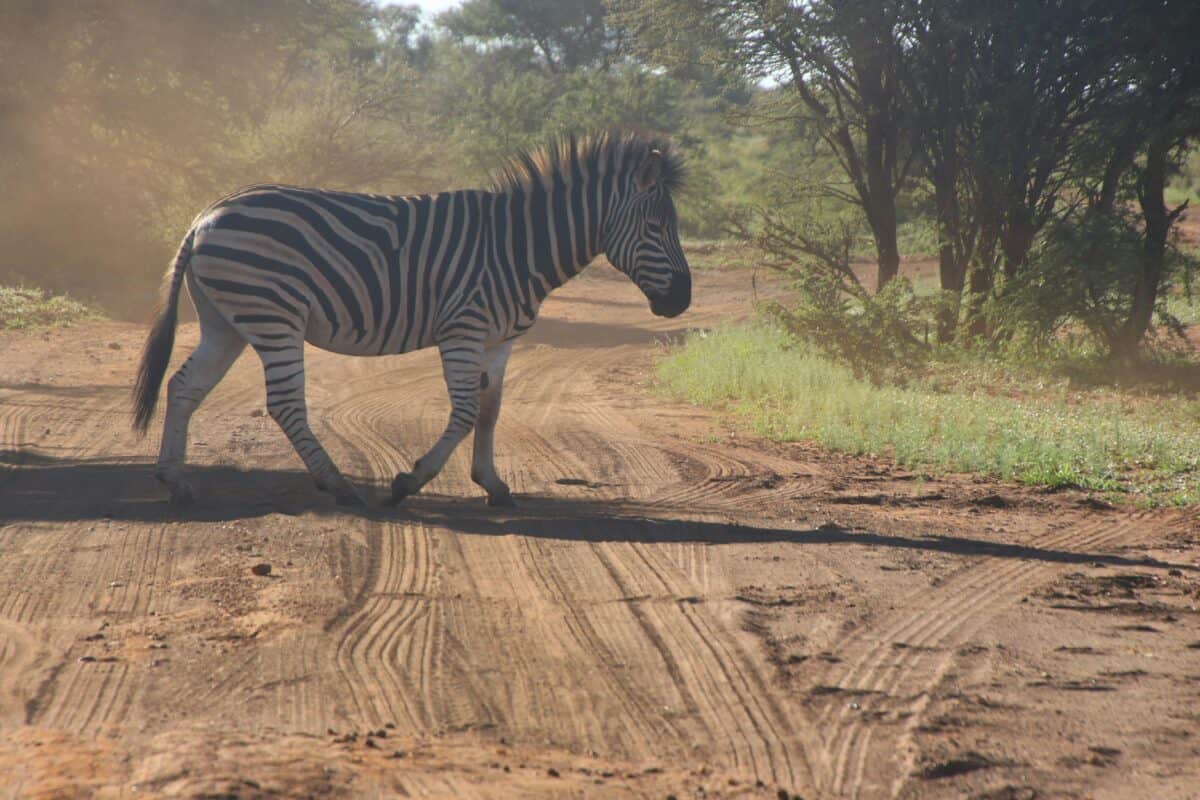
The unique striping pattern of zebras serves several protective functions beyond individual identification. For decades, scientists debated whether zebra stripes evolved primarily as camouflage against predators. Current research suggests that stripes create a visual illusion called “motion dazzle,” which confuses predators about the zebra’s speed and direction when it’s running. When zebras move in a herd, their collective stripes create a disorienting visual effect that makes it difficult for predators to single out individual targets. Additionally, research published in the journal Nature Communications has demonstrated that the stripes disrupt the visual processing of predators like lions, making it harder for them to estimate distances accurately when launching an attack. This visual confusion gives zebras valuable extra seconds to escape, highlighting how these unique patterns contribute directly to survival in predator-rich environments.
Zebra Stripes as Insect Repellents

One of the most surprising functions of zebra stripes is their role in deterring biting insects. Groundbreaking research by Dr. Tim Caro and his colleagues at the University of California, Davis, has shown that the black and white striped pattern significantly reduces landing attempts by horseflies and tsetse flies compared to solid-colored surfaces. The stripes appear to disrupt the polarized light patterns that these insects use to detect potential hosts. Laboratory and field experiments have demonstrated that flies are much less likely to land on striped surfaces than on solid black or white ones. This insect-repelling function is particularly important because zebras are highly susceptible to diseases transmitted by biting insects, such as African horse sickness and equine influenza. The unique pattern of each zebra may potentially optimize this protective effect for individual animals, though this specific aspect remains under investigation by researchers.
Temperature Regulation Through Stripe Patterns
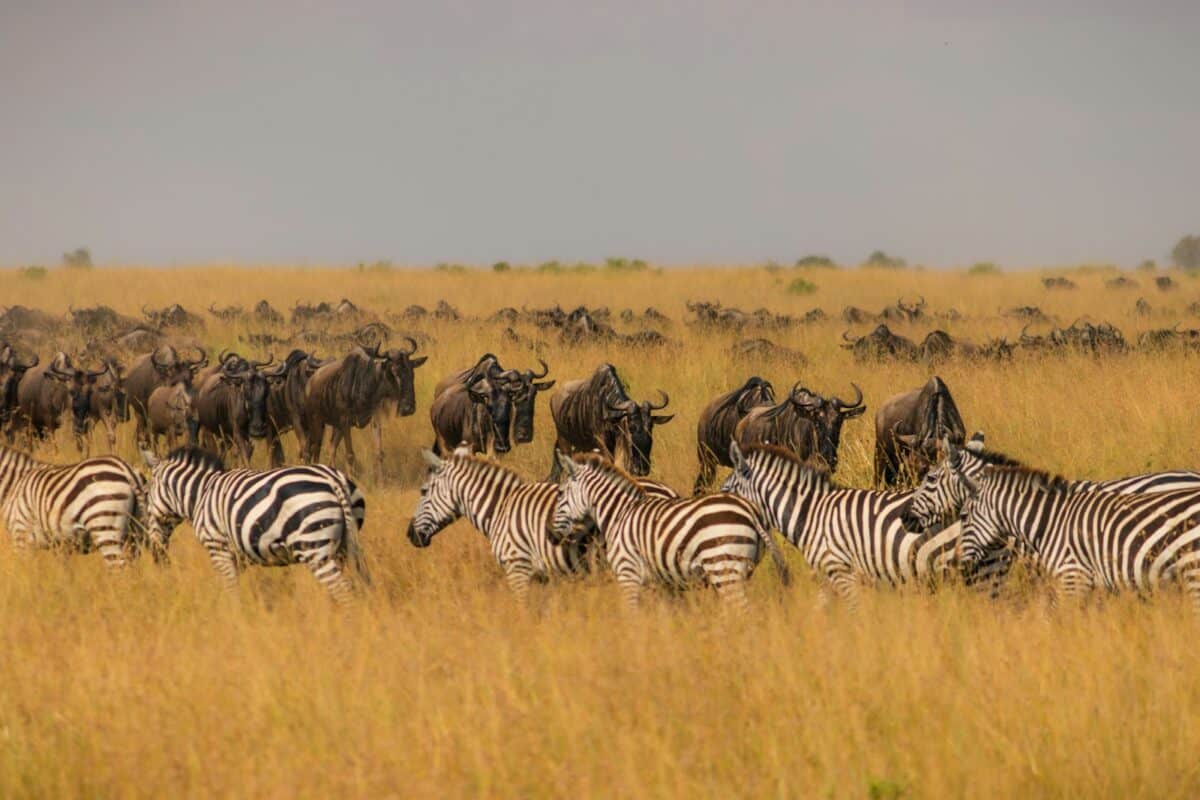
Another fascinating function of zebra stripes relates to thermoregulation—the maintenance of optimal body temperature. Research published in the Journal of Experimental Biology suggests that the alternating black and white stripes create small-scale air currents over the zebra’s body. The black stripes absorb more heat than the white stripes, creating temperature differentials that generate small convection currents close to the skin. These micro-currents help dissipate body heat, providing a natural cooling mechanism in the hot African savanna. The specific arrangement and width of stripes may influence how effectively this cooling system works, potentially giving some zebras an advantage in certain environments. Some researchers have observed that zebras living in hotter regions tend to have more numerous, narrower stripes, which could maximize this cooling effect, while those in cooler mountainous regions often have wider, fewer stripes—though the uniqueness of each individual’s pattern remains consistent across all habitats.
How Stripe Patterns Develop During Growth
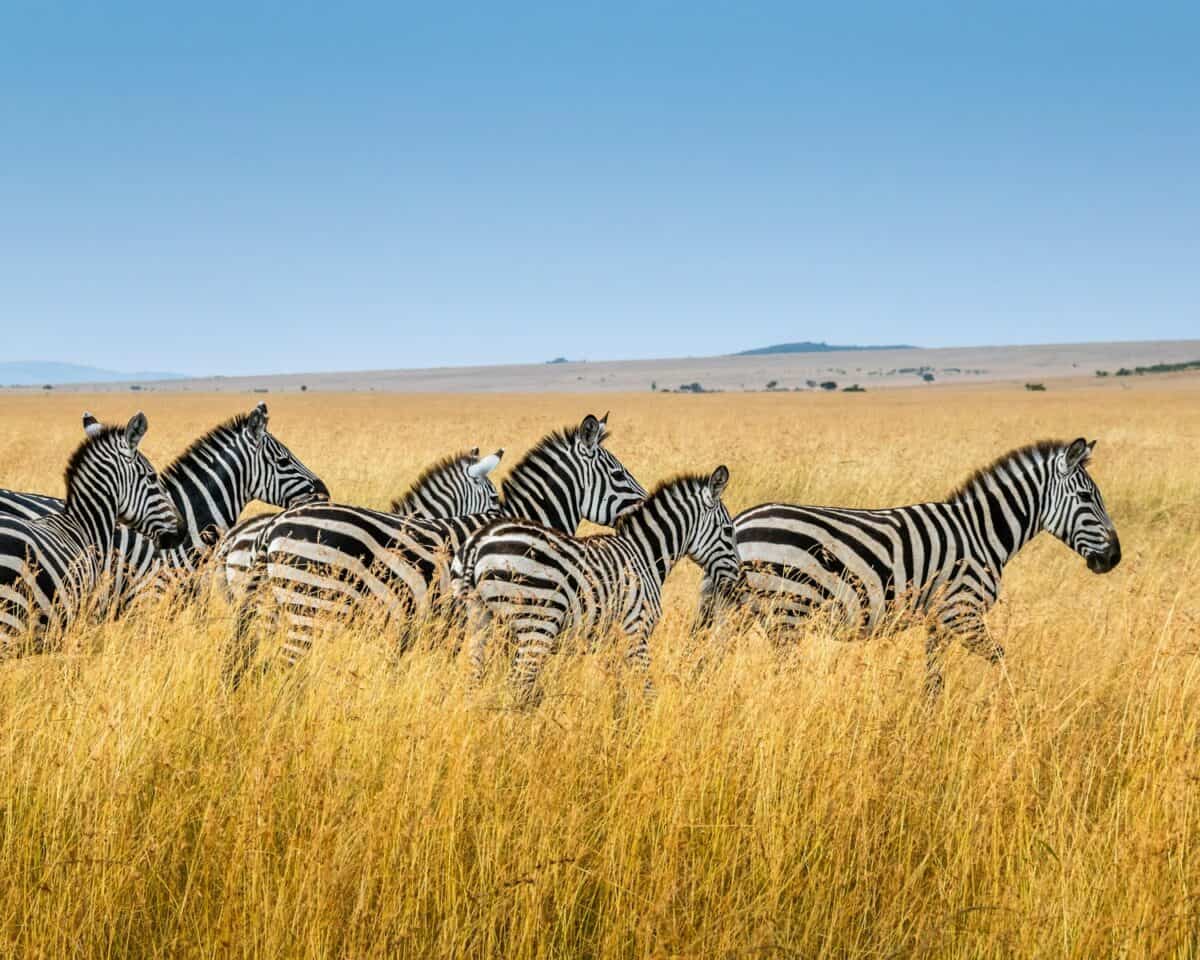
Zebra foals aren’t born with their adult stripe pattern fully developed. When first born, many zebra foals have brown stripes instead of black, and their white areas may appear more cream-colored. As the foal matures, the stripes darken to the familiar black color. Interestingly, the pattern itself is determined before birth, so while the colors may change slightly, the unique arrangement of stripes is fixed from development in the womb. This developmental process is guided by selective activation of pigment-producing cells in the skin. The stripe pattern extends to the zebra’s skin itself—if you were to shave a zebra (which is not recommended), you would find that the skin beneath the coat is also pigmented in the same pattern. This fact has been confirmed in instances where zebras have been treated for skin conditions, revealing that the striping is truly skin-deep and not just a feature of the hair coat.
Stripe Anomalies and Rare Patterns

While no two zebras have identical patterns, some individuals exhibit rare stripe anomalies that make them stand out even more. Occasionally, zebras are born with unusual patterns such as spots, irregular stripes, or even mostly black or mostly white coloration due to genetic mutations. One famous example is “Zoe,” a zebra at the Kruger National Park in South Africa, who had spots instead of stripes on parts of her body. Another notable case is “Tira,” a zebra foal discovered in Kenya’s Masai Mara in 2019, who had a dark coat with white polka dots instead of stripes. These anomalies, while rare, provide valuable insights into the genetic mechanisms controlling stripe development. Scientists believe these unusual patterns result from mutations in the genes controlling the Turing pattern formation process. Some researchers are studying these rare individuals to better understand the genetic basis of pattern formation not just in zebras but across many species with distinctive coat patterns.
Cultural Significance of Zebra Stripes

The distinctive and unique patterns of zebra stripes have held cultural significance for many African societies throughout history. In some traditional cultures, zebra stripes symbolize individuality, harmony between opposites, and the balance between good and evil. The Masai people have incorporated zebra imagery into their art and folklore for generations, often associating the animal with beauty and uniqueness. In modern global culture, zebra patterns have become iconic design elements, appearing in fashion, interior design, and art. The phrase “like a zebra’s stripes” has entered common language as a metaphor for something that is an essential, unchangeable part of an individual’s identity. This cultural appreciation of zebra uniqueness mirrors the scientific reality that each animal’s stripe pattern is indeed one-of-a-kind, creating a rare alignment between scientific fact and cultural symbolism that enhances appreciation for these remarkable animals.
Challenges in Zebra Conservation
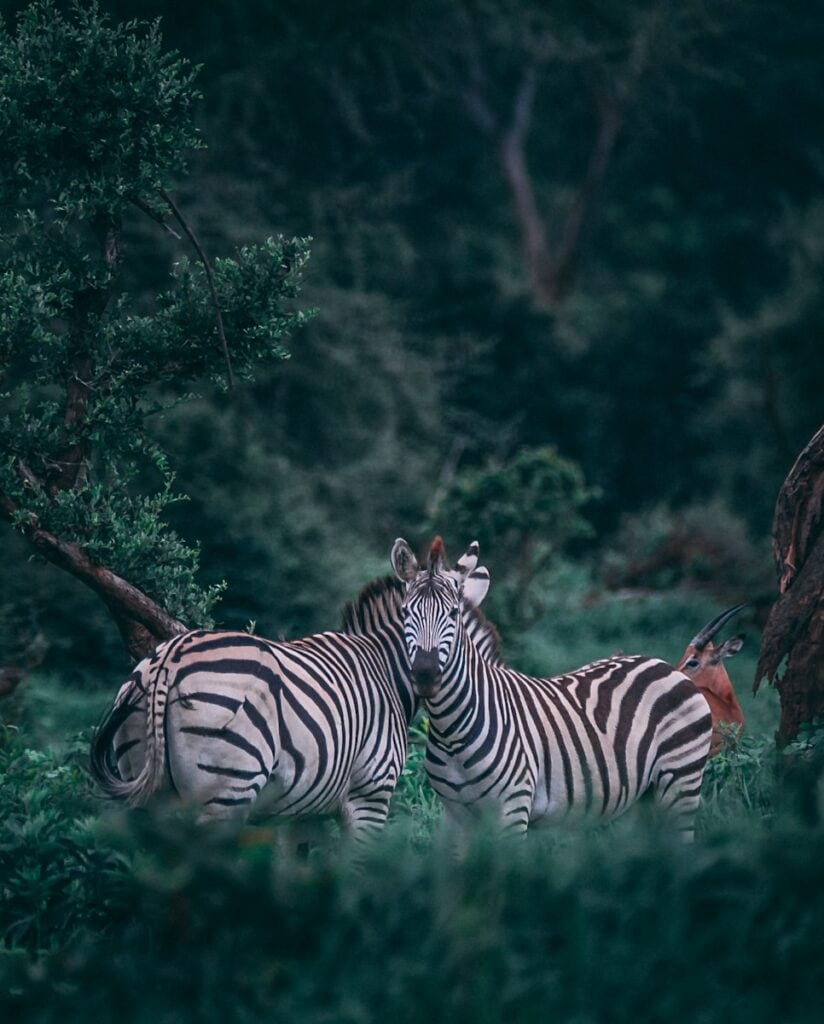
Despite their iconic status, zebras face significant conservation challenges in the wild. Two of the three zebra species—the Grevy’s zebra and the Mountain zebra—are currently listed as endangered or vulnerable on the IUCN Red List. Habitat loss, competition with livestock for grazing lands, and illegal hunting for their distinctive skins all threaten zebra populations. The unique stripe patterns that make each zebra an individual also make their skins desirable as trophies or decorative items, driving illegal hunting in some regions. Conservation efforts often leverage the uniqueness of zebra stripes in monitoring programs, using pattern recognition to track population trends without disturbing the animals. The Grevy’s Zebra Trust, for example, maintains a database of individual stripe patterns to monitor this endangered species’ population in Kenya and Ethiopia. Preserving zebra populations isn’t just about saving a species—it’s about protecting thousands of unique individuals, each with their own distinctive natural identity encoded in their stripes.
Technological Advances in Stripe Recognition

Recent technological advances have revolutionized how researchers identify and track individual zebras based on their unique stripe patterns. Computer scientists and wildlife biologists have collaborated to develop sophisticated pattern recognition algorithms similar to those used in facial recognition software. The latest systems can identify individual zebras with over 90% accuracy from photographs taken at different angles and in varying lighting conditions. These technologies use deep learning and neural networks that analyze the specific characteristics of stripe patterns, including junction points where stripes meet, their width, spacing, and overall configuration. Mobile applications now allow field researchers to quickly identify zebras using smartphone photographs compared against database records. Some conservation projects are even exploring the use of automated camera traps with built-in recognition software that can identify specific zebras in real-time as they pass by, creating a continuous monitoring system without human presence. These technological innovations promise to enhance our understanding of zebra behavior, movement patterns, and social structures while minimizing human interference in their natural habitats.
The Remarkable Legacy of Zebra Stripes
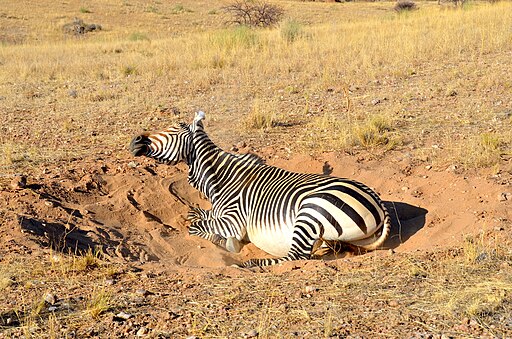
The uniqueness of zebra stripes represents one of nature’s most elegant solutions to multiple evolutionary challenges. These distinctive patterns serve as personal identification, predator confusion, insect repellent, and temperature regulation all wrapped into one beautiful adaptation. The fact that no two zebras share the same stripe pattern reminds us of the incredible diversity within species—not just between them. As we continue to study these magnificent animals, we gain insights not only into their biology and behavior but also into fundamental principles of pattern formation that apply across many biological systems. The zebra’s unique stripes stand as a testament to the creativity of evolutionary processes and the complex ways in which animals adapt to their environments. In protecting zebras and their habitats, we preserve not just a species but thousands of unique individuals, each wearing their genetic identity in a striking black and white pattern that has no exact duplicate anywhere in the world.

- This Tiny Insect Can Survive in Outer Space—Here’s How - July 21, 2026
- Could the Tasmanian Tiger Be Brought Back to Life? - July 21, 2026
- Why You Should Never Approach a Sleeping Hippo - July 21, 2026