

Wildlife tourism has grown exponentially in recent years, with more than 12 million wildlife-watching trips taken annually worldwide. This surge in nature-based travel offers tremendous opportunities for conservation awareness and education, but it also presents significant challenges. When done responsibly, wildlife tourism can contribute to conservation efforts and local economies. Studies show that protected areas with sustainable tourism generate up to 15 times more revenue than those without visitor programs, creating economic incentives to preserve natural habitats.
However, irresponsible practices can harm the very ecosystems and species travelers hope to experience. Research published in the Journal of Sustainable Tourism reveals that wildlife subjected to frequent human disturbances can experience chronic stress, altered feeding patterns, and decreased reproductive success. By understanding the importance of ethical wildlife tourism, travelers can ensure their adventures contribute positively to conservation while minimizing negative impacts. This requires knowledge, preparation, and a commitment to placing the welfare of wildlife and their habitats above our desire for the perfect experience or photograph.
Researching Your Destination Before You Go

Thorough preparation is the foundation of responsible wildlife tourism. Before embarking on your journey, research the specific ecosystems, wildlife species, and conservation challenges of your destination. Familiarize yourself with the natural behaviors of animals you hope to encounter, including their feeding patterns, breeding seasons, and sensitivity to human presence. This knowledge will help you recognize when your presence might be causing stress or disruption. Additionally, investigate local conservation issues and how tourism impacts the region’s wildlife and ecosystems.
Select tour operators and accommodations with demonstrated commitments to ethical practices and conservation. Look for certifications from reputable organizations like The Global Sustainable Tourism Council or operators who contribute a portion of proceeds to local conservation efforts. According to a 2022 survey by Booking.com, 81% of travelers now consider sustainable travel important, yet many struggle to find genuinely responsible options. Resources such as the World Wildlife Fund’s travel guidelines, destination-specific wildlife tourism ethics guides, and reviews from conservation-minded travelers can help you make informed choices that align with best practices for wildlife observation.
Choosing Ethical Tour Operators and Experiences

The tour operator you select can make the difference between a wildlife experience that contributes to conservation and one that harms animals. Ethical operators typically maintain smaller group sizes (usually fewer than 10-12 people), employ knowledgeable guides with formal ecological training, and prioritize animal welfare over guaranteed sightings. They should have clear policies against wildlife harassment, baiting, or artificial feeding, and maintain appropriate viewing distances specific to each species. According to the International Ecotourism Society, truly responsible operators also invest in the local community, with at least 60-70% of tourism revenue remaining in the destination economy.
Be wary of experiences that offer direct contact with wild animals, particularly those involving touching, feeding, or riding wildlife. These activities often indicate that animals are being exploited rather than protected. Similarly, avoid operators advertising guaranteed encounters with elusive species, as this may suggest they use techniques that disrupt natural behaviors. Conservation biologists have documented that the most ethical wildlife viewing experiences prioritize observation from a respectful distance, allowing animals to behave naturally without human interference. When researching potential experiences, don’t hesitate to ask operators detailed questions about their conservation practices, guide training, and how they measure and minimize their environmental impact.
Keeping Your Distance: Understanding Approach Boundaries
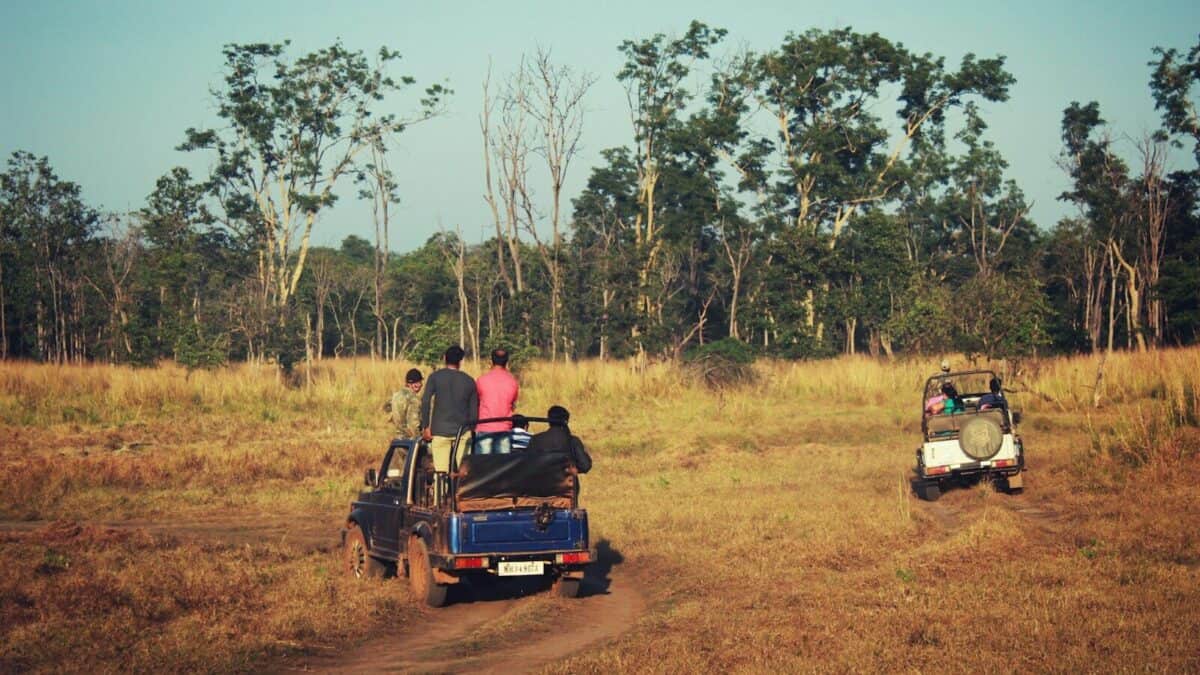
One of the most crucial aspects of wildlife etiquette is maintaining appropriate distances from animals. Different species require different buffer zones, and these may vary depending on the animal’s activity, whether they’re feeding, resting, or caring for young. General guidelines from wildlife management agencies suggest staying at least 100 yards (91 meters) from predators like bears and wolves, and 25 yards (23 meters) from most other large mammals in wilderness settings. For marine wildlife, the National Oceanic and Atmospheric Administration recommends remaining at least 100 yards from whales and 50 yards from dolphins, seals, and sea lions.
Understanding behavioral cues that indicate animal stress is essential for adjusting your distance accordingly. Signs of wildlife discomfort include stopped feeding, increased vigilance, alarm calls, defensive postures, or movement away from observers. Research published in PLOS ONE found that even when humans remain at recommended viewing distances, wildlife may still experience physiological stress responses not visible to observers. When in doubt, the “thumb rule” offers a practical guideline: if you can cover the animal with your extended thumb, you’re likely at an appropriate distance. Remember that maintaining these buffers isn’t just about preventing immediate disturbance—it’s about preserving natural behaviors critical for the species’ survival and ensuring wildlife doesn’t become habituated to human presence.
Mastering the Art of Silent Observation

Noise pollution represents a significant but often overlooked aspect of human disturbance in natural environments. Studies in acoustic ecology have demonstrated that human-generated sounds can mask natural signals animals rely on for communication, finding food, avoiding predators, and selecting mates. A 2019 study published in Science found that noise pollution affects at least 100 species, from tiny invertebrates to large mammals. As wildlife travelers, adopting quiet observation techniques can dramatically reduce our acoustic footprint. This means speaking in hushed tones or using predetermined hand signals instead of verbal communication when wildlife is present.
Technical equipment choices also influence your acoustic impact. Select cameras with silent shooting modes when possible, keep electronic device notifications silenced, and avoid bringing portable speakers into natural areas. Even seemingly minor sounds like velcro fasteners, rattling equipment, or crinkling food wrappers can alarm wildlife with sensitive hearing. Nature sound recordist Gordon Hempton notes that the average person makes approximately 12 incidental noises per minute when walking in nature, most of which could be minimized with awareness and practice. By embracing silent observation, you not only reduce disturbance but often enhance your own wildlife viewing experience, as animals remain calmer and exhibit more natural behaviors when human sounds are minimized.
The Ethics of Wildlife Photography
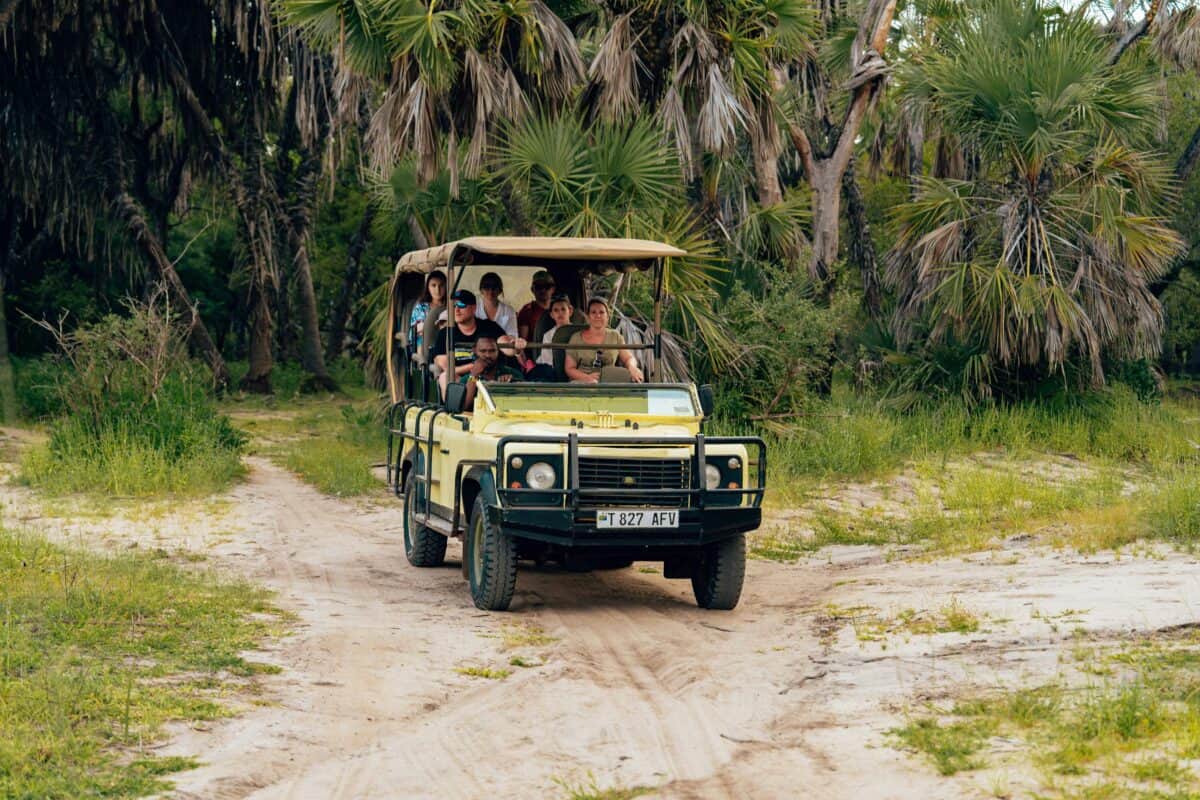
Wildlife photography has transformed dramatically in the social media era, with the pressure for dramatic close-ups and unusual interactions sometimes outweighing ethical considerations. Responsible wildlife photography follows the principle that no image is worth harming or disturbing an animal. This means using telephoto lenses (at least 300mm for most wildlife) rather than approaching too closely, never using flash photography that can temporarily blind and disorient animals, and refraining from techniques that alter natural behaviors. The North American Nature Photography Association (NANPA) estimates that thousands of wildlife disturbances occur annually due to photographers pursuing the “perfect shot.”
Equally important is what happens after capturing images. When sharing wildlife photographs online, consider removing exact location data that could lead to over-tourism at sensitive sites. A 2020 study in PLOS ONE found that geotagged photos of rare species can lead to habitat degradation as photographers flock to these locations. Be transparent about how images were obtained, particularly if they show close encounters with wildlife. Photographers have significant influence in shaping public perceptions of appropriate wildlife interactions, and contextual information helps viewers understand what constitutes ethical wildlife observation. Organizations like the Ethical Wildlife Photography Alliance provide detailed guidelines for different species and scenarios, emphasizing that compelling wildlife imagery can be captured while prioritizing animal welfare.
Leave No Trace Principles for Wildlife Viewing

The seven Leave No Trace principles provide an excellent framework for minimizing human impact while enjoying wildlife experiences. These principles include planning ahead and preparing, traveling and camping on durable surfaces, disposing of waste properly, leaving what you find, minimizing campfire impacts, respecting wildlife, and being considerate of other visitors. When applied specifically to wildlife tourism, these guidelines help preserve natural habitats and behaviors. For instance, proper waste management is crucial, as human food can alter wildlife diets and create dangerous dependencies. Even seemingly biodegradable items like fruit peels can take years to decompose in certain environments and introduce non-native plant species through seeds.
Habitat disturbance represents another significant concern when viewing wildlife. Staying on designated trails prevents soil erosion and protects fragile vegetation that animals depend on for food and shelter. Research by the Leave No Trace Center for Outdoor Ethics indicates that a single off-trail hiker can damage sensitive ecosystems for up to seven years through soil compaction and vegetation loss. Similarly, removing natural objects like shells, plants, or even rocks can disrupt microhabitats that support diverse wildlife. By practicing these principles conscientiously, wildlife travelers help ensure that future generations can enjoy similar experiences while protecting the ecological integrity that sustains wildlife populations. Remember that each ecosystem has specific vulnerabilities, so familiarize yourself with location-specific Leave No Trace adaptations for your destination.
Understanding and Respecting Wildlife Behavior

Developing a basic understanding of animal behavior enhances both the quality of wildlife viewing experiences and your ability to avoid causing disturbance. Wild animals typically follow predictable patterns shaped by survival needs—feeding, resting, mating, and caring for young. Recognizing these patterns helps travelers anticipate potential sensitivities. For example, breeding season and periods when animals are caring for young are particularly vulnerable times when disturbance can have severe consequences. Research published in Conservation Biology found that human disturbance during these critical periods can lead to abandoned nests, increased predation of offspring, and reduced reproductive success.
Learn to recognize signs of stress or agitation in different species. In mammals, these might include ears pinned back, raised fur, stopping natural behaviors, direct staring, mock charges, or vocalizations. Birds may exhibit distraction displays, alarm calls, or repeated flushing from nests or perches. Marine animals often display rapid directional changes, extended submergence, or tail slapping when disturbed. Wildlife biologists estimate that for every visible sign of disturbance, animals experience physiological stress responses that remain invisible to observers. By developing this behavioral literacy and responding appropriately—typically by increasing your distance—you demonstrate respect for wildlife while promoting their wellbeing. Remember that even if an animal appears to tolerate your presence, chronic exposure to humans can create cumulative stress with long-term population impacts.
Special Considerations for Different Ecosystems
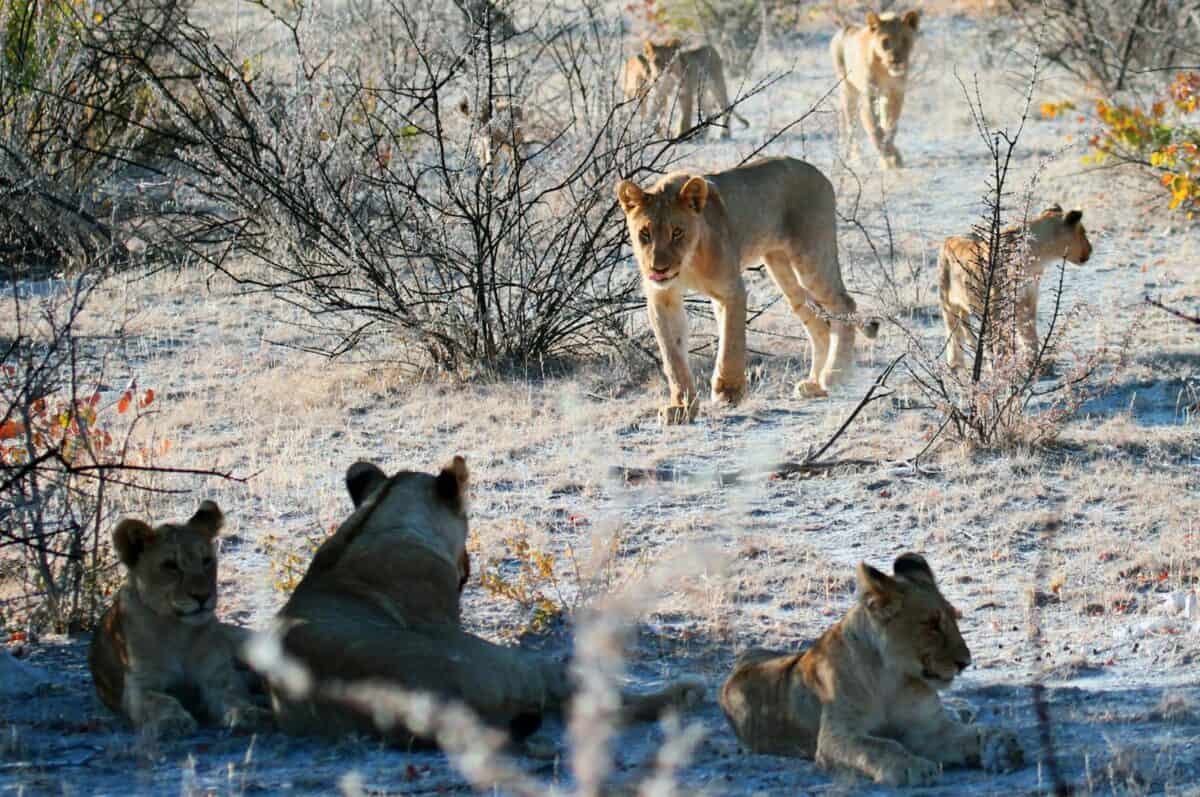
Each ecosystem presents unique ethical challenges for wildlife viewing. In marine environments, maintaining proper distance prevents coral reef damage and reduces stress on aquatic species. Marine biologists recommend staying at least 10 feet (3 meters) from coral formations while snorkeling or diving, as a single touch can damage decades of growth. For rainforest ecosystems, noise management becomes especially critical, as many species rely heavily on acoustic communication in dense vegetation where visibility is limited. Research in tropical forests shows that human-generated noise can reduce bird communication distances by up to 90%, potentially interfering with territory defense and mate selection.
Arctic and alpine regions present different challenges due to their shorter growing seasons and slow ecosystem recovery rates. In these environments, vegetation trampled by off-trail hikers may take decades to regenerate. Wildlife in these regions often has strict energy budgets, particularly in winter months when food is scarce. A study published in Conservation Physiology demonstrated that a single human-caused flight response in winter can force an animal to expend critical energy reserves that may affect survival. Desert ecosystems require vigilance regarding cryptobiotic soil crusts—living soil communities that prevent erosion but can be destroyed by a single footstep and take up to 250 years to fully recover. By researching ecosystem-specific vulnerabilities before travel, visitors can adapt their behavior to address the most relevant conservation concerns for each destination.
Navigating Cultural Differences in Wildlife Tourism

Wildlife tourism occurs within diverse cultural contexts, and ethical practices may vary significantly across regions. Indigenous communities often maintain traditional relationships with local wildlife that differ from Western conservation approaches but reflect generations of sustainable coexistence. Respecting these cultural perspectives enriches wildlife travel experiences while acknowledging that conservation ethics are not universal. The International Union for Conservation of Nature recognizes that incorporating traditional ecological knowledge into conservation efforts can enhance outcomes. When traveling, take time to learn about local attitudes toward wildlife and how these perspectives have shaped conservation in the region.
Navigating cultural differences also means understanding how economic realities influence wildlife tourism practices in different destinations. In regions where tourism represents a crucial economic lifeline, travelers face the challenge of supporting local livelihoods while advocating for wildlife welfare. Rather than imposing external standards, engage respectfully with local guides and communities about wildlife conservation. According to research from the World Tourism Organization, wildlife tourism that incorporates cultural exchange and local economic benefits is twice as likely to achieve long-term conservation success compared to approaches that exclude local communities. By balancing respect for cultural diversity with core ethical principles regarding animal welfare, travelers can participate in cross-cultural conservation dialogues that benefit both wildlife and people.
Addressing Harmful Practices and Speaking Up
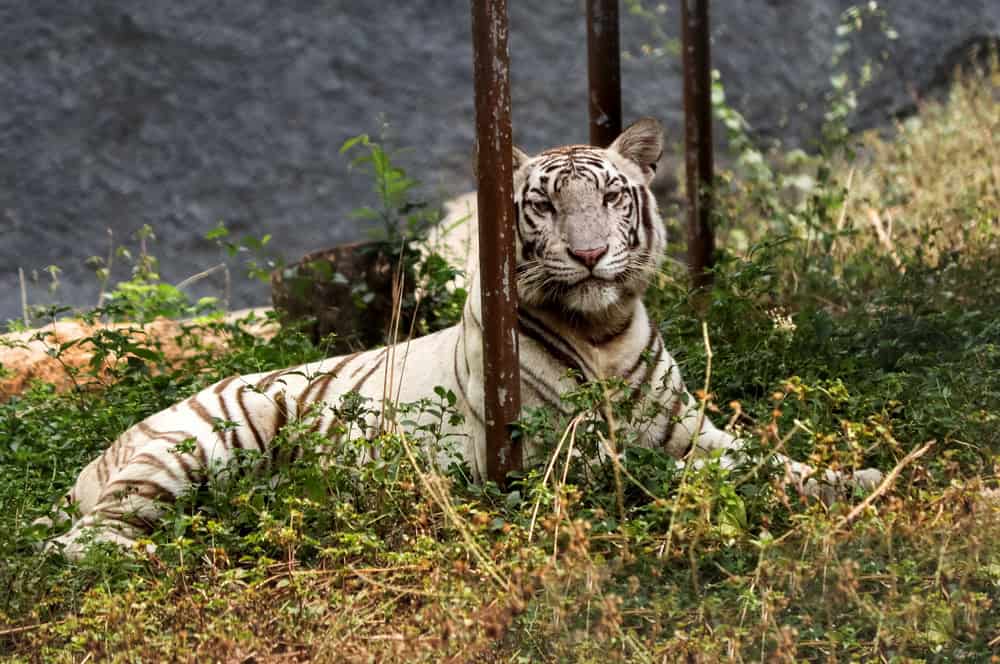
Encountering questionable wildlife tourism practices presents a challenging ethical dilemma for responsible travelers. These situations require thoughtful intervention that balances immediate animal welfare with long-term educational impact. When witnessing problematic behaviors from other tourists—such as feeding wild animals, getting too close for photos, or making excessive noise—consider addressing the issue through educational rather than confrontational approaches. Research in conservation psychology suggests that people are more receptive to guidance when it’s framed as helping them have a better experience rather than criticizing their behavior. Simple phrases like “I’ve learned that keeping our distance actually lets us see more natural behaviors” can be more effective than direct criticism.
For systemic issues involving tour operators or attractions, your response requires greater consideration. If you encounter wildlife tourism operations that clearly harm animals—such as performing wildlife shows, inappropriate handling, or inadequate facilities—the most ethical action may be to leave immediately and explain your reasons. Follow up with detailed reviews on travel platforms, reports to local tourism authorities, and information sharing with wildlife protection organizations like World Animal Protection that maintain databases of problematic attractions. Tourism researchers estimate that each traveler who speaks up about unethical wildlife practices influences the decisions of 4-6 future travelers through direct communication and significantly more through online reviews. By addressing harmful practices constructively, travelers become essential advocates for improving wildlife tourism standards globally.
Conclusion: Becoming a Wildlife Conservation Ambassador
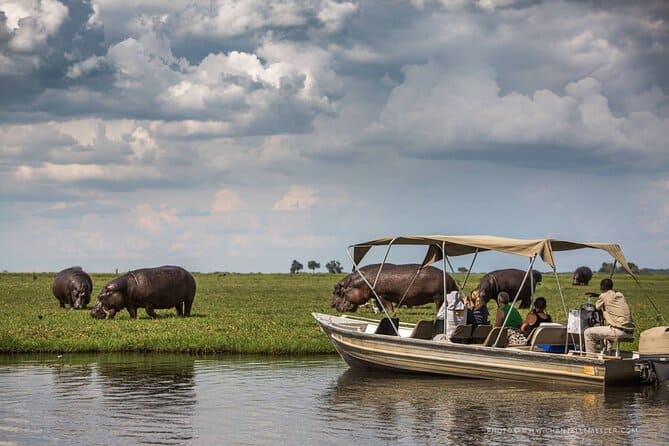
Responsible wildlife tourism extends beyond the journey itself into a lifelong commitment to conservation advocacy. By practicing the ethical principles outlined in this guide—researching thoroughly, choosing responsible operators, maintaining appropriate distances, observing quietly, photographing responsibly, following Leave No Trace practices, understanding animal behavior, respecting ecosystem differences, navigating cultural contexts, and addressing harmful practices—travelers transform from passive observers into active conservation ambassadors. This role continues after returning home through conscious sharing of experiences, supporting conservation organizations, and making informed consumer choices that benefit wildlife.
The collective impact of ethical wildlife tourism is substantial. Conservation economists estimate that responsible wildlife viewing globally generates over $120 billion annually that helps protect more than 30 million square kilometers of wildlife habitat. Every ethical choice a wildlife traveler makes contributes to this positive impact while creating market pressure for higher industry standards. By approaching wildlife travel with humility, knowledge, and respect, we honor the privilege of witnessing animals in their natural habitats while ensuring these experiences remain possible for future generations. As naturalist John Muir wisely observed, “When one tugs at a single thing in nature, he finds it attached to the rest of the world”—a reminder that our travel choices create ripples throughout the complex web of life that sustains both wildlife and humanity.

- This Tiny Insect Can Survive in Outer Space—Here’s How - July 21, 2026
- Could the Tasmanian Tiger Be Brought Back to Life? - July 21, 2026
- Why You Should Never Approach a Sleeping Hippo - July 21, 2026