

Most people, when they think about America’s national parks, picture the same postcard images. Old Faithful erupting at Yellowstone. The sheer granite walls of Yosemite. The Grand Canyon’s jaw-dropping depth. And those are extraordinary places, no question. But here’s the thing – these iconic parks represent just a fraction of the natural wonders preserved within the U.S. National Park System, and beyond these well-trodden paths lie lesser-known parks that offer equally breathtaking landscapes, diverse ecosystems, and unforgettable experiences, often without the crowds.
Honestly, there’s something almost magical about discovering a place that hasn’t been flattened by millions of footprints. In 2024 alone, there were a record 331.9 million national park visits – which sounds thrilling until you’re stuck in bumper-to-bumper traffic just trying to see a waterfall. These eight hidden wonders offer everything the big names do, minus the chaos. Let’s dive in.
North Cascades, Washington: America’s Most Underrated Alpine Escape
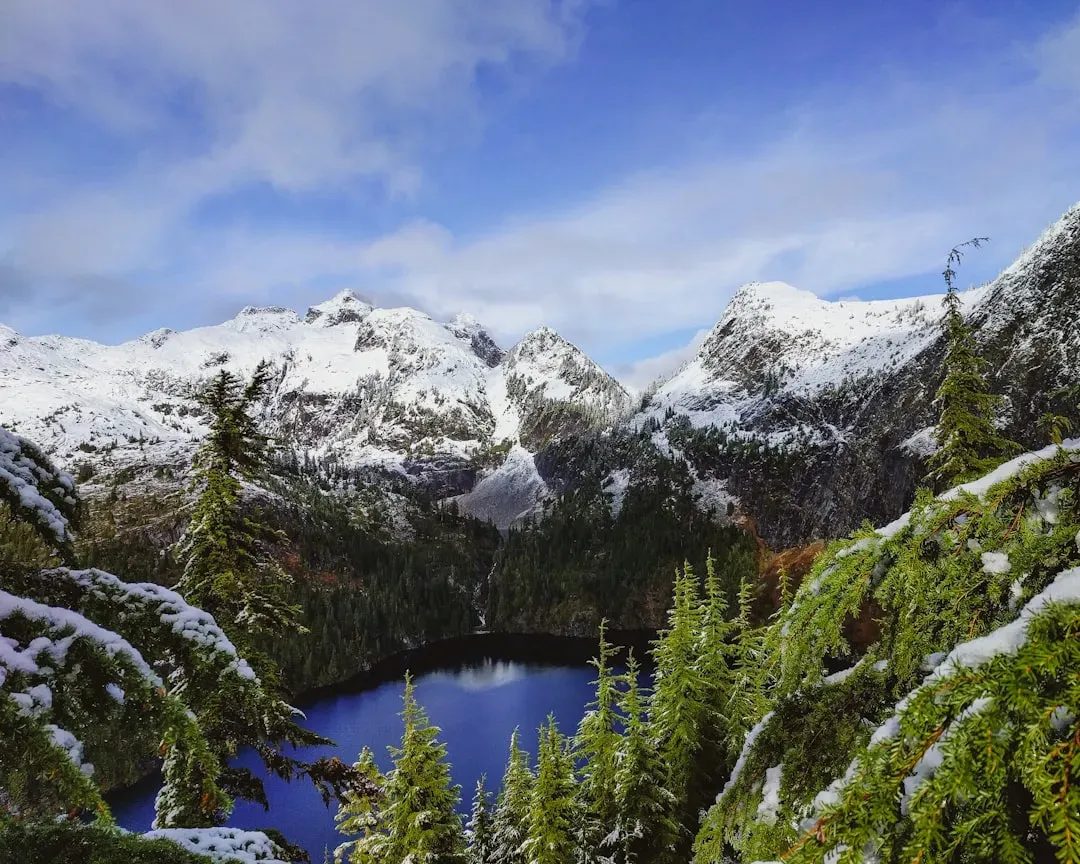
What if I told you that one of the most spectacularly beautiful mountain parks in the entire country sits largely empty, just three hours from Seattle? North Cascades, a large blue lake surrounded by forest and snowy mountains in Washington with over 500,000 acres to explore, scored the highest at 89.7 out of 100 in underrated national parks rankings, making it the most underappreciated park in the country. That number feels almost criminal.
While North Cascades National Park doesn’t get nearly the same visitation numbers as nearby parks like Mount Rainier and Olympic, it easily matches them in every single category when it comes to natural beauty. The park protects a beautiful stretch of the North Cascade section of the broader Cascade Range, where the photogenic peaks merge into heavenly mountain lakes and enchanting alpine valleys. North Cascades offers over 400 hiking trails and is one of the few fee-free parks in the country, home to the historic Ross Dam and vibrant blue-green Diablo Lake. If you are a hiker and haven’t been, you are genuinely missing out.
Isle Royale, Michigan: Solitude on a Remote Island Paradise
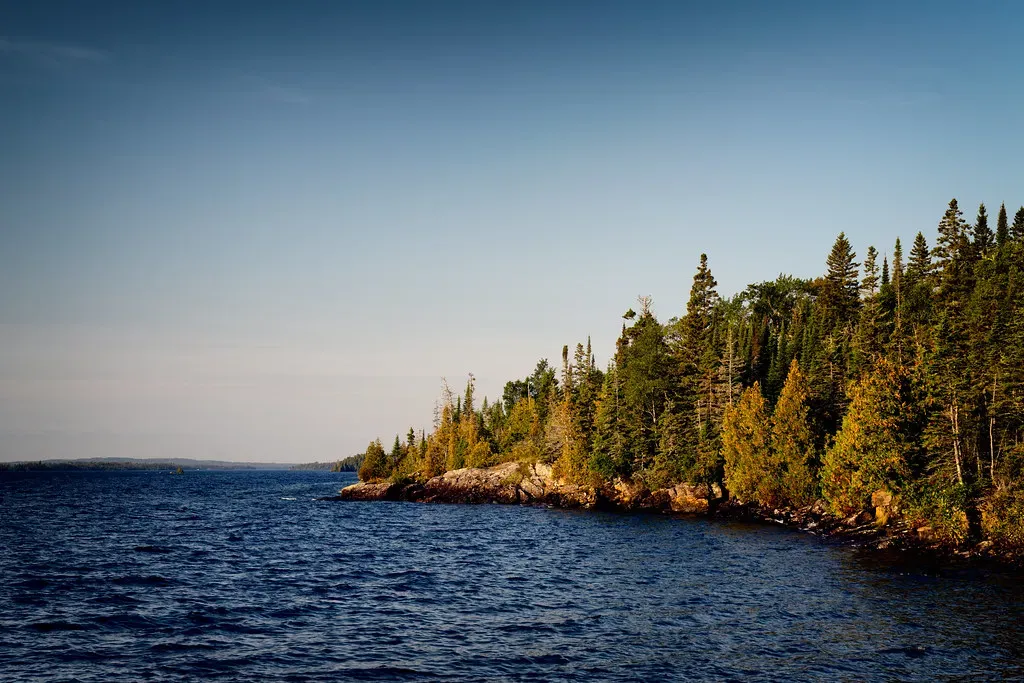
Picture an island so remote that reaching it requires a ferry ride or floatplane, so isolated that its silence feels almost otherworldly. That’s Isle Royale. Isle Royale National Park is among the natural wonders along Lake Superior in Michigan, consisting of a group of roughly 400 islands huddled in the northwestern corner of Lake Superior, near the border with Canada.
Exploring the park is done entirely by boat or by foot – no cars are allowed. You can bring your own watercraft or rent a canoe from Rock Harbor or Windigo. One of the most popular paddles is the Chain of Lakes trail, which requires a fair amount of portaging but offers jaw-dropping views of secluded lakes and old-growth forests. This remote island is so isolated and relaxing that many who have camped here say the peace and quiet offered pure solitude. Preserving 132,018 acres of land, the island is naturally beautiful, surrounded by the topaz blue of Lake Superior. Think of it as the kind of reset button modern life rarely provides.
Great Basin, Nevada: A Stargazer’s Dream in the Desert
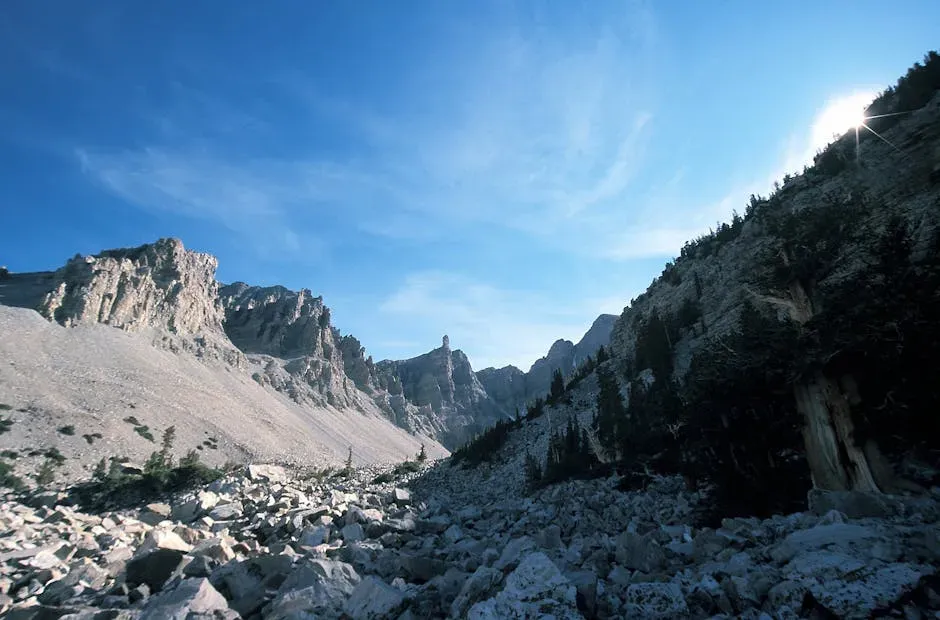
Most people drive past Nevada thinking only of Las Vegas. What they miss is one of the most soul-stirring parks in the entire country, tucked away in the eastern edge of the state. Nestled in eastern Nevada, Great Basin National Park is a stargazer’s paradise, with some of the darkest night skies in the lower 48 states – a place where the Milky Way casts shadows on moonless nights.
The park features 13,000-foot peaks, ancient bristlecone pine groves, underground marble caves, and some of the darkest skies in the continental U.S. You can summit a mountain, explore a cave, and stargaze – all in one day, often without encountering crowds. With only 143,265 visitors in 2023, this Nevada gem offers an escape into pristine wilderness that feels worlds away from the neon glow of nearby Las Vegas. That contrast alone makes it worth the trip.
Dry Tortugas, Florida: A Coral Kingdom at the Edge of the World
![Dry Tortugas, Florida: A Coral Kingdom at the Edge of the World (U.S. National Park Service [1]; English Wikipedia, original upload 2 March 2005 by Brian0918, Public domain)](https://nvmwebsites-budwg5g9avh3epea.z03.azurefd.net/aatg/cc614b692999a80457c611f3c986eb6d.webp)
Seventy miles west of Key West, sitting in the open waters of the Gulf of Mexico, there is a national park that most Americans have never even heard of. That, honestly, is the biggest travel secret in Florida. Dry Tortugas is mostly open water with seven small islands, making it only one percent dry ground. It is particularly good for an afternoon of snorkelling through coral reefs and spotting a myriad of exotic marine life, and is only accessible by boat or seaplane.
The island of Garden Key is a particular highlight thanks to it housing Fort Jefferson, one of the nation’s largest 19th century forts. Once used as a prison during the Civil War, it invites visitors to spend a morning discovering its rich history before spending the afternoon swimming amongst the islands. Visitors who camp overnight will be rewarded with incredible stargazing, and the crystal-clear waters and relative solitude more than make up for the difficulty of reaching this highly underrated national park.
Big Bend, Texas: The Wild, Beautiful Park at the End of the Road
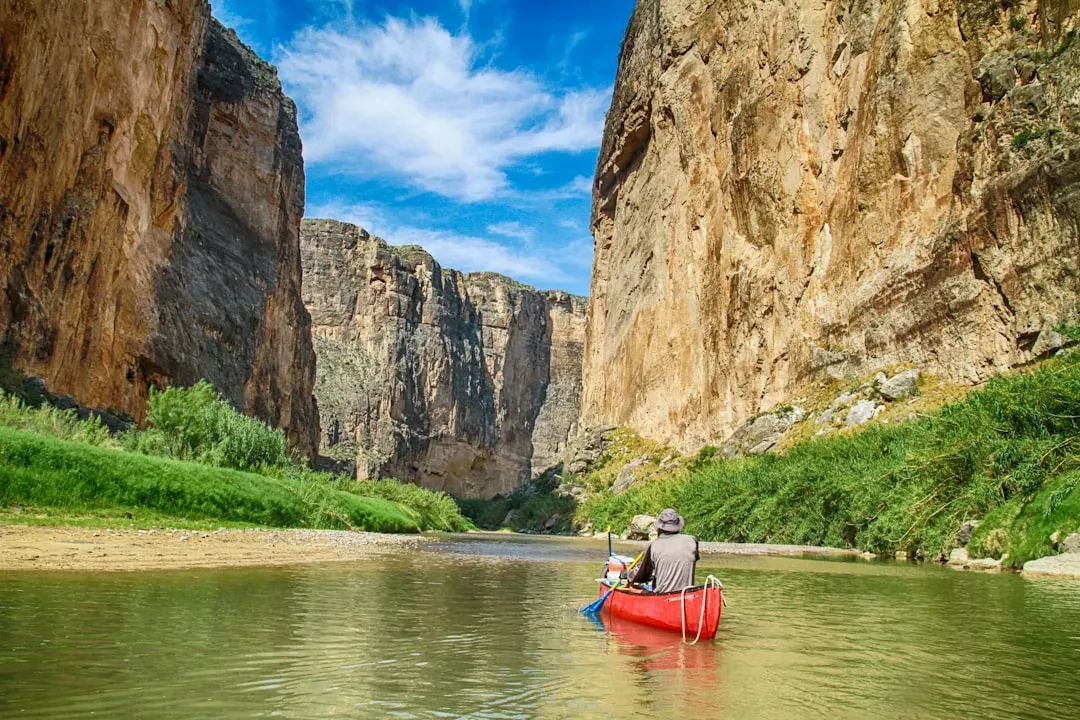
Let’s be real – most people aren’t heading to the remote southwest corner of Texas for a vacation. That’s exactly why Big Bend remains so extraordinary. Tucked away in Southwest Texas, Big Bend National Park is more difficult to reach than many other national parks, and it is this remote location that has allowed it to remain a hidden gem and one of the most underrated national parks in the US. Undertaking the journey rewards visitors with an incredibly biodiverse desert and mountain landscape.
Big Bend is one of the most biodiverse parks in the United States, home to more than 450 species of birds, 75 species of mammals, 22 species of lizards, as well as three distinct landscapes centered around the Chisos Mountains, the Chihuahuan Desert, and the Rio Grande. It is also a hiker’s paradise with over 200 miles of trails to explore, from short day hikes to long multi-day adventures. Think of it as three parks in one, all wrapped in golden silence.
Capitol Reef, Utah: Utah’s Forgotten Masterpiece
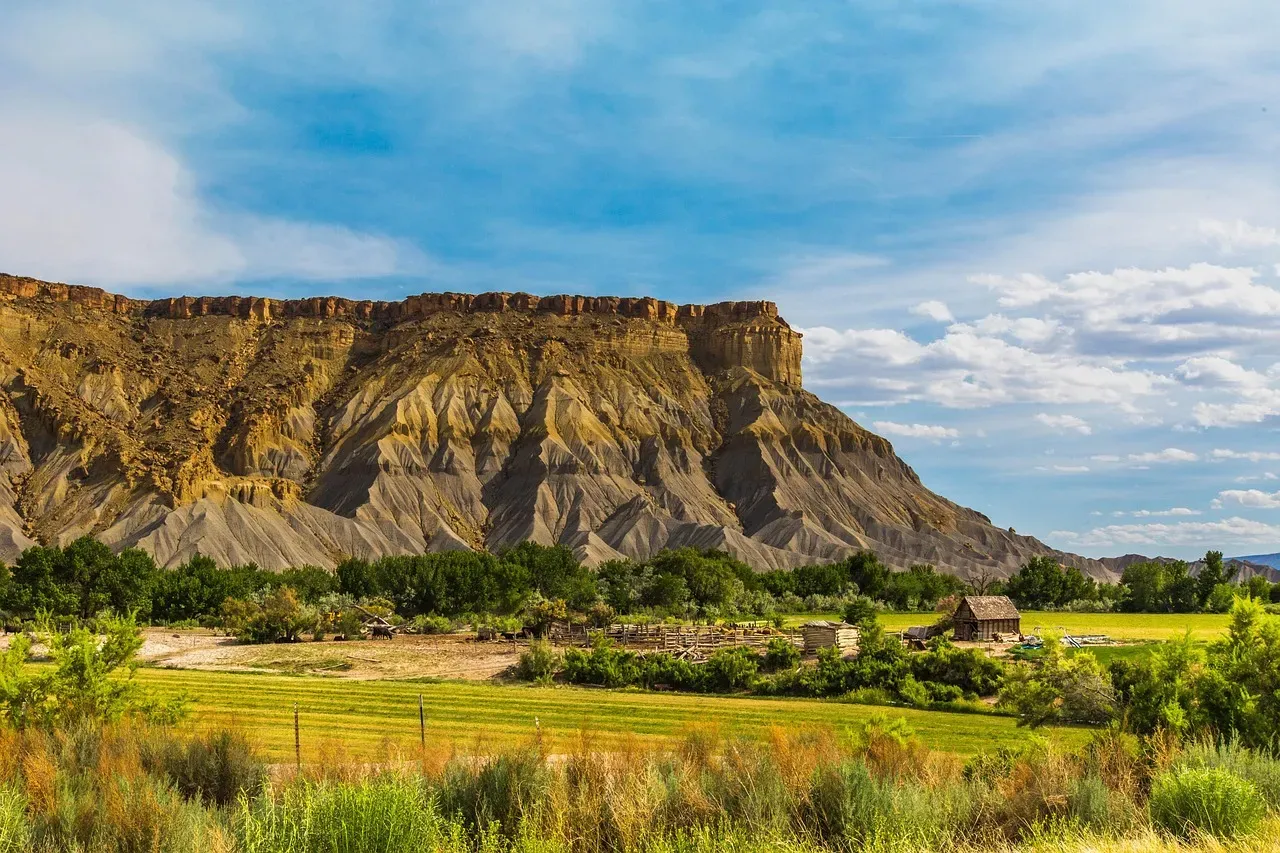
Utah’s “Mighty Five” parks get all the glory, but honestly, Capitol Reef might be the most underappreciated of them all. It sits right in the middle of the others, and somehow still gets overlooked. Capitol Reef isn’t by any means inaccessible, but it is largely overlooked – less than one million visitors make their way to it in an average year, while half a million visit Zion National Park in just a single month.
Massive, awe-inspiring rock formations are the stars of the show at Capitol Reef, with highlights including Hickman Bridge, Chimney Rock, and Cassidy Arch. The lack of crowds only makes it more enjoyable, allowing visitors to take their time and truly absorb the vast landscape. The park invites exploration of natural arches, monoliths, steep canyons, and its main distinguishing feature, the Waterpocket Fold. It’s the kind of place where you feel genuinely small, in the best possible way.
Voyageurs, Minnesota: America’s Watery Wilderness on the Canadian Border
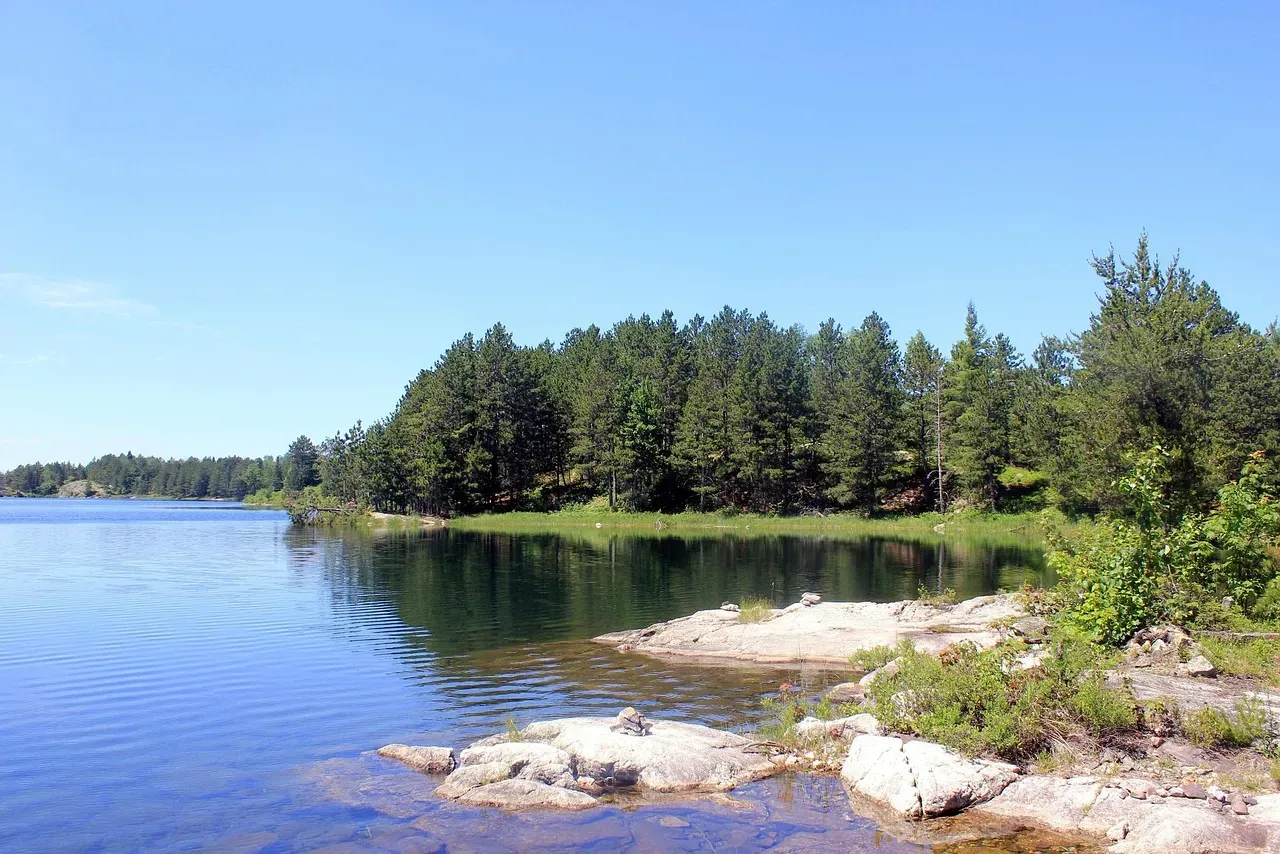
If someone told you there was a national park where nearly half the entire surface is water, you might think they were talking about Florida. Think again. With only 199,030 visitors in 2024, Voyageurs National Park along the Canadian border in Minnesota doesn’t always get the attention it deserves, despite being a wonderland for aquatic activities as well as a certified International Dark Sky Park. Nearly 40 percent of the park is water, a series of interconnected waterways plus lakes including Rainy, Kabetogama, Namakan, and Sand Point.
There is evidence that for more than 10,000 years, humans have centered life in this area around the waterways, using them for fishing and foraging and as transportation corridors – all of which still draw travelers today. As for stargazing, Voyageurs offers visitors a rare opportunity to glimpse the aurora borealis in the lower 48. It’s hard to say for sure which experience wins – paddling its mirror-still lakes by day or watching the northern lights ripple across the sky at night. Probably both.
Wrangell–St. Elias, Alaska: The Giant That the World Has Forgotten
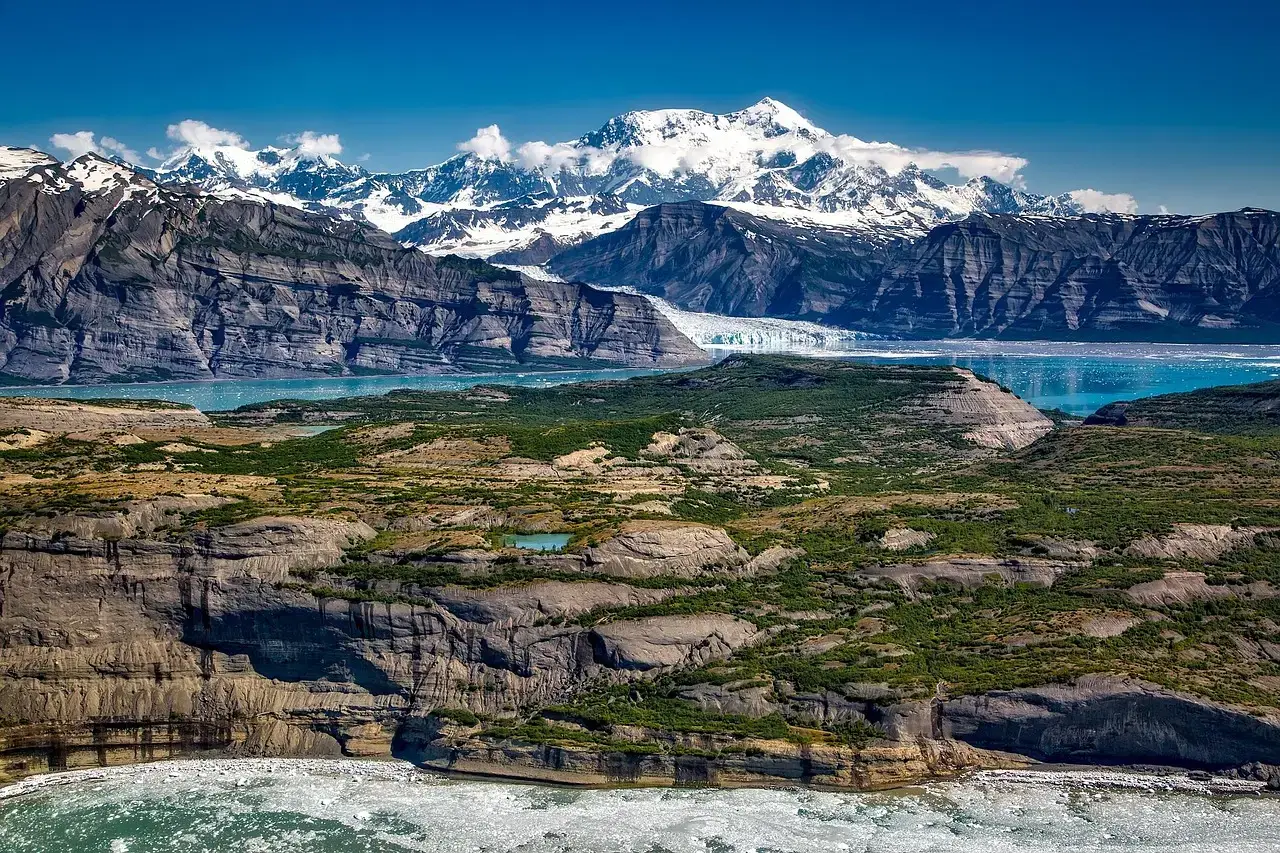
Here is a statistic that will stop you cold. At 13.2 million acres, Alaska’s Wrangell–St. Elias is the largest national park in the United States – the size of Yellowstone National Park, Yosemite National Park, and Switzerland combined. With the second-highest peak in the country, one of the largest active volcanoes in North America, and a glacier larger than Rhode Island, it offers endless opportunities to explore.
Eight of Alaska’s national parks combined accounted for less than two percent of all U.S. national park visits in 2024, and roughly ninety percent of those visitors headed to Denali, Glacier Bay, and Kenai Fjords, leaving Wrangell–St. Elias largely unexplored. The park is a rugged land covered with some of the largest volcanoes in North America, surrounded by icy cold glaciers and alpine meadows, and the majestic caribou outnumber the humans in Alaska. I think that last part says everything you need to know about how wild and untouched this place truly is.
Conclusion: The Road Less Traveled Leads Somewhere Remarkable
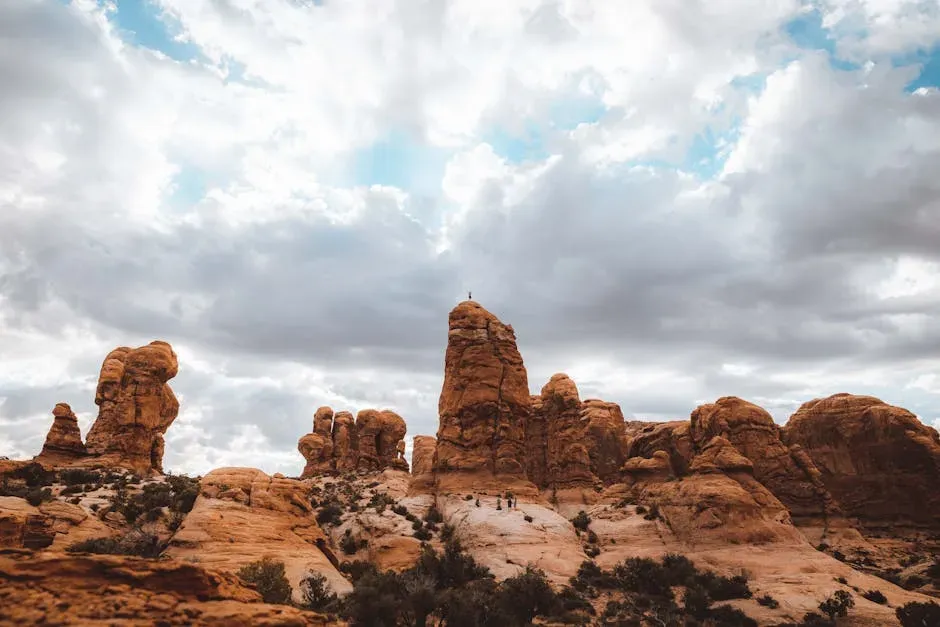
There’s a certain kind of joy that comes from discovering something the rest of the world seems to have missed. These lesser-known national parks offer more than just beautiful landscapes – they provide opportunities for genuine discovery and connection with nature. In an age of overtourism, these parks remind us of the value of solitude and the thrill of exploring places that feel truly wild.
offer a treasure trove of natural wonders, unique experiences, and unforgettable adventures. These hidden gems provide all the beauty and diversity of their more famous counterparts, but with the added benefits of fewer crowds, more intimate experiences, and a true sense of discovery. Whether you end up chasing the northern lights over Voyageurs, paddling through the ancient silence of Isle Royale, or standing at the edge of a glacier in Wrangell–St. Elias, one truth rings clear: sometimes the most extraordinary places are the ones nobody told you about. So which one goes on your list first?

- Why Veterinarians Say If Your Cat Sleeps With Their Back to You, It's the Highest Form of Trust in Feline Behavior - July 20, 2026
- The Zodiac Signs That Owls Avoid Completely (And What Folklore Says It Means About Your Energy) - July 20, 2026
- 13 Animals With the Most Incredible Camouflage Skills in Nature - July 20, 2026