
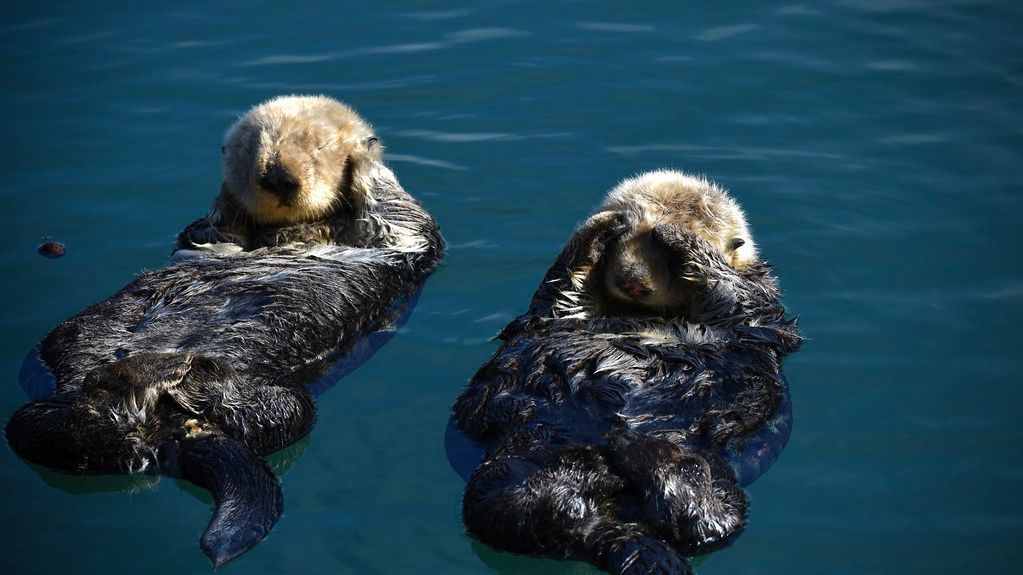
When most people think about intelligent ocean dwellers, the same familiar faces always pop up. Dolphins, with their playful leaps and complex social structures. Whales, singing their haunting songs across vast distances. These magnificent mammals have long dominated our understanding of marine intelligence.
Yet beneath the waves exists an entire world of creatures whose mental prowess remains largely hidden from public view. Think about it for a moment. The ocean covers more than seventy percent of our planet’s surface, harboring millions of species, many of which we’ve barely begun to study. What if intelligence in the sea takes forms we’ve never imagined? What if some of the smartest ocean animals aren’t mammals at all?
Let’s dive into the minds of some truly remarkable creatures that might just change how you think about intelligence itself.
The Octopus: An Alien Intelligence Among Us
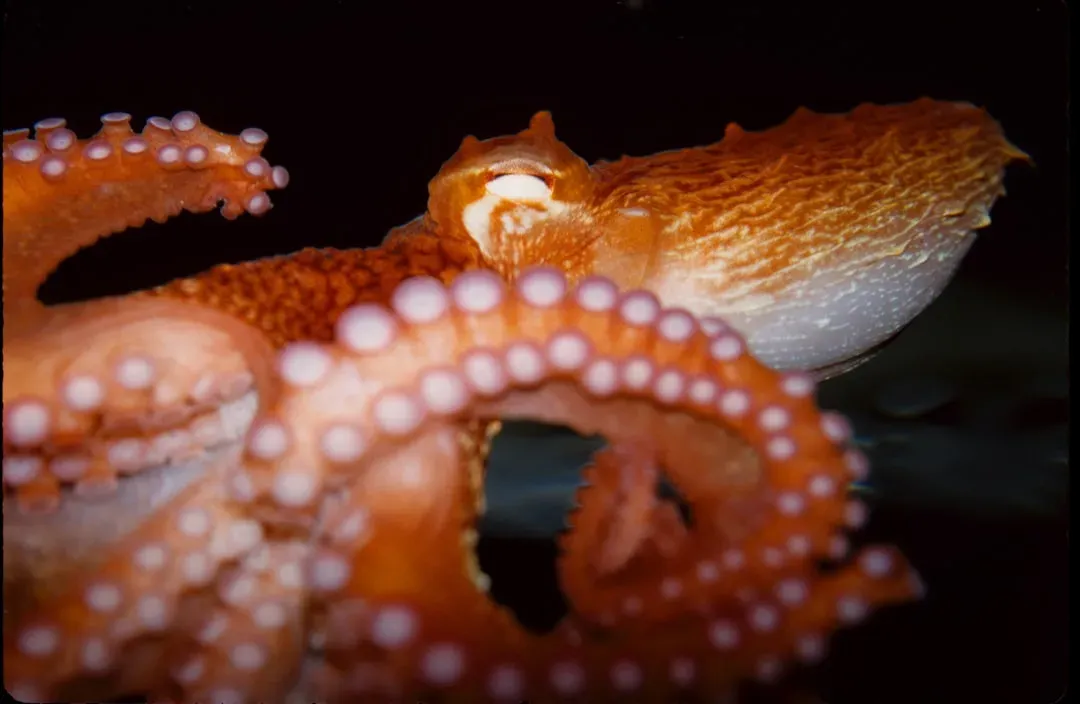
Octopuses possess the largest brain-to-body ratios of all invertebrates, and their brains are completely different from our own human brains. Here’s the thing that gets me excited about these creatures. An octopus grows up and learns on its own, without any instruction from its parents.
Imagine learning everything you know about survival without a single lesson from anyone. That’s the reality for every octopus. They can use their intelligence, learning and memory for camouflage, defense, play, optimal foraging, and solving complicated problems. They can solve complex puzzles requiring pushing or pulling actions, and can also unscrew the lids of containers and open the latches on acrylic boxes in order to obtain the food inside.
Captive octopuses have also been known to climb out of their tanks, travel some distance, enter another aquarium to feed, and return to their own aquariums. Let’s be real, that takes serious planning ability. Two-thirds of an octopus’s neurons are in the nerve cords of its arms. Each arm can essentially think for itself, making independent decisions while the central brain handles bigger picture concerns.
Cuttlefish: Masters of Deception and Self-Control
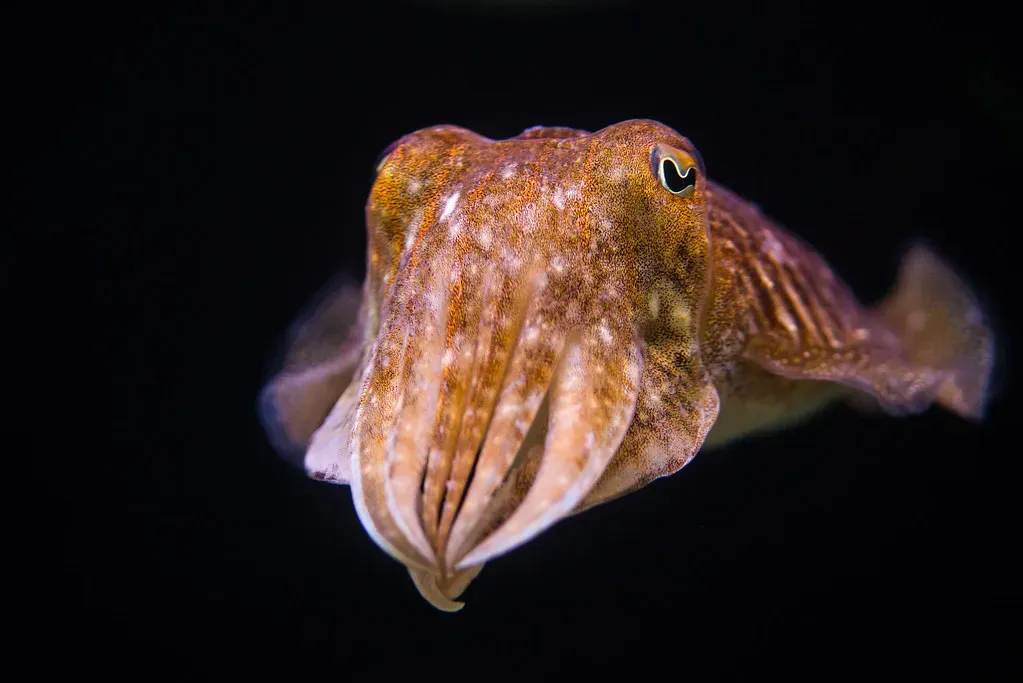
Cuttlefish are extremely intelligent and are dazzling masters of camouflage, with an excellent ability to remember past experiences, which helps guide their future behavior and decision-making. What really surprised researchers, though, was something much more subtle.
Cuttlefish showed self-control that’s linked to the higher intelligence of primates by being able to wait for better food. Scientists essentially gave them a version of the famous marshmallow test. Cuttlefish live in groups and exhibit social awareness, complex group interactions and social intelligence.
Their color-changing abilities go way beyond simple camouflage. Some squid and cuttlefish use flashing colors and patterns to communicate with each other in various courtship rituals. It’s like having a full-color display screen built into your skin, and cuttlefish use it with remarkable sophistication. Cuttlefish have been shown to have the capacity for future planning and reward processing after being tested with the Stanford marshmallow experiment.
Sea Otters: Tool Users of the Marine World
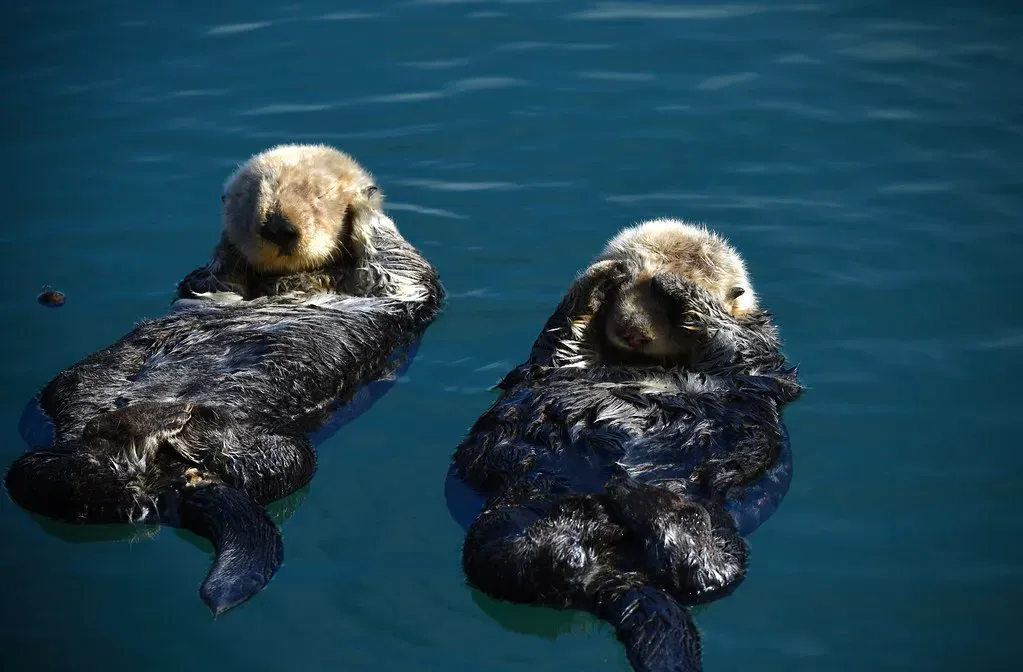
Sea otters are one of five species, and the only non-primate, known to regularly use percussive stone-tool technology in the wild. Honestly, watching a sea otter crack open a shellfish is mesmerizing. These charismatic creatures are regularly observed floating on their backs, placing a stone on their chest, and using it as an anvil to crack open clams, mussels, and other hard-shelled prey.
Sea otters often develop personal attachments to favored tools, carrying the same stone for days or even weeks, storing these precious implements in specialized skin pouches under their forelimbs while diving for food. This shows a level of foresight rarely observed in non-primate species. Sea otter tool use involves learning, problem-solving, and adaptation, with research suggesting that young otters observe their mothers for up to six months to master these techniques.
Sea otters are one of only three species, along with humans and bottlenose dolphins, among which individual-level specialization in tool use is documented. Each otter develops its own preferences and techniques. Otters can learn how to solve puzzles by watching and copying each other.
Manta Rays: Giants with Remarkable Brains
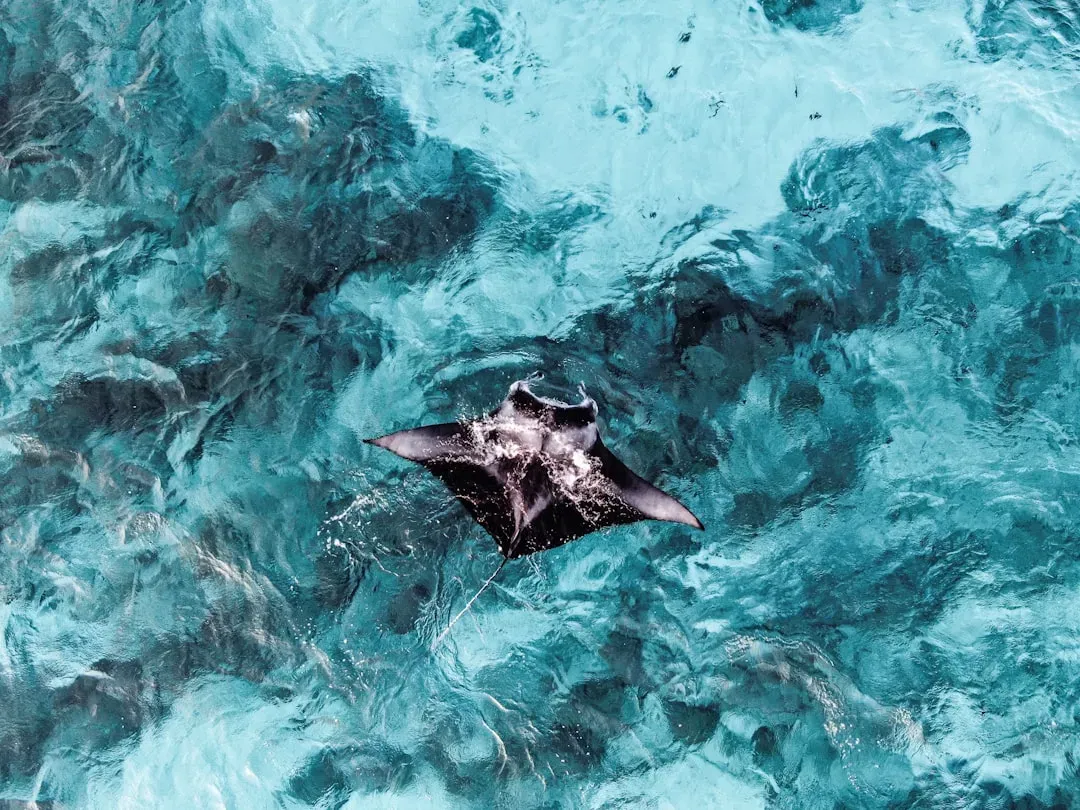
Mantas have huge brains – the biggest of any fish – with especially developed areas for learning, problem solving and communicating. I know it sounds crazy, but these graceful giants might actually recognize themselves in mirrors. Manta Rays have the highest brain-to-body ratio of all fish and one of the largest brains in the ocean.
Manta rays have enlarged brain areas associated with intelligence, vision and motor coordination, and some brain cells are physically more like those in birds and mammals than in other fish. They have the largest known brain of any fish and coordinate hunting in large groups, suggesting social intelligence.
Two captive manta rays spent significantly more time in front of the mirror than other portions of the tank and performed unusual and repetitive movements such as blowing bubbles at the mirror and flipping to expose their underside. These results suggest that manta rays are likely the first fish species found to exhibit self-awareness, which implies higher order brain function, as well as sophisticated cognitive and social skills.
Cleaner Wrasse: A Tiny Fish with Big Cognition
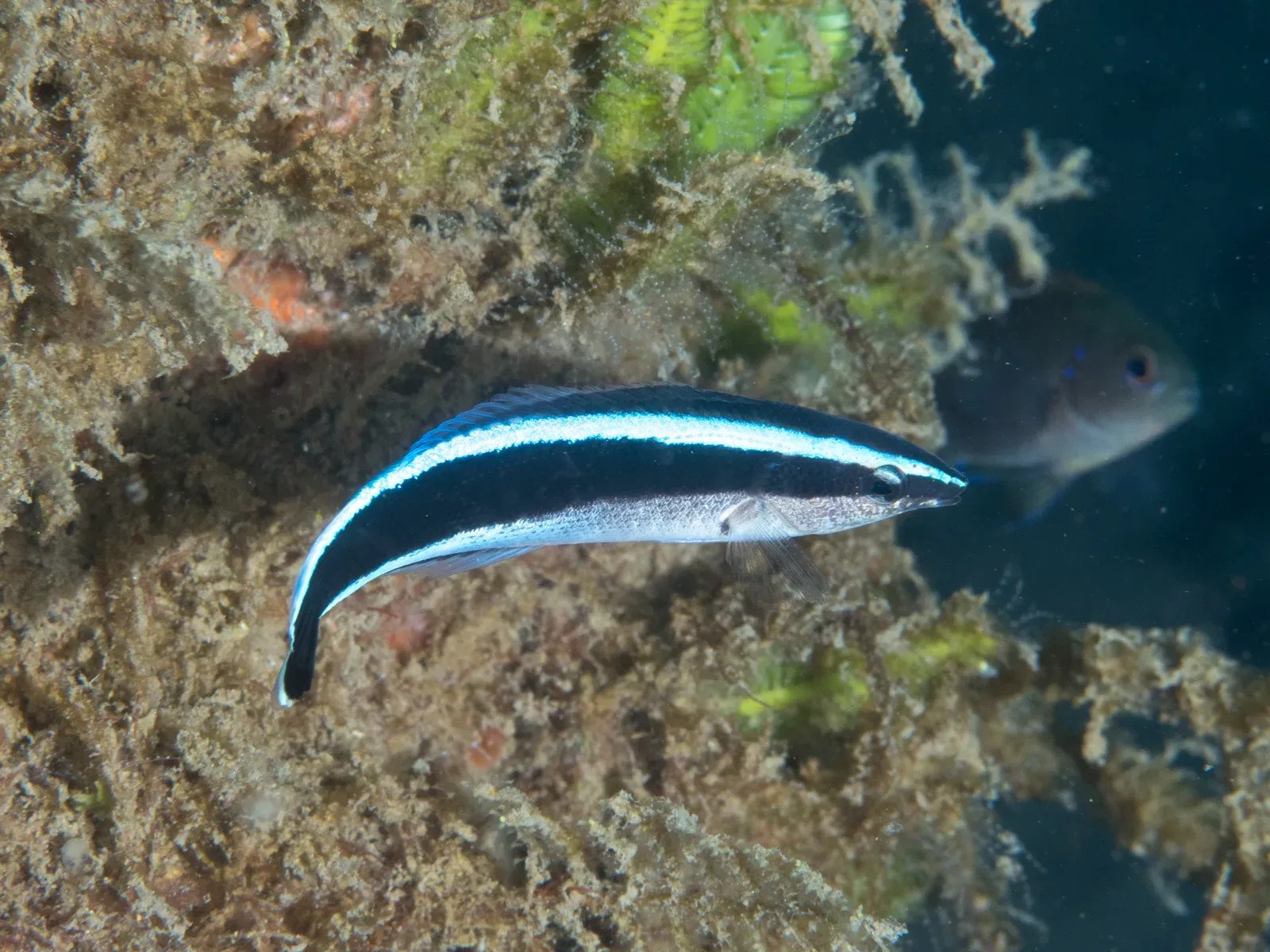
The cleaner wrasse shows behaviour including social reactions towards the reflection, repeated idiosyncratic behaviours towards the mirror, and frequent observation of their reflection, and when provided with a coloured tag, fish attempt to remove the mark by scraping their body in the presence of a mirror. This tiny fish has sparked huge debates in the scientific community.
New research suggests that the cleaner wrasse is the first fish to recognize itself in a mirror. Prior work has shown that the small blue-and-silver-striped fish are capable of passing the mirror test, exposed to a mirror for a period of time, then marked on their face, able to understand that the mark in the mirror is actually on their own body.
Bluestreak cleaner wrasse are capable of understanding their own body size and how their body size stacks up against a rival, and the findings suggest that they adapted and learned to use the mirror as a self-preservation tool. Cleaner wrasse appear to keep track of hundreds of different animals and their relationships with each other.
What really gets researchers excited is what this means for our understanding of consciousness across different species.
Archerfish: Sharpshooters with Strategic Minds
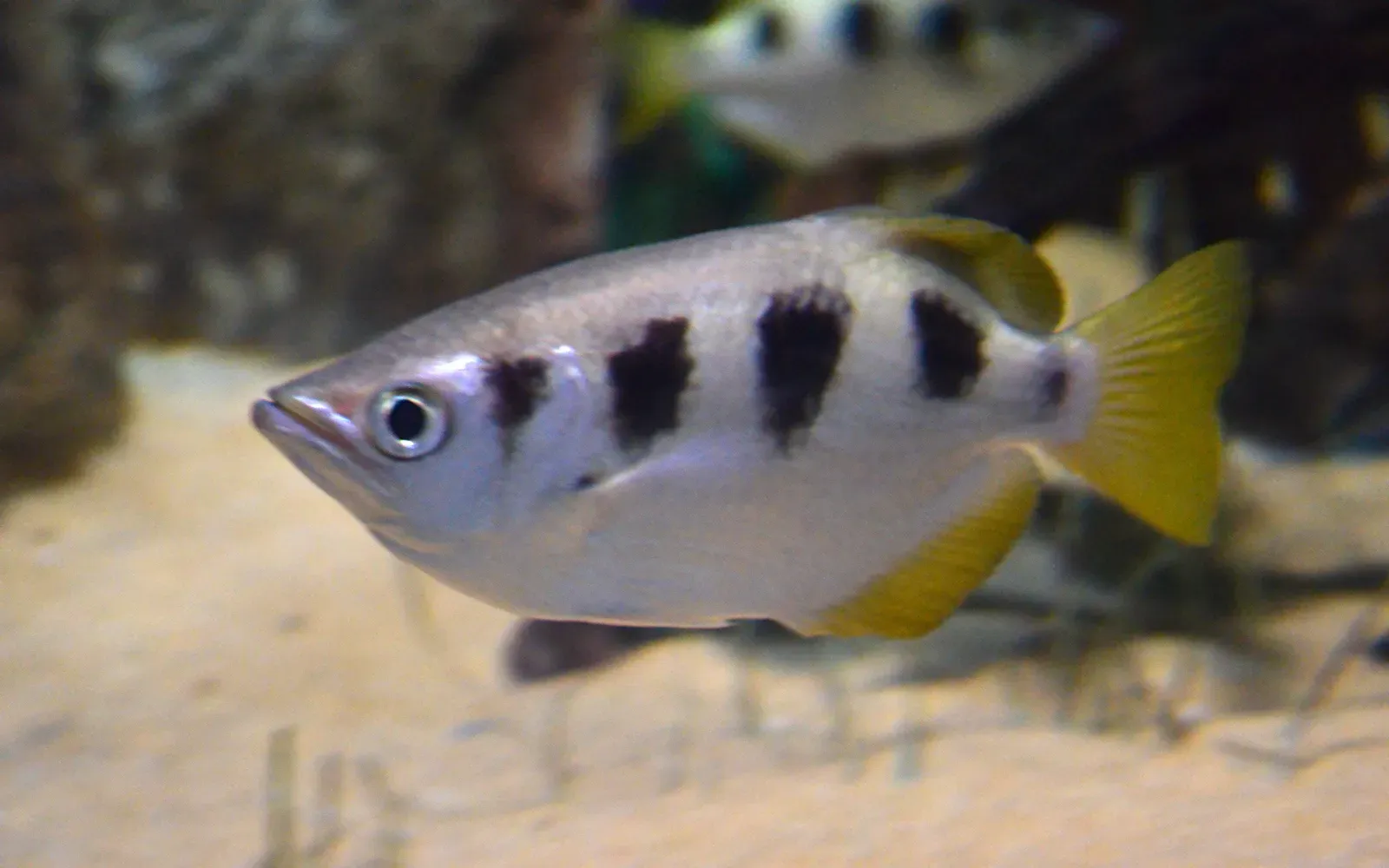
Archerfish are well-known for their ballistic hunting behaviour, shooting down aerial prey with a well-aimed jet of water, facing significant distortion to the appearance of targets due to refraction at the air/water interface while searching for prey against a complex background of foliage. These fish are basically underwater snipers. What makes archerfish’s hunting strategy so impressive is their ability to compensate for the water surface distortion, with adult archerfish almost always hitting their target on the first attempt.
Studies have demonstrated the impressive capacity of these fish to discriminate complex visual features, including high-accuracy discrimination of human faces. Archerfish are not just good shooters – they’re smart learners, showing the ability to recognize human faces, learn patterns, and make decisions based on memory and reward systems, making them one of the few fish known to have cognitive abilities beyond basic instincts.
Baby archerfish don’t start off as expert snipers but learn through trial and error, often missing their targets, but with time and practice, they refine their aim and become as deadly accurate as adults. Older fish are also known to teach by example, and observing peers helps younger archerfish learn faster – a trait more common in birds and mammals.
Conclusion: Rethinking Ocean Intelligence
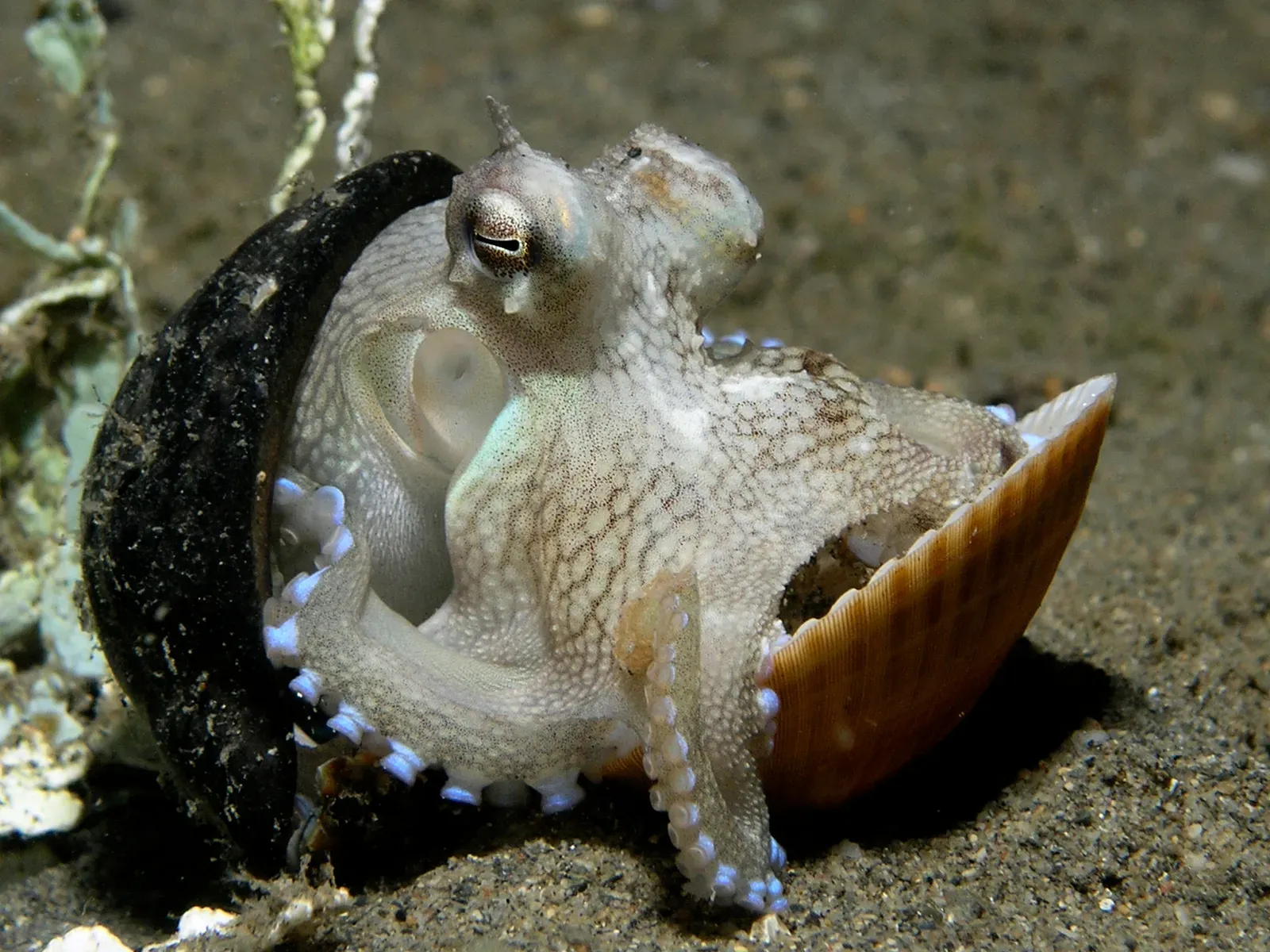
The ocean’s smartest residents aren’t always who we expect them to be. From octopuses that escape their tanks to tiny cleaner wrasse that might recognize their own reflection, intelligence in the sea comes in astonishing variety. These creatures challenge everything we thought we knew about brains, consciousness, and what it means to be smart.
Scientists now believe that cephalopods are intelligent creatures that possess some cognitive abilities that are comparable to those of non-human primates. Meanwhile, fish species once dismissed as simple are proving to have remarkable mental abilities. It’s hard to say for sure, but the more we study these animals, the more we realize how much we’ve underestimated them.
The next time you think about ocean intelligence, look beyond the dolphins and whales. Some of the most fascinating minds in the sea belong to creatures you might never have considered. What do you think about these surprising ocean geniuses? Does it change how you view the underwater world?

- 10 Remarkable Facts About the African Cheetah: The Lightning of the Grasslands - July 29, 2026
- 10 Most Heroic Horses in History - July 29, 2026
- Why You Should Never Play Dead When Attacked by a Black Bear - July 29, 2026