

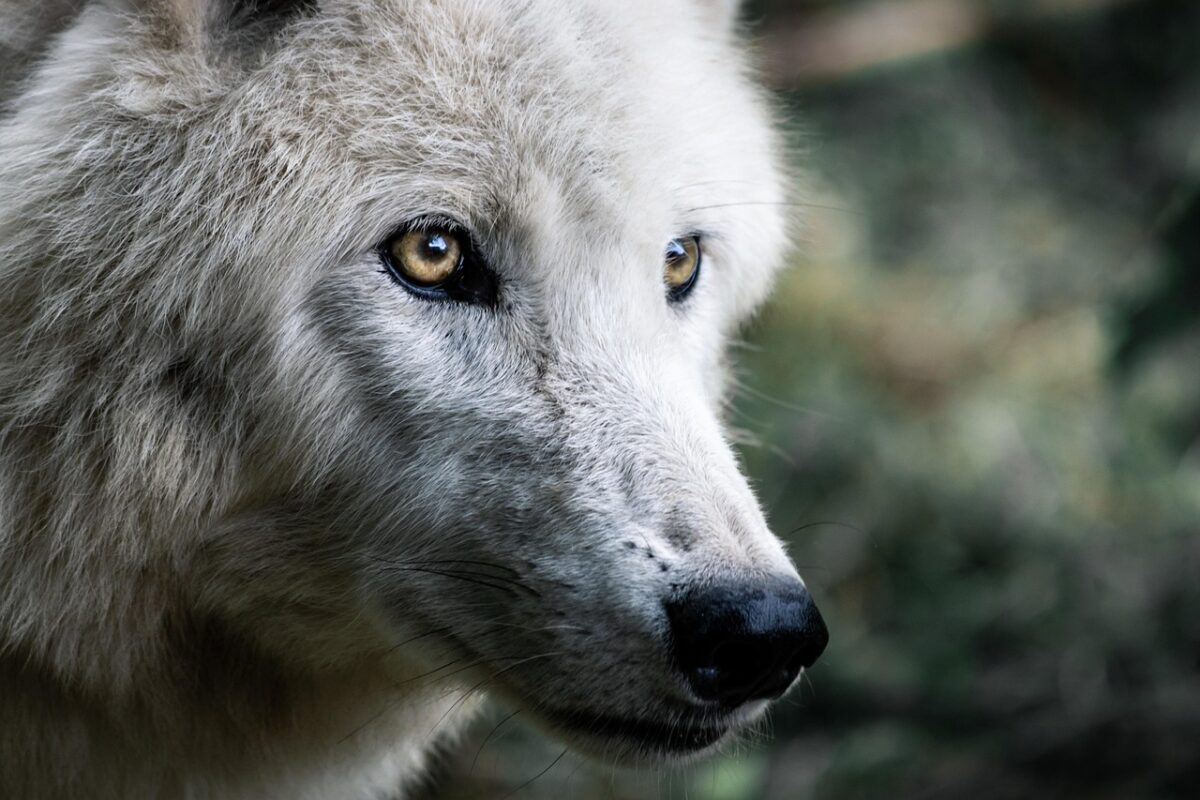

The Eerie Encounters Begin (Image Credits: Pixabay)
Preston, England – Residents encountered an unexpected sight in late October 2025 when three large, wolf-like animals appeared on local streets, sparking fears of escaped wildlife.
The Eerie Encounters Begin
The trio first caught attention just before Halloween, as they trod along roads and open areas near residential neighborhoods. Witnesses described the animals as strikingly similar to wolves, with thick fur, piercing eyes, and a pack-like demeanor that set nerves on edge. Local authorities received multiple reports, leading to swift action to locate and secure the group. The sightings fueled online speculation, with some wondering if wild wolves had somehow reentered the British countryside after centuries of absence.
Police officers tracked the animals down without incident, noting their calm yet wary behavior. Initial assessments suggested they might be oversized German Shepherds, a breed known for its resemblance to wild canids. The discovery happened amid the festive buildup to October 31, adding a layer of spookiness to the event. Community members shared photos and videos that quickly spread across social media, amplifying the mystery.
Capture and Initial Speculation
Once contained, the animals – later named Little Timmy, Boo, and Brooke – were taken into care by local animal welfare groups. Their size and appearance prompted immediate questions about their origins, with experts cautioning against assumptions of pure wolf ancestry. The siblings, as they turned out to be, showed no signs of aggression but displayed howling behaviors that echoed their wild counterparts. This unusual vocalization further intrigued observers and veterinarians alike.
Efforts to trace owners yielded no leads, pointing to possible abandonment. The case highlighted the growing trend of exotic pet ownership in the UK, where hybrid breeds sometimes end up stray. Preliminary exams ruled out immediate health issues, allowing time for more thorough investigations. Public interest surged, with national news outlets covering the story as a modern urban legend unfolding in real time.
DNA Testing Delivers Clarity
Laboratory analysis finally provided answers in early January 2026, confirming the animals as wolf-dog hybrids. Tests revealed a significant wolf content, estimated at around 62 percent in their genetic makeup, blended with domestic dog traits. This composition explained their distinctive looks and behaviors, distinguishing them from purebred wolves long eradicated from the region. The results, shared by authorities, put to rest rumors of a feral wolf resurgence.
The hybrid status raised discussions on the challenges of breeding and owning such animals. While legal in some contexts, these mixes often require specialized care that unprepared owners overlook. The DNA findings also aided in planning their future, steering them toward suitable sanctuaries rather than standard shelters. This resolution came after weeks of anticipation, transforming a local oddity into a broader conversation starter.
Lessons from the Litter
The Preston incident underscored the risks associated with wolf hybrids as pets. Owners frequently underestimate the animals’ strength, instincts, and space needs, leading to relinquishments or escapes. In the UK, regulations on dangerous dogs exist, but hybrids occupy a gray area that calls for clearer guidelines.
- Hybrids demand extensive training and secure enclosures to prevent wandering.
- Abandonment cases like this strain rescue resources and endanger public safety.
- Genetic testing proves essential for accurate identification and care planning.
- Potential owners should research breed-specific laws before acquisition.
- Community vigilance aids in swift responses to unusual animal sightings.
Experts from animal welfare organizations emphasized education as key to prevention. The trio’s story, now viral, serves as a cautionary tale for aspiring exotic pet enthusiasts.
Key Takeaways
- The Preston hybrids were confirmed as 62% wolf through DNA, not wild animals.
- Abandonment highlights dangers of unregulated hybrid breeding.
- Future care focuses on sanctuaries to match their needs.
As the wolf-dogs settle into safer surroundings, their tale reminds us of the blurred lines between wild and domestic worlds. What steps should communities take to address rising hybrid pet trends? Share your thoughts in the comments.

- Urban Coyotes Show Remarkable Adaptability, Learning to Thrive in City Environments - July 22, 2026
- Beavers Are Nature’s Engineers, Creating Vital Habitats for Other Wildlife Species - July 21, 2026
- The Recovery of the California Condor Offers Hope for Other Critically Endangered Birds - July 21, 2026