

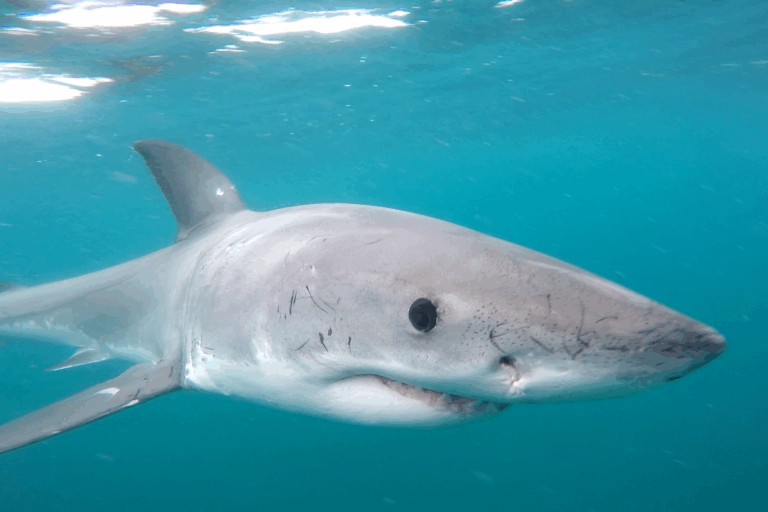
A Troubling Trend Emerges (Image Credits: Imgs.mongabay.com)
South Africa – Researchers have raised alarms over the sharp reduction in great white shark numbers along the country’s coasts, attributing the trend primarily to human influences that disrupt marine ecosystems.
A Troubling Trend Emerges
Scientists documented a significant drop in great white shark sightings and captures in recent years, prompting a detailed review of available data. This analysis revealed patterns of decline that stretched across key habitats, including the waters off the Western Cape. The findings painted a picture of a once-thriving population now struggling to maintain its presence. Conservation experts emphasized that these apex predators play a vital role in balancing ocean food webs, and their loss could trigger widespread changes.
The review, conducted by a team of marine biologists and environmental advocates, drew on decades of monitoring records. They noted that abundance estimates had fallen dramatically since the early 2000s. While natural factors like predation from orcas contributed in isolated cases, the overarching narrative pointed to anthropogenic pressures. This shift has left researchers grappling with the implications for South Africa’s renowned shark hotspots.
Human Activities at the Core
Fishing operations emerged as a primary driver, with bycatch and targeted removals depleting numbers over time. Shark nets designed to protect beaches inadvertently ensnared great whites, leading to high mortality rates. Bycatch from commercial trawling further compounded the issue, as these predators often tangled in gear meant for other species. Pollution and habitat degradation from coastal development added layers of stress, altering prey availability and migration routes.
Historical data showed that recreational fishing and illegal practices exacerbated the problem in the past. Even protective measures, such as no-take zones, faced challenges from enforcement gaps. The cumulative effect has been a population crash that threatens the species’ regional stability. Efforts to quantify these impacts relied on sighting surveys and tag recoveries, highlighting the need for stricter regulations.
Ecosystem Ripples from the Loss
The absence of great whites could unleash imbalances in marine life, allowing mid-level predators to proliferate unchecked. Seal populations, a key prey source, might explode in some areas, straining resources and altering coastal dynamics. Smaller fish stocks could suffer as well, with cascading effects up and down the food chain. Researchers warned that such disruptions mirror patterns seen in other overfished regions, underscoring the urgency of intervention.
Local fisheries and tourism economies, which rely on healthy shark populations for eco-adventures, stand to lose significantly. Divers and researchers who study these waters have already noted fewer encounters. The review stressed that restoring balance requires addressing root causes rather than symptoms. Collaborative monitoring programs continue to track these changes, providing data for adaptive management.
Steps Toward Safeguarding the Species
Conservationists advocated for enhanced protections, including expanded marine protected areas and better gear technologies to reduce bycatch. International cooperation could help, given the migratory nature of great whites that cross borders. Public awareness campaigns aimed to shift attitudes toward viewing sharks as allies in ocean health rather than threats. Funding for research remained crucial to refine strategies and measure progress.
Government agencies in South Africa initiated reviews of existing policies following the study’s release. Partnerships with non-profits focused on removing derelict fishing equipment and rehabilitating habitats. These initiatives built on past successes, like the 2005 ban on white shark fishing, but called for renewed commitment. Long-term survival hinged on integrating science with policy to mitigate human impacts effectively.
Key Takeaways
- Human activities, especially fishing-related practices, drive the majority of the decline in South Africa’s great white sharks.
- Apex predator loss risks destabilizing marine ecosystems, affecting prey species and broader biodiversity.
- Targeted conservation measures, including protected zones and bycatch reductions, offer hope for recovery.
The vanishing great whites serve as a stark reminder of humanity’s profound influence on ocean realms, urging immediate action to preserve these magnificent creatures for future generations. What steps do you believe could best protect South Africa’s marine heritage? Share your thoughts in the comments.

- Urban Coyotes Show Remarkable Adaptability, Learning to Thrive in City Environments - July 22, 2026
- Beavers Are Nature’s Engineers, Creating Vital Habitats for Other Wildlife Species - July 21, 2026
- The Recovery of the California Condor Offers Hope for Other Critically Endangered Birds - July 21, 2026