

Picture this: a massive elephant standing over a fallen friend, streams of liquid trickling down its wrinkled cheeks. Heart-wrenching, right? We humans shed tears when emotions overwhelm us, but what about our animal companions?
Turns out, no creature matches our emotional waterfalls exactly. Yet some come tantalizingly close with behaviors that tug at the heartstrings. Let’s dive into the three that blur the line the most.[1]
Elephants: Visible Moisture in Moments of Grief
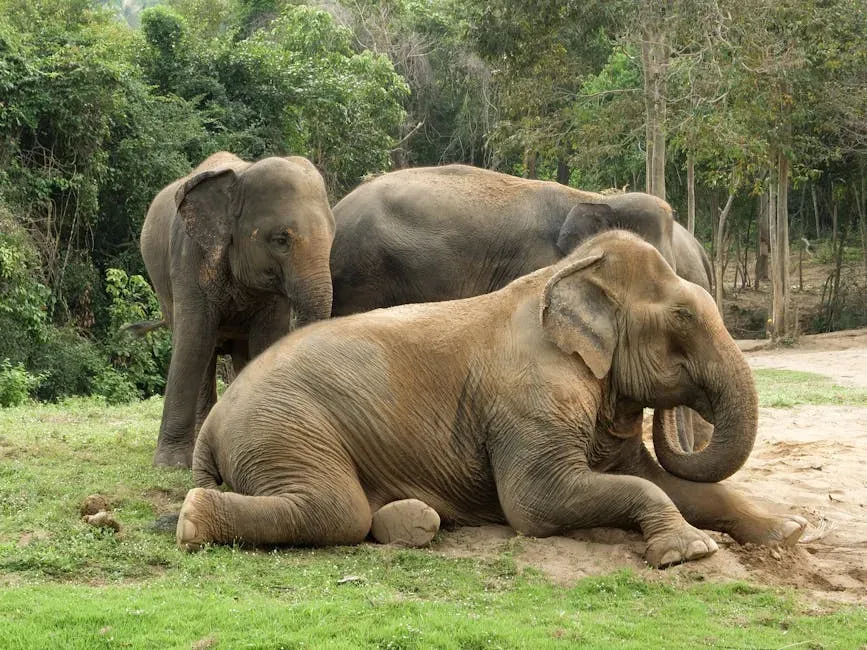
Elephants often appear to weep during intense distress. Witnesses spot fluid spilling from their eyes amid injury, separation from the herd, or even rescue operations. Their unique anatomy slows tear drainage, making any moisture highly visible.[1]
These gentle giants form deep social bonds. They console injured kin with trunk touches and revisit deceased relatives’ bones. Scientists link this to emotional contagion, though they caution the liquid might stem from dust or irritation rather than pure feeling.[2]
Honestly, watching videos of elephants in mourning hits hard. It challenges the idea that tears are just for eye care. Their rich emotional lives make you wonder if we’re underestimating them.
Still, firm proof of emotional tears eludes researchers. Elephants remind us emotions run deep across species.
Primates: Heartfelt Vocal Cries Without the Tears
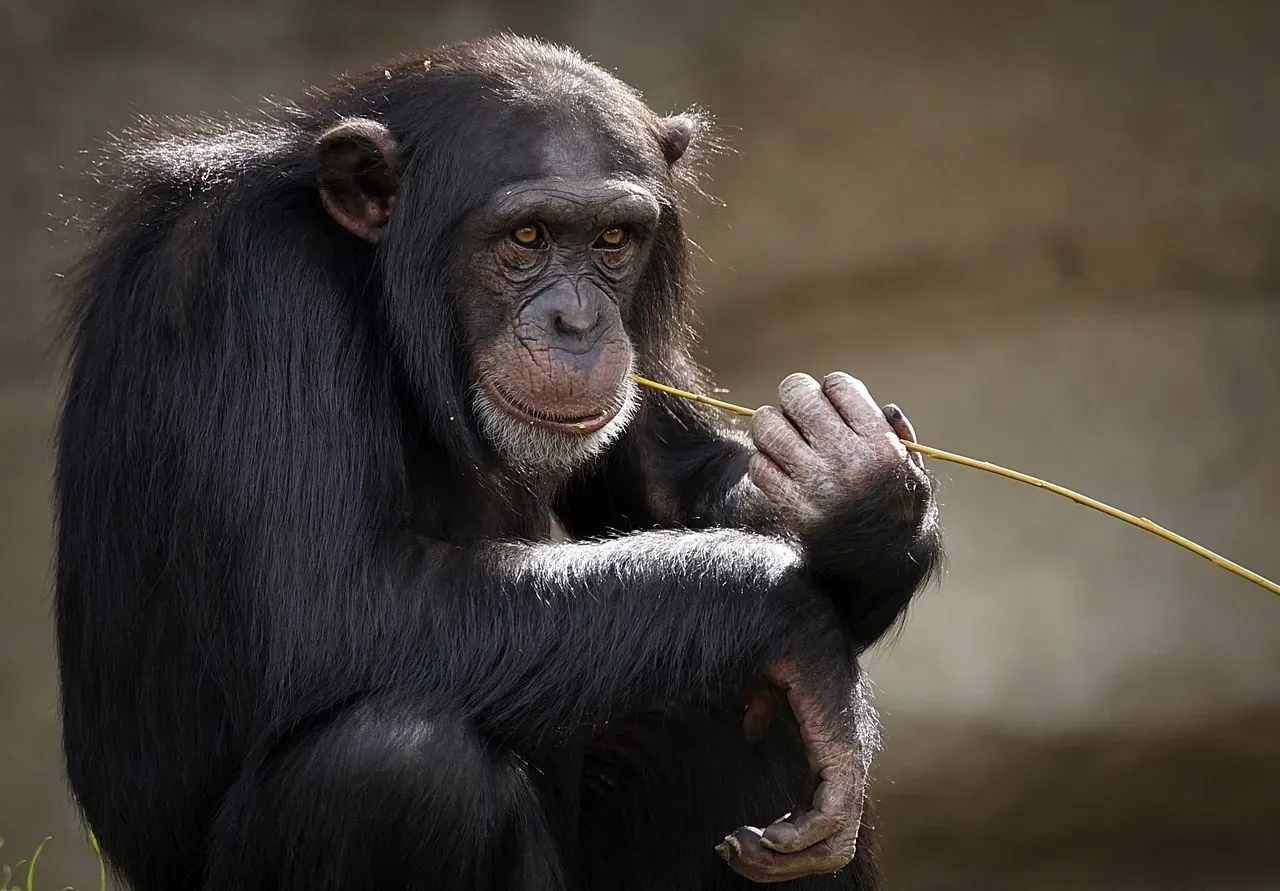
Our closest relatives, primates like chimpanzees, belt out cries eerily similar to human babies. Distressed infants wail rhythmically to summon protection. Adults rock, cling, or sway when upset, signaling pain or fear through sound and posture.[1]
These calls spark instant caregiver responses. Complex brains fuel their social drama, mirroring our own. Yet their eyes stay dry during these episodes, relying on noise over liquid for expression.
Let’s be real, it feels uncanny hearing a chimp sob. No tears, sure, but the raw emotion shines through. This vocal prowess edges them close to our crying ritual.
Observers note occasional moist eyes, but never tied to feelings. Primates prove emotion doesn’t need waterworks to move us.
Dogs: Tearful Reunions Fueled by Joy

Dogs ramp up tear production during happy owner reunions. A study measured higher volumes right after separations ended. Applying oxytocin, the bonding hormone, to their eyes triggered even more tears.[3][1]
This suggests emotions influence their watery eyes. Domestication tuned them to human cues, like prolonged gazes. It’s not sadness, but positive vibes that well up.
I think it’s wild how pups evolved this. Watery eyes make them irresistible, boosting our care. Small studies hint at more to uncover.
Though not full-blown crying, it bridges species. Dogs show tears can signal connection.
Final Thoughts: A Tearful Divide with Blurry Edges
Humans hold the monopoly on emotional tears, but elephants, primates, and dogs flirt with the concept through behaviors and biology. Their displays challenge us to rethink animal feelings. Science urges caution, yet anecdotes and studies paint a compelling picture.
Next time you see a teary-eyed pet or wildlife clip, pause. What emotions lurk beneath? Share your thoughts below – what animal surprises you most?

- Why Veterinarians Say If Your Cat Sleeps With Their Back to You, It's the Highest Form of Trust in Feline Behavior - July 20, 2026
- The Zodiac Signs That Owls Avoid Completely (And What Folklore Says It Means About Your Energy) - July 20, 2026
- 8 Amazing Animal Instincts That Continue to Puzzle Scientists Today - July 20, 2026