

Manitoba, a province in Canada celebrated for its vast natural landscapes and diverse ecosystems, boasts a rich array of wildlife. From the expansive prairies to the dense boreal forests, this region serves as a habitat for a wide variety of animals. Exploring Manitoba’s wildlife offers both locals and visitors a remarkable glimpse into the natural world. In this article, we’ll delve into the top 10 animals and wildlife that make Manitoba a truly unique destination.
Polar Bears

Churchill, often referred to as the “Polar Bear Capital of the World,” is one of the few human settlements where these majestic creatures can be observed in their natural habitat. Each fall, polar bears migrate to the shores of Hudson Bay, waiting for the bay to freeze so they can hunt seals. This seasonal congregation not only provides an extraordinary wildlife viewing opportunity but also highlights important conservation efforts as climate change continues to impact the bears’ Arctic environment.
Beluga Whales

The waters of Hudson Bay and the Churchill River teem with thousands of beluga whales each summer. These vocal mammals are known for their distinct white color and friendly nature, often swimming up to boats and kayaks. Visitors to Manitoba can embark on thrilling boat tours to observe these playful creatures and listen to their unique vocalizations using underwater microphones.
Bison

Once nearly driven to extinction, the bison have made a remarkable comeback in Manitoba. The province is home to significant herds that roam freely in protected areas like Riding Mountain National Park and the FortWhyte Alive nature center near Winnipeg. Observing these massive animals as they thunder across the prairie is a powerful reminder of the continent’s natural history and the resilience of wildlife species.
Gray Wolves

Gray wolves are apex predators found throughout Manitoba, particularly in the remote boreal forests. They play a crucial role in maintaining the ecological balance by controlling the populations of their prey. Wolves are social animals, living in packs that exhibit complex social structures. Spotting a wolf in the wild requires patience and a bit of luck, but guided tours in areas like Riding Mountain National Park offer opportunities to track and study these fascinating creatures.
Moose

As the largest member of the deer family, moose are a common sight in Manitoba’s wetlands and forests. These iconic animals are easily recognizable by their towering stature, long legs, and distinctive antlers. Moose are generally solitary, and they can be seen grazing in marshy areas or wading in lakes and rivers. Their presence is a testament to the health of the province’s wetland ecosystems.
Black Bears

Black bears are the most common bear species in Canada and inhabit many of Manitoba’s forested regions. Contrary to their name, they can range in color from black to brown or even cinnamon. These omnivorous bears are usually shy and avoid human interaction, making it a special experience to observe one in its natural setting. Proper bear safety is essential when exploring Manitoba’s wilderness.
Beavers
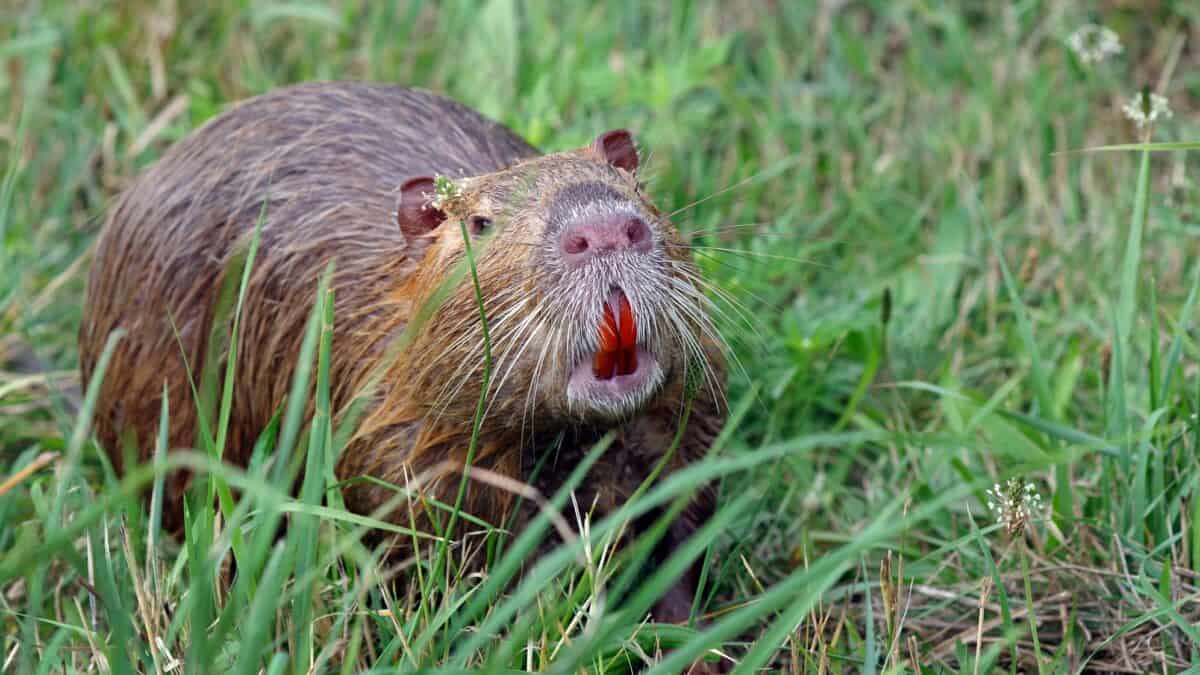
Known as nature’s engineers, beavers are an integral part of Manitoba’s ecosystem. They skillfully construct dams and lodges, which create wetlands that support a wide range of plant and animal life. Beavers are most active at dusk and dawn, and their impressive building skills can be observed in various national and provincial parks, where they continue to shape the landscape.
Peregrine Falcons

These powerful birds of prey are known for their incredible speed, reaching over 240 miles per hour during hunting stoops. The peregrine falcon was once endangered, but thanks to conservation efforts, their populations in Manitoba have rebounded. Urban centers like Winnipeg often host nests on high-rise buildings, offering unique opportunities to see these skilled hunters in action.
Snowy Owls
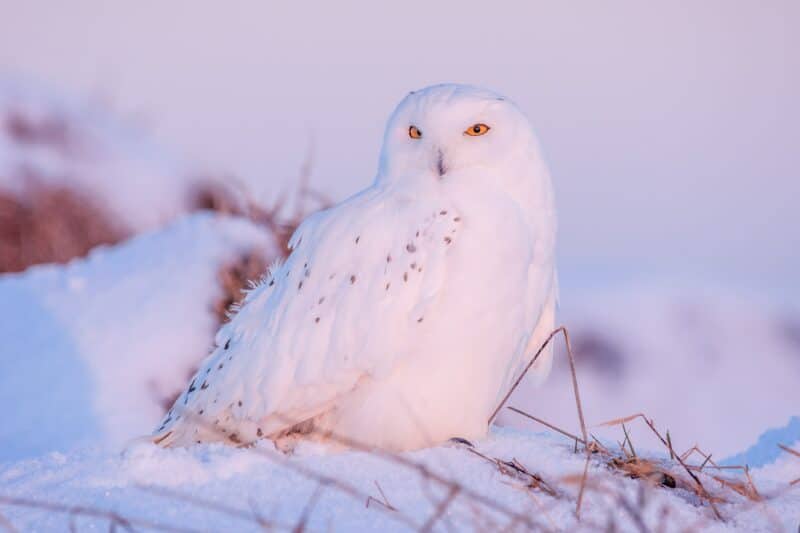
With their striking white plumage and bright yellow eyes, snowy owls are a captivating sight in the winter months. These nomadic birds migrate south from the Arctic tundra to hunt in the open fields and prairies of Manitoba. While they are elusive, spotting one perched on a fence post or gliding silently over snowy landscapes is an unforgettable experience for birdwatchers.
Lynx

Elusive and solitary, the Canadian lynx prowls the dense forests of Manitoba. With its tufted ears and distinctive facial ruff, the lynx is a master of stealth and a skilled hunter of snowshoe hares. While sightings are rare due to their secretive nature, winter snow can reveal their large paw prints, hinting at their presence in the wilderness.
Conclusion
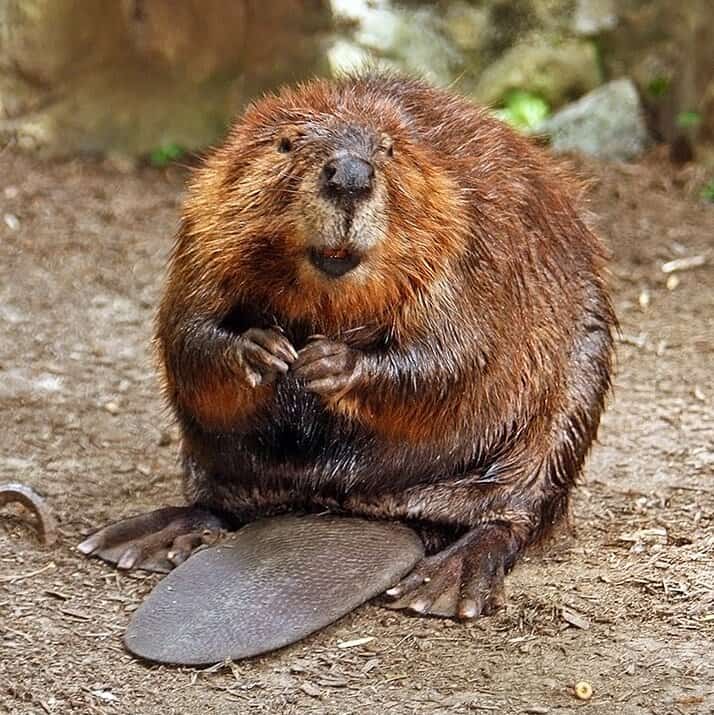
Manitoba’s diverse landscapes provide a rich habitat for an impressive array of wildlife. Whether you’re exploring the icy waters of Hudson Bay or trekking through the dense forests, the province offers numerous opportunities to observe and appreciate its animal residents. From iconic species like the polar bear and moose to the skilled predators like wolves and peregrine falcons, Manitoba’s wildlife contributes to the region’s unique natural heritage and challenges us to support and protect these vital ecosystems for generations to come.

- The Most Powerful Earthquake Ever Felt in the U.S. - July 19, 2026
- How Rhinoceros Males Compete for Mating Rights in the Wild - July 18, 2026
- 13 Spider Species Thriving in Changing Environments - July 18, 2026