

The ocean, a vast expanse of mystery and wonder, harbors one of the most intelligent and enigmatic creatures known to humans: dolphins. With tales of dolphins saving humans in perilous situations echoing throughout history, the question arises – do dolphins really save humans, or are these just mythic folklore? Drawing on scientific research and assorted anecdotes, this article delves into the relationship between humans and dolphins, exploring the benevolent behaviors attributed to these marine mammals.
Understanding Dolphin Intelligence

Dolphins are ranked among the most intelligent animals on the planet, exhibiting advanced behaviors that suggest a high level of cognitive function. They have large brains due to an encephalization quotient that significantly exceeds that of most animals, comparable to great apes and humans. This high level of intelligence is believed to contribute to their complex communication skills and ability to exhibit altruistic behaviors.
The Evolution of Dolphin-Human Relationships

Humans have shared a complex relationship with dolphins dating back to the Ancient Greeks, who revered them as sacred animals. Stories of dolphins guiding lost fishermen back to shore or protecting sailors from sharks have persisted across various cultures, highlighting a historical bond based on mutual curiosity and interconnectedness.
Anecdotes of Dolphins Saving Humans

There are numerous cases where dolphins have reportedly come to the aid of humans. Perhaps one of the most famous stories is that of surfer Todd Endris, who claims dolphins surrounded him to protect him from a shark attack, allowing him to safely reach the shore. Similar stories have been reported globally, which form the backbone of the dolphin savior narrative.
The Science Behind Dolphin Altruism

While anecdotal evidence abounds, can science explain these altruistic behaviors? Researchers suggest that dolphins are naturally curious and empathetic animals. Their social structures and teamwork display behaviors that may transfer to interactions with humans, especially in distress scenarios. However, skeptics argue that these stories could result from chance encounters rather than intentional rescue missions.
The Role of Echo-Location in Human Interactions
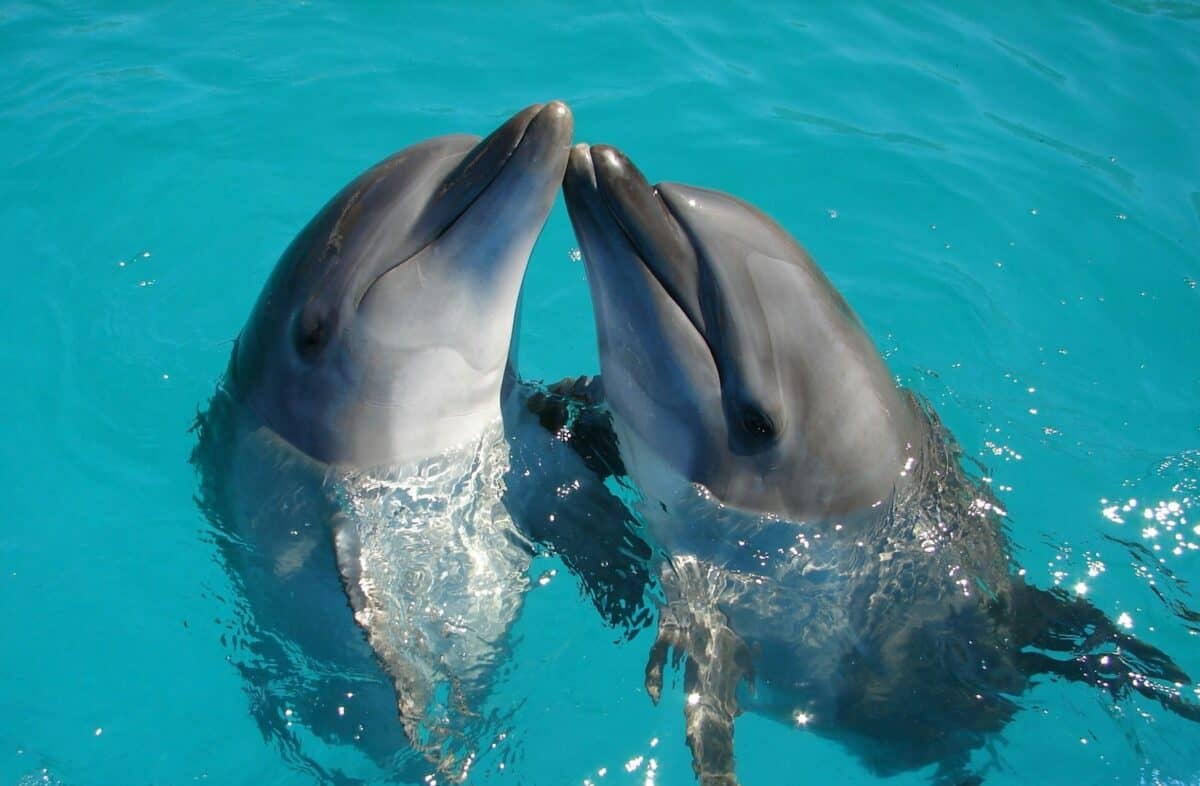
Echo-location, a sophisticated sonar system used by dolphins, allows them to detect objects and animals—even those concealed beneath the waves. This ability could enhance their interactions with humans by allowing dolphins to sense distress and confusion in the water, leading them to investigate and, occasionally, intervene.
Behavioral Indications of Empathy

Empathy is a trait closely associated with human interactions but is increasingly observed in dolphins. Dolphins’ ability to exhibit emotions and form deep social bonds within their pods may extend to their encounters with humans. This empathetic capacity might underlie the observed behaviors that sometimes resemble a deliberate rescue effort.
Conserving Dolphins and Their Environment

The preservation of dolphin habitats is crucial for maintaining these remarkable interactions between humans and dolphins. In many regions, dolphin populations face severe threats from pollution, fishing nets, and habitat destruction. Conservation efforts focusing on sustainable fishing practices and protecting marine environments are vital to ensure future generations can witness dolphin-human interactions.
Dolphins in Therapy and Rehabilitation

Beyond life-saving tales, dolphins have contributed positively to human health through dolphin-assisted therapy, used for psychological and physical rehabilitation. This unique approach highlights dolphins’ positive impact on human well-being, where their gentle nature aids in the healing process of various conditions.
Comparing Dolphin and Human Altruism
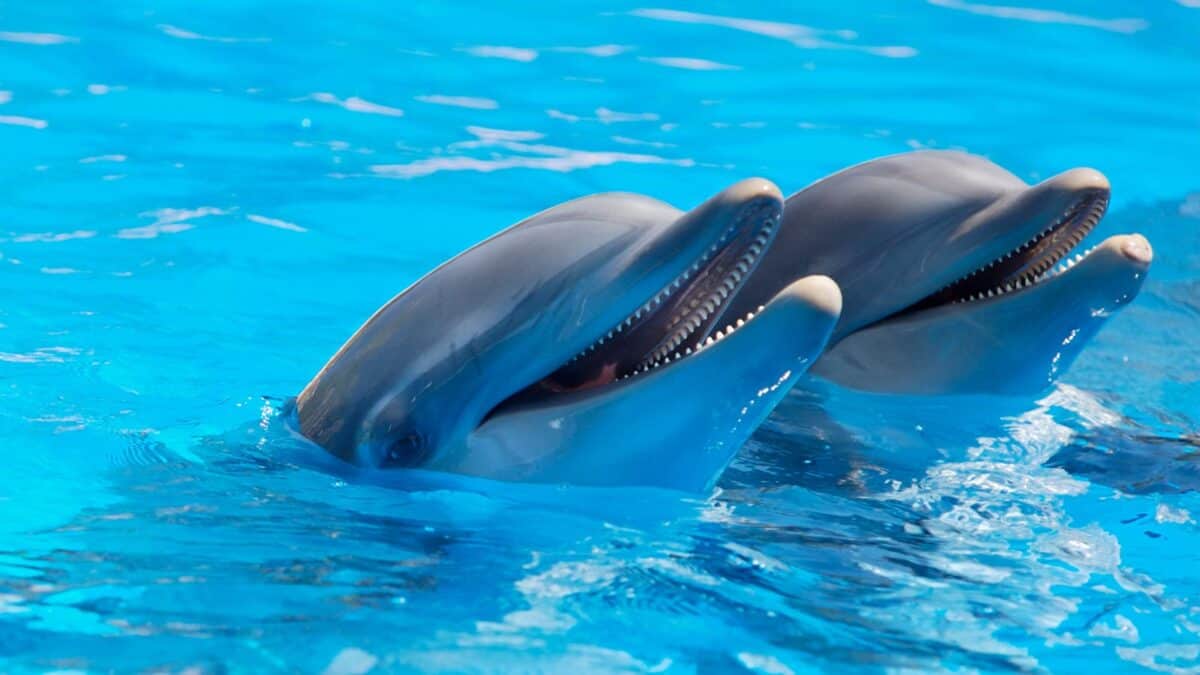
While humans exhibit altruism through conscious decisions, dolphin altruism appears instinctual. Comparing these behaviors provides insights into the evolutionary aspects of kindness, raising questions about why these social behaviors have developed in both species and how they benefit survival.
The Controversy of Interpretation
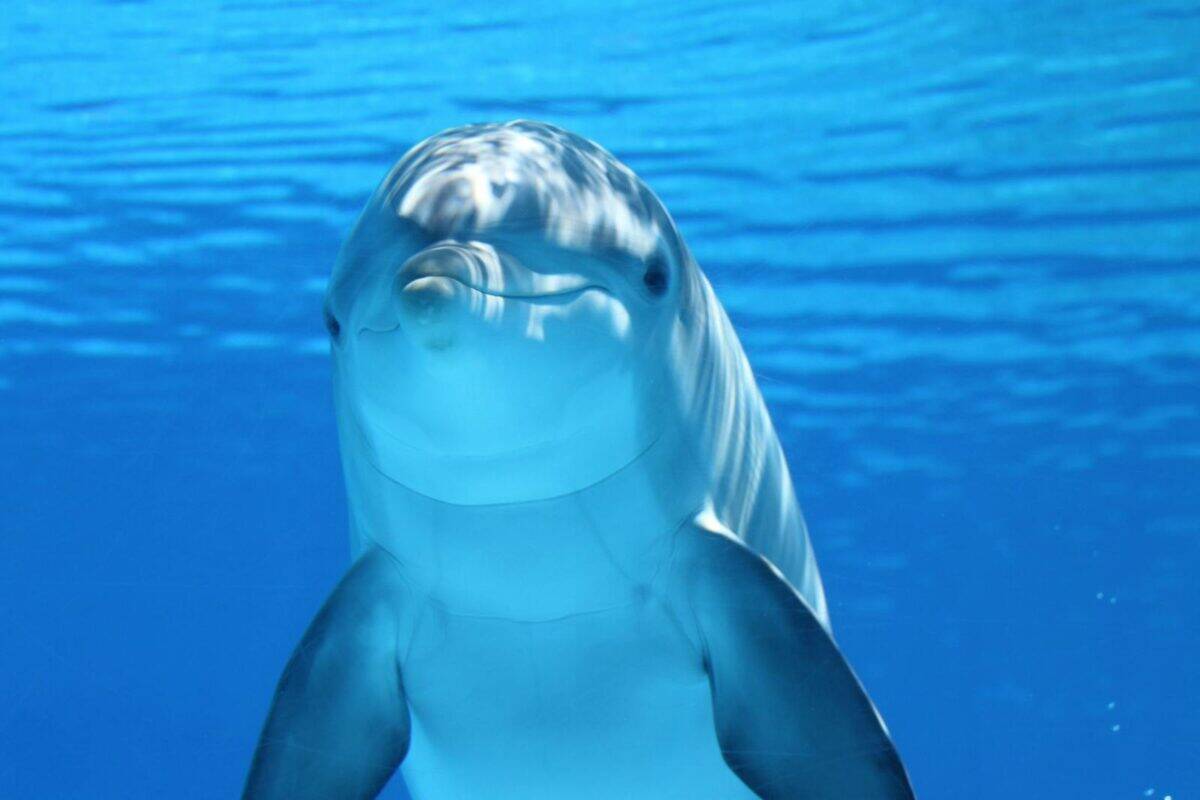
Interpretations of dolphins’ actions vary, sparking debate among scientists and the general public. While some argue these behaviors reflect genuine altruism, others view them as misinterpretations of natural dolphin behaviors, suggesting a cognitive bias where humans project their emotions onto wild animals.
Documented Research Studies

Research on dolphin behaviors continues to expand, with several studies documenting dolphins’ ability to display known altruistic behaviors, such as caring for injured individuals within pods. Although the motivations behind these actions remain speculative, continued research may provide clearer insights into their behavior with humans.
The Future of Dolphin-Human Interactions

As understanding and respect for these intelligent marine animals grow, they symbolize the deeper connections that can exist between humans and wildlife. The future of dolphin-human interactions remains hopeful, with scientific research promising to shed more light on the fascinating complexities of these underwater allies.
In summary, while dolphins possibly saving humans could be attributed to their inquisitive and empathetic nature, there is no definitive answer to whether these acts are intentional. The phenomena offer us a glimpse into the intricate world of dolphin behavior, urging us to preserve and respect the thriving marine ecosystems that foster such memorable exchanges between species.

- The Forgotten Lake Where Flamingos Nest in the U.S. - July 10, 2026
- This U.S. Forest Is Home to the Largest Herd of Wild Elk - July 10, 2026
- The Most Dangerous Lake in the World—And Why It Can Kill Instantly - July 10, 2026