

Cats have been surrounded by myths for centuries. Some of these beliefs have been passed down through generations, while others have spread through popular culture. Science has helped separate fact from fiction, revealing the truth about our feline companions.
Cats Always Land on Their Feet

Cats have a strong ability to right themselves when falling, but they are not immune to injury. If they fall from a great height or land awkwardly, they can suffer serious harm.
Black Cats Bring Bad Luck

The idea that black cats bring bad luck is based on old superstitions. In reality, black cats are just like any other cats, and in some cultures, they are even considered symbols of good fortune.
Cats Are Aloof and Unaffectionate

Cats may not always show affection in the same way as dogs, but they form strong bonds with their owners. Many cats enjoy cuddling, playing, and spending time with their human companions.
Cats Hate Water

While many cats dislike getting wet, some breeds, like the Maine Coon and Bengal, actually enjoy water. It often depends on early experiences and individual personality.
Milk is Good for Cats

Most adult cats are lactose intolerant, meaning they cannot properly digest milk. Giving them milk can lead to stomach discomfort and digestive issues.
Cats Can See in Complete Darkness
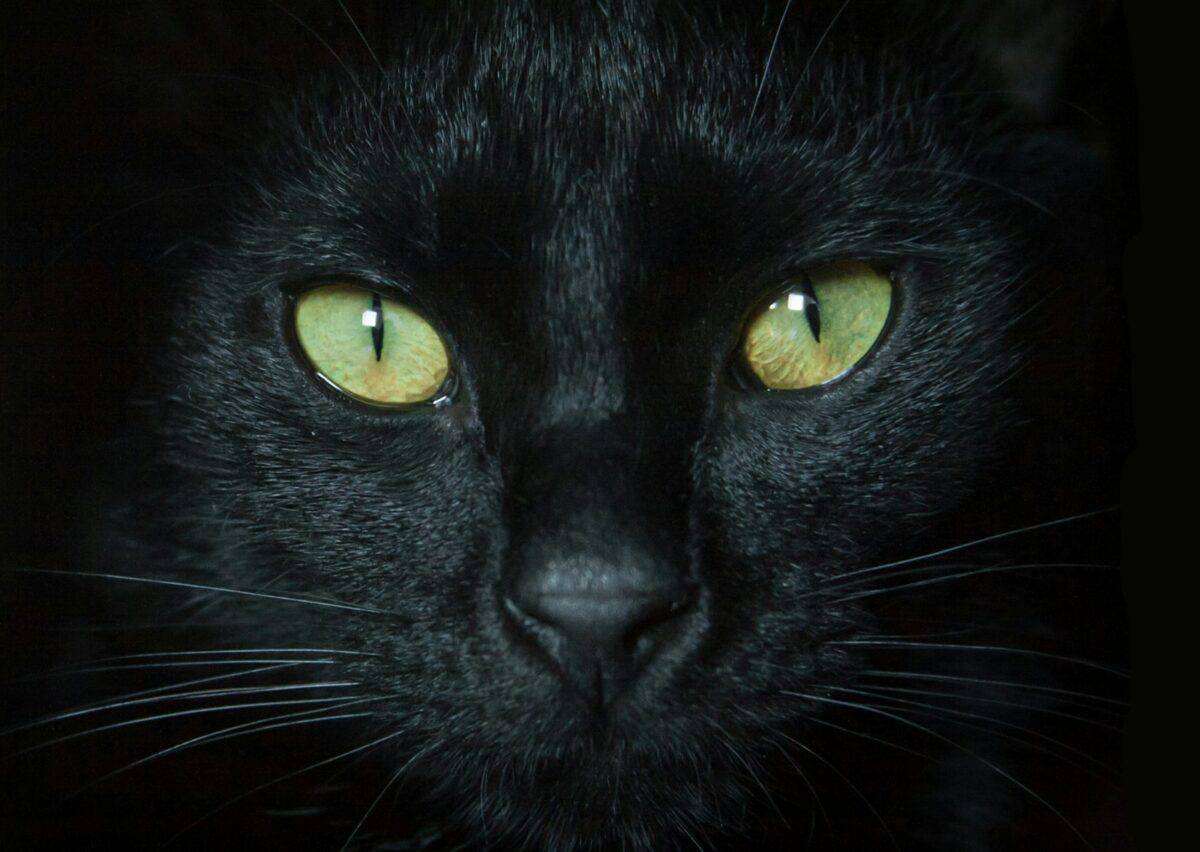
Cats have excellent night vision, but they still need some light to see. Their eyes are more sensitive to low light, allowing them to see better in dim conditions than humans.
Cats Are Nocturnal

Cats are actually crepuscular, meaning they are most active during dawn and dusk. Their natural hunting instincts make these times ideal for activity.
Cats Purr Only When Happy

Cats often purr when they are content, but they also purr when they are in pain, anxious, or trying to comfort themselves.
Declawing Is a Harmless Procedure

Declawing is a painful and unnecessary procedure that removes part of a cat’s toes. It can lead to long-term pain, behavioral changes, and mobility issues.
Cats Steal a Baby’s Breath

There is no evidence that cats pose a risk to sleeping babies. However, they may be drawn to the warmth of a crib, so it is best to keep a safe sleeping environment for infants.
Cats Are Solitary Animals

While cats can be independent, they are social creatures that enjoy companionship. Many cats thrive in homes with other pets or close human interaction.
Indoor Cats Do Not Need Exercise

Even if a cat stays indoors, it still needs mental and physical stimulation. Interactive toys, climbing structures, and playtime help keep indoor cats healthy and active.
Cats Have Nine Lives

The myth that cats have nine lives likely comes from their agility and survival instincts. However, they are just as vulnerable to danger as any other animal.
Cats Only Meow to Communicate With Each Other

Adult cats primarily use meowing to communicate with humans. They rarely meow at other cats, relying instead on body language and scent for feline interactions.
Pregnant Women Must Avoid Cats
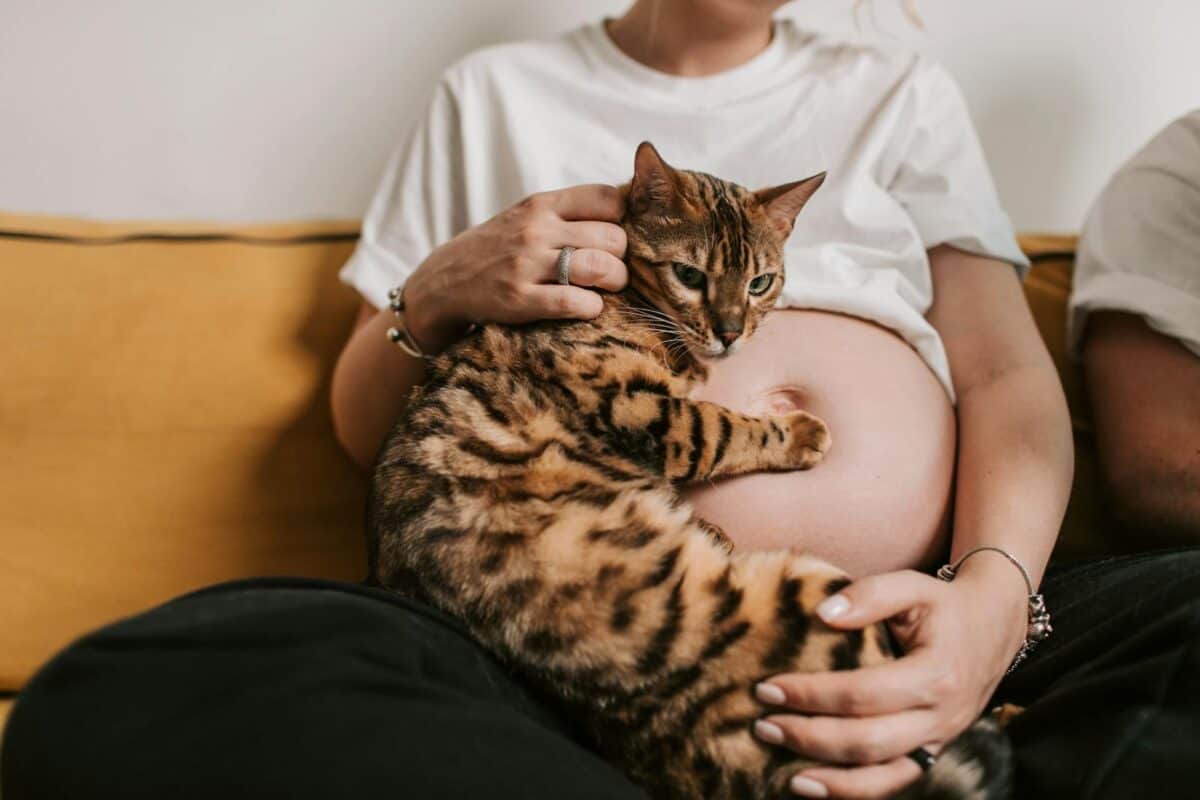
The concern comes from a parasite called Toxoplasma gondii, which can be found in cat feces. Pregnant women can safely live with cats if they practice good hygiene, such as having someone else clean the litter box or wearing gloves when doing so.
Spaying and Neutering Will Change a Cat’s Personality

Spaying and neutering do not negatively impact a cat’s personality. In fact, these procedures can reduce aggressive behaviors and prevent health issues, leading to a healthier and more balanced pet.
Conclusion

Many myths about cats have persisted over time, but science continues to provide clarity. Understanding the truth about cats helps us care for them better and appreciate them for the unique and fascinating animals they are.

- The Perfect Pet for Each Zodiac Sign - July 7, 2026
- The Wild Animal That Embodies Your Zodiac Sign’s Spirit - July 6, 2026
- 7 Steps to Planting Admirably Beautiful Bluebonnets - July 6, 2026