
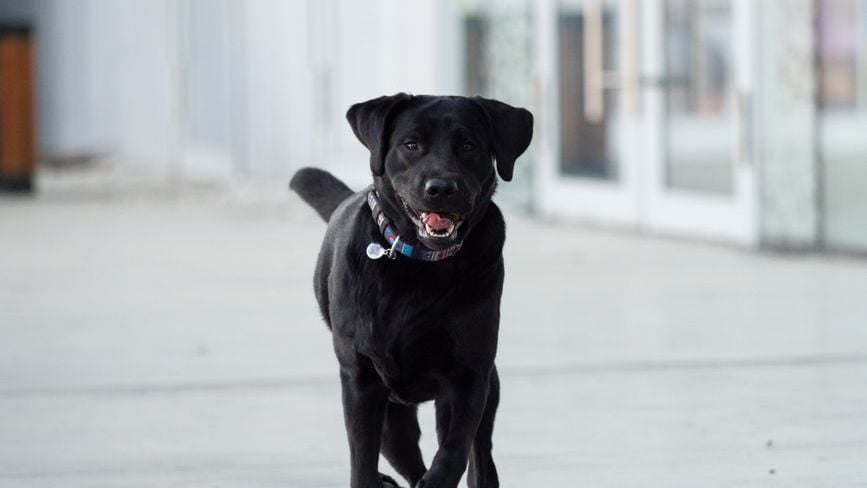
Most dog owners have seen it at least once. Their pet stands perfectly still, gaze fixed on an empty stretch of wall or corner, ears perked as though listening to a conversation no one else can hear. The behavior looks odd at first glance, yet it often stems from abilities that simply operate outside human range.
Rather than dismissing the moment as random or quirky, it helps to consider what a dog’s world actually contains. Their senses pick up layers of information that remain hidden to us, turning an ordinary room into a much richer environment.
Understanding a Dog’s Superior Senses

Dogs experience the world through sensory systems that evolved for survival long before they became household companions. Their noses contain up to 300 million scent receptors compared with the roughly six million found in humans. This difference allows them to detect trace odors that linger for days or even weeks after the source has disappeared.
Hearing works the same way. Dogs register frequencies well above the upper limit of human hearing, including high pitched sounds from electronics or distant wildlife. When a dog stares at a wall, it may simply be tracking one of these invisible signals that passes straight through ordinary barriers.
The Role of Acute Hearing

Many household appliances emit subtle ultrasonic tones that humans never notice. A dog can lock onto these frequencies and follow their source across a room. The wall itself becomes a focal point because sound travels through it differently than through open air.
Outside noises also play a part. Rodents moving inside insulation or birds settling on a roof ledge create vibrations that reach a dog’s ears long before any visible sign appears. The staring episode ends once the sound fades or moves elsewhere.
Powerful Olfactory Abilities

Scents cling to surfaces in ways people rarely appreciate. A dog can follow the path of a visitor who walked through the room hours earlier simply by reading residue left on baseboards or drywall. The wall holds the story even when the air has cleared.
Seasonal changes bring new layers. Pollen, moisture, or the faint musk of passing animals can settle on exterior walls and seep inward. A dog may spend several minutes mapping these gradients before losing interest and moving on.
Possible Visual or Other Cues
Some dogs notice tiny movements that escape human notice, such as the slow shift of shadows caused by passing clouds or the flicker of a distant screen reflection. Their eyes are tuned to detect motion more readily than detail, so a blank surface can suddenly become interesting.
Electromagnetic fields from wiring or devices may also register as faint visual or tactile sensations for certain dogs. Research into canine perception continues to explore these possibilities without reaching firm conclusions yet.
Behavioral Context in Dog Psychology
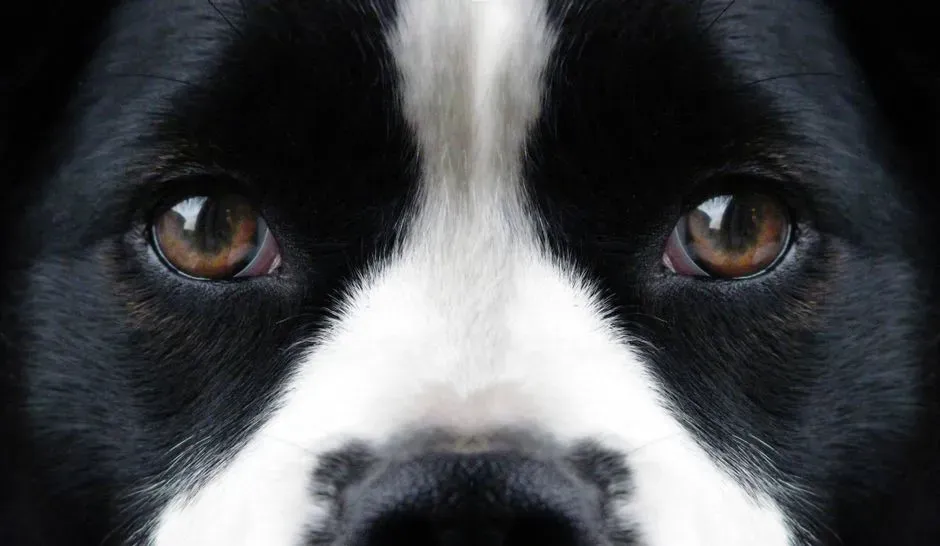
Staring fits into broader patterns of curiosity and information gathering that define canine behavior. Dogs constantly scan their surroundings for changes that might matter for safety or social connection. A wall fixation is often just one more data point in that ongoing survey.
Context matters. The same dog that stares at home may ignore similar surfaces on walks, suggesting the behavior ties to familiar territory where subtle differences stand out more clearly. Breed tendencies and individual temperament influence how often these moments occur.
Distinguishing Normal from Concerning Behavior
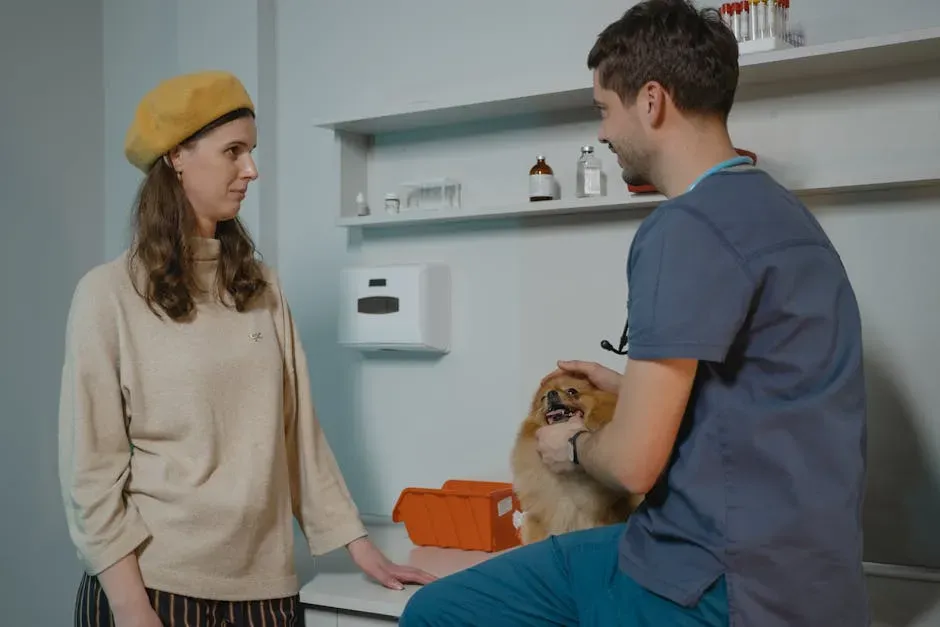
Occasional staring usually reflects normal sensory exploration rather than a problem. The dog remains responsive to its name, shows relaxed body language, and returns to regular activities afterward. These signs point to harmless investigation.
Persistent staring paired with other changes, such as disorientation or loss of appetite, warrants a veterinary check. Medical issues like vision changes or neurological conditions can produce similar symptoms, so professional evaluation helps separate ordinary perception from health concerns.
Embracing Your Dog’s Unique Perceptions
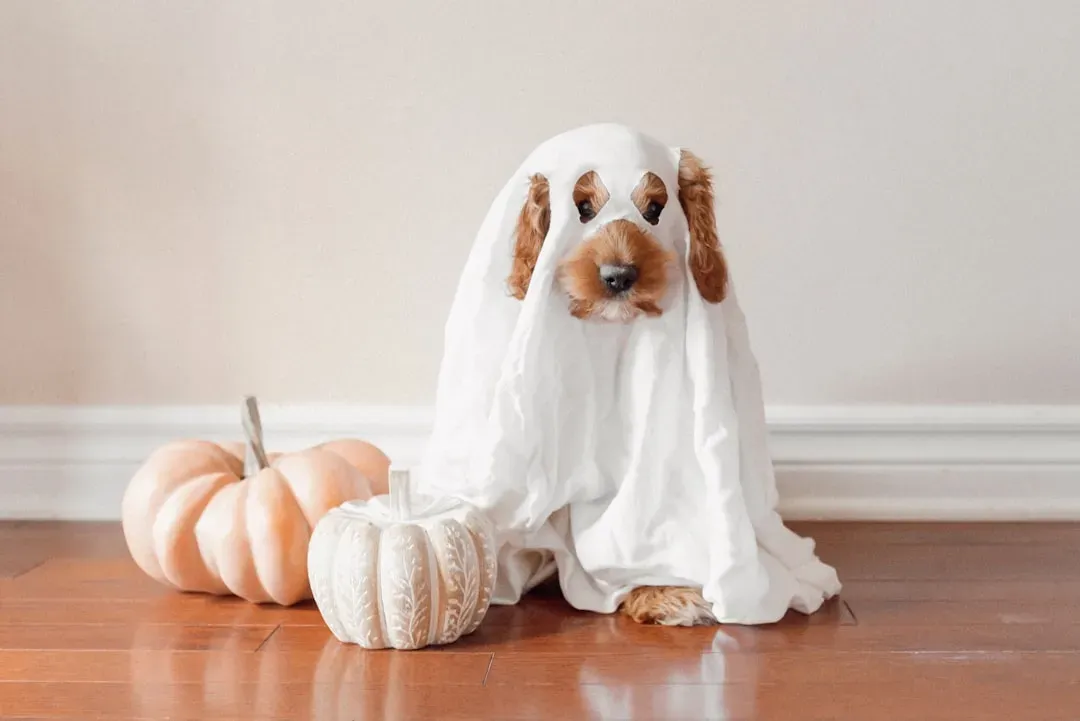
Living with a dog means accepting that their reality includes details we will never access directly. Instead of redirecting every stare, many owners learn to pause and observe alongside their pet. The shared moment can strengthen the quiet bond that already exists between species.
Respecting these differences encourages a more patient approach to training and daily life. A dog that pauses to investigate an unseen signal is not misbehaving. It is simply using tools we do not possess, and that perspective makes the ordinary rooms we share feel a little larger.

- 8 Ways Bobcats Move Through Suburbs Without Being Seen - August 9, 2026
- 7 Reasons Black Bears Return to the Same Food Source - August 9, 2026
- Animal Cognition Says Horses Remember People Who Treated Them Well and Those Who Did Not - August 9, 2026