

Worried about unexpected vet bills?
Pet insurance can cover thousands in unexpected vet costs. Get a free quote from Lemonade in under 2 minutes.
Get My Free Quote →Sponsored · Opens Lemonade.com
Have you ever felt like your dog just gets you? That uncanny moment when you’re feeling down and they quietly rest their head on your lap, or when you’re happy and they’re bouncing with joy right alongside you? Let’s be real, most of us believe our dogs are emotional mind readers. Recent studies have confirmed what dog lovers have suspected all along: our four-legged companions possess an extraordinary ability to decode human emotions.
This isn’t just about recognizing a few basic cues. We’re talking about a sophisticated understanding that bridges the gap between two completely different species. The science behind this emotional connection is nothing short of remarkable.
The Science Behind Their Emotional Intelligence
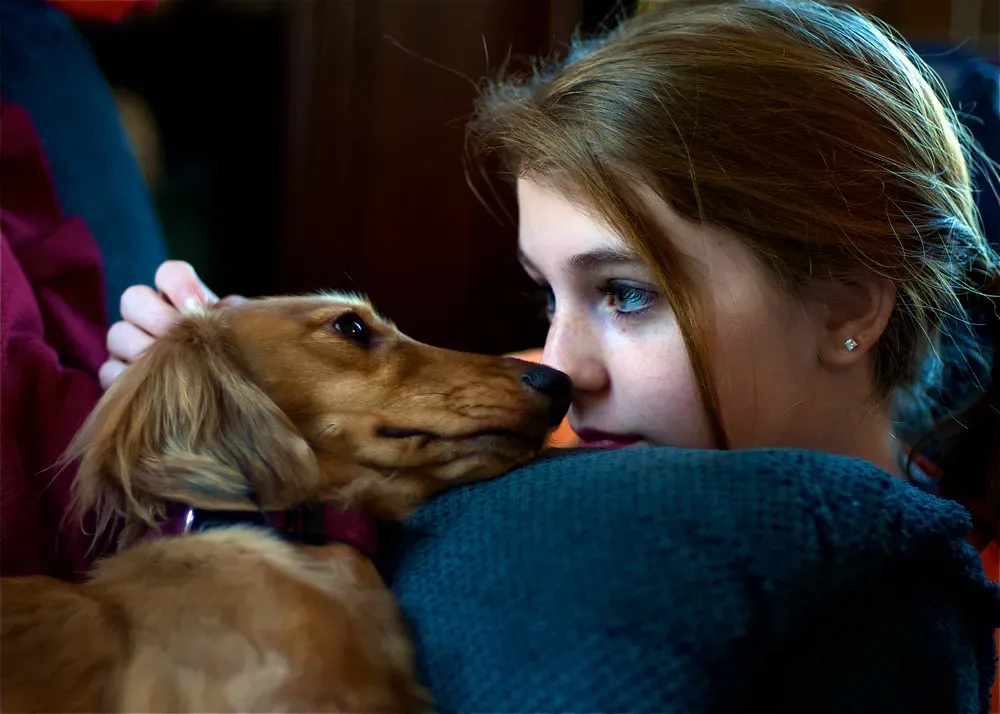
Dogs can recognize emotions in humans by combining information from different senses, an ability that has never previously been observed outside of humans. They form abstract mental representations of positive and negative emotional states, and are not simply displaying learned behaviours when responding to the expressions of people and other dogs.
Researchers with the DogStudies research group at the Max Planck Institute of Geoanthropology tested 77 dog-owner pairs in a two-session experiment. What they discovered was fascinating. Dogs spent significantly longer looking at the facial expressions which matched the emotional state of the vocalisation, for both human and canine subjects. The integration of different types of sensory information in this way indicates that dogs have mental representations of positive and negative emotional states of others.
Think about what this actually means. Your dog isn’t just reacting to a raised voice or a frown. They’re piecing together visual and auditory information, processing it, and forming a genuine understanding of your emotional state. It’s cognitive ability at work, not mere instinct.
They Read Faces Better Than We Read Theirs

Here’s where things get really interesting. Several studies have shown that dogs are remarkably good at recognizing human emotional expressions. Where our comprehension of dogs’ emotions is so weak, their understanding of us is remarkably strong.
Dogs have a dedicated region of the brain for processing human faces, which helps explain their exquisite sensitivity to human social cues. This is huge. Evolution or domestication has literally wired their brains to focus on us. Research demonstrates that dogs differentiate between happy and angry human faces, and that dogs find angry faces to be aversive. Dogs engaged in mouth-licking in response to angry expressions.
Dogs have learned to monitor physical actions very closely, since only about ten percent of what humans communicate is actually verbal. Non-verbal posture, gestures, body carriage, and facial expressions communicate roughly ninety percent of what we have to say. So your furry friend is basically a walking emotion detector, constantly scanning your every move, every facial twitch, every shift in body language.
The Ironic Twist: We’re Not As Good At Reading Them

Now here’s the kicker. While dogs are emotional savants when it comes to understanding us, we’re surprisingly terrible at reading them. New research has revealed that people often do not perceive the true meaning of their pet’s emotions and can misread their dog. The reasons for this include a human misunderstanding of dog expressions due to a bias towards projecting human emotions onto our pets.
Humans typically do not have a good understanding of the emotional state of their dog because they judge the dog’s emotions according to the context of the event they witness. People do not look at what the dog is doing, instead they look at the situation surrounding the dog and base their emotional perception off of that.
Honestly, this is a bit embarrassing for us humans. We assume we know what our dogs are feeling, yet we’re often completely wrong. We see a tail wag and assume happiness, but dogs’ wagging tails show their emotional state not simply by how much they wag them but also by the side of the body they wag their tails toward. Most of us miss these subtle signals entirely.
What This Means For Your Relationship With Your Dog
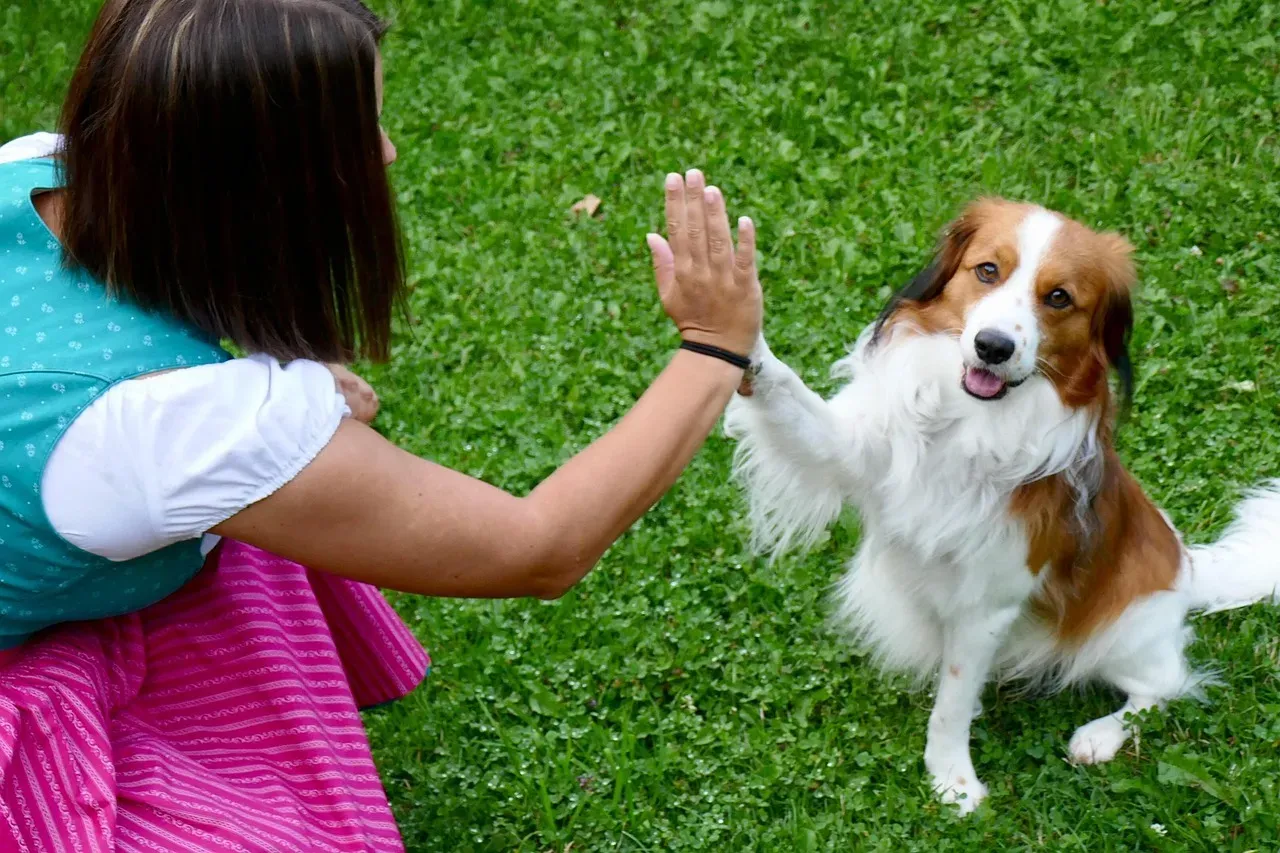
Understanding that your dog can read you with startling accuracy should change how you interact with them. Dogs depend on us for the basics of life, food, and shelter, so they monitor our every move. They know when we are rushed or relaxed, happy, or mad, focused or available for play time. They are wise creatures that realize our moods affect them.
Your emotional state isn’t just your business anymore when you live with a dog. They’re absorbing everything, processing your stress, your joy, your frustration. Dogs don’t just observe your emotions; they can “catch” them too. Researchers call this emotional contagion, a basic form of empathy where one individual mirrors another’s emotional state. Some dog-human pairs had synchronised cardiac patterns during stressful times, with their heartbeats mirroring each other.
This means when you come home stressed from work, your dog feels it. When you’re genuinely happy, they sense that too. Every dog’s personality, and thus her emotional expressions, are unique to that dog. Really pay attention to your own dog’s cues and behaviors. The relationship goes both ways, even if we’re not as skilled at the reading part.
Practical Ways To Strengthen This Emotional Bond

Knowing that dogs possess this remarkable ability to understand our emotions gives us a roadmap for better communication. Taking an extra second or two to focus on your dog’s behaviors, knowing that you need to overcome a bias to view the situation around the dog rather than the dog himself, can go a long way in getting a true read on your own dog’s emotional state, leading to a stronger bond between the two of you.
Be mindful of your facial expressions around your dog. They’re watching closely. Dogs produced far more facial expressions when a human was watching than when a human was not. They know you’re paying attention, and they respond accordingly. Create calm, positive environments when possible. Your dog is picking up on everything from your breathing patterns to your posture.
By recognizing these biases, pet owners can work to pay closer attention to their dogs’ behavior and cues, leading to a better understanding and stronger bond with their pets. Recognizing these biases can help pet owners focus on behavioral cues rather than assumptions. Stop assuming you know what they’re feeling based on context alone. Actually look at your dog. Watch their body language, their ears, their eyes, their tail position.
Conclusion
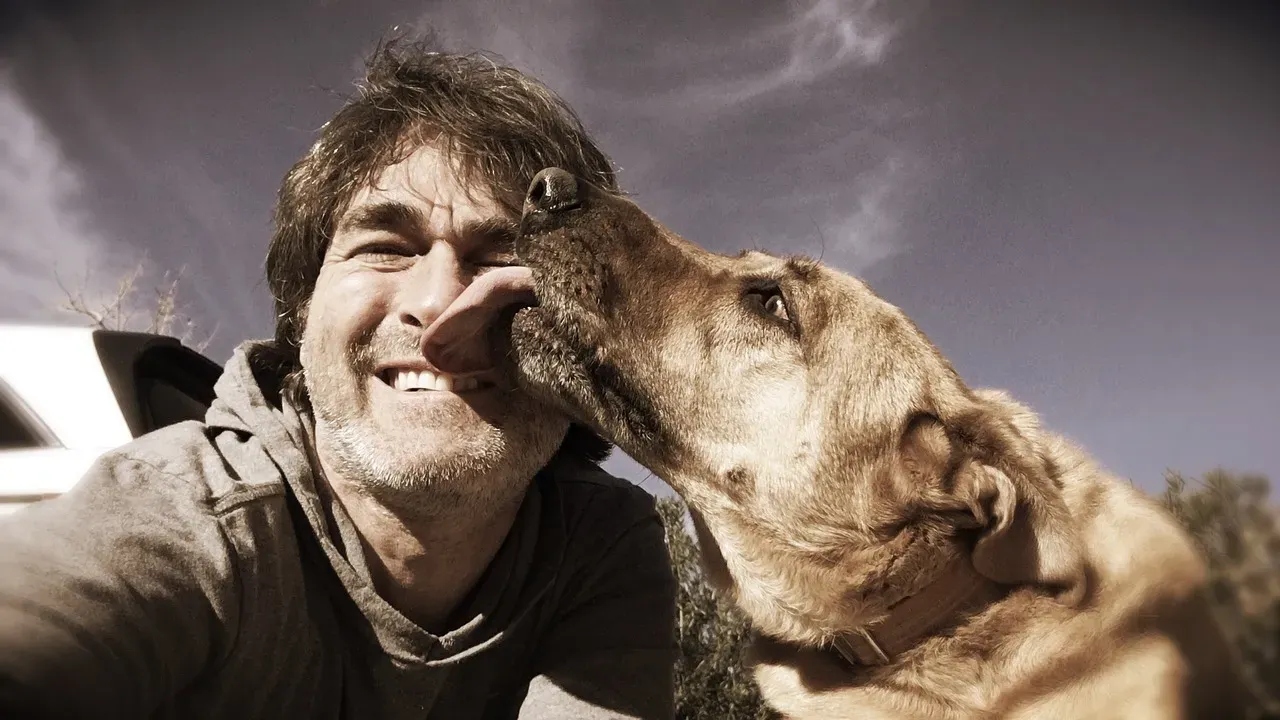
The scientific evidence is clear and honestly quite beautiful. Dogs have evolved an extraordinary capacity to understand human emotions, combining visual cues, sounds, and context into a sophisticated emotional intelligence that rivals our own ability to read each other. They’ve become masters at decoding the emotional lives of an entirely different species.
Meanwhile, we’re still learning to understand theirs. The relationship between humans and dogs represents one of nature’s most remarkable partnerships, built on thousands of years of coevolution and emotional attunement. Your dog truly does understand you in ways that might surprise even the most devoted pet parent.
So the next time your dog seems to know exactly what you’re feeling, trust that instinct. They probably do know. The real question is, are you paying enough attention to understand what they’re trying to tell you in return? What subtle signals might you be missing from your own best friend?
Worried about unexpected vet bills?
Pet insurance can cover thousands in unexpected vet costs. Get a free quote from Lemonade in under 2 minutes.
Get My Free Quote →Sponsored · Opens Lemonade.com
