


The ancient Greeks knew something we’re only beginning to understand today – dolphins are extraordinary creatures capable of remarkable acts of compassion and heroism. Long before modern marine biology revealed their intelligence and social complexity, Mediterranean sailors and coastal communities were spinning tales of these graceful mammals rescuing drowning humans from the merciless sea. These weren’t just random stories told around flickering fires; they were carefully preserved myths that reflected a deep cultural understanding of the dolphin’s benevolent nature.
What makes these ancient tales even more fascinating is how they mirror documented modern-day dolphin rescues. From the mythical Arion riding a dolphin to safety, to contemporary accounts of dolphins forming protective circles around struggling swimmers, the pattern remains remarkably consistent. The Greeks didn’t just see dolphins as fish – they recognized them as sacred beings with an almost supernatural ability to sense human distress and respond with life-saving intervention.
The Sacred Bond Between Dolphins and Apollo

In Greek mythology, dolphins held a special place as the sacred animals of Apollo, the god of music, poetry, and prophecy. This connection wasn’t arbitrary – the Greeks observed that dolphins seemed to possess an almost divine intelligence and musical sensibility. Ancient texts describe how dolphins would gather around ships when sailors sang, appearing to dance and leap in rhythm with the melodies.
The myth tells us that Apollo himself transformed into a dolphin to guide Cretan sailors to Delphi, where they would establish his famous oracle. This transformation wasn’t just symbolic; it represented the Greeks’ belief that dolphins served as divine messengers and guides between the mortal and immortal realms. The very name “Delphi” is believed to derive from “delphis,” the Greek word for dolphin.
Arion and the Music-Loving Dolphin
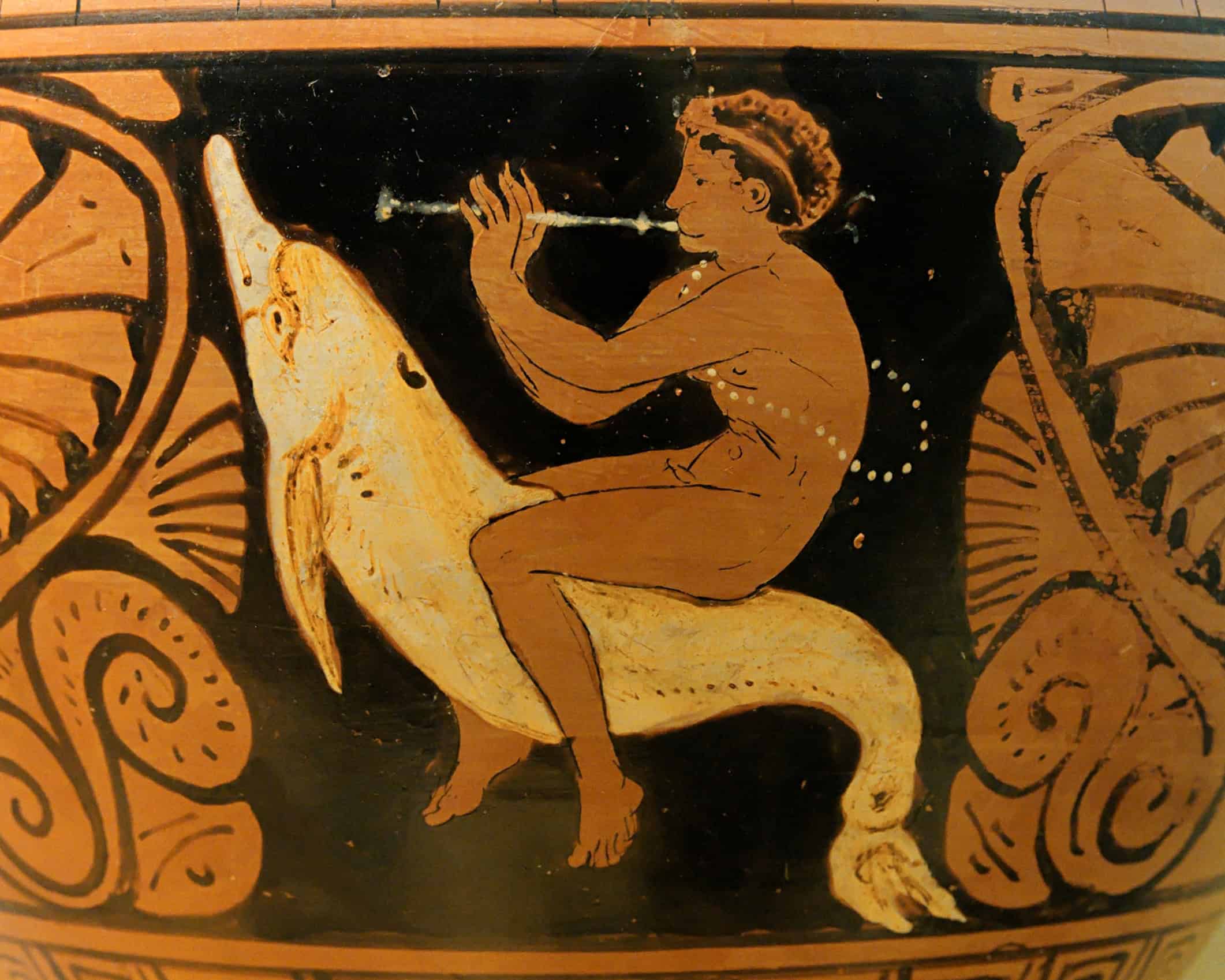
Perhaps no Greek myth captures the dolphin’s rescue instinct better than the story of Arion, the legendary musician from the island of Lesbos. When pirates threatened to kill him for his gold, Arion requested one final song. His haunting melody attracted a pod of dolphins to the ship, and when he leaped overboard to escape the murderous crew, a dolphin caught him on its back and carried him safely to shore.
This tale wasn’t just entertainment – it reflected the Greeks’ observation that dolphins were drawn to music and human voices. Modern research has confirmed that dolphins are indeed attracted to certain frequencies and rhythms, suggesting the ancients were remarkably perceptive about cetacean behavior. The story of Arion became so influential that it was commemorated on coins and artwork throughout the ancient world.
Poseidon’s Messengers of Mercy
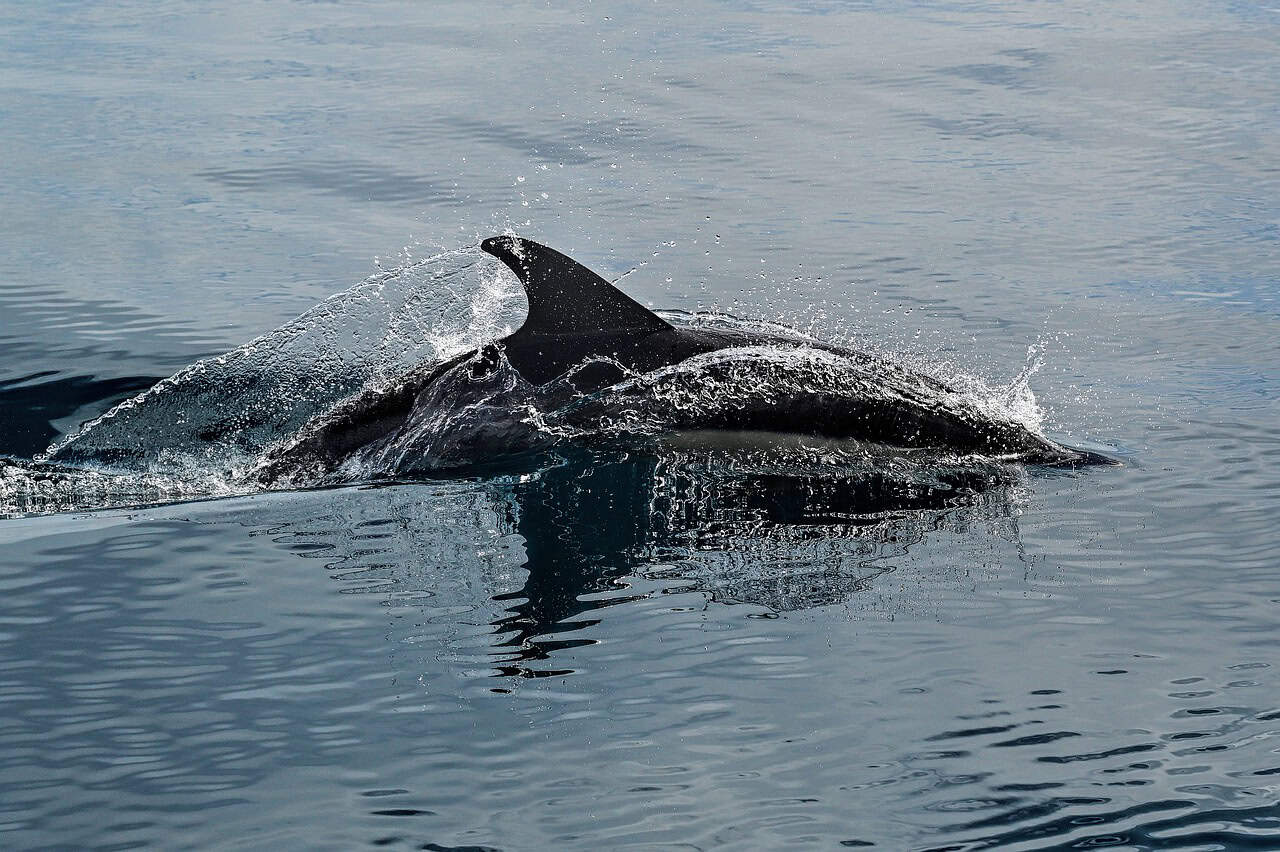
As creatures of the sea, dolphins were naturally associated with Poseidon, the powerful god of the ocean. Greek mythology portrayed them as Poseidon’s special messengers, capable of calming storms and guiding lost ships to safety. Unlike other sea creatures that sailors feared, dolphins were seen as benevolent guardians who would intervene when humans faced maritime disasters.
The myths describe dolphins as having the ability to sense impending shipwrecks and storms, often appearing to warn sailors of danger. This supernatural foresight was likely based on real observations of dolphin behavior before weather changes. Ancient Greek sailors learned to watch for dolphin activity as a natural weather forecasting system, trusting these intelligent mammals to guide them through treacherous waters.
The Rescue of Telemachus
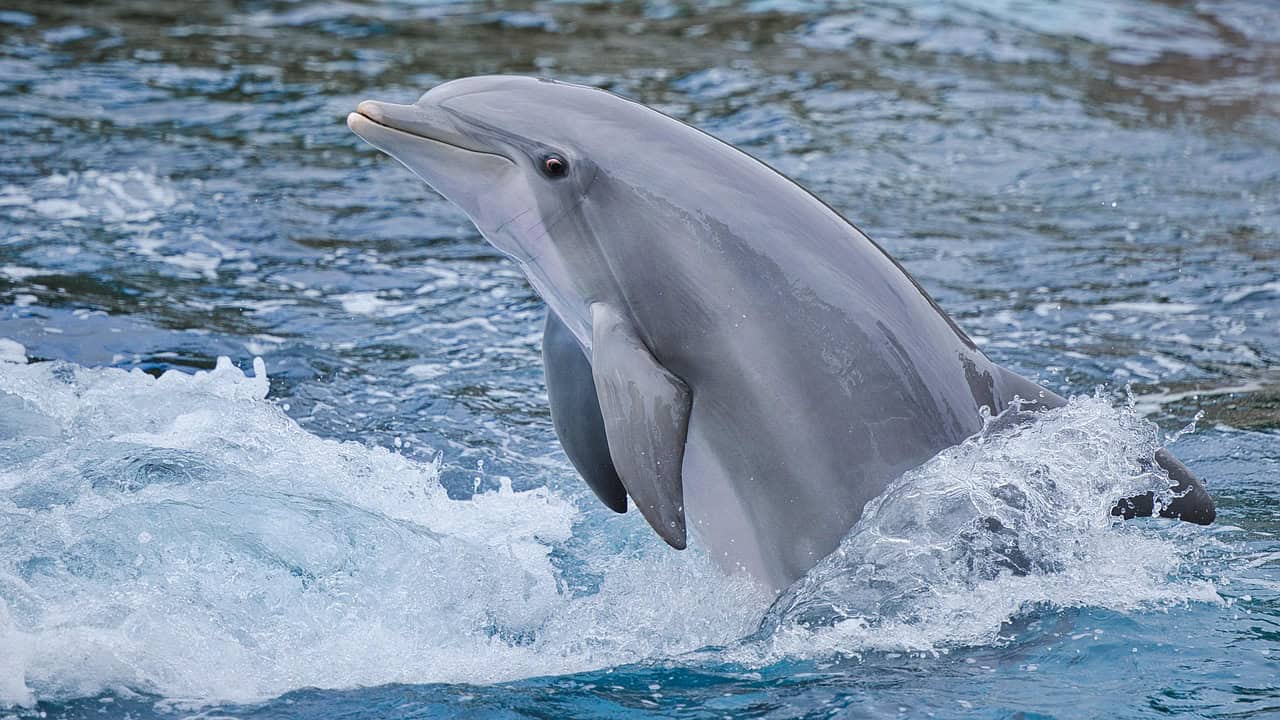
In Homer’s epic tales, dolphins play crucial supporting roles in several rescue scenarios. One lesser-known myth tells of young Telemachus, Odysseus’s son, who fell overboard during a storm while searching for his father. A dolphin appeared immediately, supporting the boy on its back and swimming him to the nearest island where he could recover and continue his journey.
This story exemplifies the Greek belief that dolphins possessed an almost parental instinct toward humans in distress. The myth suggests that dolphins could distinguish between accidental drowning and intentional swimming, responding only when genuine help was needed. Archaeological evidence from ancient Greek pottery shows numerous depictions of dolphins rescuing human figures, indicating this wasn’t an isolated tale but part of a broader cultural narrative.
The Dolphin-Riding Dionysus
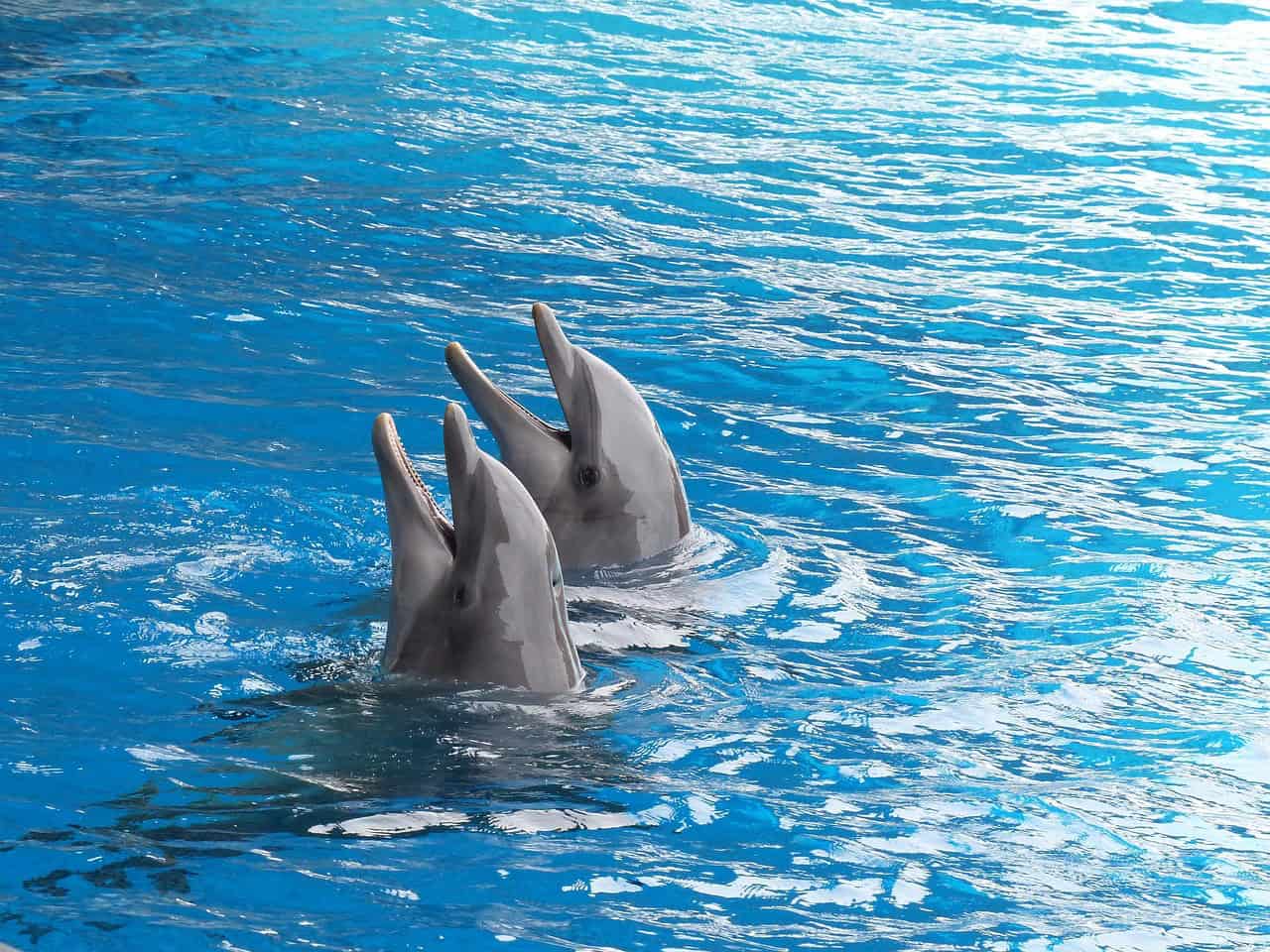
The wine god Dionysus features in several dolphin rescue myths, most notably when Tyrrhenian pirates attempted to kidnap him. After revealing his divine nature and driving the pirates mad, Dionysus transformed them into dolphins – but not as punishment. Instead, he gave them the noble purpose of rescuing drowning sailors, turning their criminal nature into one of salvation and mercy.
This transformation myth reveals the Greek understanding that dolphins possessed qualities of redemption and second chances. The story suggests that even those who had committed terrible crimes could find purpose in protecting and saving others. Modern marine biologists have documented instances of dolphins protecting humans from shark attacks, behavior that eerily mirrors these ancient tales of divine intervention.
The Sanctuary of Dolphin Rescuers

Ancient Greeks established temples and sanctuaries dedicated to dolphins, particularly in coastal cities where fishing communities depended on the sea for survival. These sacred spaces weren’t just places of worship – they served as repositories for rescue stories and testimonials from sailors who claimed to have been saved by dolphins. The Temple of Poseidon at Sounion contained numerous votive offerings from grateful survivors.
Archaeological excavations have uncovered dolphin-themed artwork and sculptures from these sanctuaries, many depicting the animals in the act of rescue. These weren’t abstract representations but detailed scenes showing dolphins supporting human figures above water, suggesting the myths were based on actual witnessed events. The consistency of these depictions across different regions indicates a widespread cultural belief in dolphin heroism.
The Prophetic Powers of Rescue Dolphins

Greek mythology endowed dolphins with prophetic abilities, particularly the power to foresee maritime disasters and position themselves to help. The Oracle at Delphi, sacred to Apollo and symbolically connected to dolphins, was said to receive visions of future sea rescues. Priests would interpret these visions and warn sailors of potential dangers, always emphasizing that dolphins would be their salvation if disaster struck.
This prophetic aspect of dolphin mythology reflects the Greeks’ sophisticated understanding of animal behavior and natural patterns. They recognized that dolphins often appeared before storms or in areas where currents created dangerous conditions. By attributing supernatural foresight to these appearances, they created a mythological framework that encouraged respect for dolphin intelligence and maritime wisdom.
The Healing Touch of Dolphins

Beyond physical rescue, Greek myths attributed healing powers to dolphins, particularly for those suffering from drowning trauma or exposure. Stories tell of survivors who were not only saved from drowning but also healed of their injuries through contact with these benevolent creatures. The dolphin’s touch was said to restore breath to the nearly drowned and warmth to those chilled by icy waters.
This healing mythology may have originated from observations of dolphins’ gentle handling of humans in distress. Modern research has revealed that dolphins can detect human heartbeats and breathing patterns through echolocation, potentially allowing them to assess the medical condition of someone they’re rescuing. The Greeks’ attribution of healing powers to dolphins demonstrates their intuitive understanding of these animals’ remarkable sensory capabilities.
The Dolphin Constellation and Celestial Guidance

The Greeks immortalized their dolphin rescue myths in the stars, creating the constellation Delphinus to honor these marine saviors. This small but distinctive constellation was said to guide lost sailors home, serving as a celestial reminder of the dolphins’ protective presence. Ancient navigators would look for Delphinus during storms, believing it would lead them to safety just as dolphins did in the myths.
The constellation’s placement near Aquarius and Pegasus in the night sky created a mythological narrative of water-based rescue and divine intervention. Star maps from ancient Greece show Delphinus positioned to guide travelers across dangerous waters, reinforcing the cultural belief that dolphins served as bridges between the earthly and divine realms. This celestial connection elevated dolphin rescue stories from mere folklore to cosmic truth.
The Amphitrite Connection

Amphitrite, queen of the sea and wife of Poseidon, was said to have been courted by the sea god with the help of a dolphin messenger. This dolphin not only delivered Poseidon’s proposal but also convinced the reluctant sea nymph to accept, essentially rescuing the god from romantic despair. As a reward, the dolphin was placed among the stars and given dominion over sea rescues.
This myth established dolphins as mediators and problem-solvers, capable of resolving conflicts and bringing harmony to chaotic situations. The story suggests that dolphins possessed diplomatic skills and emotional intelligence, qualities that made them ideal rescue animals. Archaeological evidence from ancient Greek wedding ceremonies shows dolphin imagery used to symbolize successful unions and peaceful resolutions.
The Tears of Thetis

When the sea nymph Thetis wept for her son Achilles during the Trojan War, her tears were said to have been caught by dolphins who used them to heal wounded sailors. This myth connected dolphin rescues to divine compassion and maternal protection, suggesting that these animals channeled the nurturing power of sea goddesses. The tears became a mythical substance that could revive the drowning and comfort the traumatized.
The story reflects the Greek understanding that dolphins demonstrated maternal behaviors toward humans in distress, often staying with rescued individuals until they reached safety. Modern observations of dolphin pod behavior show similar protective instincts, with adult dolphins forming protective circles around injured or vulnerable members. This maternal mythology provided a framework for understanding why dolphins would risk their own safety to help humans.
The Dolphin Schools of Heroism

Greek mythology described underwater schools where older dolphins taught younger ones the art of human rescue. These mythical academies were said to be located in sacred grottos where dolphins would practice their life-saving techniques and learn to recognize human distress signals. The myths portrayed this as a formalized education system, with dolphin elders passing down rescue knowledge through generations.
This educational mythology reflected the Greeks’ observation that dolphin rescue behavior appeared to be learned and refined over time. Young dolphins were often seen accompanying adults during rescue operations, suggesting a teaching and learning process. The concept of dolphin schools dedicated to heroism elevated these animals from instinctive helpers to conscious guardians of human life.
The Sacred Groves of Dolphin Worship
Coastal communities throughout ancient Greece maintained sacred groves where dolphins were honored as divine rescuers. These natural sanctuaries, often located near dangerous coastlines, served as gathering places for rescue testimonials and offerings of gratitude. The groves were considered neutral territory where even enemies could meet safely under the protection of dolphin spirits.
Archaeological evidence suggests these groves were carefully maintained and featured pools where dolphins could supposedly communicate with priests and priestesses. The mythology surrounding these sacred spaces emphasized the dolphins’ role as mediators between human and divine realms. Festivals held in these groves celebrated specific rescue events and reinforced the cultural importance of dolphin protection.
The Dolphin-Guided Colonization

Greek expansion across the Mediterranean was often attributed to dolphin guidance, with myths describing how these animals led colonists to safe harbors and fertile lands. The founding of cities like Taras (modern Tarentum) was said to have been guided by dolphins who showed settlers the best landing spots and warned them of dangerous currents. These colonial myths established dolphins as partners in Greek civilization’s expansion.
The mythology of dolphin-guided colonization reflected the practical reality that dolphins often indicated safe fishing grounds and navigable waters. Colonists would follow dolphin pods to locate suitable settlements, using their behavior as an indicator of marine resources and coastal safety. This symbiotic relationship between humans and dolphins became a fundamental aspect of Greek maritime culture.
The Transformation of Enemies into Protectors

Several Greek myths describe how dolphins were once human enemies who were transformed into marine protectors as divine punishment that became divine purpose. Pirates, sea raiders, and other maritime criminals were changed into dolphins and compelled to spend eternity rescuing the very people they once threatened. This transformation mythology provided a moral framework for understanding dolphin behavior.
The theme of redemption through service resonated strongly with Greek concepts of justice and rehabilitation. These myths suggested that even the most hardened criminals could find purpose in protecting others, with dolphins serving as examples of successful moral transformation. The stories reinforced the belief that rescue work was a form of spiritual purification and divine service.
The Dolphin Funeral Rites
When dolphins died after performing rescues, Greek mythology described elaborate funeral rites conducted by sea gods and goddesses. These ceremonies were said to transform the deceased dolphins into guardian spirits who continued their protective work from the afterlife. The myths portrayed death in service of rescue as the highest honor a dolphin could achieve, guaranteeing eternal reverence and supernatural powers.
This funeral mythology reflected the Greeks’ deep respect for dolphins who risked their lives to save humans. Archaeological evidence from ancient Greek cemeteries shows dolphin symbols on tombs of sailors, suggesting these animals were believed to guide souls safely to the afterlife. The connection between dolphin rescue and spiritual protection created a powerful cultural narrative about sacrifice and heroism.
The Seasonal Patterns of Dolphin Rescues

Greek mythology recognized that dolphin rescues followed seasonal patterns, with different types of salvation occurring at specific times of year. Spring rescues were associated with new life and renewal, while winter rescues were seen as acts of supreme courage against harsh conditions. These seasonal myths helped sailors predict when dolphins would be most active and responsive to human distress.
The mythology of seasonal rescue patterns was based on careful observation of dolphin migration and behavior cycles. Ancient Greeks noted that dolphins were more likely to approach human settlements during certain months, correlating with fishing seasons and weather patterns. This knowledge was incorporated into religious calendars and maritime planning, demonstrating the practical application of mythological understanding.
The Dolphin Warrior Protectors

In times of naval warfare, Greek myths described dolphins as active participants in battle, rescuing sailors from both sides and preventing unnecessary drowning deaths. These dolphin warriors were said to distinguish between combatants and non-combatants, focusing their rescue efforts on those who posed no threat to innocent life. The mythology portrayed dolphins as advocates for humanitarian principles even in warfare.
This warrior mythology reflected the Greeks’ belief that dolphins possessed moral judgment and could assess human character during rescue operations. Stories describe dolphins refusing to save cruel or evil individuals while prioritizing the innocent and virtuous. This selective rescue behavior was seen as evidence of dolphins’ connection to divine justice and their role as moral guardians of the sea.
The Legacy of Dolphin Mythology in Modern Times

The influence of Greek dolphin rescue myths extends far beyond ancient times, shaping modern attitudes toward marine mammal conservation and human-dolphin interactions. Contemporary rescue organizations often invoke these ancient stories to illustrate the historical bond between humans and dolphins. Marine parks and aquariums use Greek mythology to educate visitors about dolphin intelligence and the importance of protecting these remarkable animals.
Scientific research into dolphin behavior has validated many aspects of Greek mythology, confirming that dolphins do indeed rescue humans and demonstrate complex social behaviors. Modern documented cases of dolphin rescues mirror the ancient myths in surprising detail, suggesting the Greeks were remarkably accurate observers of natural phenomena. This convergence of mythology and science continues to inspire new research into dolphin cognition and behavior.
Conclusion
The ancient Greeks understood something profound about dolphins that modern science is only beginning to fully appreciate. These weren’t just stories told to entertain sailors during long voyages – they were cultural testimonies to the remarkable intelligence, compassion, and heroism of one of the ocean’s most extraordinary inhabitants. From Arion’s musical rescue to the sacred groves where dolphins were worshipped as divine saviors, these myths created a framework for understanding the special bond between humans and dolphins that continues to this day.
What makes these ancient tales even more remarkable is how they anticipated modern discoveries about dolphin behavior, intelligence, and social complexity. The Greeks recognized that dolphins possessed qualities we now associate with higher consciousness – empathy, moral judgment, and the ability to make life-or-death decisions that prioritize the welfare of others. Have you ever wondered what other secrets about animal intelligence our ancestors might have preserved in their myths?

- The Animals That Inspired Mythical Creatures in Movies - August 2, 2026
- Why Orcas Teach Their Young to Beach Themselves While Hunting - July 31, 2026
- How Raccoons Use Their Tiny Hands to Explore - July 31, 2026