

Ever wondered what goes through the mind of a dolphin as it glides effortlessly through the ocean waves? There’s a good chance it’s thinking about far more than just its next meal. These sleek marine mammals have captivated scientists and ocean lovers alike for decades, not merely because of their playful demeanor, but because of something far more profound. The more we study them, the clearer it becomes that dolphins aren’t just clever creatures – they’re genuine contenders in the animal intelligence arena.
What makes this especially fascinating is how their intelligence evolved in a completely different environment from ours. While developed their smarts swinging through trees and navigating complex social hierarchies on land, dolphins did something remarkably similar beneath the waves. Let’s explore what makes these aquatic beings so extraordinarily intelligent and why comparing them to isn’t as far-fetched as it might initially seem.
Brain Size That Rivals Our Own
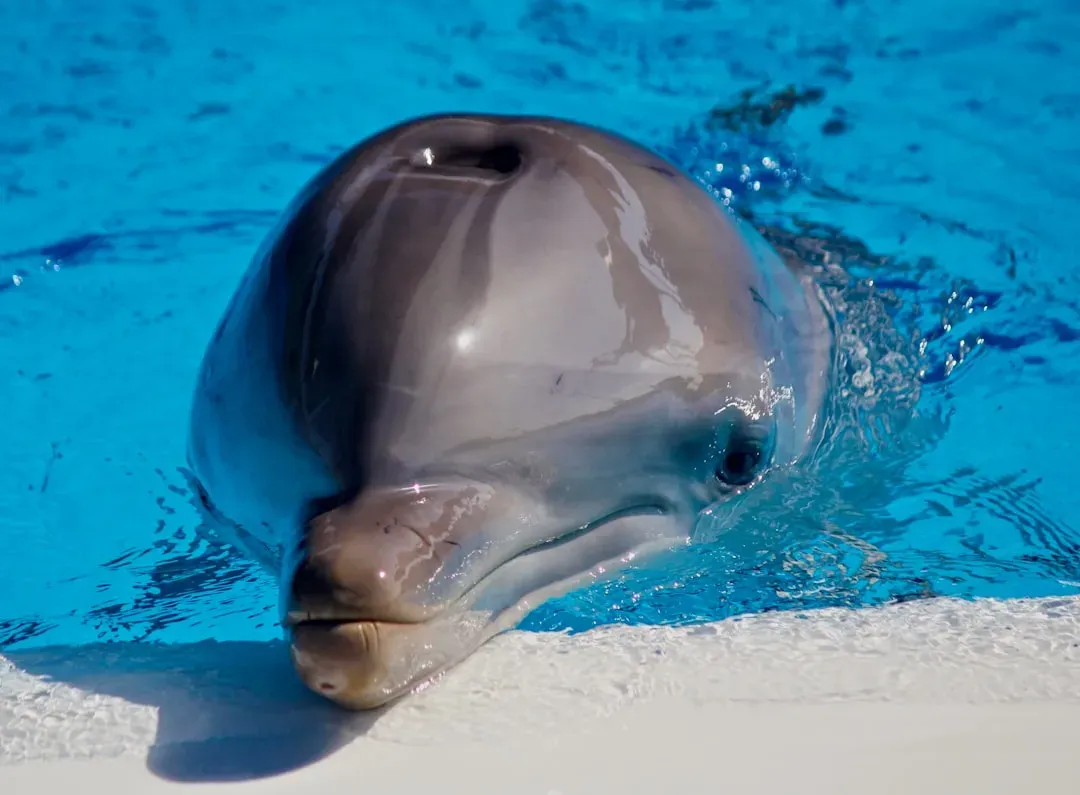
Bottlenose dolphin brains weigh approximately 1600 grams, making dolphins second only to humans in brain-to-body weight ratio. That’s honestly quite staggering when you think about it. Their brains are roughly four or five times larger than would be expected for their body size when compared to another animal of similar dimensions.
Scientists use something called the encephalization quotient, or EQ, to measure intelligence potential across species. Many dolphins possess EQs in the four to five range, tantalizingly close to the modern human level and significantly higher than all other animals. Here’s the thing though – size isn’t everything.
The neocortical folding of the cerebral cortex in dolphins actually surpasses that of any primate. Think of it like having more processing power packed into the same space. Dolphins also possess spindle-shaped neurons called Von Economo neurons, which have been linked in people to social fluency and the ability to sense what others think.
What’s particularly intriguing is how dolphin brains differ from ours in structure. Dolphins have much smaller frontal lobes, yet they still demonstrate an impressive flair for solving problems and a built-in capacity to plan for the future, processing language and auditory information in the temporal lobes located on their brain’s flanks. Their intelligence developed along a completely different neural pathway than , yet arrived at a remarkably similar destination.
Humans, chimpanzees and dolphins all share one unusual quality: the large size of their brains, with various dolphin species, the four great apes and Homo sapiens possessing brains that are the cognitive crowning glory of Earth’s millions of species. It’s rare company to keep.
Self-Awareness and Mirror Recognition
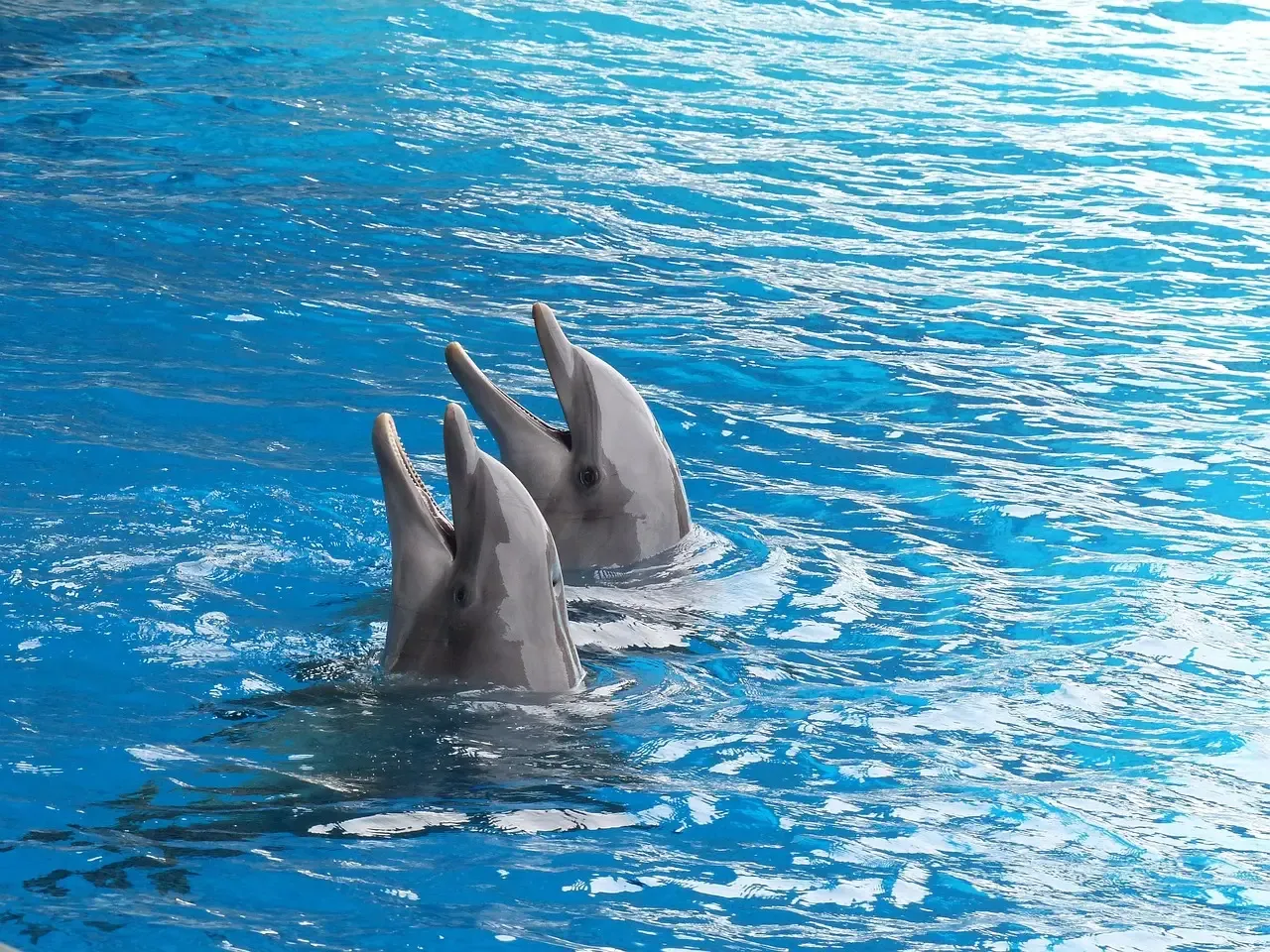
Dolphins have shown signs of self-awareness, a trait typically only associated with higher such as humans and great apes, with bottlenose dolphins able to recognize their reflections in mirrors. This isn’t just vanity – it’s a profound cognitive milestone. Most animals see their reflection and think it’s another creature entirely.
Dolphins recognize themselves in a mirror even earlier than chimpanzees, at only seven months old, compared to two years for chimps. Let that sink in for a moment. Dolphins will inspect themselves and look at parts of their bodies in the mirror that they can’t usually see, such as inside their own mouths, and also muck about, twirling and posing in unusual ways.
Bottlenose dolphins have been shown to be aware of their own behaviors and body parts and their own levels of subjective uncertainty during difficult memory tests, with conclusive evidence that along with only great apes and humans, they’re capable of recognizing themselves in a mirror and using it to investigate their own bodies. This places them in an incredibly exclusive club in the animal kingdom.
The implications are huge. Self-awareness suggests a level of consciousness that goes beyond instinct. It means dolphins likely have a sense of self, an understanding that they exist as individuals separate from their environment and pod mates.
Dolphins have shown self-awareness through mirror tests, suggesting a level of consciousness previously thought to be unique to humans, revealing sophisticated understanding of their surroundings and social interactions. This capacity fundamentally changes how we should view and treat these remarkable animals.
Complex Communication Systems
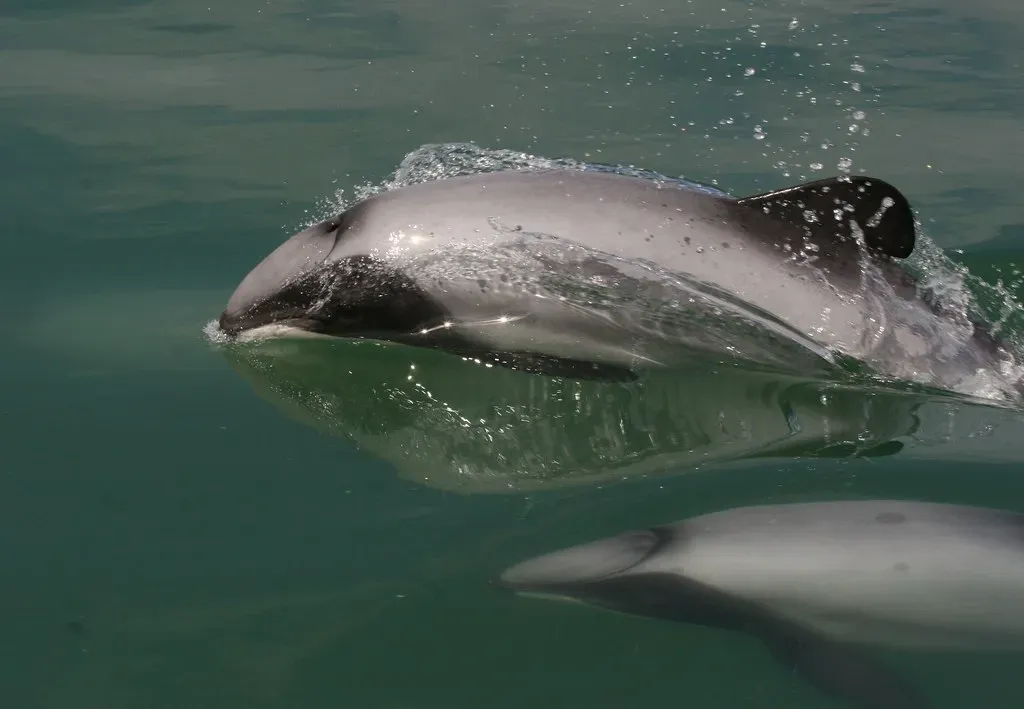
Dolphins use their names to identify and call one another, with infant dolphins learning their names from their mothers and keeping them for life, and dolphins greeting one another at sea by exchanging their names and seemingly remembering the names of other dolphins for decades. Can you imagine remembering someone’s voice decades after last hearing it?
A study showed that bottlenose dolphins can remember whistles of other dolphins they had lived with after twenty years of separation, with each dolphin having a unique whistle that functions like a name, demonstrating the longest memory yet known in any species other than humans. That’s better than most of us manage at high school reunions.
Recent research focused on non-signature whistles, which researchers found to potentially function like words in communications between multiple dolphins, having received less research attention than the name-like vocalizations of signature whistles. Here’s where it gets really interesting.
Researchers have been studying the possible functions of some shared, stereotyped non-signature whistle types including NSWA, finding that this whistle type typically elicits avoidance responses, leading them to believe it may have an alarm-type function. Another whistle correlated with a query function – NSWB – is produced by dolphins in response to an unfamiliar or unexpected situation, perhaps as a way of inquiring what it is.
Investigations into whether bottlenose dolphins can use vocal signals to coordinate their behavior in a cooperative button-pressing task found that the dolphin dyads were significantly more likely to cooperate successfully when they used whistles prior to pressing their buttons, with whistling leading to shorter button press intervals and more successful trials.
Problem-Solving and Tool Use
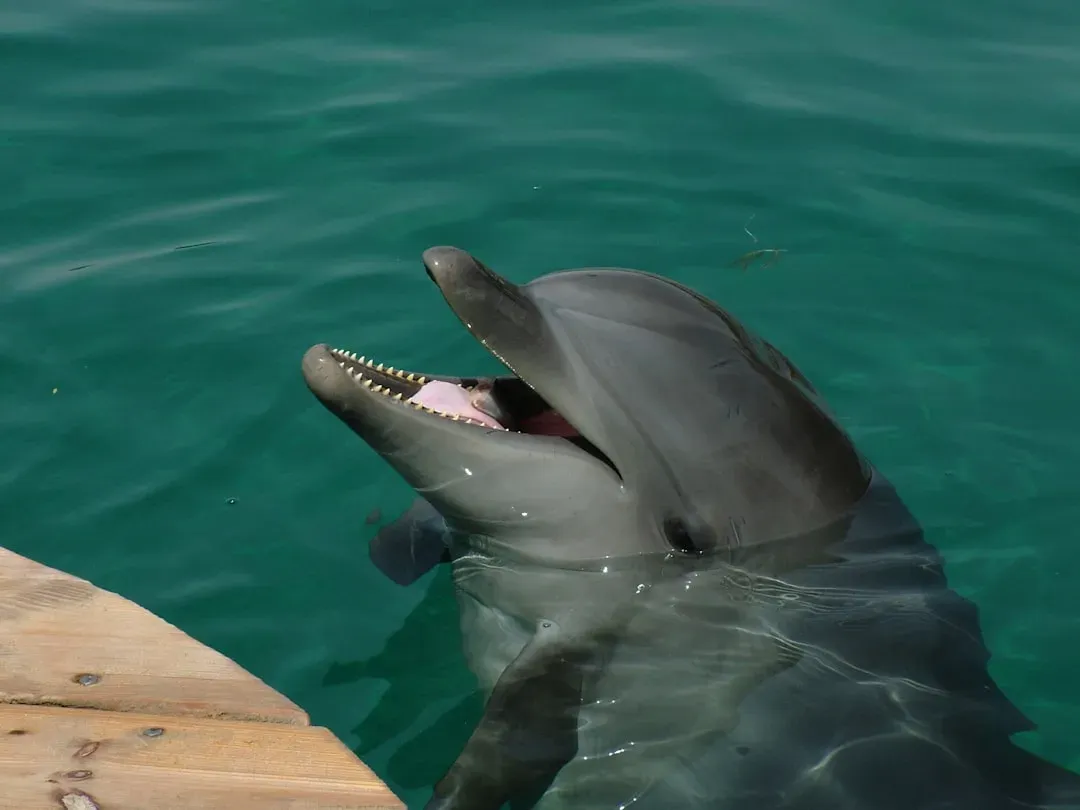
One well-documented example of tool use is sponging, in which some dolphins place marine sponges over their snouts while foraging for food along the seafloor, with the sponges protecting their noses from abrasion and allowing them to probe the sand for prey that might otherwise be difficult to reach. This behavior gets passed down through generations, mother to calf, which is essentially cultural transmission.
Tests with Kelly the dolphin revealed that when given a fish reward for every piece of litter she brought to researchers, she quickly learned to take a single piece of paper, keep it under a rock, and tear off smaller pieces to get more fish. That’s not just smart – that’s entrepreneurial thinking.
Dolphins can learn new behaviors through observation and training and have been documented performing complex tasks in research and aquarium settings. Their adaptability extends well beyond simple conditioning. They can understand abstract concepts and novel instructions.
When dolphins were given two commands – tandem and create – the dolphins would self-select a behavior and perform it synchronously, with 23 of the 79 different behaviors being novel in the sense that they were not under the control of established gestures. The dolphins were essentially improvising together, creating coordinated performances on the spot.
Imitation of one dolphin by the other is the most likely explanation for this ability, yet considerable research effort has failed to produce comparable skills in most non-human . In this particular cognitive domain, dolphins actually outperform many .
Sophisticated Social Intelligence
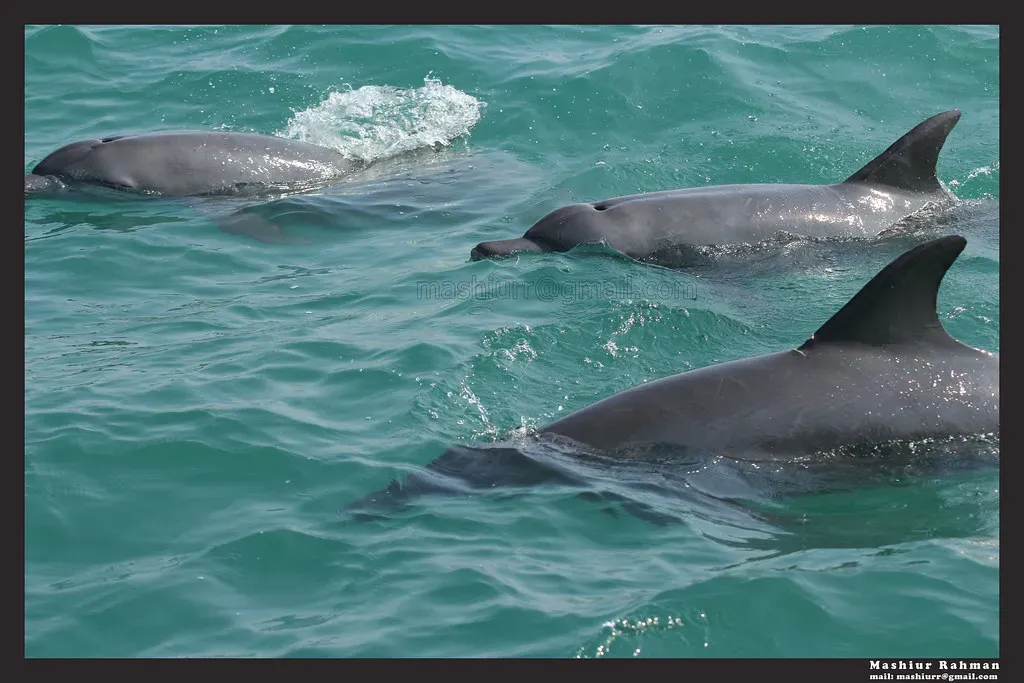
Perhaps the most compelling evidence for dolphin intelligence lies in their social structure, with dolphins living in groups known as pods which can range from a few individuals to hundreds, with these societies being dynamic and individuals forming and dissolving alliances, maintaining friendships, and even engaging in political maneuvering reminiscent of primate groups. Sound familiar? It should – because that’s exactly how human social networks operate.
In bottlenose dolphins, males often form alliances of two or three individuals to cooperate in courting females, with these alliances able to join larger groups to compete against rival alliances, requiring sophisticated social awareness, memory, and communication. It’s social chess played out in the ocean.
Unlike most animals, apes and dolphins live in fluid societies and engage in relationships that require accurate memories of who is a friend and who owes whom a favor. That level of social accounting demands serious cognitive horsepower. The complex social strategies of marine mammals such as bottlenose dolphins provide interesting parallels with the social strategies of elephants and chimpanzees.
Dolphins live in pods with flexible membership where individuals form long-term bonds but may join or leave their pod groups over time, with females cooperating to care for calves in shared nursery arrangements that function like daycare for young dolphins, and males forming alliances that help with mating and defense. These aren’t random groupings – they’re deliberately constructed social networks with specific purposes.
The most promising theory suggests that cetacean brain size and complexity increased to support complex social relations. Intelligence, it seems, evolved partly as a social survival tool.
Convergent Evolution of Intelligence
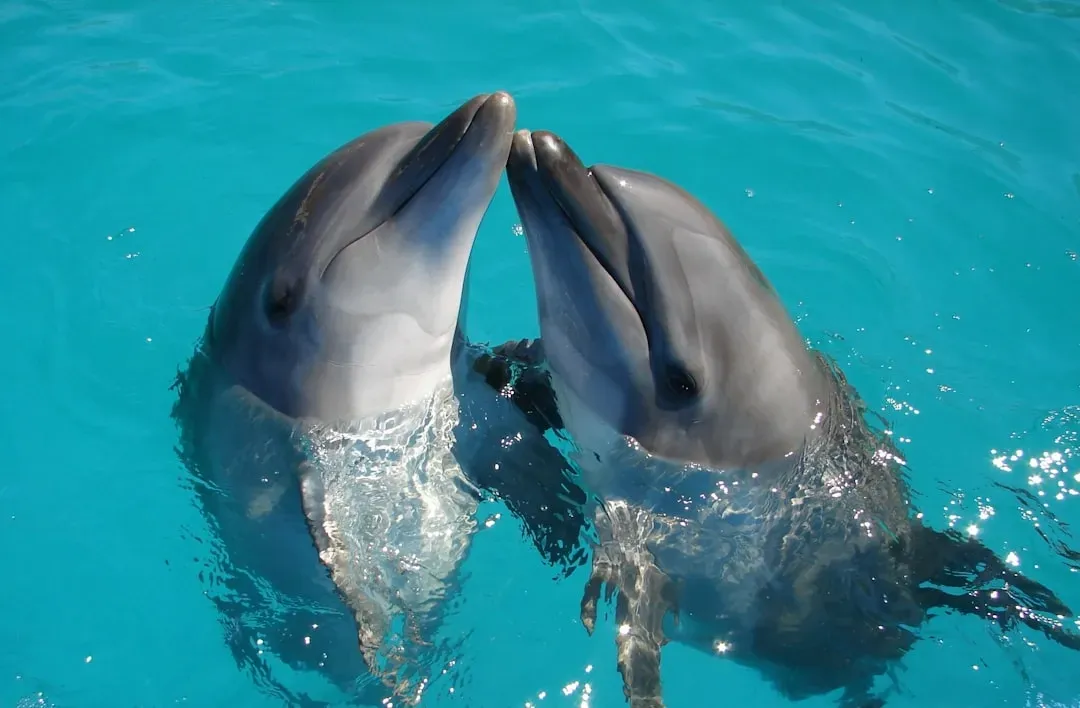
The evolution of dolphin intelligence mirrors that of in several ways, with both evolving large brains in social environments where cooperation and competition were critical, demonstrating that intelligence can arise independently under similar selective pressures, even in drastically different habitats. This is what scientists call convergent evolution – when completely different species independently develop similar traits.
Researchers find more parallel behavioral traits between dolphins and chimpanzees than in more closely related animals, with many of these distinctive traits also found in humans, suggesting that humanlike intelligence may not be a quality that could only have emerged from our own recent evolutionary lineage, but that convergent evolution could have played a role. That’s a genuinely humbling realization.
The eminent dolphin researcher Louis Herman coined the term cognitive cousins to refer to the fact that bottlenose dolphin cognition appears to be at a level also typical of great apes and humans, which may be surprising as and dolphins are only very distantly related, but the two groups share characteristics indicative of complex intelligence including high encephalization levels, long juvenile periods and complicated social lives.
Dolphins and excel in different domains reflecting their distinct evolutionary pressures, with dolphins being supreme acoustic thinkers and spatial navigators with brains wired for interpreting sound and movement in three dimensions, and their intelligence, though alien to ours, being no less remarkable. Different paths, similar destinations.
Brain power has allowed dolphins and apes to possess communication and social skills so complex that we are only now beginning to understand how they work. We’re really just scratching the surface of what these animals are capable of understanding and communicating.
Conclusion
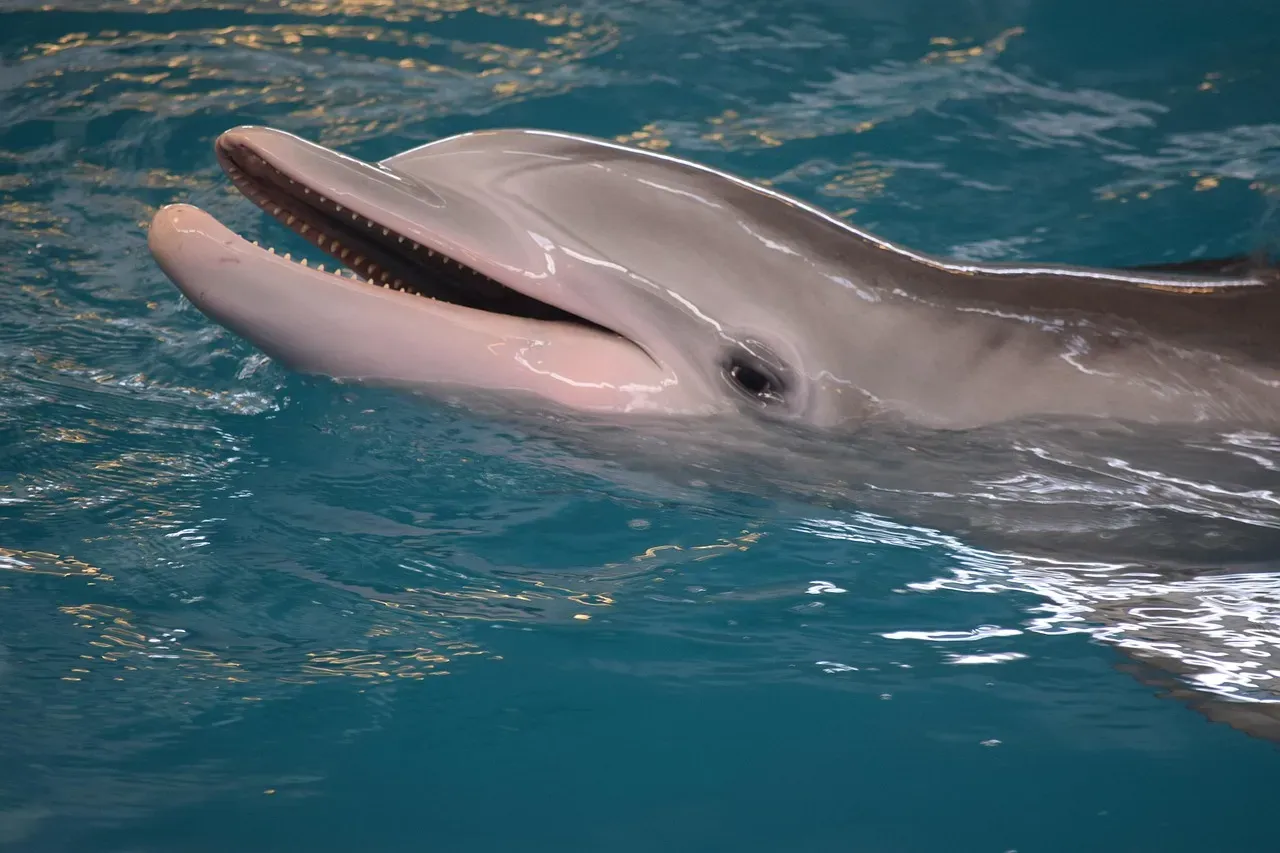
The evidence is pretty overwhelming at this point. Dolphins aren’t just intelligent – they’re profoundly so, operating at cognitive levels that genuinely rival many primate species. From their oversized, intricately folded brains to their sophisticated communication systems, from their self-awareness to their complex social structures, dolphins demonstrate intelligence that evolved completely independently from our own yet arrived at remarkably similar capabilities.
What makes this even more significant is what it tells us about intelligence itself. It’s not a uniquely human or even uniquely primate trait. Intelligence can blossom in radically different environments when the right pressures exist – complex social structures, cooperative behaviors, long-term relationships. The ocean, it turns out, breeds brilliance just as effectively as the forest canopy or the savannah.
The more we learn about dolphin cognition, the more ethical questions arise about how we interact with these creatures. If they possess self-awareness, complex emotions, sophisticated communication, and social bonds that can last decades, what does that mean for keeping them in captivity or disrupting their ocean habitats? These aren’t just smart animals – they’re thinking, feeling beings with rich inner lives we’re only beginning to comprehend. What do you think – should this change how we protect and interact with dolphins?

- 12 Architectural Wonders From The Ancient World That Inspire Us Today - July 18, 2026
- 6 Beautiful Ancient Cities That Time Forgot (But Shouldn’t) - July 18, 2026
- 6 Common Animal Behaviors That Are Often Misunderstood by Humans - July 18, 2026