


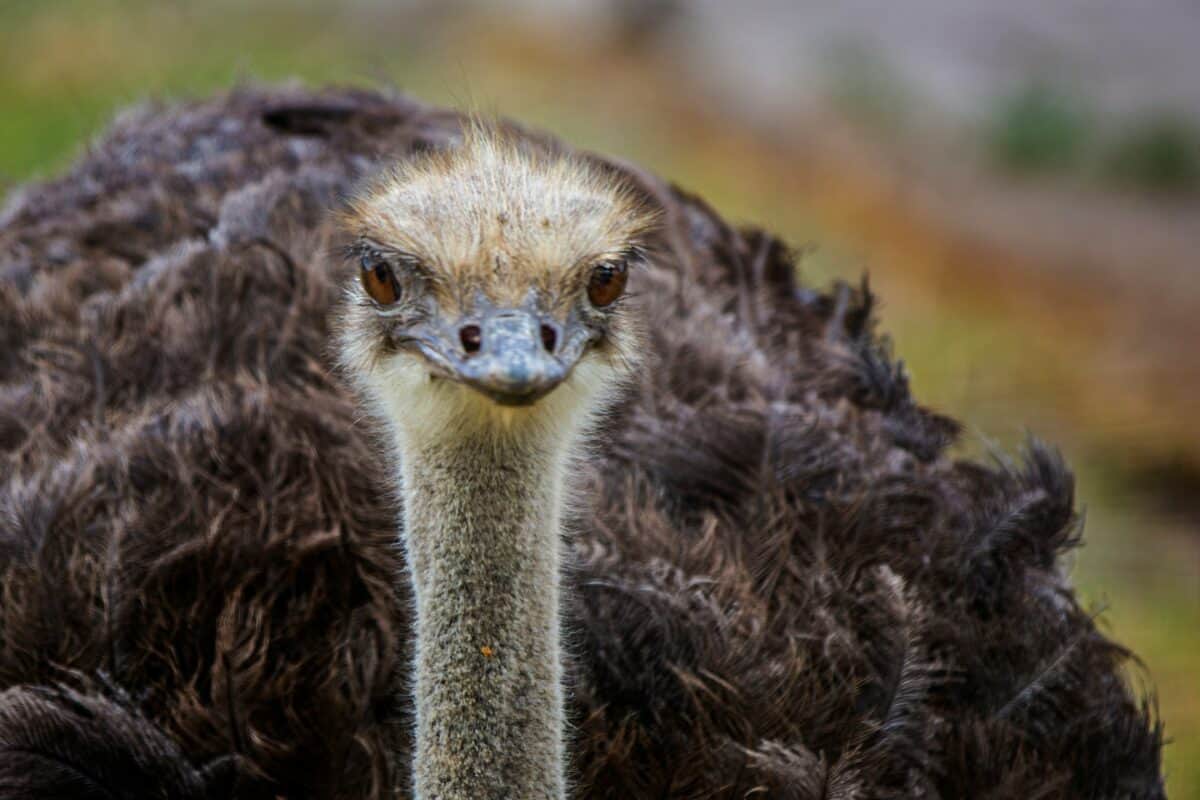
Roughly 400 ostriches on a British Columbia farm are at the center of an international debate after Canadian officials ordered them culled due to avian flu concerns. The drastic measure was triggered when two birds tested positive for H5N1 in December. Despite no new cases reported since then, the order to destroy the rest of the flock remains in place.
The farm’s owners are devastated. These aren’t just livestock — they’re part of a breeding program years in the making. With limited legal options, they’ve been searching for outside help to save the birds from slaughter.
Dr. Oz Steps in With a Wild Plan

Enter TV personality and heart surgeon Dr. Mehmet Oz. He’s now offering his 900-acre ranch in Okeechobee, Florida as a safe haven for the ostriches. He claims his team has already discussed the transfer with the farm’s owner and is ready to move the birds if Canadian authorities agree.
“This is about common sense and science,” Oz said in an interview. “You don’t wipe out 400 animals without asking if they’ve developed immunity or if there’s something we can learn from them.”
The move has sparked media attention, adding pressure on Canadian regulators to reconsider their decision.
Why the Culling Is So Controversial
While avian influenza is a serious and often deadly disease among birds, critics say the Canadian response has been overkill. Only two ostriches tested positive, and that was months ago. No additional outbreaks have occurred since.
Supporters of the birds, including supermarket mogul John Catsimatidis and U.S. Health Secretary Robert F. Kennedy Jr., argue that science should guide decisions, not outdated protocols. Kennedy even wrote to Canadian officials urging a delay in the culling so scientists can study the flock for signs of natural resistance.
A Second Chance for Science— and the Ostriches
What started as a fight to save a flock has turned into a broader discussion about wildlife disease management. If the birds are immune, they could provide valuable insights into how some animals fight off H5N1— a virus with global implications.
Relocating the ostriches to Florida wouldn’t just save their lives. It could also open up opportunities for research and responsible breeding in a safer environment. Dr. Oz’s property offers the space, isolation, and veterinary oversight needed to house the birds without risk to other animals.
The clock is ticking, and the decision rests with Canadian officials. But for now, the Florida ranch remains on standby and 400 ostriches may still have a shot at survival.

- Texas Ranchers Injured and Horses Killed in Aggressive Bee Attack - July 19, 2026
- Cougar Attack on Cyclists Shakes Washington Wilderness - July 19, 2026
- Snake Found in Arizona Toilet Shocks Homeowner - July 19, 2026