


Ashlyn Bartholomew was just trying to get her kids home from baseball practice when she spotted something strange crossing Highway 23 in Boothville, Louisiana. At first, it looked like a large, slow-moving dog. But as they got closer, her family realized they were looking at a full-grown alligator, with no tail.
The gator lumbered across the road, moving like a dog on all fours, its massive back and stub of a tail exposed in plain view. Ashlyn did what most of us would: she hit the brakes, stared, then filmed it.
“It was the weirdest thing I’ve ever seen,” she told reporters. “You don’t expect to see a dog-shaped gator crossing the highway.”
How Can a Tailless Alligator Survive?
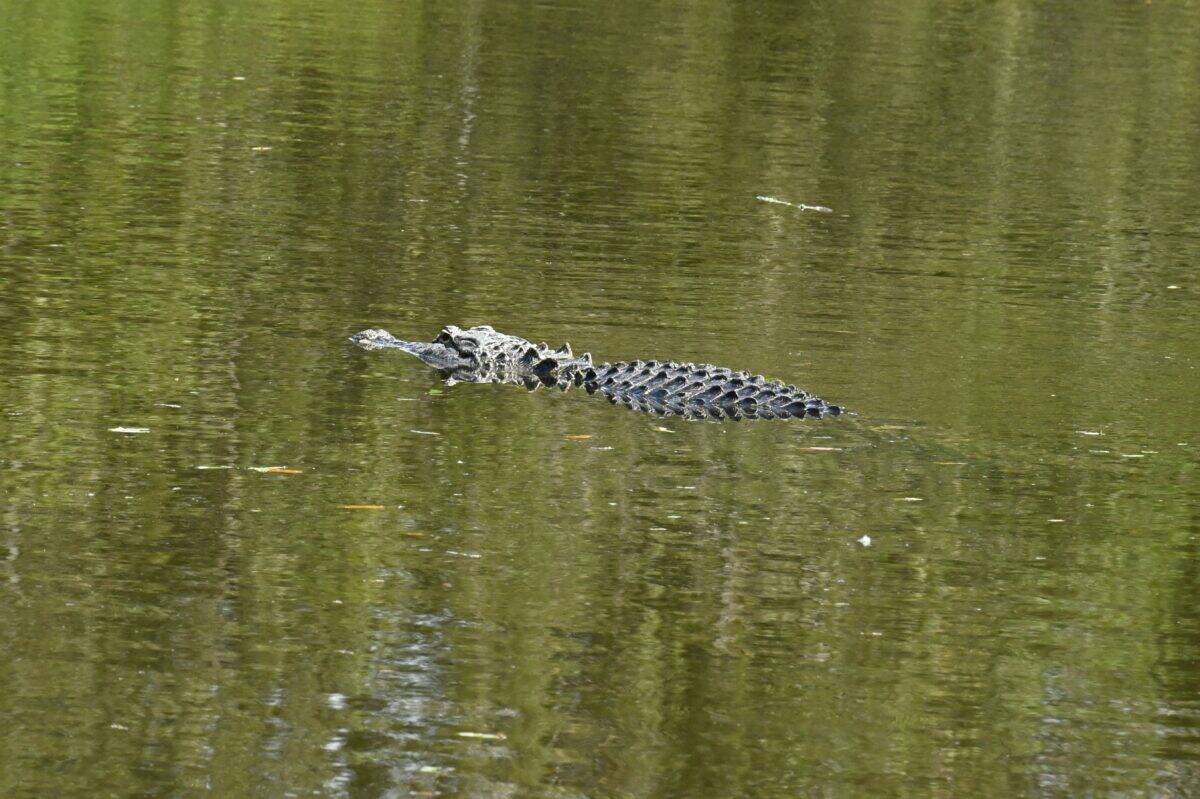
A tail is a gator’s engine. It’s how they swim, balance, and defend themselves. Losing it should mean serious trouble. But somehow, this gator is still alive and mobile.
Experts say tailless gators are rare but not unheard of. Chris Gillette, who works with rescued reptiles in Florida, says he’s seen several juvenile alligators without tails — but almost never a full-grown adult like the one in Louisiana. That makes this sighting even more remarkable.
There’s no official word on how this one lost its tail, but common culprits include fights with other gators, boat propellers, or even illegal traps. The fact that it’s survived long enough to reach adulthood suggests it’s found a way to adapt — probably by sticking to shallower waters and relying less on speed.
Wildlife Experts Weigh In
Wildlife specialists aren’t just surprised — they’re impressed. Alligators are incredibly tough animals, and this one’s story proves it. According to staff at Alligator Adventure in South Carolina, they’ve cared for a gator named Bob, who was born without a tail and has done surprisingly well in captivity. Still, a wild, tailless adult is on another level of resilience.
This gator may be slower and more vulnerable, but its continued survival shows how adaptable these reptiles really are. As Gillette puts it, “Nature is brutal — but it’s also full of surprises.”
What to Do If You Spot a Gator Like This
Seeing an alligator on the road might sound like a Florida problem, but it’s not limited to the Sunshine State. Parts of Louisiana, Georgia, Texas, and even the Carolinas are full of gator territory. If you ever come across one—tailless or not, here’s what to do:
- Keep your distance. Even without a tail, an alligator can be dangerous.
- Don’t feed it. Feeding gators makes them associate humans with food, which gets people hurt — and gators killed.
- Report unusual sightings. If the animal looks injured, disoriented, or out of place, contact local wildlife authorities.
This tailless gator may be strange-looking, but it’s a survivor — and a reminder that wild animals don’t always follow the rules.

- Texas Ranchers Injured and Horses Killed in Aggressive Bee Attack - July 19, 2026
- Cougar Attack on Cyclists Shakes Washington Wilderness - July 19, 2026
- Snake Found in Arizona Toilet Shocks Homeowner - July 19, 2026