
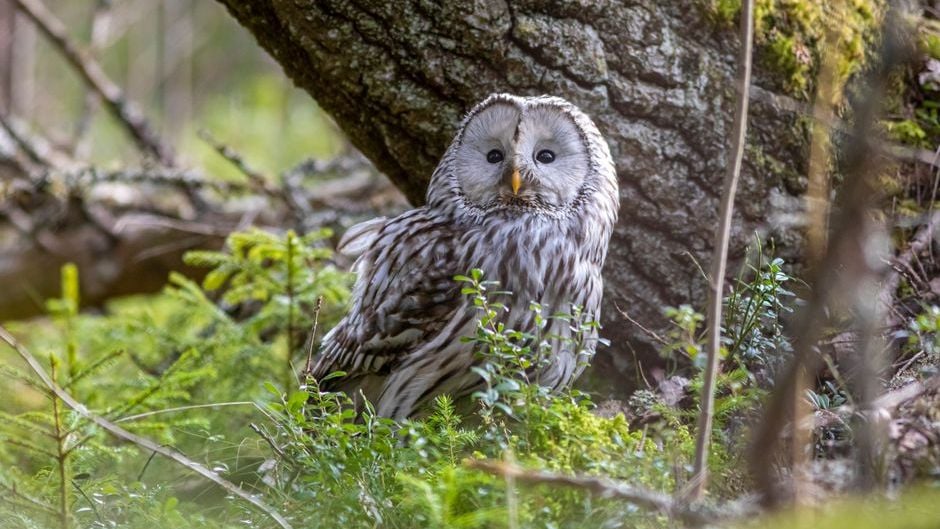
Walk into a forest on an ordinary afternoon and the soundscape feels alive with chatter. Birds call from the canopy, insects buzz in the undergrowth, and small mammals rustle through leaves. Then something shifts. The voices fade one by one until only the wind remains. That sudden hush often arrives hours before the first raindrop or rumble of thunder.
People have noticed the pattern for generations, yet the reasons stayed mysterious until closer study of animal senses. The quiet is not random. It reflects a shared response to signals that travel through the air long before visible weather arrives.
The Science Behind Animal Sensory Abilities

Many creatures possess sensory systems tuned to environmental changes that humans overlook. Their inner ears or specialized receptors pick up subtle shifts in pressure and vibration. These abilities evolved over time because detecting danger early improves survival odds in unpredictable weather.
Researchers have documented how even modest drops in atmospheric pressure trigger immediate reactions. Small birds in particular show measurable changes in hormone levels and activity when pressure falls. The response spreads quickly through the community because each species reacts to the same cue at roughly the same moment.
Barometric Pressure as a Universal Signal

A falling barometer often precedes storms by twelve to twenty four hours. Animals register this decline through organs that function like built in barometers. Once detected, the information prompts a range of adjustments from seeking shelter to reducing movement.
White crowned sparrows provide one clear example. Laboratory tests showed they alter stress related physiology when exposed to simulated pressure drops that match real storm conditions. In the wild the same sensitivity helps them conserve energy and avoid exposure during heavy weather.
Infrasound Waves Traveling Far Ahead
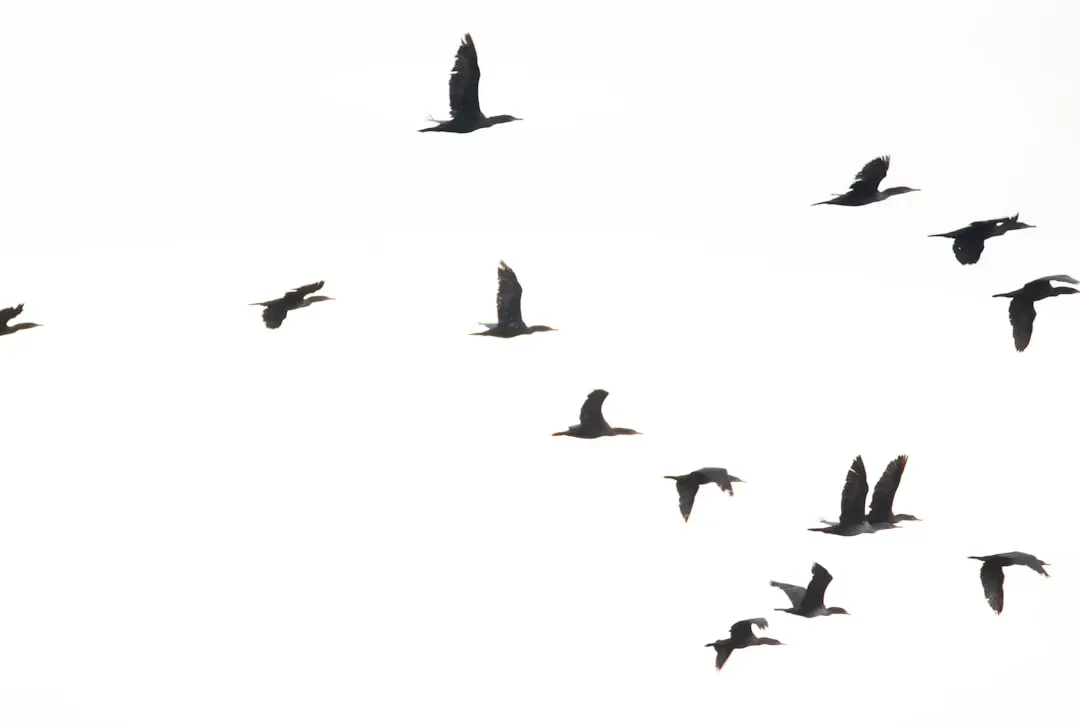
Storms generate low frequency sound waves that travel hundreds of kilometers. These infrasounds sit below the range of human hearing yet reach many bird species with ease. Golden winged warblers have been tracked leaving nesting areas days before tornado outbreaks hundreds of miles away.
The waves carry information about storm intensity and direction. Birds appear to treat the signal as an early warning and adjust migration timing or flight paths accordingly. Other species likely share this capacity though direct measurements remain limited for most forest dwellers.
Behavioral Shifts Across Species
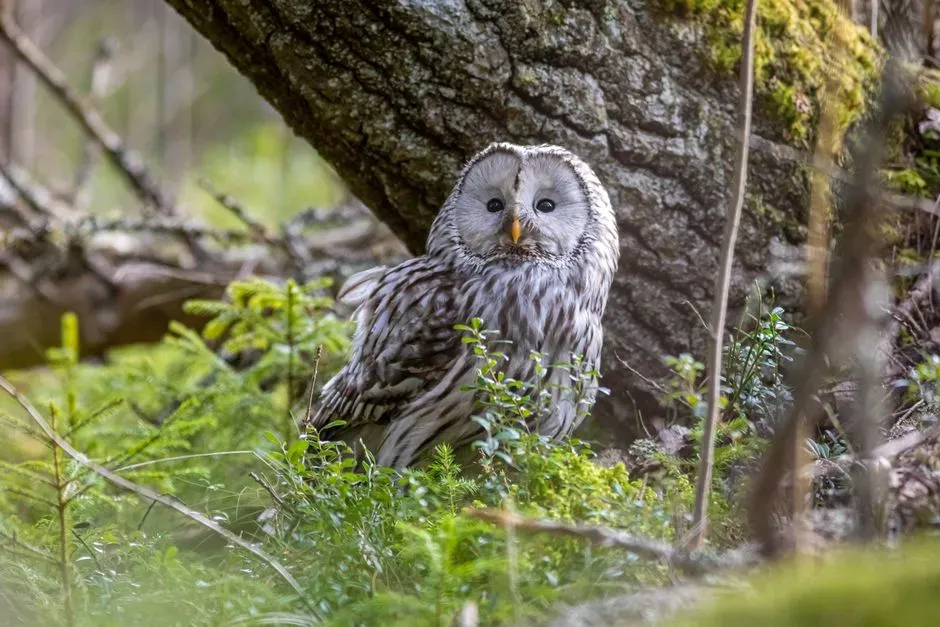
When pressure falls and infrasound arrives the forest community changes its routine together. Songbirds stop calling and move lower in the vegetation. Mammals retreat to dens or thick cover while insects reduce surface activity. The combined effect produces the noticeable silence observers describe.
These shifts are not panic but measured preparation. Energy is conserved and exposure to wind or rain is minimized. Different species reach the same conclusion through separate sensory pathways yet the outcome looks coordinated from the outside.
Evidence from Field Observations and Studies
Long term tracking projects have captured the timing of these behavioral changes. Data from multiple continents show consistent patterns linking pressure readings to reduced vocalizations and movement. Anecdotal reports from naturalists align closely with the instrument records.
Controlled experiments reinforce the field findings. Birds exposed to artificial pressure changes in aviaries display the same quieting and shelter seeking seen outdoors. The convergence of lab and wild evidence strengthens the case that the response is widespread rather than isolated to a few species.
How This Affects the Entire Ecosystem
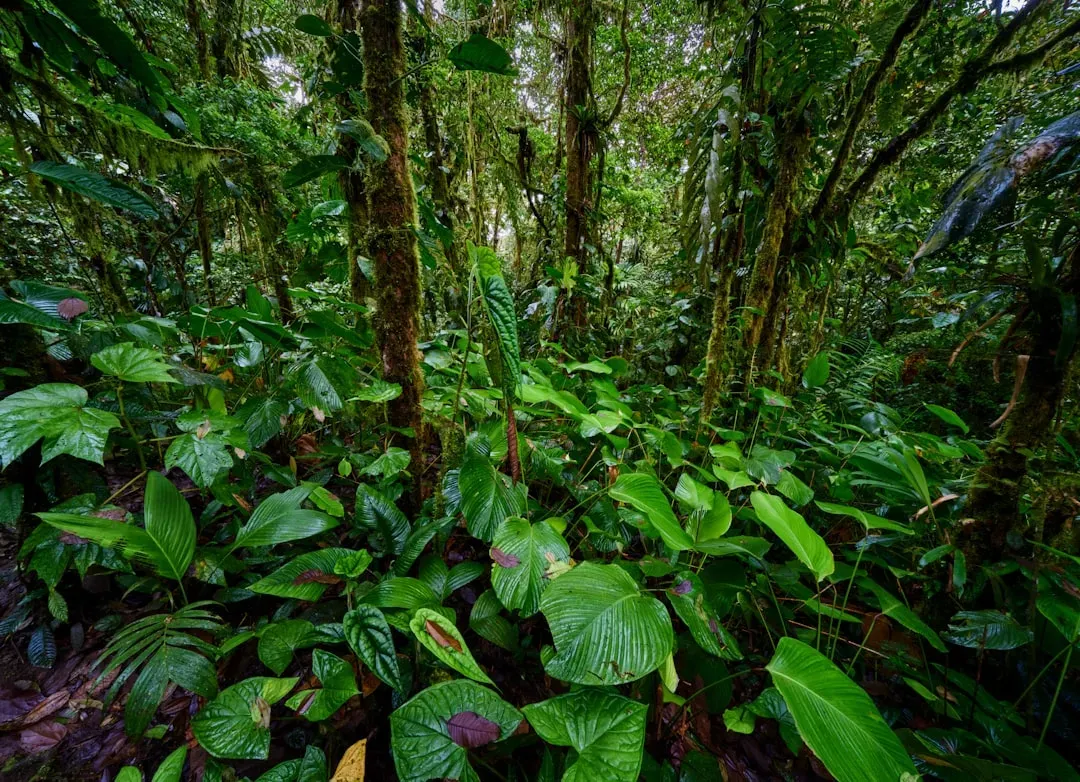
A silent forest before a storm alters interactions that normally shape daily life. Predators lose easy access to vocal prey while seed dispersers pause their work. The pause can last only hours yet it ripples through food webs and plant pollination schedules.
Over repeated events the pattern may influence where animals choose to nest or forage in the long term. Forests that experience frequent storms could favor species with stronger sensory tuning. The collective response therefore helps maintain balance even when weather turns harsh.
Reflections on Our Connection to Nature
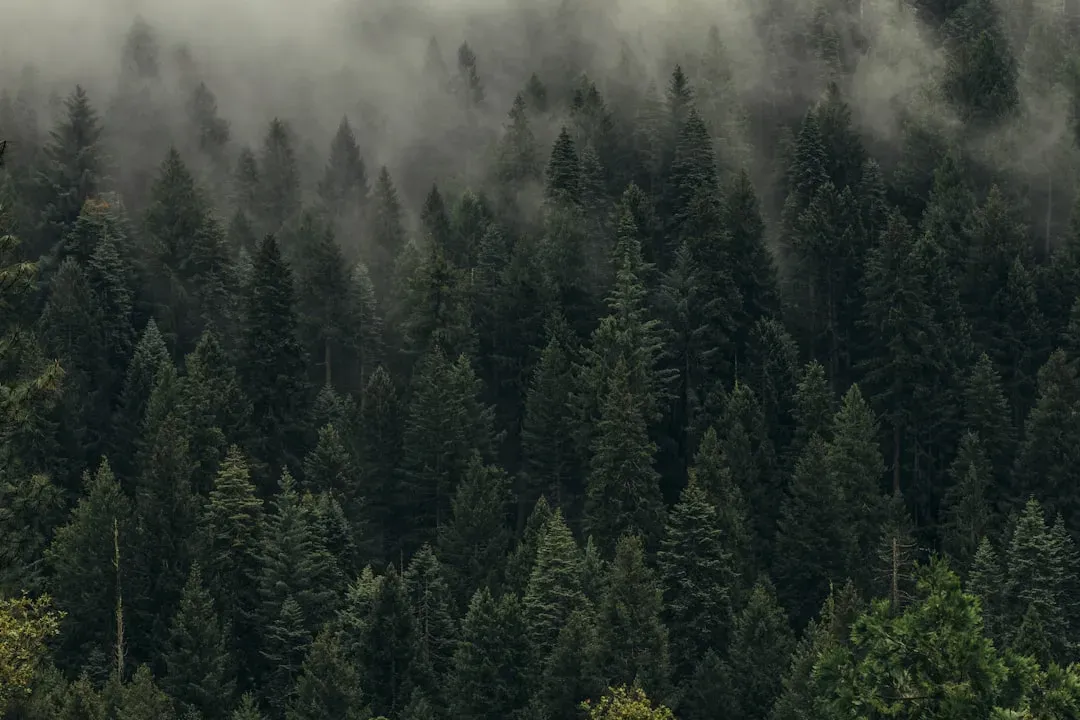
Recognizing these shared signals reminds us how much we still miss in the living world around us. Technology gives forecasts days ahead yet the forest offers its own quiet forecast measured in minutes or hours. Paying attention to that silence can deepen respect for the finely tuned systems that sustain life.
In the end the hush before the storm stands as a quiet lesson in interdependence. Every creature receives the message and acts on it without debate or delay. That unity offers a model worth noticing whenever the woods grow still.

- 12 Amazing Facts About Dolphins That Will Change Your Mind About Them - August 10, 2026
- 14 Little-Known Facts About America’s Most Culturally Significant Native Tribes - August 10, 2026
- 15 Fascinating Facts About Horses You Need to Know - August 10, 2026