


The video from Instagram highlights a groundbreaking discovery made by researchers in Africa: elephants are terrified of bees. This revelation has significant implications for conservation efforts, human-wildlife conflict management, and our understanding of elephant behavior. Let’s delve deeper into this fascinating discovery.
How Bees Terrify Elephants

🔥 Would you like to save this?
We'll email this post to you, so you can come back to it later!
In the video, researchers demonstrate how the sound of bees can cause panic among elephants. Despite their massive size, these gentle giants react swiftly and fearfully to the buzzing of bees, fleeing the area to avoid the perceived threat.
Elephants and Their Natural Enemies

🔥 Would you like to save this?
We'll email this post to you, so you can come back to it later!
Historically, elephants have faced threats from predators such as lions and humans. However, the discovery that these large mammals are frightened by tiny insects like bees adds a new dimension to our understanding of their behavior and survival strategies.
The Research Behind the Discovery

🔥 Would you like to save this?
We'll email this post to you, so you can come back to it later!
The breakthrough came from extensive fieldwork conducted by researchers who observed elephant reactions to bee sounds. By playing recorded bee noises, they could study the elephants’ behavioral changes and confirm their fear.
The Role of Bees in Elephant Behavior
🔥 Would you like to save this?
We'll email this post to you, so you can come back to it later!
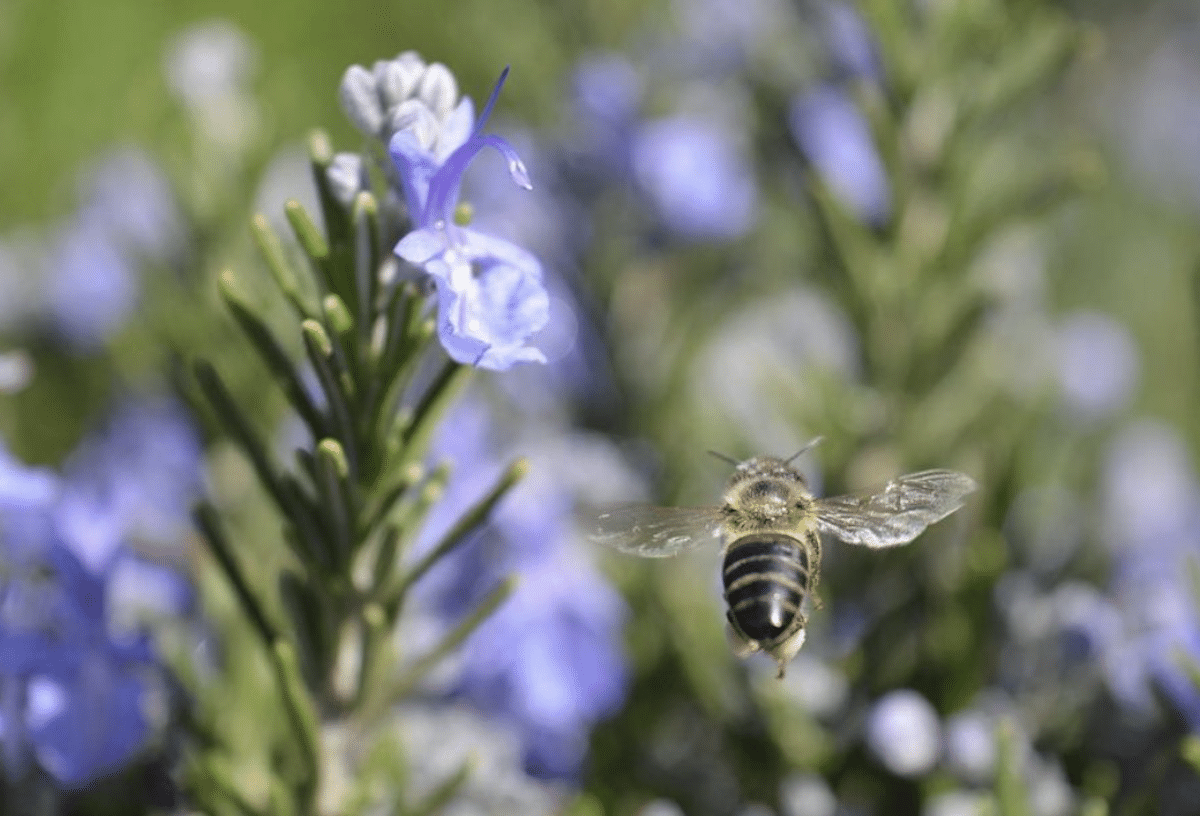
Bees, especially African honeybees, are known for their aggressive defense mechanisms. The painful stings from a swarm can cause significant discomfort, even to an elephant. This aversion likely stems from the painful encounters elephants have had with bees.
Why Are Elephants Afraid of Bees?

🔥 Would you like to save this?
We'll email this post to you, so you can come back to it later!
The fear is rooted in the potential pain and irritation caused by bee stings. Although an elephant’s thick skin offers some protection, sensitive areas like the trunk, eyes, and ears are vulnerable to stings, making the threat of bees very real.
Implications for Conservation Efforts
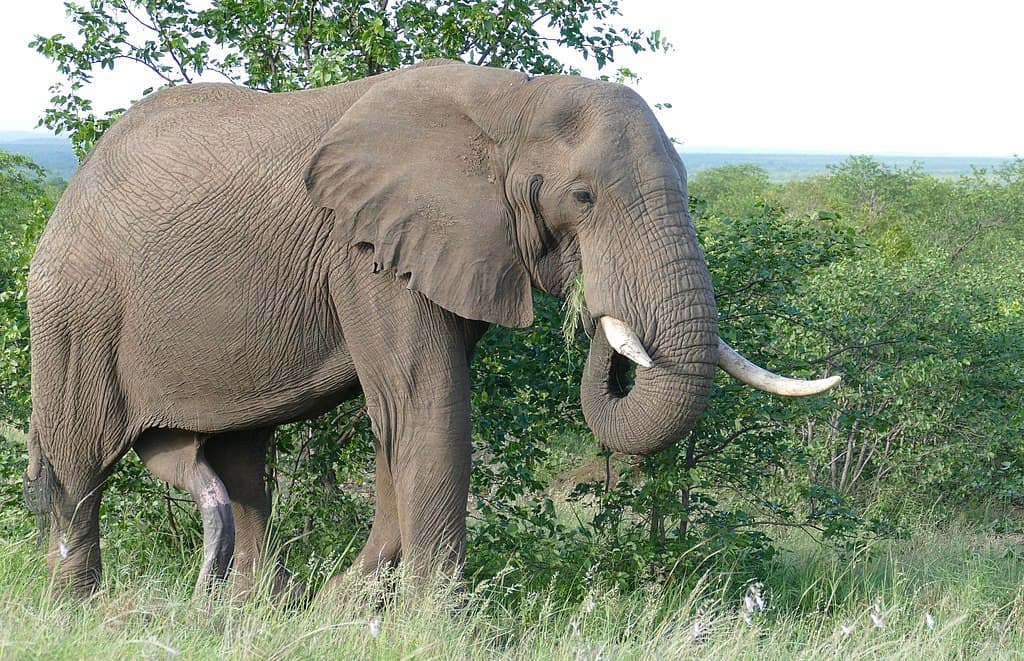
Bernard DUPONT from FRANCE, CC BY-SA 2.0, via Wikimedia Commons
🔥 Would you like to save this?
We'll email this post to you, so you can come back to it later!
This discovery opens new avenues for elephant conservation. By strategically placing beehives, conservationists can create natural deterrents to prevent elephants from entering certain areas, reducing human-elephant conflicts and crop damage.
A Natural Barrier
🔥 Would you like to save this?
We'll email this post to you, so you can come back to it later!
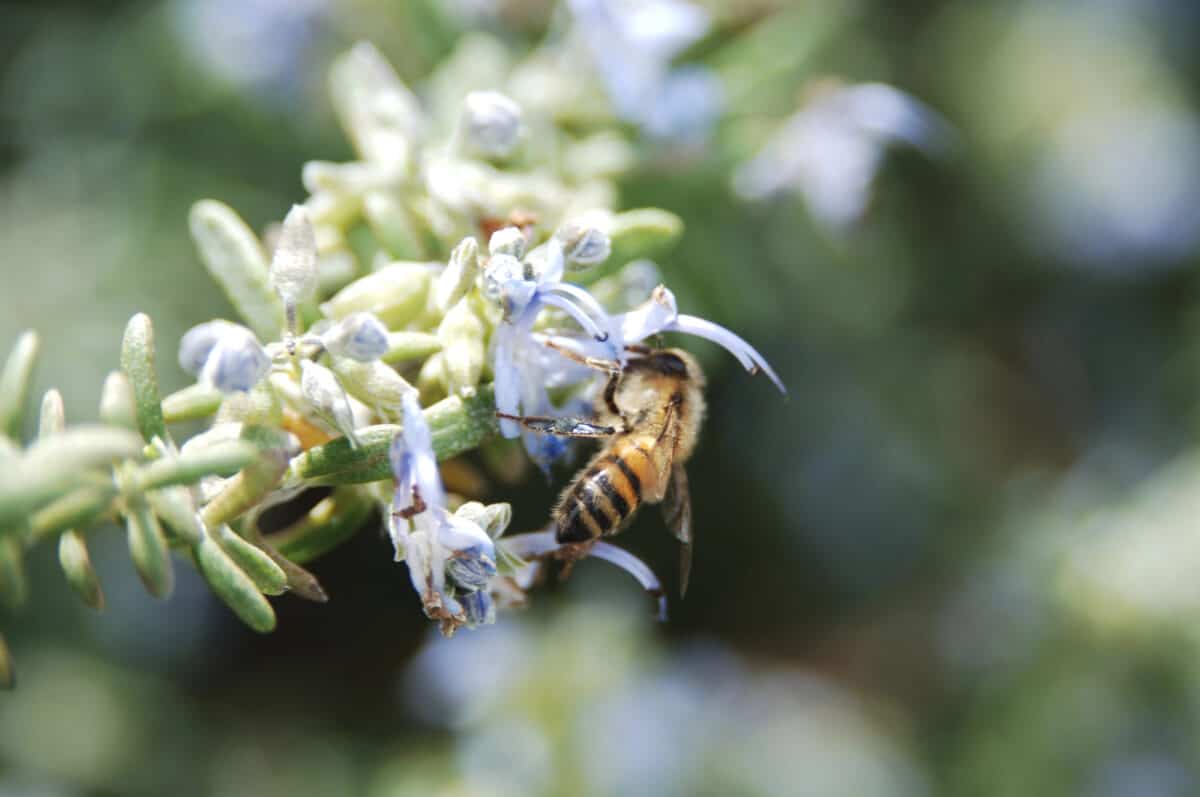
“Bee fences” have been employed successfully in various parts of Africa. These are simple constructions of beehives strung on wires around crops or villages. The threat of bees deters elephants from crossing these barriers, protecting both human and elephant lives.
Reducing Human-Elephant Conflicts

🔥 Would you like to save this?
We'll email this post to you, so you can come back to it later!
Human-elephant conflicts often arise from crop raiding, where elephants venture into agricultural lands. The use of bee fences has proven to be an effective method to keep elephants at bay without harming them, fostering coexistence between humans and wildlife.
Sustainable and Eco-Friendly Solutions

🔥 Would you like to save this?
We'll email this post to you, so you can come back to it later!
Bee fences are not only effective but also sustainable. They provide a natural and non-lethal solution to manage elephant movements. Additionally, they offer economic benefits through honey production, supporting local communities.
Broader Ecological Impact

🔥 Would you like to save this?
We'll email this post to you, so you can come back to it later!
By using bees to manage elephants, the approach also promotes biodiversity. Bees are crucial pollinators, and their increased presence can enhance the health of ecosystems, benefiting a wide range of species.
Future Research Directions
🔥 Would you like to save this?
We'll email this post to you, so you can come back to it later!
The discovery prompts further research into elephant behavior and the potential use of other natural deterrents. Understanding the nuances of this fear response can lead to more refined and effective conservation strategies.
Community Involvement and Education

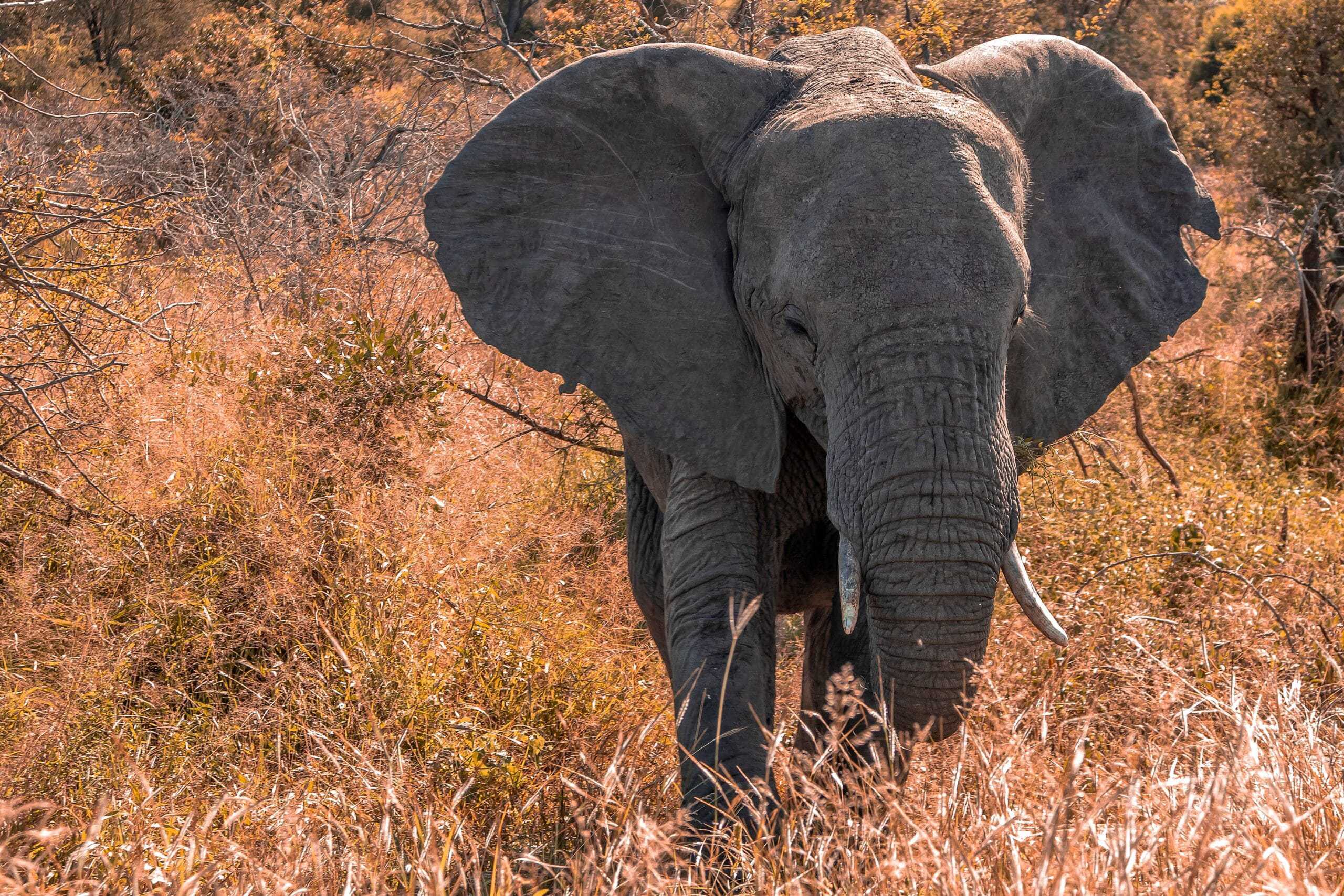
Image via Depositphotos
🔥 Would you like to save this?
We'll email this post to you, so you can come back to it later!
Educating local communities about the benefits of bee fences and involving them in implementation is crucial. Community involvement ensures the sustainability and acceptance of these methods, fostering a cooperative approach to conservation.
Addressing Ethical Considerations

🔥 Would you like to save this?
We'll email this post to you, so you can come back to it later!
While using bees as a deterrent is non-lethal, it’s essential to consider the welfare of both elephants and bees. Ensuring that the bee populations are managed responsibly and that elephants are not unduly stressed is important for ethical conservation practices.
Challenges and Limitations

🔥 Would you like to save this?
We'll email this post to you, so you can come back to it later!
Despite its promise, the bee fence method has limitations. It may not be effective in all regions or against all elephant populations. Researchers must continue to adapt and refine techniques based on specific environmental and cultural contexts.
The Broader Implications for Wildlife Management

🔥 Would you like to save this?
We'll email this post to you, so you can come back to it later!
This discovery extends beyond elephants, highlighting the potential of using natural behavioral responses in wildlife management. Understanding the innate fears and behaviors of animals can lead to innovative, non-invasive management solutions.
A New Chapter in Human-Wildlife Coexistence

🔥 Would you like to save this?
We'll email this post to you, so you can come back to it later!
The use of bees to manage elephant movements represents a shift towards more harmonious coexistence with wildlife. By leveraging natural behaviors, we can develop solutions that benefit both humans and animals, paving the way for a more sustainable future.
Conclusion: Embracing Nature’s Solutions

🔥 Would you like to save this?
We'll email this post to you, so you can come back to it later!
The revelation that elephants fear bees underscores the importance of understanding animal behavior in conservation efforts. By embracing nature’s solutions, such as using bees to manage elephant movements, we can create more effective and humane strategies to protect wildlife and support human communities.
This discovery not only sheds light on the complex behaviors of elephants but also offers a promising tool for addressing one of the most challenging aspects of wildlife conservation: human-wildlife conflict. As we continue to explore and understand the natural world, such insights will be invaluable in our efforts to foster a sustainable and harmonious coexistence with the planet’s diverse inhabitants. I hope you learnt something new today about elephants. To read more stories like this, check out the articles below:
- Rangers Rescue Elephants Stuck In Mud
- Elephants Ask Rescuer To Play Piano
- Watch: Elephants Reunite With Their Old Caretaker

adventuring, photography and videography. I am currently working towards a BSc in Biodiversity and Ecology at Stellenbosch University to go on to specialise in Marine Sciences one day.
Please send any feedback to Feedback@animalsaroundtheglobe.com
- 26 Most Dangerous Snakes Found in North America - October 19, 2026
- 21 Things Not to Feed Your Pet Dog - October 18, 2026
- 10 Sacred Native American Sites in North America - October 16, 2026