

For millennia, elephants have traversed vast landscapes following ancient migration routes etched into their collective memory. These pathways, essential for their survival, lead them to vital resources like seasonal water sources and feeding grounds. However, the expanding human footprint across elephant habitats has begun to disrupt these age-old patterns dramatically. From Africa to Asia, elephant populations are being forced to adapt their movements in response to roads, settlements, farms, and other human developments that fragment their traditional ranges. This shift represents not just a change in animal behavior but signals a profound ecological disruption with far-reaching consequences for both elephants and the ecosystems they help maintain.
The Historical Migration Patterns of Elephants
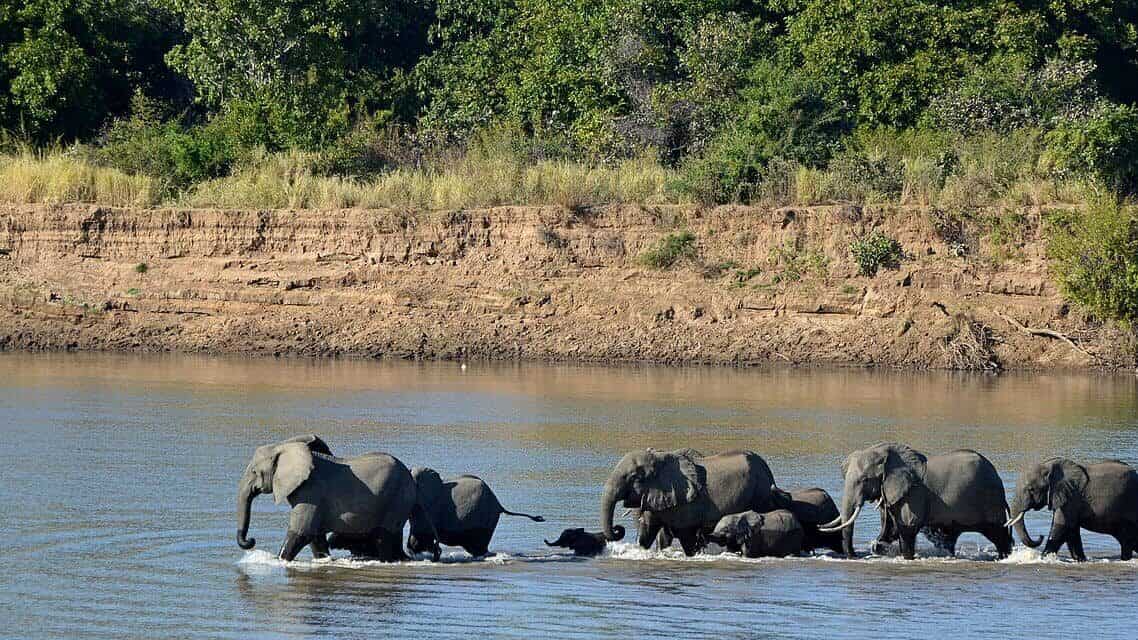
Elephants are naturally migratory animals whose movement patterns have evolved over thousands of years. African elephants traditionally cover territories spanning hundreds of square miles, with some herds documented traveling up to 50 miles in a single day during migration seasons. These journeys are guided by matriarchs who carry the ecological knowledge of water sources, food availability, and safe passage routes across generations. In Asia, while home ranges tend to be smaller, elephants still undertake seasonal migrations between forest habitats. These traditional routes follow rainfall patterns, connecting areas that provide optimal feeding opportunities throughout changing seasons. The consistent use of these pathways over generations has shaped landscapes, creating natural corridors that benefit numerous other species and contribute to seed dispersal across vast areas.
Human Development as a Barrier to Movement
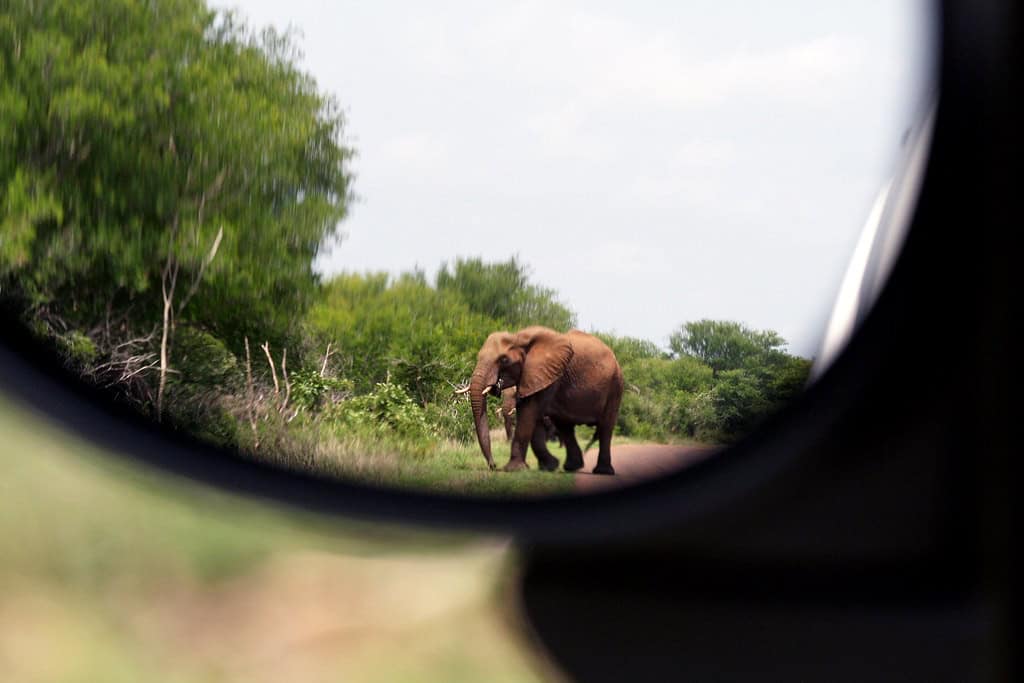
The rapid expansion of human infrastructure has created physical barriers that disrupt elephant migration. Major highways, railways, and canals cut across traditional elephant corridors, creating dangerous obstacles that elephants must navigate or avoid entirely. Research in Kenya’s Amboseli ecosystem has documented how the construction of roads has bifurcated elephant populations that once freely intermingled. Similarly, in India’s Western Ghats, railway lines have become lethal barriers, with dozens of elephants killed by trains annually while attempting to cross tracks that intersect their migration routes. Even seemingly permeable barriers like agricultural lands present risks, as crossing them brings elephants into potential conflict with humans. These developments effectively shrink elephant ranges by making large portions of their traditional territories inaccessible or dangerous to reach.
Fragmentation of Habitats

Habitat fragmentation represents one of the most significant threats to elephant migration patterns. As continuous forests and savannas are divided into isolated patches by human development, elephants face increasingly disconnected landscapes. A 2019 study published in the journal Conservation Biology revealed that across Africa, elephant habitat connectivity has decreased by over 60% in the past 40 years. In Southeast Asia, the situation is even more dire, with a 70% reduction in habitat connectivity for Asian elephants. This fragmentation forces elephants to concentrate in smaller areas, leading to localized resource depletion and increased stress on the remaining habitat patches. The isolation of elephant populations in these habitat fragments also raises concerns about genetic diversity, as herds that once intermingled during migrations become separated, potentially leading to inbreeding and reduced population resilience.
Changes in Temporal Migration Patterns
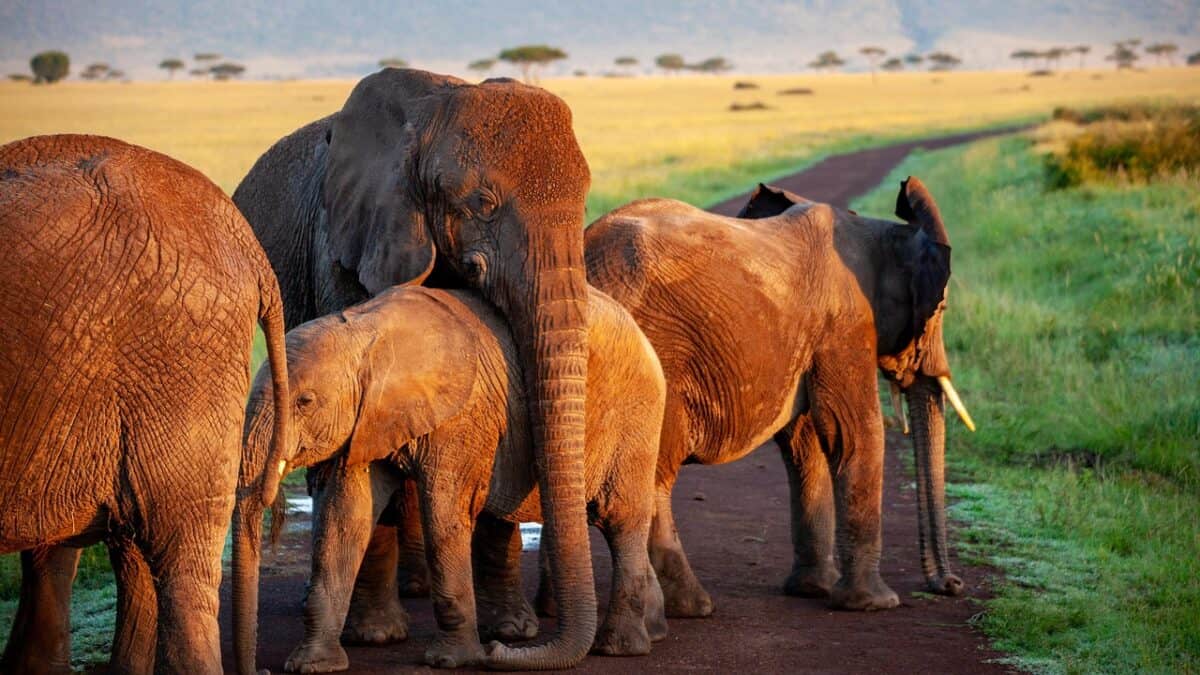
Human encroachment has not only altered where elephants migrate but when they move as well. Traditionally, elephant movements followed predictable seasonal patterns tied to natural resource availability. However, research from Botswana’s Okavango Delta shows that elephants now increasingly travel at night through areas with high human density, a behavioral adaptation that minimizes contact with people. In Sri Lanka, studies have documented elephants shifting their movement schedules to avoid peak human activity periods. This temporal shift represents a significant behavioral change with potential physiological costs. Elephants adapted to diurnal movement now travel during cooler nighttime hours, which may affect their energy expenditure and feeding patterns. These alterations to natural rhythms demonstrate how deeply human presence can influence even the most fundamental aspects of elephant behavior.
Resource-Driven Adaptations

As natural food and water sources become less accessible due to human encroachment, elephants have adapted their migration strategies toward human-associated resources. In parts of Africa, elephants have begun incorporating agricultural fields into their movement patterns, creating new pathways that connect remaining natural areas through farmlands. Similarly, in India, some elephant herds have developed migration routes that specifically target areas with crops like sugarcane during harvest seasons. While demonstrating the remarkable adaptability of these intelligent animals, these new patterns inevitably increase human-elephant conflict. Artificial water sources created for livestock or agriculture have also altered elephant movements, sometimes causing them to remain in areas they would traditionally only pass through seasonally. These resource-driven changes in migration patterns can concentrate elephant populations near human settlements for extended periods, increasing both conflict risk and dependency on anthropogenic resources.
The Consequences for Elephant Populations

The forced alteration of migration patterns carries serious implications for elephant population health and sustainability. Restricted movement limits access to diverse food sources, potentially leading to nutritional deficiencies. A long-term study in Tanzania found that elephant herds with disrupted migration routes showed lower calf survival rates compared to those able to maintain traditional movements. Additionally, compressed ranges increase population density in remaining habitats, intensifying competition for resources and potentially exceeding the land’s carrying capacity. This pressure can manifest in reduced body condition and compromised immune function among affected elephants. The stress of navigating human-dominated landscapes also takes a physiological toll, with studies showing elevated stress hormone levels in elephants living near human settlements. Perhaps most concerning for long-term conservation, disrupted migration can interfere with breeding patterns as populations become isolated, potentially affecting genetic exchange between previously connected groups.
Ecological Ripple Effects

Elephants are keystone species whose movements shape entire ecosystems, making changes to their migration patterns ecologically significant beyond the animals themselves. As “ecosystem engineers,” elephants create clearings, maintain grasslands, disperse seeds, and dig waterholes that benefit countless other species. When their traditional movement patterns change, these ecological services become concentrated in some areas and absent in others. Research in South Africa’s Kruger National Park has demonstrated how altered elephant distributions due to artificial water sources have changed vegetation structure across large areas. In forests, reduced elephant presence can lead to denser undergrowth and altered plant community composition. The absence of elephants from areas they historically maintained through seasonal visits allows certain plant species to dominate, potentially reducing biodiversity. These cascading effects demonstrate how disrupting elephant migration patterns can fundamentally alter ecosystem functioning across vast landscapes.
Human-Elephant Conflict Intensification

As elephants adjust their migration routes in response to habitat fragmentation, encounters with humans inevitably increase. These interactions often result in conflict, with devastating consequences for both species. In countries like India, Sri Lanka, and Kenya, human deaths from elephant encounters number in the hundreds annually, while retaliatory killings claim the lives of numerous elephants. Crop raiding by elephants diverted from traditional routes causes significant economic hardship for rural communities, with some farmers losing their entire yearly harvest in a single night. This conflict creates a dangerous feedback loop: as elephants damage crops and property, local communities become less tolerant of their presence, leading to increased harassment and barriers that further disrupt elephant movements. The economic and emotional toll of these conflicts makes coexistence increasingly difficult, turning what should be flagship conservation species into perceived threats to human livelihoods.
Conservation Corridors as a Solution

Recognizing the importance of maintaining elephant movement patterns, conservation organizations have increasingly focused on establishing protected migration corridors. These designated pathways connect isolated habitat patches, allowing elephants to move safely between them. In Kenya’s Amboseli region, the establishment of community-protected corridors has successfully reconnected elephant populations previously separated by development. Similar initiatives in India’s Garo Hills have created safe passage zones where elephants can travel between forest fragments without encountering high-risk human areas. These corridors often involve innovative land-use agreements with local communities rather than traditional protected area approaches. For example, in Malaysia’s Sabah region, partnerships with palm oil plantations have created protected passages through agricultural landscapes. The success of corridor initiatives depends heavily on their design being informed by actual elephant movement data, with GPS tracking studies helping identify the most critical areas for connectivity preservation.
Technology in Tracking Migration Changes
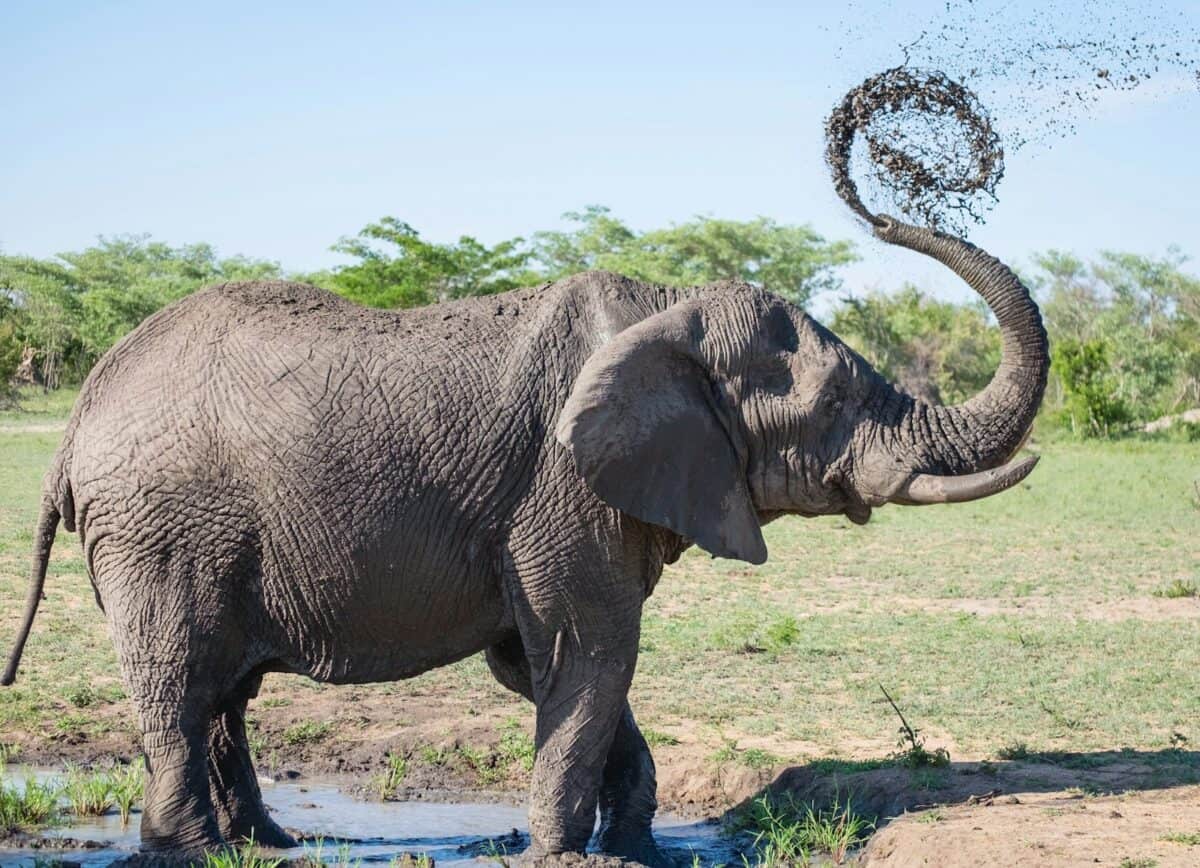
Modern technology has revolutionized our understanding of elephant migration patterns and how they respond to human encroachment. GPS collaring programs across Africa and Asia now track hundreds of elephants, providing unprecedented insights into their movements. These tracking systems reveal not just where elephants go, but how their behavior changes when encountering human landscapes. The Elephants and Bees Project, for instance, uses tracking data to understand how elephants respond to beehive fence deterrents along farm boundaries, helping design more effective non-lethal barriers that guide elephant movements away from conflict zones. Satellite imagery analysis allows conservationists to monitor landscape changes in elephant ranges, identifying new threats to migration routes before they become impassable barriers. Mobile phone alert systems built on tracking data now warn communities when elephants approach populated areas, reducing surprise encounters. These technological advances provide hope that with better information, solutions can be designed that accommodate both human development needs and elephant movement requirements.
Community-Based Approaches to Coexistence
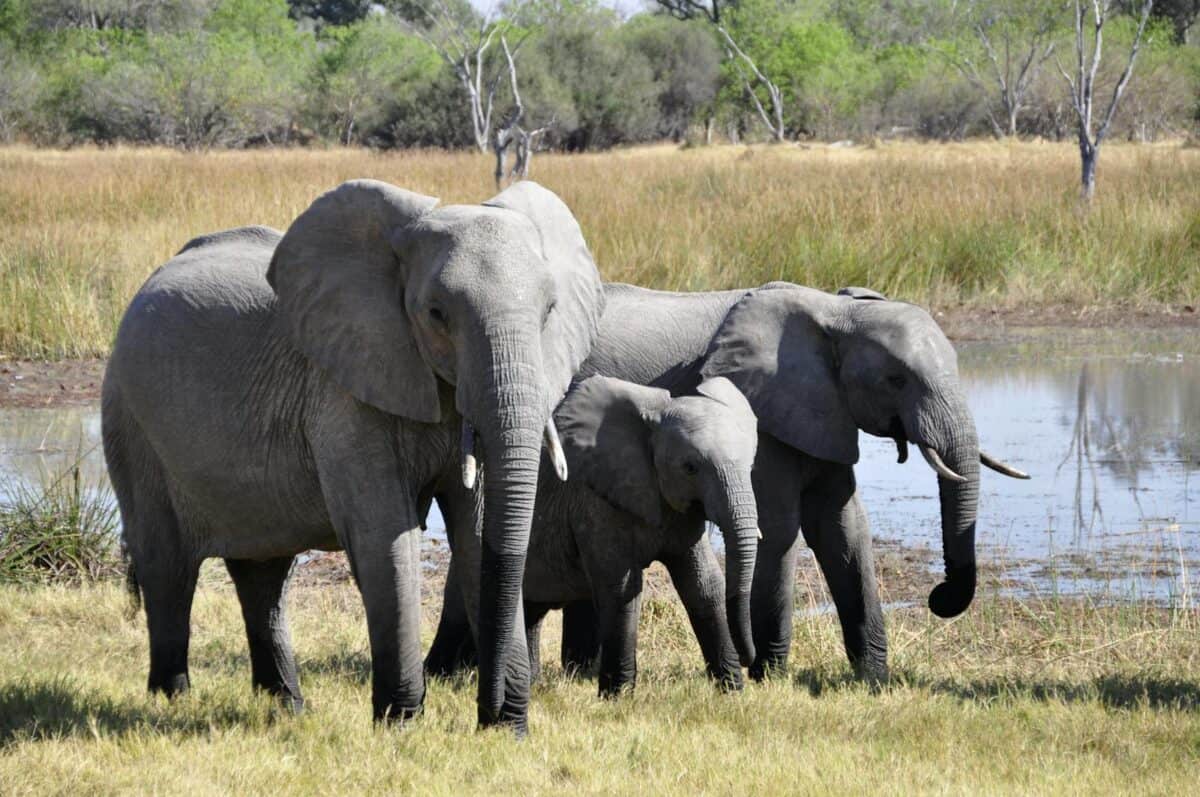
Successful efforts to preserve elephant migration increasingly center on involving local communities as partners rather than opponents in conservation. In Tanzania’s Tarangire-Manyara ecosystem, community-led land use planning has designated specific zones where development is limited to maintain elephant passage, with compensatory benefits provided to participating villages. These approaches recognize that for migration corridors to function long-term, they must deliver tangible benefits to the people who live alongside them. In Sri Lanka, community-based early warning systems alert villagers to approaching elephants, reducing dangerous surprise encounters while allowing elephants to follow modified but still functional migration routes. Economic incentives play a crucial role, with conservation-compatible enterprises like ecotourism providing alternative livelihoods that depend on maintaining healthy elephant populations and their movement patterns. By transforming elephants from perceived liabilities into community assets, these initiatives create stakeholders with vested interests in preserving migration corridors even as development continues.
Policy and Land Use Planning Considerations
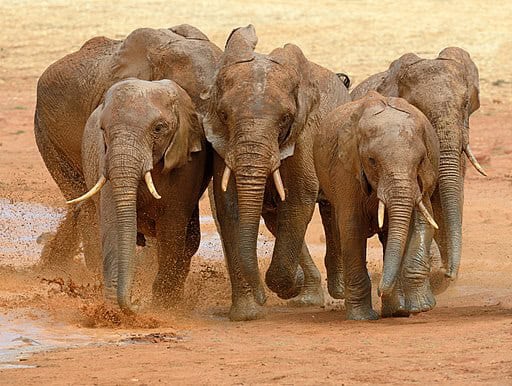
Addressing elephant migration disruption ultimately requires policy-level interventions that incorporate wildlife movement needs into development planning. Several countries have begun implementing such approaches with promising results. Botswana, Kenya, and Tanzania have designated specific elephant corridors in their national land use plans, providing legal protection for these critical pathways. In Malaysia, Environmental Impact Assessments now must specifically consider effects on elephant migration routes before major infrastructure projects can proceed. India has established the Right of Passage project, which identifies and legally protects 101 elephant corridors across the country. These policy frameworks represent a crucial shift from reactive conservation to proactive planning that accommodates both development needs and ecological connectivity. The most effective policies incorporate adaptive management approaches, using monitoring data to continuously refine corridor designations as elephant populations and human landscapes change over time. This integration of wildlife movement needs into mainstream development planning may ultimately determine whether elephants can maintain functional migration patterns in increasingly human-dominated landscapes.
The Future of Elephant Migration in a Changing World

The future of elephant migration stands at a critical crossroads. The decisions made in the coming decades about land use, infrastructure development, and conservation priorities will determine whether these magnificent animals can maintain their essential movement patterns or become increasingly isolated in wildlife islands. Climate change adds another layer of complexity, as shifting rainfall patterns may necessitate new migration routes just as human development makes adaptation more difficult. Yet amid these challenges, there are reasons for cautious optimism. The growing recognition of migration corridors as critical conservation targets has spurred innovative protection efforts across elephant ranges. Technological advances continue to improve our understanding of elephant movement needs, while community-based approaches demonstrate that coexistence is possible with appropriate strategies. If conservation efforts can secure key migration corridors while promoting human-elephant coexistence in shared landscapes, there remains hope that future generations will still witness the awe-inspiring sight of elephants following their ancient pathways across the landscape, adapting as they have for millennia to a world that continues to change around them.

- The Top 10 Animal Escapes That Shocked the World - July 20, 2026
- The Shark That Gives Birth Like Mammals - July 20, 2026
- Why Do Sharks Attack Humans? - July 20, 2026