
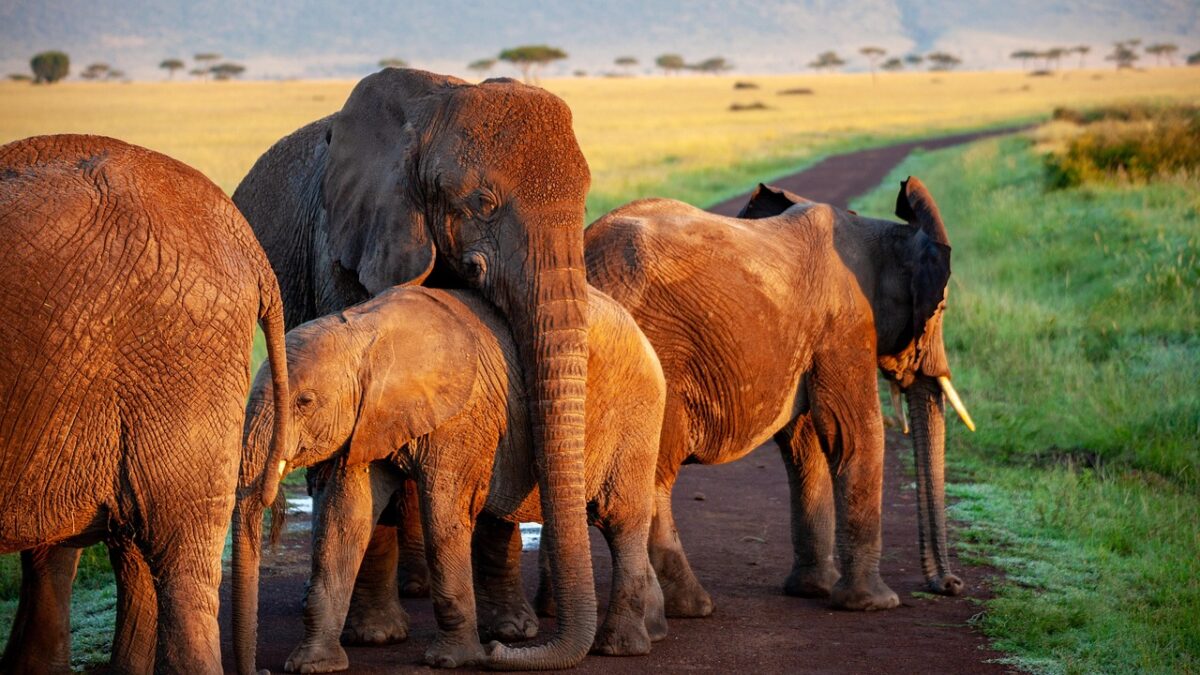
There are moments in nature that stop you in your tracks, moments that make you question where human emotion ends and animal emotion begins. When you see an elephant standing over the body of a fallen companion, trunk gently caressing bones that have long since been picked clean by scavengers, you can’t help but wonder what’s going through that massive, wrinkled head. Are they remembering?
Do they feel what we might call sorrow? These giant creatures have captivated scientists and observers for decades with their peculiar, almost sacred relationship with death. The science has been slow to catch up with what our hearts have always suspected, though. Let’s dive into what makes elephant mourning so extraordinary.
The Silent Vigil That Speaks Volumes
When Queen Victoria, one of the last surviving old matriarchs in Kenya’s Samburu National Reserve, died of natural causes in 2013, elephants from three separate families later inspected her bones. The three families were not related to Victoria, yet they clearly showed a connection to her. What’s striking isn’t just that they came, it’s how they behaved once they arrived.
When a matriarch named Eleanor collapsed in Samburu, another matriarch named Grace rapidly approached with facial glands streaming from emotion and lifted Eleanor back onto her feet. After Eleanor died that night, the visits continued. Her body was attended by her own family, another family, her closest friend Maya, and again Grace, with Maya spending an hour and a half with Eleanor’s body on the fifth day and Eleanor’s family returning a week after her death.
I find it absolutely fascinating how they don’t just rush in and leave. There’s a slowness to their mourning, a deliberateness. The relatives of Eleanor pulled and pushed her carcass for nearly a week after she died, with some rocking back and forth while others stood silently.
That silence, honestly, is what gets me most. The only sound is the slow blowing of air out of their trunks as they investigate.
They’re not making a spectacle. They’re processing something deeply personal.
The Tender Touch of Recognition
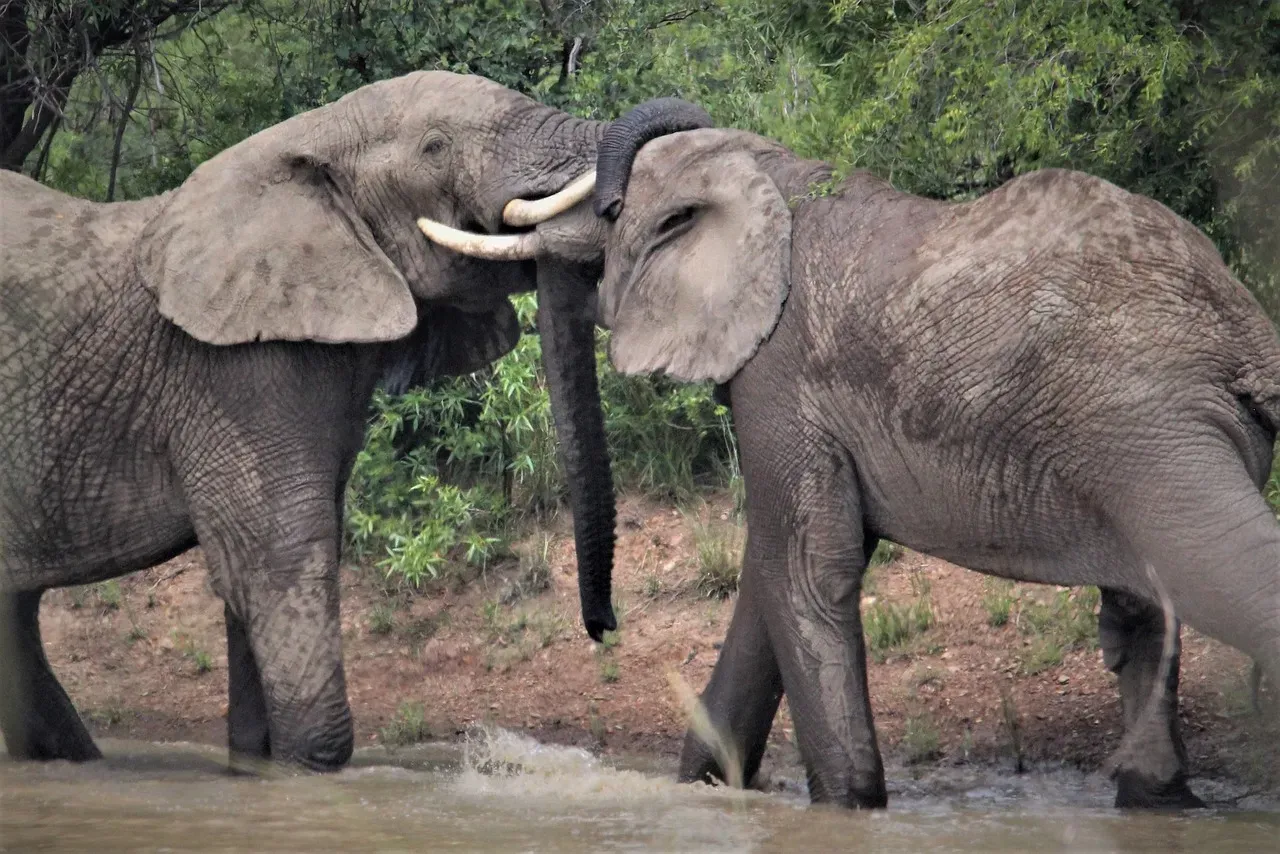
Elephants gently run their trunk tips along the deceased’s lower jaw, tusks, and teeth, parts that would have been most familiar to them and most touched during greetings. Here’s the thing: elephants greet each other in life by touching tusks and placing trunks in each other’s mouths. Elephants often greet each other by smelling another individual’s tusks and placing their trunk in the mouth of another, and for such intelligent animals with an incredibly acute sense of smell, recognition doesn’t seem too far-fetched.
So when they repeat these gestures with the dead, they might actually be attempting to identify who this was. Experts have gone so far as to say that elephants investigating the skull of their own species may very well be able to recognise the identity of the fallen member. Think about that for a moment. They’re not just examining bones as objects, they might be saying hello to someone they once knew.
The most often observed behaviors at carcasses included approaches, touching, and investigative responses, occurring at varying stages of decay from fresh carcasses to scattered and sun-bleached bones. This investigation of remains is a quiet, deferential process that they perform with bones of relatives and non-relatives alike, even when the bones are old.
There’s something almost reverent about it. You’d think after thousands of years of evolution, animals would have learned to just move on, but elephants haven’t.
Burial Rituals That Mirror Our Own
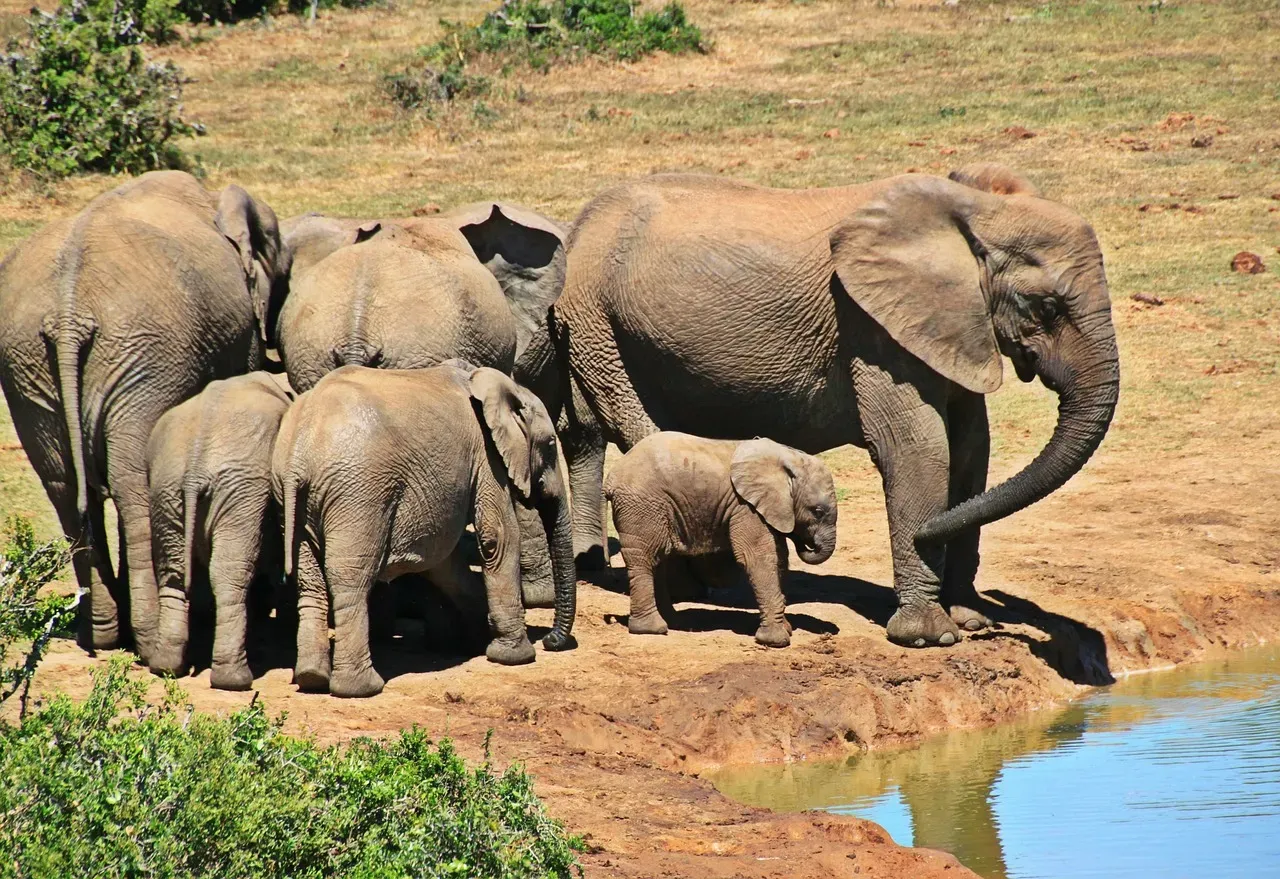
African forest elephants cover their deceased companions with branches and leaves, while Asian elephants demonstrate mourning behaviour by burying their deceased calves in specific locations such as irrigation ditches in tea estates. Let’s be real, this is where it gets almost uncomfortably human. Asian elephants loudly mourn and bury their dead calves according to a study by Indian scientists that details animal behavior reminiscent of human funeral rites.
Dead calves are often dragged to specific locations and covered with soil while leaving their legs exposed, indicating a level of awareness and agency among the elephants during the process. Why do they do this? Nobody knows for certain. Elephants sometimes cover dead elephants with soil and vegetation, making them the only other animals who sometimes perform simple burials, and they have done the same when humans are involved on several recorded occasions.
When sport hunters shot a large male elephant, the hunters returned hours later to find that others had not only covered their dead comrade with soil and leaves but had covered his large head wound with mud. I know it sounds crazy, but covering a wound? That’s not instinct. That’s something else entirely.
When Mothers Refuse to Let Go
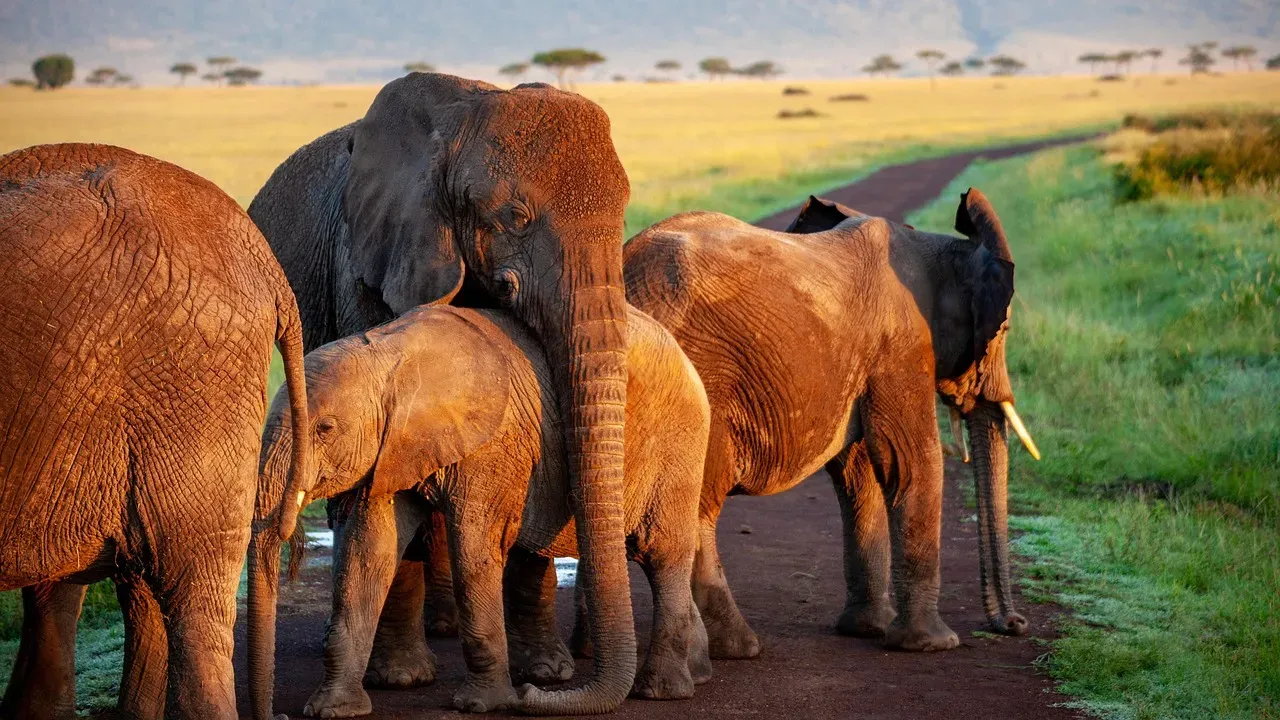
When a baby elephant dies, the mother’s grief is particularly intense as she stays close to the body caressing it with her trunk and emitting mournful sounds, sometimes refusing to leave the carcass and remaining by its side for several days. Watching a mother elephant with her dead calf is one of those things that strips away any doubt about whether animals feel emotions we’d recognize as our own.
In 10 out of 25 recordings, elephants had epimeletic or supporting reactions like attempting to lift, support or pull the dead elephant, and juvenile elephants used their tusks to gently nudge a dead body. They’re trying to wake them up, essentially. Her family was distressed that she wasn’t getting up.
It’s hard to say for sure, but that sounds a lot like denial, the same kind of denial we humans experience when someone we love dies and part of our brain just refuses to accept it. In all five cases of calf burials studied, the herd fled the site within 40 minutes of burial and later avoided returning to the area, instead taking different parallel routes for migration.
They remember where they buried their young. They actively avoid those places. That’s not random behavior.
The Emotional Symphony of Grief
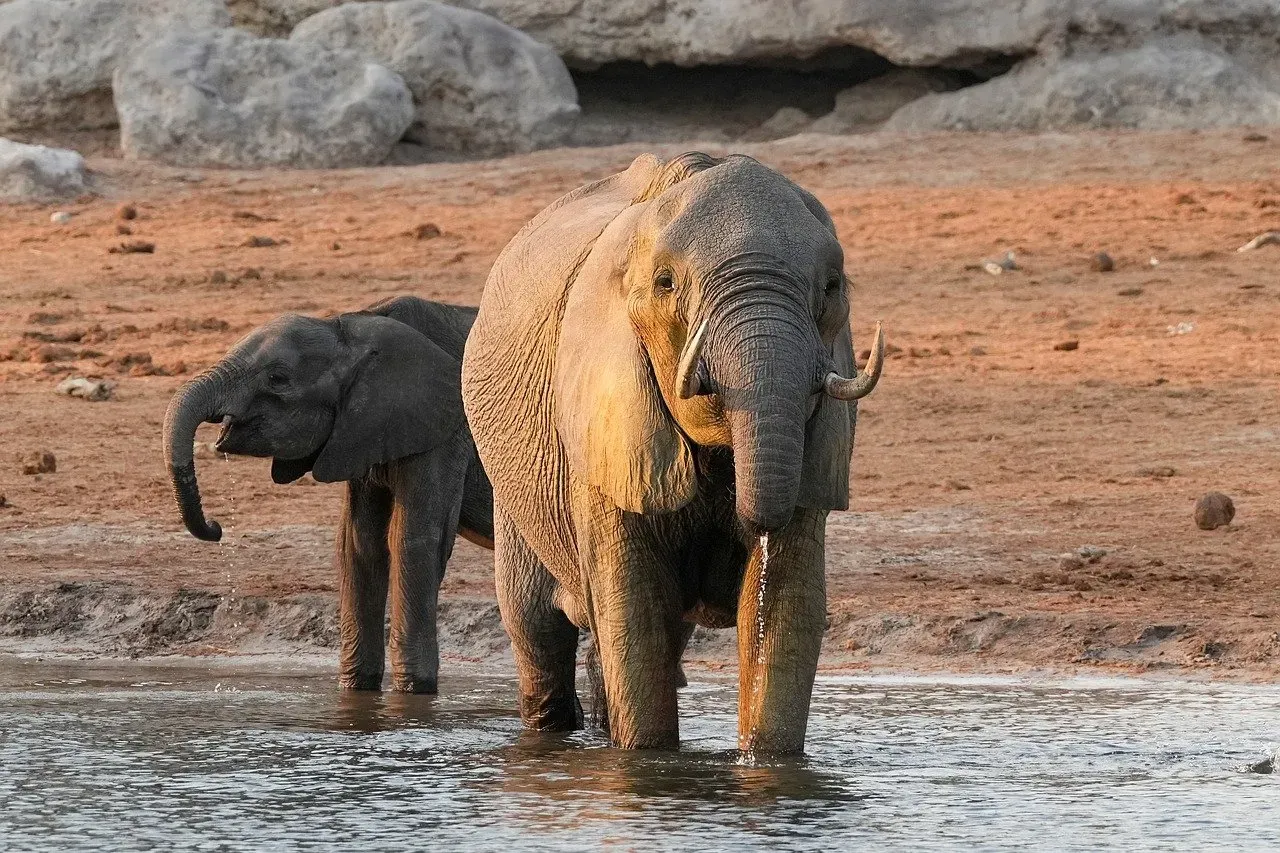
Elephants sound different when they are grieving, vocalizing in the forms of low grumbles and high-pitched screams following a death. During observations, elephants engaged in extensive investigative behavior, stationary behavior, self-directed behavior, temporal gland streaming, and heightened social interactions with other elephants in the vicinity of a carcass. That temporal gland streaming is particularly telling – it happens when elephants are experiencing heightened emotion.
Animal behavior expert Marc Bekoff describes an instance where a herd of elephants whose matriarch had died had heads down, ears dropping, tails hanging listlessly, just walking here and there, moping around, apparently brokenhearted. These aren’t subtle changes. Elephants bond with each other forming lifelong friendships, and when they lose a friend or relative they reject food, isolate themselves, guard the body, and sometimes die of grief.
Sometimes die of grief. Let that sink in for a moment. With the capacity to experience profound grief, empathy, and other emotions, elephants share with humans psychobiological structures and processes vulnerable to trauma.
Their brains aren’t just similar to ours in size, they’re similar in the regions that process emotion and memory.
Mourning Beyond Their Own Species
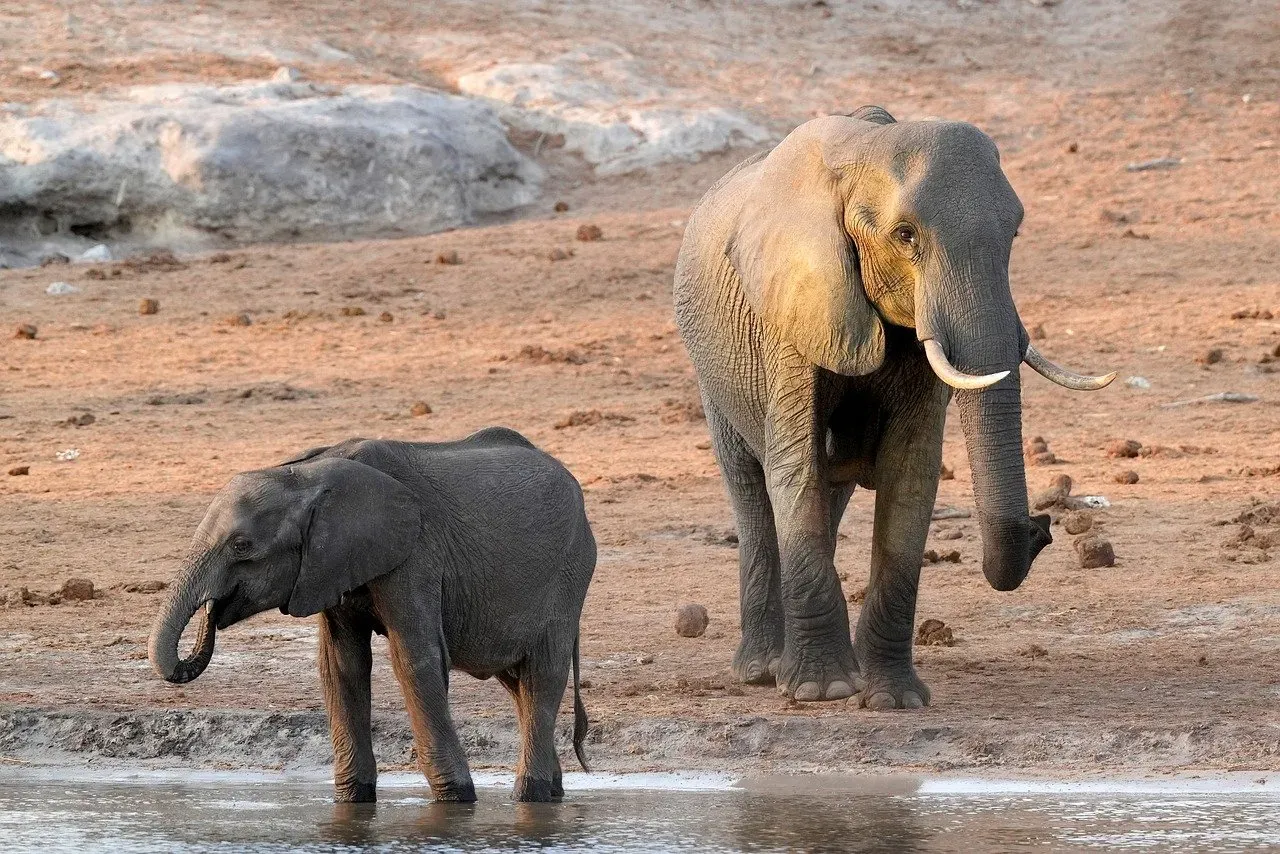
After the sudden death of Lawrence Anthony known as The Elephant Whisperer, two herds of once-aggressive African rogue elephants that he once rehabilitated inexplicably traveled 12 hours through the Zululand bush until they arrived at his home. They stayed at the compound with Anthony’s wife for two days, paying homage to the man who had saved their lives. How did they know he had died?
Nobody called them. They just showed up. Elephants also mourn the loss of humans, and wild elephants congregated for a two-day vigil when Lawrence Anthony passed away, traveling miles to stand guard outside his house.
Scientists struggle to explain this. Elephants only show these signs of grief for humans and other elephants, with no record of grief symptoms toward any other creature. This selectivity is actually important because it suggests their mourning isn’t just a generalized response to death but a specific emotional connection to beings they’ve bonded with.
Conclusion
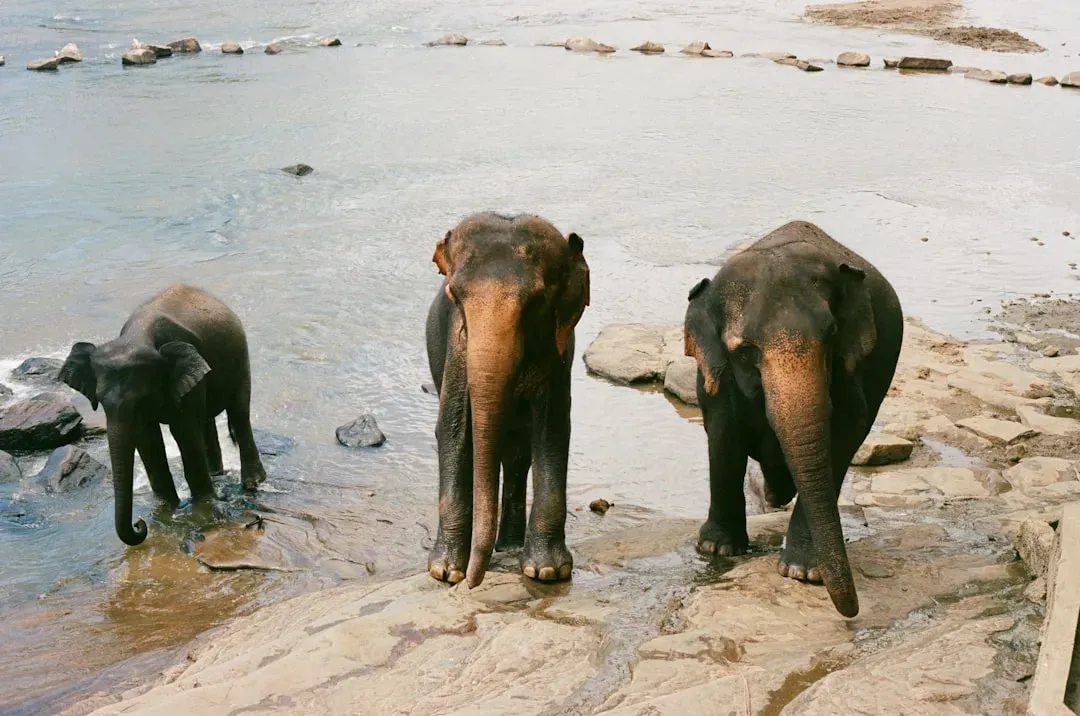
One anthropologist has stated she has no doubt that elephants grieve, noting they are smart and emotional creatures. The evidence has piled up over decades of observation, from Kenya to India to sanctuaries around the world. Unlike other animals, elephants appear to experience profound and long-lasting grief.
What we’re witnessing isn’t instinct in the traditional sense. It’s culture, emotion, memory, and something that looks remarkably like what we call love. Elephants are at present the gold standard in animal grief studies, in part because two long-term elephant behavior projects in Kenya furnished us with examples including when Eleanor was dying and died, with elephants of five different families carrying out behaviors of concern or distress.
We may never fully understand what goes through an elephant’s mind when they stand over the bones of their dead. Perhaps that’s okay. Maybe the mystery is part of what makes it so profound, reminding us that grief isn’t uniquely human, it’s universal.
What do you think – can we truly understand what elephants feel, or are we just seeing what we want to see? Tell us in the comments.

- Why Mangroves Are Vital to Florida’s Coast - July 19, 2026
- How Did Reindeer Become a Symbol of Christmas? - July 19, 2026
- 10 Facts About The Endangered Jaguarundi - July 19, 2026