


Welcoming bats into your garden might not seem like the obvious choice for pest control, but these nocturnal creatures are both prolific and efficient at keeping pest populations under control. Bats provide a natural, chemical-free solution to garden pest problems, making them an environmentally friendly choice for gardeners. Here, we explore why bats are beneficial for pest control and how you can encourage their presence in your garden.
Understanding the Role of Bats in the Ecosystem
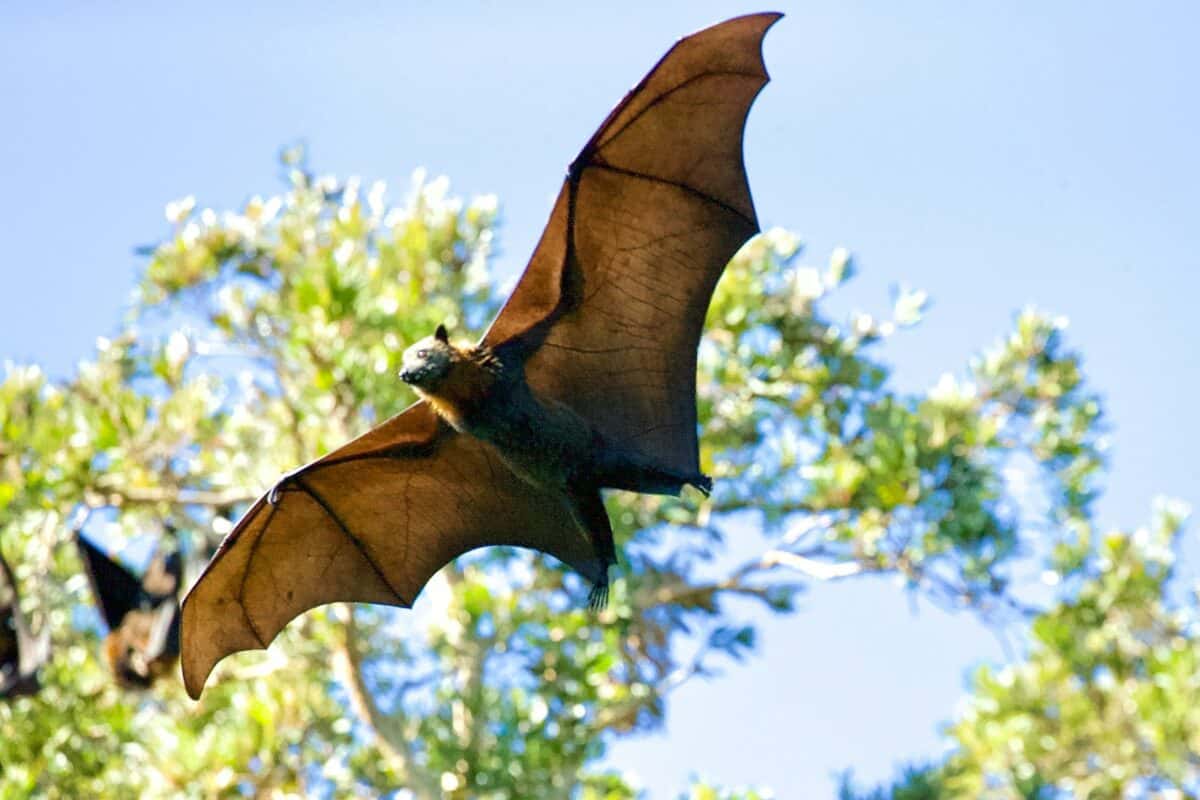
Bats play a crucial role in maintaining the ecological balance. As natural predators of insects, they help regulate populations of mosquitoes, moths, beetles, and other pests that can damage crops and spread disease. A single bat can consume up to 1,200 insects in an hour, highlighting their value as pest controllers. This makes them an ally in organic gardening practices.
The Benefits of Natural Pest Control

Using bats for pest control reduces the need for chemical pesticides, which can harm beneficial insects and pollinators like bees and butterflies. This natural method is sustainable and promotes biodiversity, keeping your garden healthier and safer for both humans and wildlife.
Identifying Bat-Friendly Locations
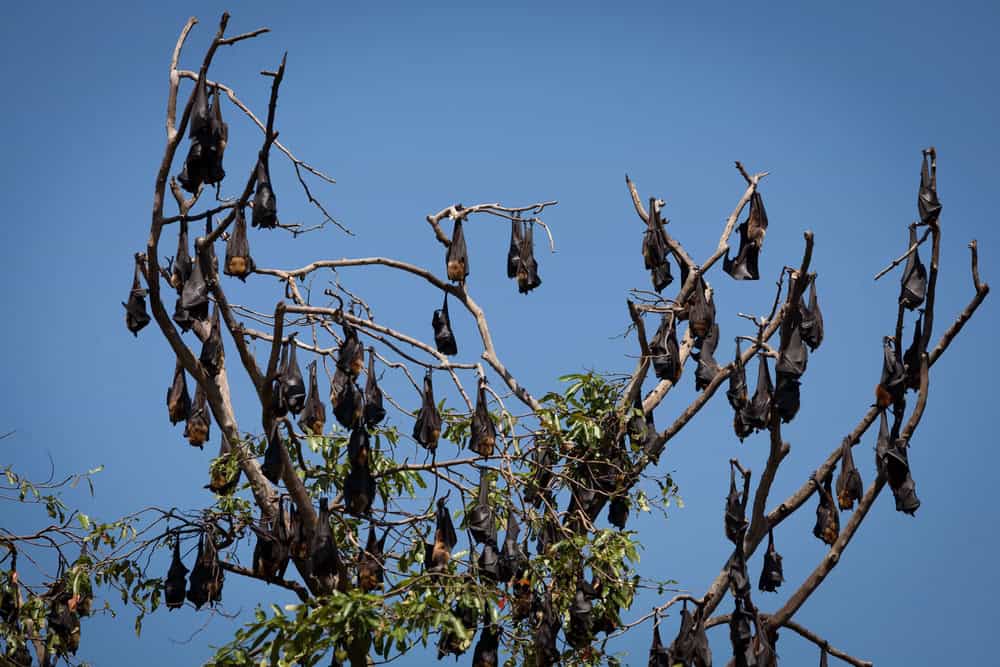
Bats usually prefer areas that offer both food and shelter. Gardens that are close to water bodies like ponds or rivers are particularly attractive, as these environments are rich in insects. By creating a welcoming habitat, gardeners can encourage bats to settle and hunt in their space.
Installing Bat Houses
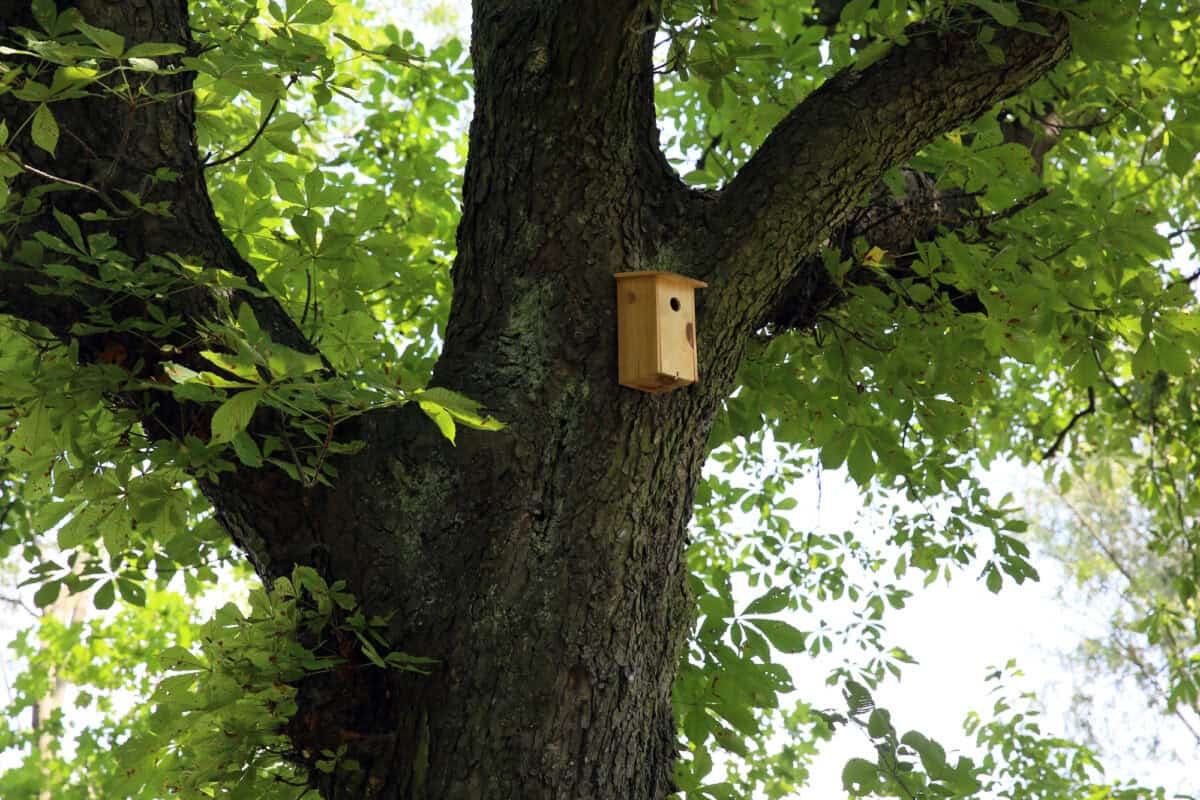
One of the best ways to invite bats to your garden is by installing bat houses. These structures provide bats with safe, dry places to roost, essential for their survival. When placing a bat house, consider positioning it at least 12 feet above the ground in a sunny spot, ideally where they can easily access water sources.
Selecting the Right Bat Species
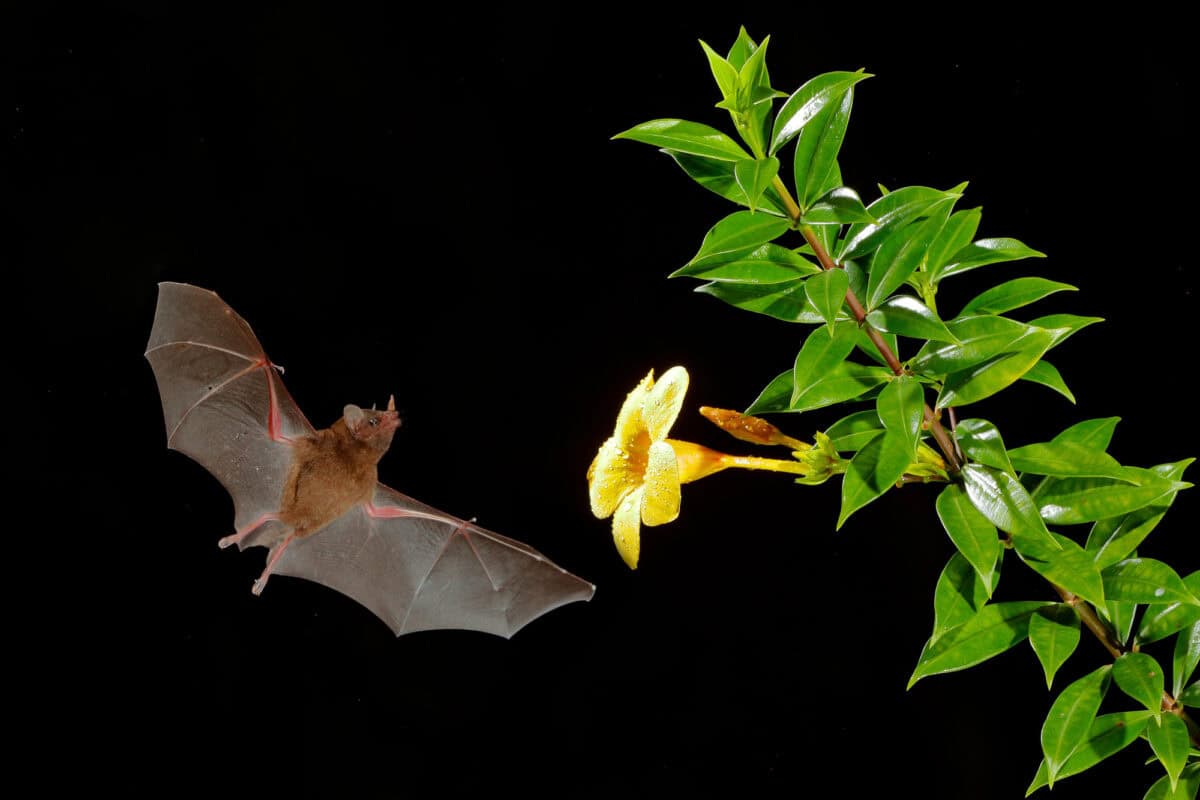
Not all bat species will be equally effective for pest control. Research local bat species that are known for eating insects and tailor your garden environment to support their needs. In North America, the little brown bat is a particularly effective pest eater, while in Europe, the common pipistrelle is beneficial.
Creating a Bat-Friendly Garden Environment

To attract bats, create a diverse landscape that includes various plant species that bloom at different times of the year. This attracts a range of insects for bats to prey on. Avoid using pesticides and consider planting night-blooming flowers that draw in nocturnal insects.
Maintaining Water Sources

Ensuring there is a reliable water source nearby can help attract bats. Ponds, water gardens, or even birdbaths can provide the hydration bats need. The presence of water will also increase the insect population, providing more food for the bats.
Understanding Bat Behavior
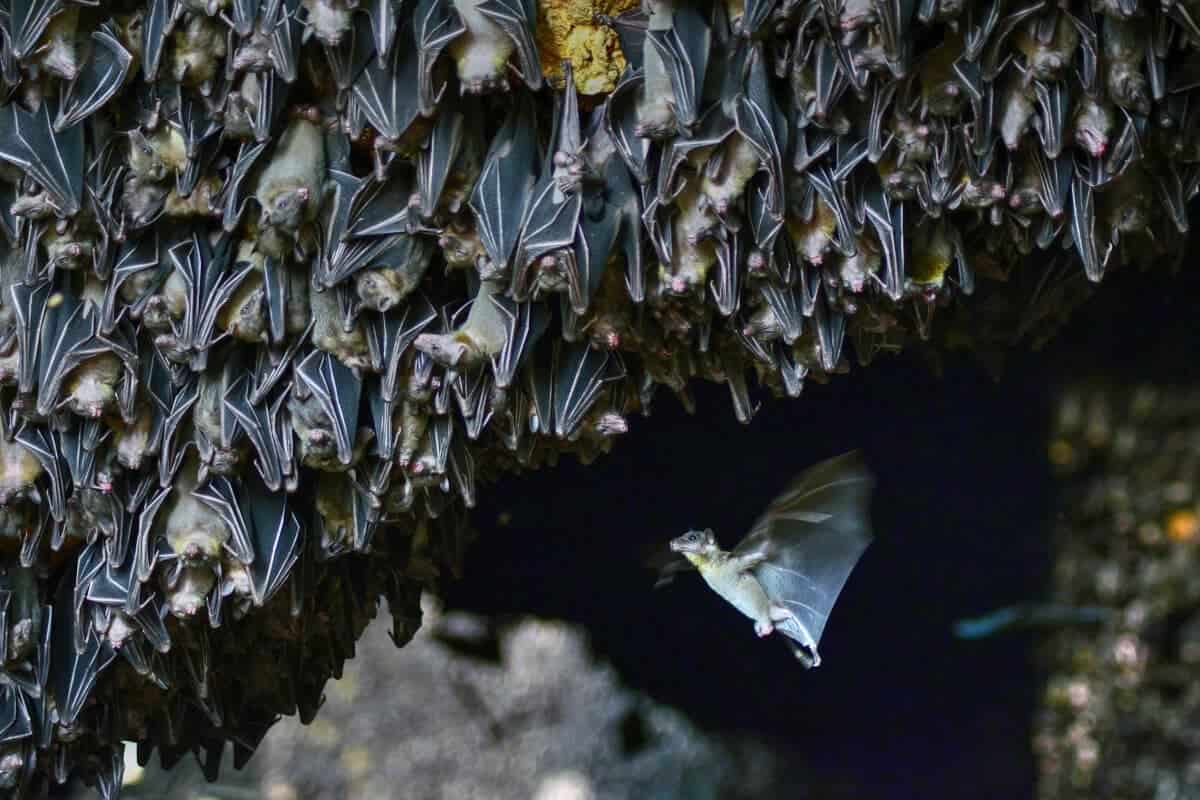
Bats are mostly active during the spring and summer months when insect populations are high. Understanding their behavior patterns can help you better tailor your garden to meet their needs during these periods, ensuring they stick around to help with pest control.
Protecting Bats from Threats
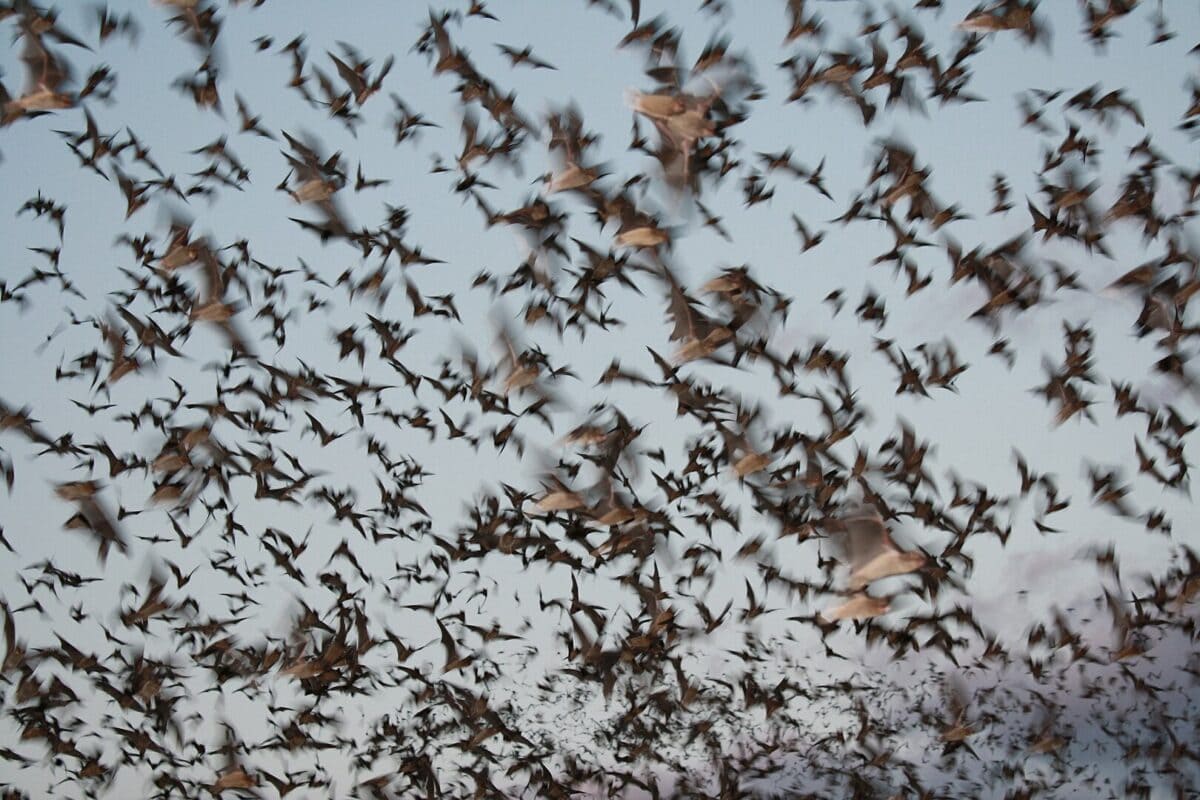
While bats are beneficial, they face numerous threats from habitat loss and diseases like White-nose Syndrome. Protect them by fostering an environment free from pollutants, maintaining their habitats, and raising awareness about their ecological importance.
Myths and Misconceptions about Bats

Many myths surround bats, including the belief that they are aggressive or responsible for spreading diseases like rabies. In reality, bats are shy creatures that prefer to avoid human contact. Educating yourself and others on the true nature of bats can help dispel these myths, fostering a more bat-friendly community.
Monitoring Bat Activity
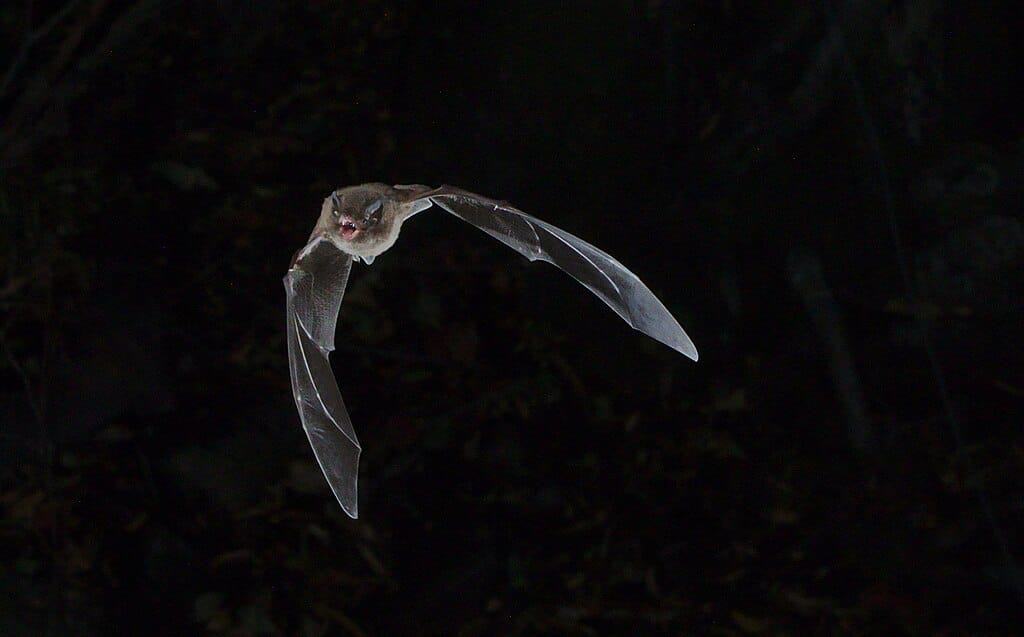
Once you’ve taken steps to encourage bats in your garden, monitor their activity to see how effective they’ve been in controlling pests. Keep a record of pest levels throughout the growing season and note any changes that coincide with an increase in bat activity.
The Long-Term Impact of Bats in the Garden
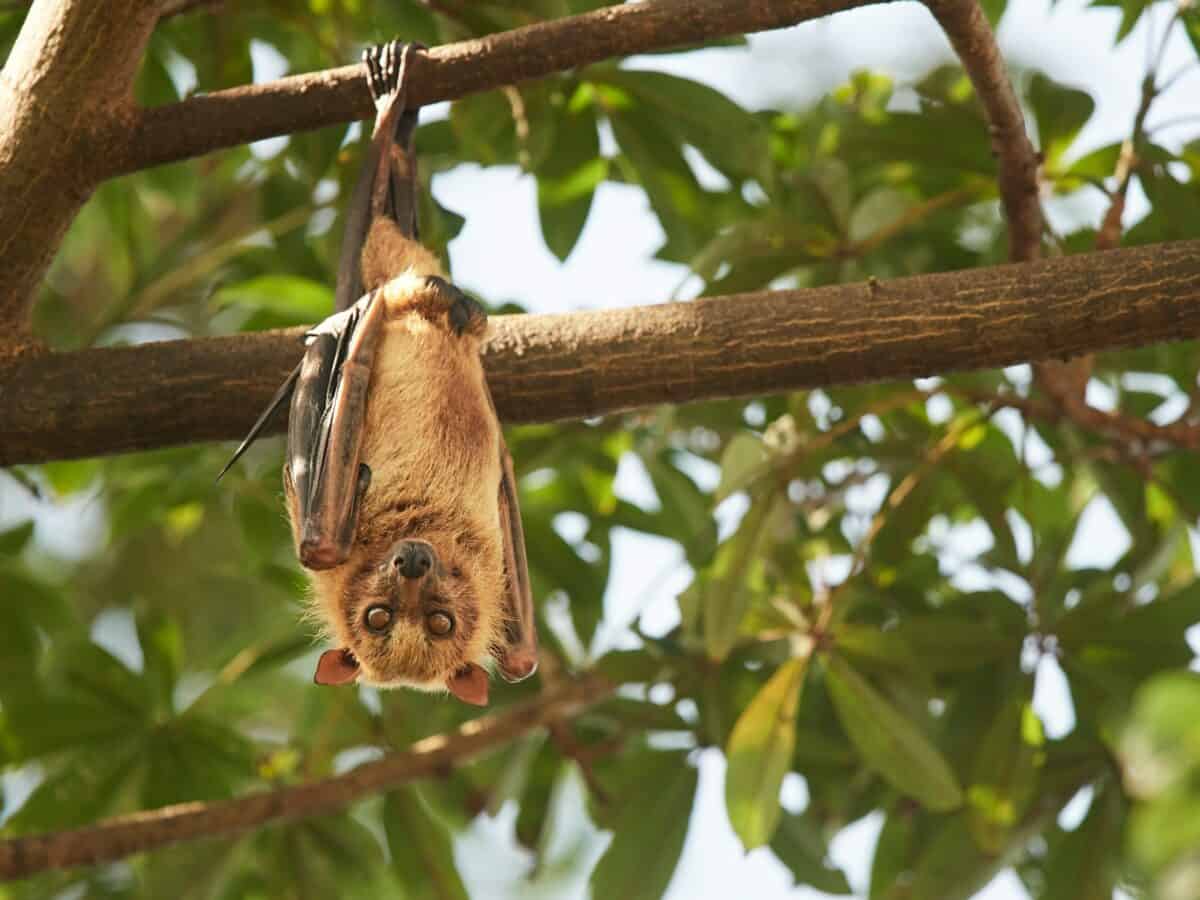
Bats not only help with immediate pest control but also improve the long-term health of a garden’s ecosystem. By maintaining an environment that supports bats, gardeners can enjoy a balanced, thriving garden and contribute to the conservation of these vital creatures.
Conclusion: Embracing Bats as Garden Allies

Encouraging bats in your garden is a win-win for both gardeners and the environment. By providing them with a welcoming habitat, you can naturally manage pest populations, reduce reliance on chemical interventions, and support the broader ecosystem. Embrace bats as allies, and your garden will thrive in balance and biodiversity.

From exploring the marine wonders in the Azores and witnessing the vast savannas of Kenya, to delving deep into the rich biodiversity of South Africa and traversing iconic landscapes in Australia and the US like Yellowstone, Chris's experiences are vast.
With a penchant for diving alongside sharks, the ocean holds a special place in his heart.
Through his academic insights, he champions wildlife conservation, striving with 'Animals Around The Globe' to cultivate a profound connection between humans and animals, enhancing our mutual appreciation.
Connect with him at Feedback@animalsaroundtheglobe.com.
- Why Flamingos Are Flocking to New Jersey’s Salt Marshes - July 20, 2026
- How a Giant Sloth Skeleton Changed Evolution Theories - July 20, 2026
- The Wildlife Cost of Your Chocolate Bar—and How to Make Ethical Choices - July 20, 2026