

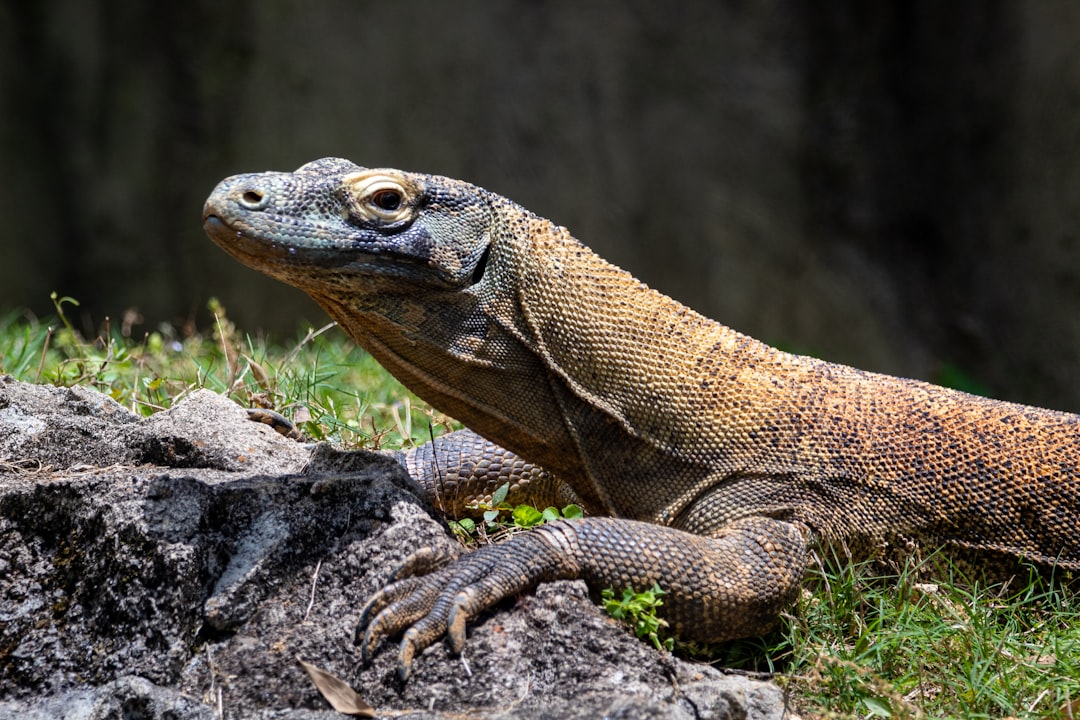
Gigantic Lizards Embark on Conservation Journey (Image Credits: Unsplash)
Jakarta – Indonesia finalized an agreement last week to loan a male and a female Komodo dragon to iZoo in Japan’s Shizuoka Prefecture, marking a significant step in international conservation efforts.[1][2] The deal, which includes red pandas and giraffes heading the other way, underscores growing collaboration on wildlife protection amid rising threats to biodiversity. Officials hailed the move as an example of green diplomacy ahead of high-level bilateral meetings.
Gigantic Lizards Embark on Conservation Journey
Komodo dragons, the largest lizards on Earth, now face a transcontinental relocation in hopes of bolstering their numbers. These formidable reptiles, known for their powerful builds and up to three-meter lengths, will arrive at iZoo potentially as early as June.[1] Forestry Ministry conservation official Ahmad Munawir confirmed the pair’s dispatch following a business-to-business pact between the involved zoos.
The exchange builds on a formal signing between Indonesian Forestry Minister Raja Juli Antoni and Shizuoka Prefecture Governor Yasutomo Suzuki. This arrangement not only targets breeding success but also aims to educate visitors on endangered species. Indonesia maintains a wild population exceeding 3,000 individuals, yet global pressures demand such proactive measures.[3]
iZoo Shizuoka: A Reptile Haven Prepares
Japan’s premier facility for reptiles and amphibians, iZoo houses more than 400 species and 2,000 animals, positioning it ideally for this high-profile addition.[2] Local reports from TV Shizuoka highlighted preparations for the dragons’ integration into specialized enclosures designed to mimic their natural habitat.
Experts at the zoo anticipate the pair’s contribution to a sustainable breeding program, potentially yielding offspring to support reintroduction efforts. The facility’s track record with exotic species ensures rigorous health monitoring and environmental enrichment. Shizuoka officials view the loan as a boost to public engagement with conservation issues.
Threats Mounting Against the Komodo Icon
Listed as endangered by the IUCN Red List, Komodo dragons confront habitat loss, climate change impacts, and human encroachment on their Indonesian island homes.[1] Rising sea levels alone threaten to shrink viable territories significantly over coming decades.
Key challenges include:
- Poaching and illegal trade in body parts.
- Declining prey populations due to overfishing.
- Tourism pressures on Komodo National Park.
- Climate-driven shifts in vegetation and water availability.
- Small population size increasing genetic vulnerabilities.
Breeding programs like this one offer a critical buffer, allowing controlled population growth outside shrinking wild ranges.
Green Diplomacy Strengthens Ties
The timing aligned with Indonesian President Prabowo Subianto’s visit to Japan, where he met Prime Minister Sanae Takaichi, signaling wildlife as a pillar of bilateral relations. Minister Raja Juli Antoni described the pact as extending beyond mere animal swaps to embody Indonesia’s biodiversity stewardship.[2]
Such exchanges promote shared responsibility for global species. Indonesia gains red pandas – vulnerable mammals symbolizing conservation priorities – and giraffes, enhancing its own zoo genetics. Both nations anticipate heightened awareness through exhibits and programs.
Critics Question Captive Approaches
Not all voices applaud the initiative. People for the Ethical Treatment of Animals (PETA) argued against using the dragons as diplomatic tools. PETA Asia President Jason Baker stated that shipping them overseas perpetuates myths about zoo-based conservation, leaving any offspring in lifelong captivity.[1]
Advocates urge habitat protection over relocation. Officials countered that the loan adheres to international standards, with transparency and welfare protocols in place. Debates highlight tensions between ex-situ breeding and in-situ preservation.
Key Takeaways
- Two Komodo dragons head to iZoo Shizuoka for breeding, arriving possibly in June.
- Exchange includes red pandas and giraffes to Indonesia, promoting mutual conservation.
- Initiative ties into green diplomacy amid ongoing threats like climate change.
This reciprocal deal exemplifies innovative paths forward for endangered icons like the Komodo dragon. As the reptiles settle into their new home, their story could inspire broader action on biodiversity loss. What do you think of this international wildlife swap? Share your views in the comments.

- Urban Coyotes Show Remarkable Adaptability, Learning to Thrive in City Environments - July 22, 2026
- Beavers Are Nature’s Engineers, Creating Vital Habitats for Other Wildlife Species - July 21, 2026
- The Recovery of the California Condor Offers Hope for Other Critically Endangered Birds - July 21, 2026