

Fireflies, also known as lightning bugs, are fascinating creatures that have captured the imaginations of people around the world. These luminescent beetles are not only a beautiful spectacle on warm summer nights but also a subject of scientific inquiry due to their unique ability to produce light. But why do fireflies light up? The answer involves a complex interplay of biology, chemistry, and ecology. In this article, we will explore the reasons behind this enchanting phenomenon, shedding light on the mysterious glow of these remarkable insects.
The Science Behind the Glow

At the core of the firefly’s glow is a biochemical reaction that occurs in specialized cells located in their lower abdomen. This process is known as bioluminescence, a natural form of light production that is found in various marine organisms, fungi, and insects. The key players in this chemical reaction are a substance called luciferin and an enzyme named luciferase.
When oxygen is introduced into the firefly’s cells, it interacts with luciferin in the presence of luciferase, resulting in the production of light—a reaction powered by the energy-carrying molecule ATP (adenosine triphosphate). The absence of waste heat is a remarkable feature of their light, demonstrating an efficient conversion of chemical energy into light energy. This efficiency allows fireflies to shine brightly without burning themselves or generating heat, making their glow truly unique compared to artificial light sources like bulbs.
The Purpose of Fireflies Lighting Up

So, why do fireflies light up? The reactions and processes behind their light have significant ecological and social purposes. Primarily, these functions can be broken down into three main categories: communication, mate attraction, and predator avoidance.
Mating and Communication
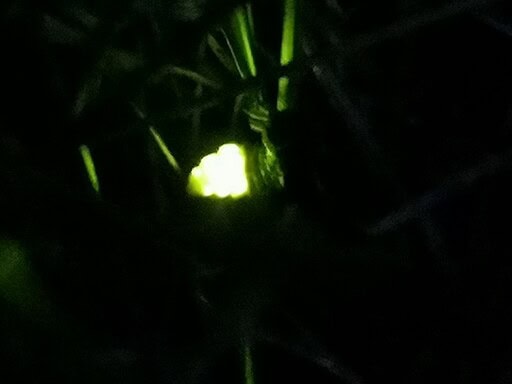
For most fireflies, lighting up is an essential part of their courtship rituals. Each firefly species has its own specific light pattern that serves as a signal for attracting mates. Typically, males fly around emitting a unique flash pattern, while females respond with their own signals to indicate their interest. This exchange of light patterns helps fireflies recognize and select suitable mates of the same species, aiding in successful reproduction.
Defense Mechanism
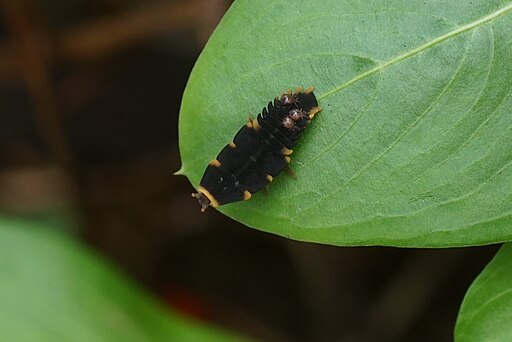
In addition to mating, fireflies also use light to ward off potential predators. The chemical reaction that produces their glow also results in the creation of distasteful or toxic compounds. By flashing their lights, fireflies communicate their unpalatability to predators such as birds and larger insects, acting as a deterrent. This is a classic example of aposematism, where organisms use warning signals to advertise their danger or unpalatability to predators.
Fireflies and Their Ecosystem

Fireflies play a crucial role in the ecosystems they inhabit. By serving as prey for certain animals and as predators themselves (particularly in their larval stage), they contribute to controlling pest populations and maintaining ecological balance. Furthermore, as indicators of environmental health, healthy firefly populations usually indicate a vibrant ecosystem.
Unfortunately, firefly populations are declining globally due to factors like habitat loss, light pollution, and pesticide use. Protecting habitats and reducing light pollution in particular can help conserve these incredible insects and maintain the roles they play in their ecosystems.
Conclusion

The light of fireflies is more than just a visual wonder—it is an intricate biological marvel serving essential purposes in communication, mating, and defense. Understanding why fireflies light up gives us insight not only into the complexity of the natural world but also into the delicate balances within ecosystems. As we continue to explore and learn from these luminous beetles, it is crucial to ensure their conservation and protect their glowing habitats for future generations to marvel at.

- This Bird Migrates Over 7,000 Miles Without Stopping Once - June 25, 2026
- Penguins Stay Warm in Freezing Waters With a Secret Superpower - June 25, 2026
- The Deepest-Dwelling Sea Creatures Ever Discovered - June 25, 2026