
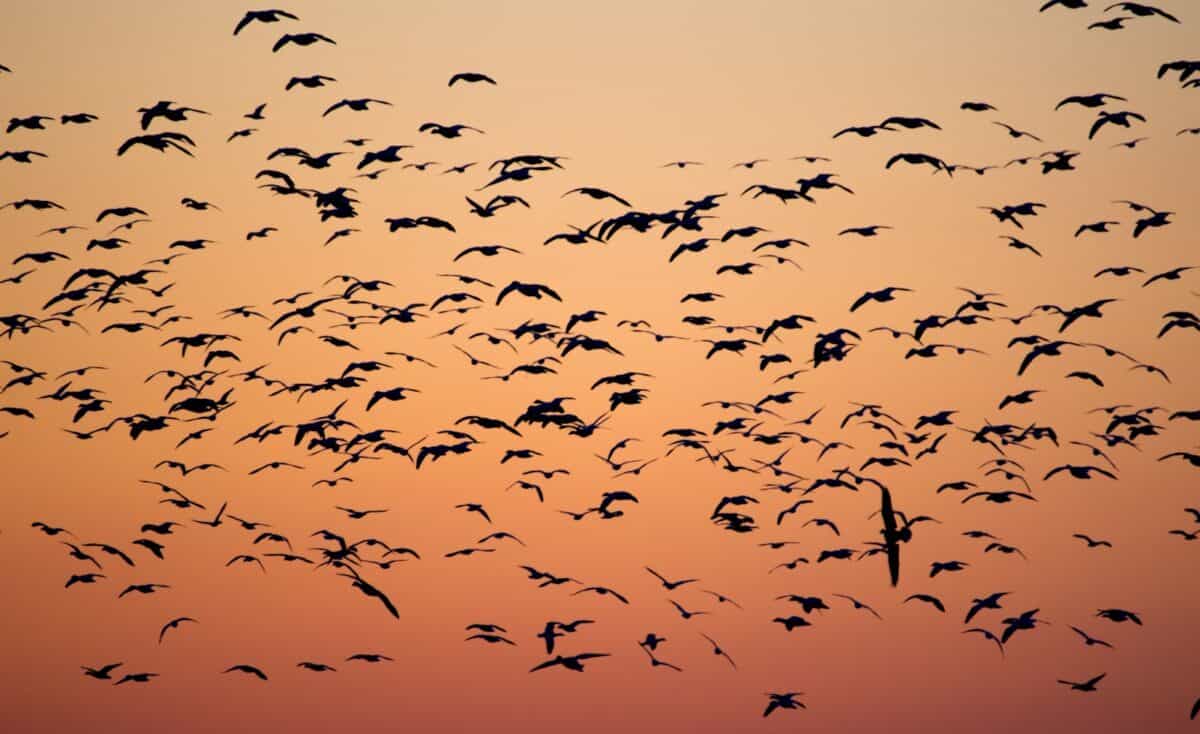
The world of avian migration is rife with awe-inspiring feats of endurance and navigation, but few can rival the sheer determination and capability of the Bar-tailed Godwit. This incredible shorebird embarks on one of the longest nonstop migratory flights known to science, traversing over 7,000 miles without taking a single break. This extraordinary feat captivates scientists and bird enthusiasts alike, posing questions about stamina, navigation, and the adaptability of animals. Join us as we explore the remarkable migration of the Bar-tailed Godwit and the physiological marvels that make this journey possible.
Understanding the Bar-tailed Godwit
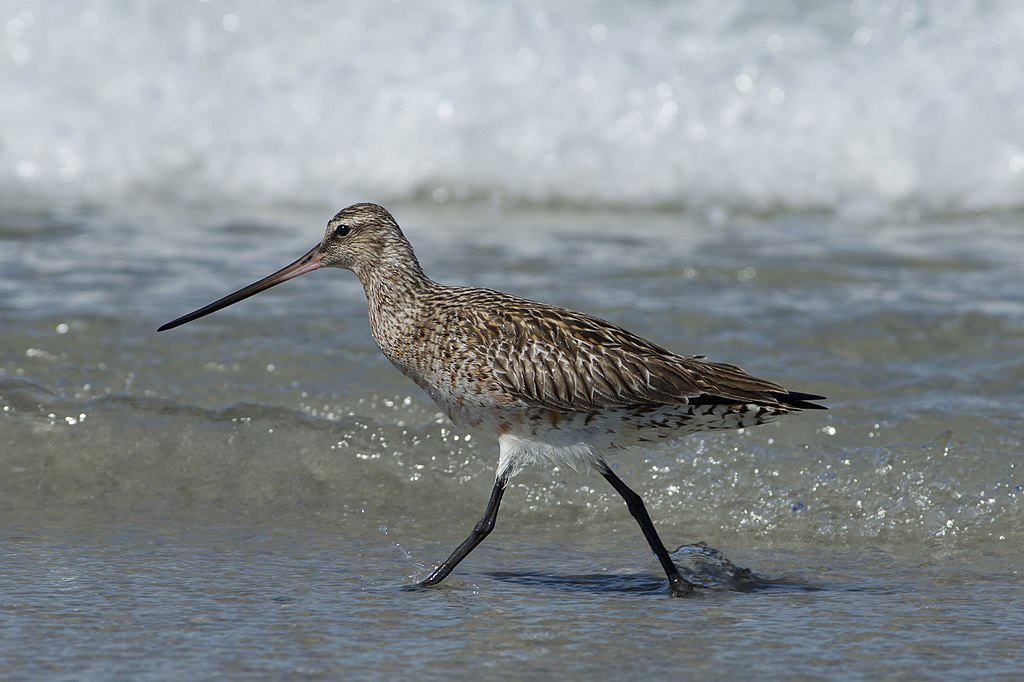
The Bar-tailed Godwit (Limosa lapponica) is a large wader bird known for its distinctive long, slightly upturned bill and mottled plumage. These birds are primarily found in the arctic and subarctic regions during the breeding season, but their migratory path spans across various continents, providing a glimpse into their impressive global reach. These godwits are recognized for their unique adaptation to long-distance travel, which has made them one of the most researched migratory birds.
From Alaska to New Zealand

Every year, the Bar-tailed Godwit embarks on an epic migratory journey from its breeding grounds in Alaska to its wintering habitats in New Zealand and Australia. This path covers an astonishing 7,000 miles without stopping, making it the longest known nonstop flight undertaken by any bird. The journey usually begins in September, as the birds leave the cooling arctic climate and head southwards to warmer regions.
Navigational Mastery
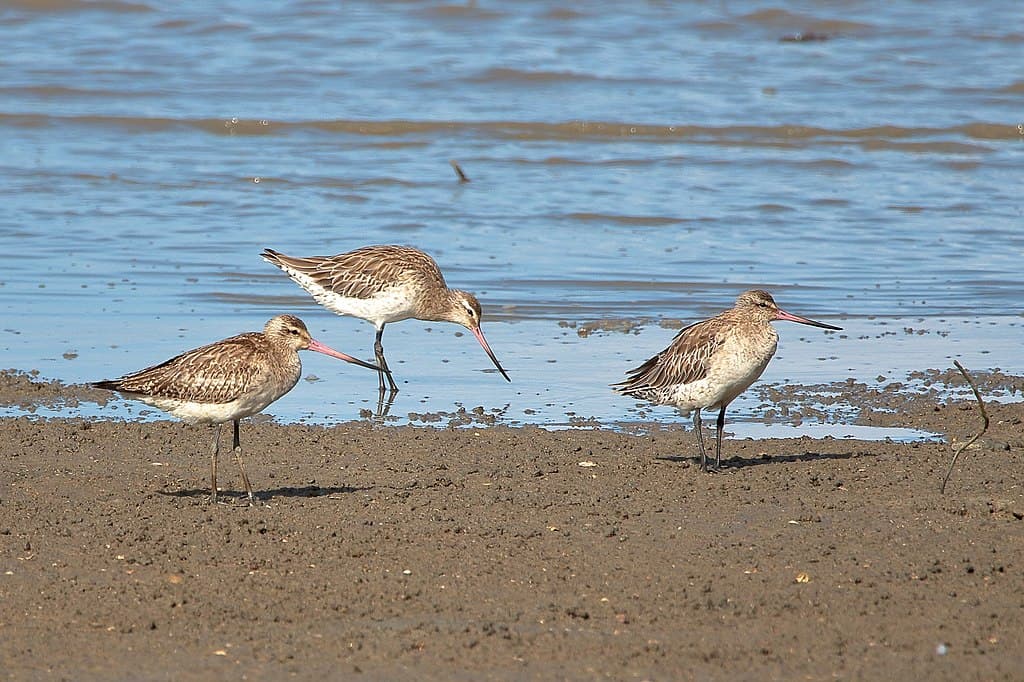
One of the most intriguing aspects of the Bar-tailed Godwit’s migration is its exceptional navigational ability. Scientists believe that these birds utilize the Earth’s magnetic fields, sun positioning, and even the stars to chart their course across vast oceans. Their built-in GPS is yet another testament to the incredible capabilities of avian species.
Fueling the Epic Flight
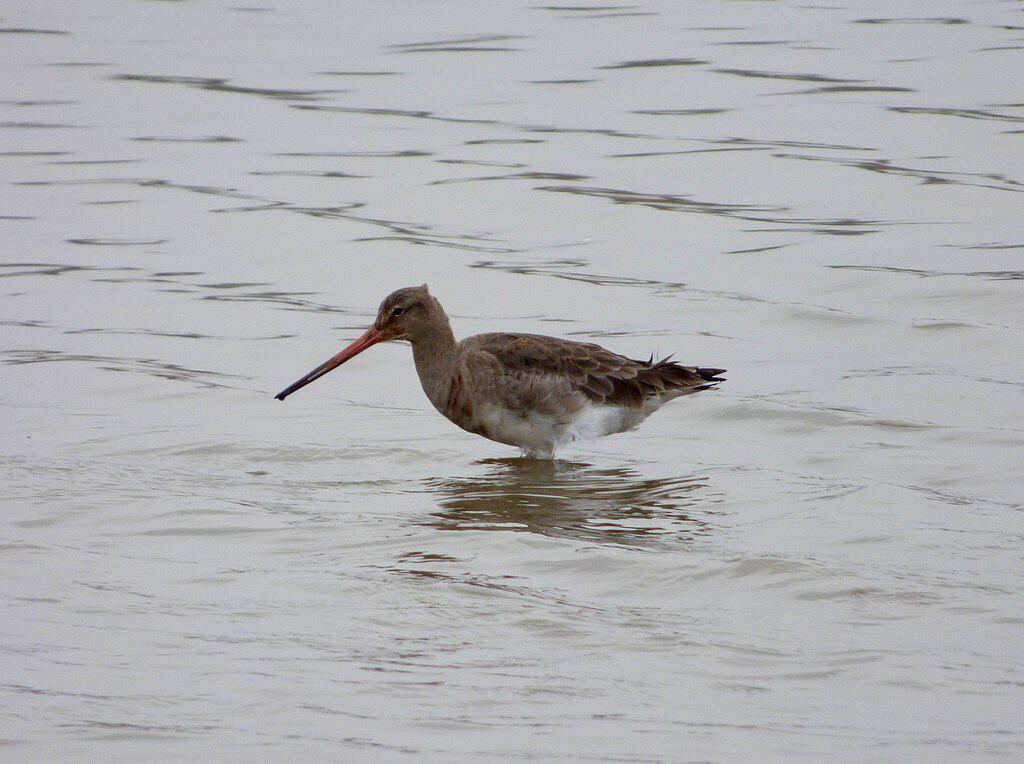
Before embarking on their long migratory flight, Bar-tailed Godwits undergo a significant physiological transformation. They accumulate substantial fat reserves, which can account for up to 55% of their body weight. This stored energy is crucial, as it sustains them through their nonstop journey. The godwits also experience muscle hypertrophy, especially in their pectoral muscles, which enhances their flight endurance.
Adapting to Harsh Conditions
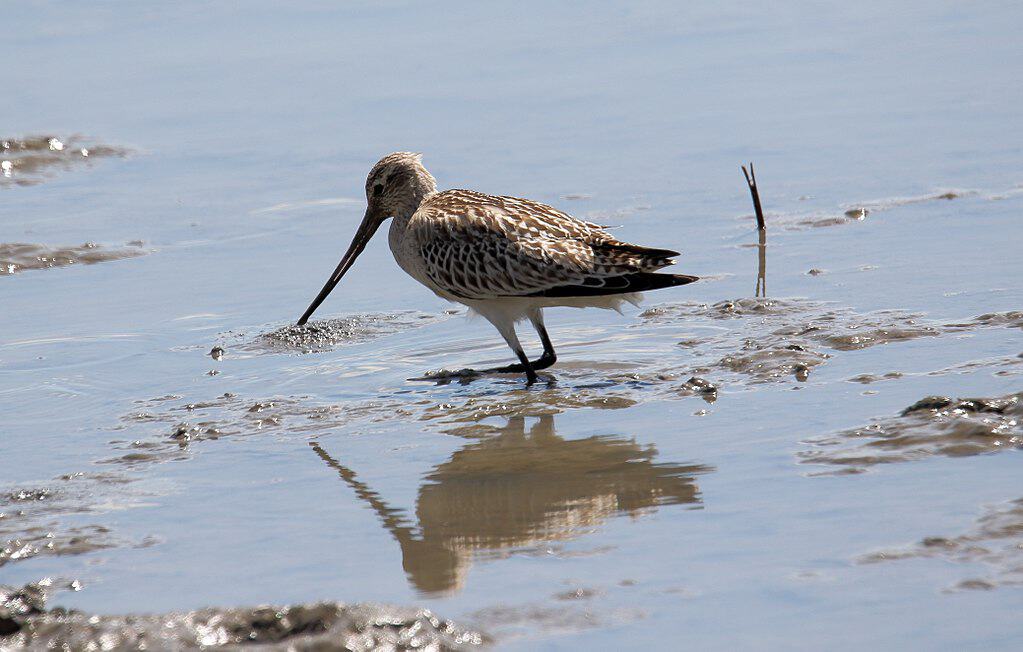
During their marathon flight, Bar-tailed Godwits face numerous environmental challenges, including strong headwinds and unpredictable weather patterns. Their adaptation to such conditions involves not only physical endurance but also an ability to adjust their altitude to take advantage of favorable wind currents. This adaptation is a remarkable example of evolutionary success in migratory behavior.
Impact of Climate Change

Like many migratory species, Bar-tailed Godwits are affected by the changing climate. Rising global temperatures and altered weather patterns can shift the timing and availability of resources along their migratory route. Understanding how these changes impact godwits is crucial to conserving these birds and their habitats.
Tracking the Journey

Technology, particularly satellite tracking, has been pivotal in understanding the migratory patterns of the Bar-tailed Godwit. Lightweight tracking devices attached to the birds provide valuable data on their routes, stopover sites, and time spent at various locations. This data not only informs conservation efforts but also deepens our understanding of migratory mechanics.
Conservation Concerns

The Bar-tailed Godwit faces several conservation challenges. Habitat loss due to urbanization and pollution, notably in crucial feeding and stopover sites, threatens their migratory success. International conservation efforts focus on protecting these vital areas and ensuring that godwits can continue their monumental journeys.
The Role of International Cooperation

Efforts to protect the Bar-tailed Godwit exemplify the importance of international cooperation in conservation. Since these birds traverse multiple countries, a collaborative approach among nations is essential to ensuring their survival. Conservation treaties and agreements help synchronize actions across borders, benefiting not only godwits but other migratory species as well.
The Cultural Significance of the Bar-tailed Godwit

In regions where these birds are commonly seen, such as New Zealand, the Bar-tailed Godwit holds cultural significance. Known locally as the Kuaka, these godwits are celebrated in Maori traditions, symbolizing endurance and resilience. Such cultural connections underscore the importance of preserving both the bird and its migratory legacy.
Lessons from the Godwit’s Journey

The awe-inspiring migration of the Bar-tailed Godwit offers valuable insights into the remarkable adaptability and resilience of wildlife. Their journey encourages us to reflect on the interconnectedness of ecosystems and the collective responsibility we hold in preserving them for future generations.
A Feathered Marvel of Endurance

The Bar-tailed Godwit stands as a testament to the wonders of natural adaptation and the mysteries still left to unravel in the world of animal migration. Their incredible 7,000-mile nonstop journey challenges our understanding of endurance and navigational prowess in the animal kingdom. As we continue to study and protect these remarkable birds, we not only enhance our scientific knowledge but also deepen our appreciation for the complex tapestry of life that spans our planet.
