


Embarking on a long road trip with your pet can be an exciting adventure, but it requires careful planning to ensure their safety, comfort, and happiness. Preparing your pet involves more than just packing their favorite toys; it requires a thoughtful approach, considering their health, comfort, and emotional well-being. Here’s a guide to help make your journey as smooth as possible.
Health Check and Documentation
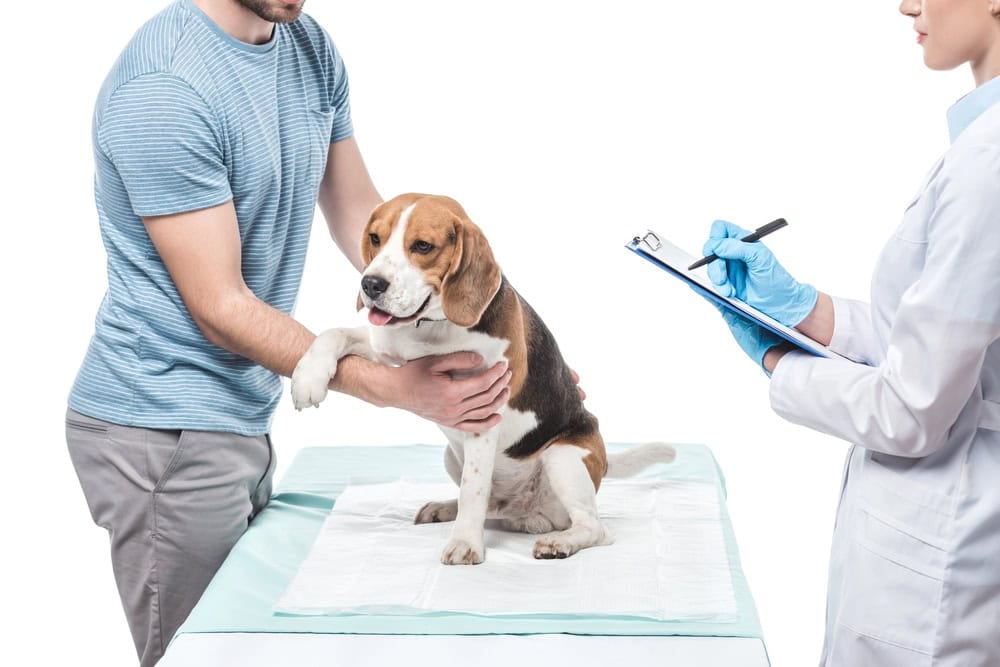
Before you hit the road, it’s crucial to schedule a visit with your veterinarian. This appointment is the perfect opportunity to ensure your pet is healthy enough for travel. Discuss any vaccinations or medications that might be needed, such as flea and tick preventatives, or motion sickness aids. Additionally, secure a copy of your pet’s medical records to have on hand in case of emergencies, and ensure that their ID tags are up-to-date.
Comfortable Crate or Carrier

Your pet’s safety should be a top priority during a long road trip. A comfortable pet crate or a carrier is essential as it provides a secure space for your pet while the vehicle is in motion. Make sure the crate is adequately ventilated and spacious enough for your pet to stand, turn around, and lie down comfortably. Familiarize your pet with the crate beforehand by allowing them to explore it at home, associating it with positive experiences.
Packing Essentials

Just like humans, pets need their essentials on a road trip. Pack a travel bag stocked with food, bottled water, bowls, leashes, waste bags, grooming supplies, and any necessary medications. Don’t forget their favorite toys and a blanket or bed they use at home; familiar items can provide comfort and reduce anxiety. Make sure you have enough supplies for the entirety of your trip, with some extra to account for any delays or emergencies.
Acclimating to the Car Environment

If your pet isn’t accustomed to car rides, it’s important to gradually acclimate them to the vehicle. Start with short trips around the block and gradually increase the duration. Positive reinforcement, like treats and praise, can help your pet form a positive association with car travel. Remain aware of any signs of car sickness or anxiety and consult your veterinarian if your pet seems particularly stressed during travel.
Establishing a Routine

Pets thrive on routine, and maintaining a schedule similar to the one at home can ease your pet’s stress during the trip. Plan regular breaks for exercise, bathroom visits, and feeding. Consistently stopping every two to three hours allows your pet to stretch, explore, and relieve themselves, which is especially important for their comfort and well-being. During these stops, ensure your pet is leashed for their safety, as they may be disoriented or anxious in unfamiliar surroundings.
Staying Overnight

If your journey involves overnight stays, it’s critical to choose pet-friendly accommodations. Research hotels or motels that welcome pets, and check their pet policies to avoid surprises. Once there, settle your pet with their bed or blanket and reduce their access to potentially hazardous areas. Maintaining your pet’s routine, including walks, feeding, and playtime, will help them adjust to the new environment more comfortably.
Monitoring Health and Behavior

During your road trip, monitoring your pet’s health and behavior is essential. Be observant of any signs of discomfort or stress, such as excessive panting, restlessness, or lethargy. Having a basic first aid kit and being aware of veterinary clinics along your route can be invaluable in case of emergencies. Proactively checking on your pet’s well-being helps ensure they are coping well with the trip and allows you to address any issues promptly.
Post-Trip Care

Once you’ve arrived at your destination, give your pet time to acclimate. Maintain a routine similar to their one at home, and provide them plenty of opportunities to explore and exercise. A long road trip can be taxing on pets, so pay attention to their health and adjust your plans as necessary to accommodate their needs. Spending quality time with your pet during and after the trip helps enhance your bond and solidifies positive travel experiences together.
Preparing your pet for a long road trip involves a combination of planning, consideration, and attentive care. By focusing on these aspects, you can create a safe and enjoyable experience for both you and your furry companion, making your journey one that is remembered fondly by all.
Comment any essential tips that we may have missed!

From exploring the marine wonders in the Azores and witnessing the vast savannas of Kenya, to delving deep into the rich biodiversity of South Africa and traversing iconic landscapes in Australia and the US like Yellowstone, Chris's experiences are vast.
With a penchant for diving alongside sharks, the ocean holds a special place in his heart.
Through his academic insights, he champions wildlife conservation, striving with 'Animals Around The Globe' to cultivate a profound connection between humans and animals, enhancing our mutual appreciation.
Connect with him at Feedback@animalsaroundtheglobe.com.
- Scientists Discover a New Species in the Mariana Trench - August 15, 2026
- Could Reintroducing Lions Save the Savannah? - August 15, 2026
- Why Reward-Based Dog Trainers Push for Vet Visits More Than Others – Fresh Research Uncovers the Divide - August 14, 2026