
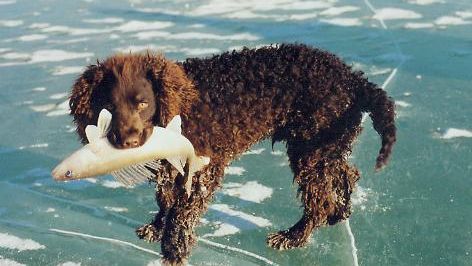
There are thousands of dog breeds in the world, yet very few carry the kind of deep, regional identity that makes them truly irreplaceable. The American Water Spaniel is one of them. Born from the cold rivers and misty marshlands of Wisconsin, this curly-coated brown dog is not just a pet or a hunting companion. It is, quite literally, a living piece of American history.
Most people have never even heard of this breed, and honestly, that is a bit of a crime. Here is a dog that helped put food on the table for frontier families, nearly vanished from the face of the earth, got saved by one determined doctor, and then had its official recognition fought for by a group of determined eighth-graders. You could not make this story up. Let’s dive in.
Born in the Wilderness of Wisconsin
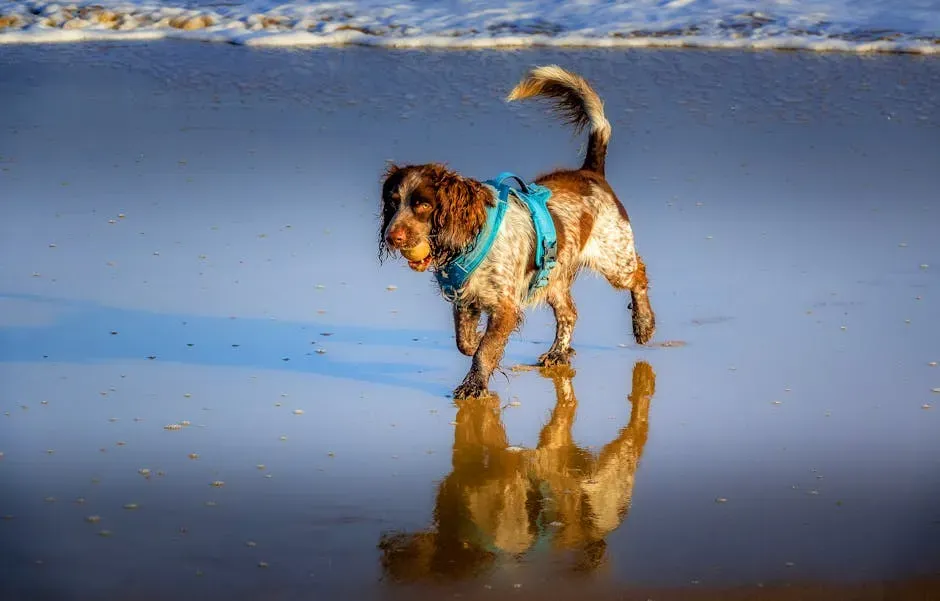
The American Water Spaniel was developed during the mid 1800s in the Fox and Wolf River valleys of Wisconsin, where it is officially the State Dog. Think about that for a moment. While European breeders were carefully engineering spaniels in country estates, Wisconsin hunters were doing things their own way, quietly crafting a dog that could survive the brutal cold of the Great Lakes region.
Hunters needed a dog that could work on both land and water, a versatile hunter skilled at bringing in a variety of game, and compact enough to be transported in a small skiff, one that was able to withstand Wisconsin’s cold water temperatures. It was purely practical. No frills, no fuss. Just a dog built for the wild.
The Murky Mystery of Its Origins
Breeds involved in the creation of the American Water Spaniel are thought to have included the English Water Spaniel, Irish Water Spaniel, Curly Coated Retriever, native Indian Dogs, the Poodle, and either the Sussex Spaniel or another type of field spaniel. That is quite the genetic cocktail. It is hard to say for sure which blend was most dominant, and breed historians still debate the specifics.
The breed’s origins are unknown, but some suspect they were developed in the backyards of Wisconsin farmers and hunters looking to make the ideal hunting dog, with the process being less scientific and more happenstance. There is something wonderfully human about that. No lab coats, no careful documentation. Just practical people solving a practical problem the best way they knew how.
The Man Who Saved the Breed
The breed was saved by Dr. Fred J. Pfeifer, who set up the breed club and standard, and whose work led to recognition for the breed by the United Kennel Club, and later, the American Kennel Club. Without Pfeifer, this dog might have quietly disappeared into history. He saw something worth fighting for and acted on it.
Dr. Fred J. Pfeifer, from New London, Wisconsin, set up Wolf River Kennels in order to save the breed. Numbers held by the kennel fluctuated but at times went up to 132 dogs. He advertised the dogs widely across the country, selling male dogs for $25 and females for $20. That is dedication in its purest form. One man, one kennel, one breed to rescue.
The Road to Official Recognition
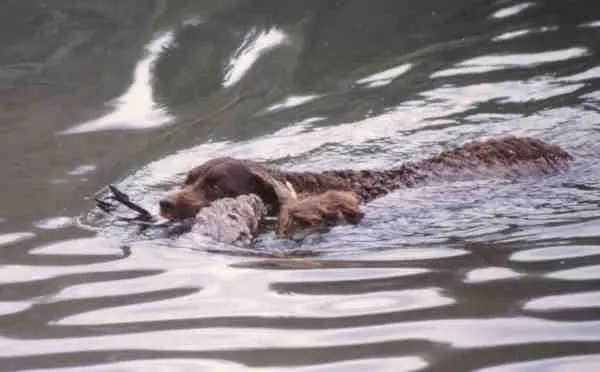
Due to Pfeifer’s work, the breed was recognized by the United Kennel Club as the American Water Spaniel in 1920, and by the Field Dog Stud Book in 1938. Pfeifer’s own dog, named “Curly Pfeifer,” was the first American Water Spaniel to be registered with UKC. A dog named after its own savior. That feels right.
The American Water Spaniel was named Wisconsin’s official state dog in 1985. Before it was recognized by the AKC in 1940, the breed was never shown, because its owners wanted to preserve its reputation as an expert hunting assistant. I find that fascinating. While other breeders were chasing ribbons and rosettes, AWS owners were out there in the field doing real work. That says a lot about the character of the people who loved this dog.
How Schoolkids Made It Wisconsin’s State Dog
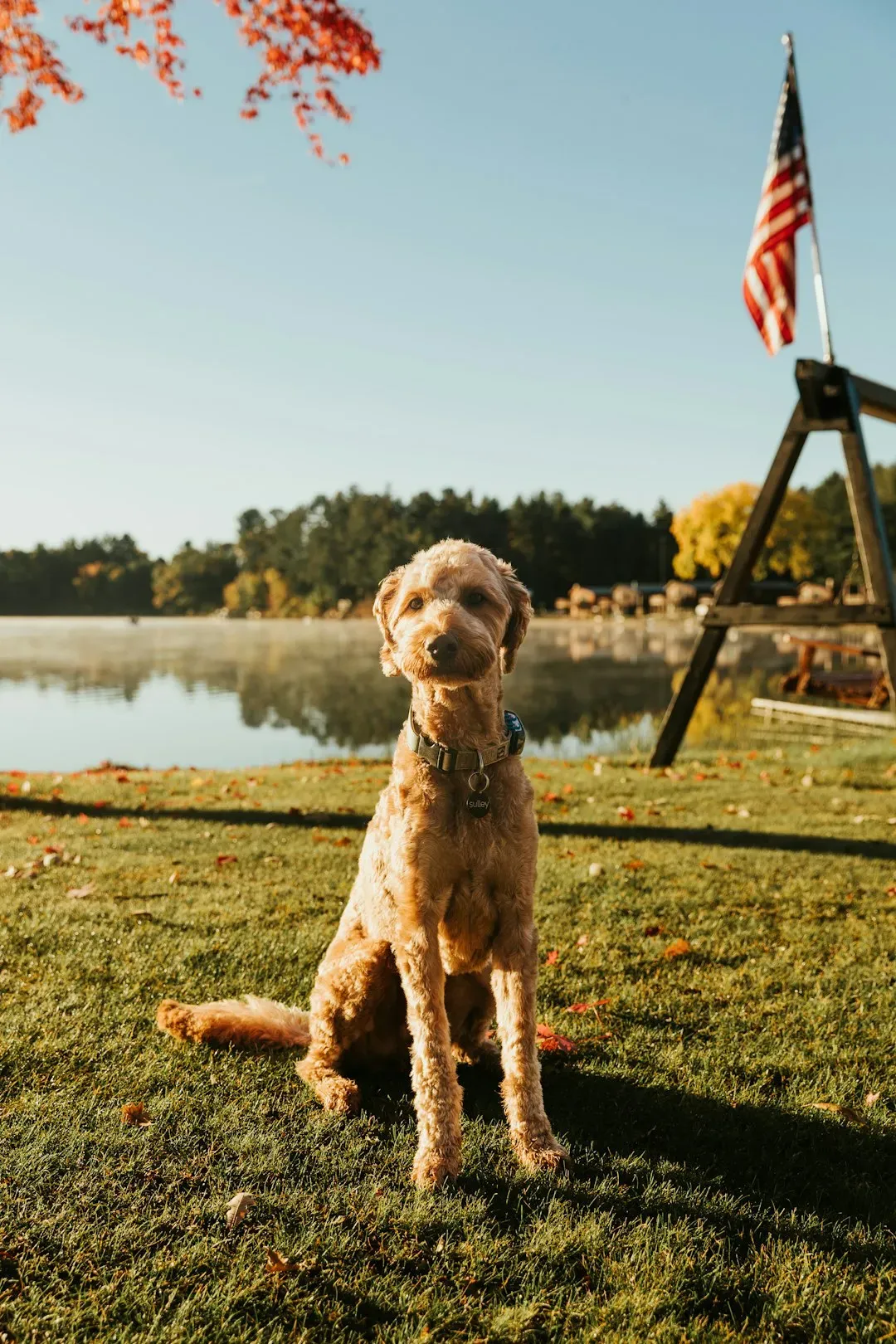
In 1981, Lyle Brumm, a junior high school teacher in New London, Wisconsin, introduced a bill proposing the American Water Spaniel as the state dog as part of a classroom project. He wanted to spark his students’ interest in how the legislative process operated. Over the next five years, over 550 of his students researched and drafted the bill. That is a civics lesson nobody in that classroom ever forgot.
The students faced a dismissive group of senators who viewed discussions over state symbols as a waste of time. A senator reportedly barked and howled to heckle the students’ testimonies. Imagine being a thirteen-year-old and having an actual senator bark at you. On April 22, before 1,000 jubilant students in New London, Governor Earl signed Assembly Bill 16, designating the American Water Spaniel the official state dog. The kids won. They absolutely won.
What This Dog Actually Looks Like
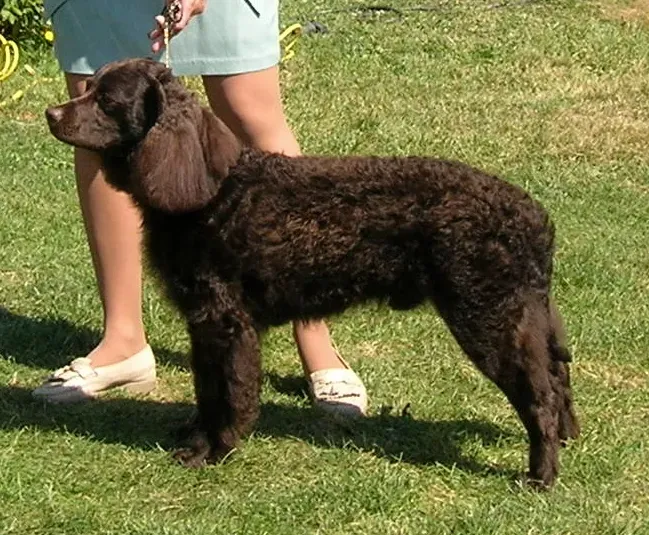
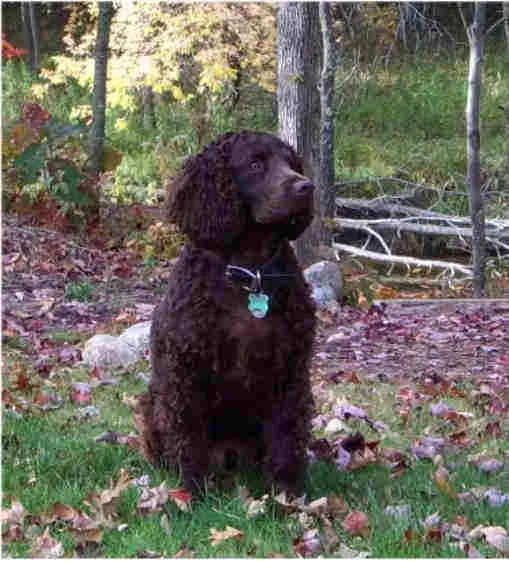
The American Water Spaniel is a muscular, solidly built, medium-sized dog with an alert, self-confident expression. It is known for its coat, which may be marcel, meaning uniform “S” shape waves, or tightly curled. The number of waves or curls may vary from one part of the dog’s body to another. Picture a compact athlete wearing a chocolate-brown perm. That is basically this dog.
The average height at the withers for the breed is 15 to 18 inches, and their weight is around 25 to 45 pounds. They have similar features to the Irish Water Spaniel, but the Irish breed is larger at between 21 and 24 inches and weighing 55 to 65 pounds. The AWS is the smaller, scrappier cousin at family reunions. Do not underestimate it. The most surprising of the dog’s characteristics are its webbed feet, which help it hunt in wet terrain.
Personality and Temperament
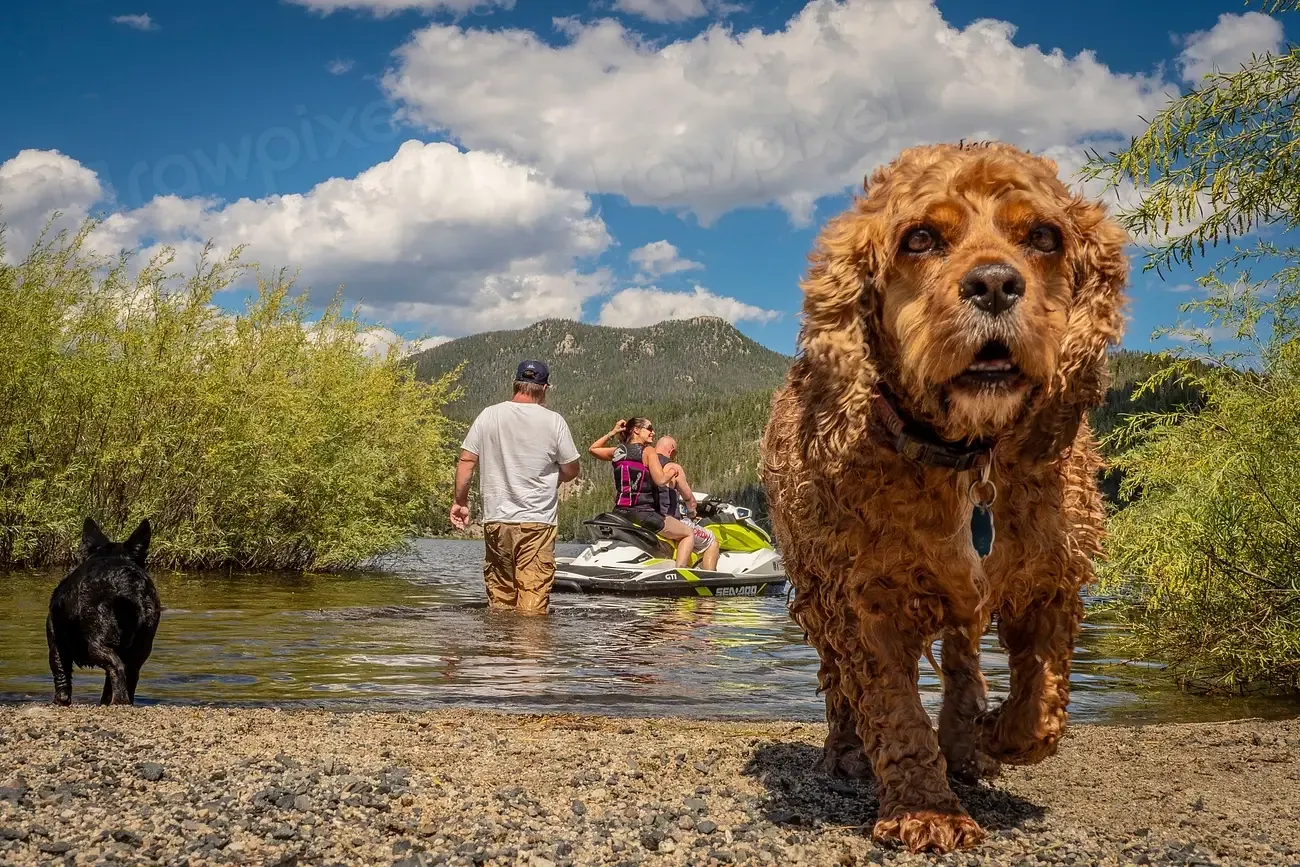
American Water Spaniels are smart, obedient, affectionate, and known for getting along with other animals and children. They also make good watchdogs. These characteristics make them excellent family pets. That is a lot of talent packed into one medium-sized, curly-coated package.
The American Water Spaniel takes a while to warm up to new people and strange dogs, and is more of a one-family dog who would rather wait and see than rush in to make friends. Also more sensitive than some sporting breeds, the American Water Spaniel has a high desire to please and gets easily crushed by harsh words or rough treatment. Honestly, that sensitivity is part of the charm. This is not a dog you can bully into compliance. Treat it with kindness and it will give you everything it has.
A Working Dog Through and Through
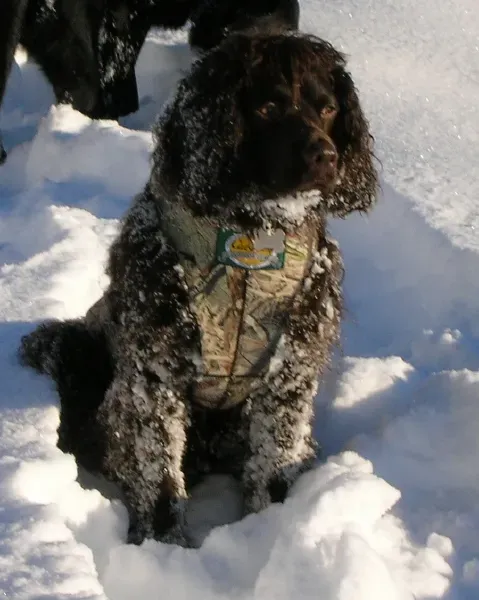
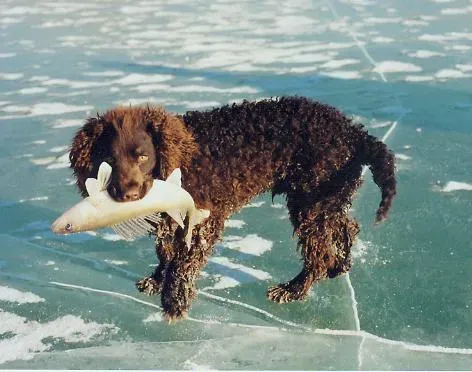
The hunters who developed the American Water Spaniel wanted a dog who could retrieve on land or in the water. The AWS is a favorite for waterfowl hunters because it is small enough to ride in a boat, but is strong enough to bring back a duck or even a goose. Think of it as the Swiss Army knife of hunting dogs. Compact, capable, and completely committed.
The American Water Spaniel performs well in all endeavors but excels in the field as either a waterfowl retriever or upland flushing dog. The AWS is a fast-working dog with a high prey drive in the upland. With even the slightest hunting experience, the AWS quickly learns where game is most likely to be located and will focus its efforts in those areas, rather than wasting time in unproductive areas. That kind of field intelligence is genuinely rare.
Health, Care, and What Owners Should Know
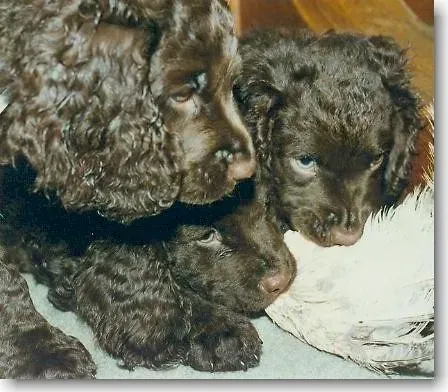
The American Water Spaniel is generally a healthy dog breed with an average lifespan of 10 to 14 years. However, they do have some medical predispositions, just like all dog breeds. The American Water Spaniel’s biggest health concern is mitral valve disease of the heart. Two other cardiac-related problems, pulmonic stenosis and patent ductus arteriosis, are also of some concern, as is hip dysplasia. Worth knowing before you commit.
That curly coat has an oily texture, which is good for repelling water, but not so good for the grooming-challenged. Even though American Water Spaniels don’t leave shed hair around the house, they still need to be brushed at least once or twice a week to prevent matting and encourage good skin circulation. The coat tends to get oily and may produce an odor. So, fair warning there. A good bath and regular brushing go a long way.
A Rare Breed With a Loyal Following
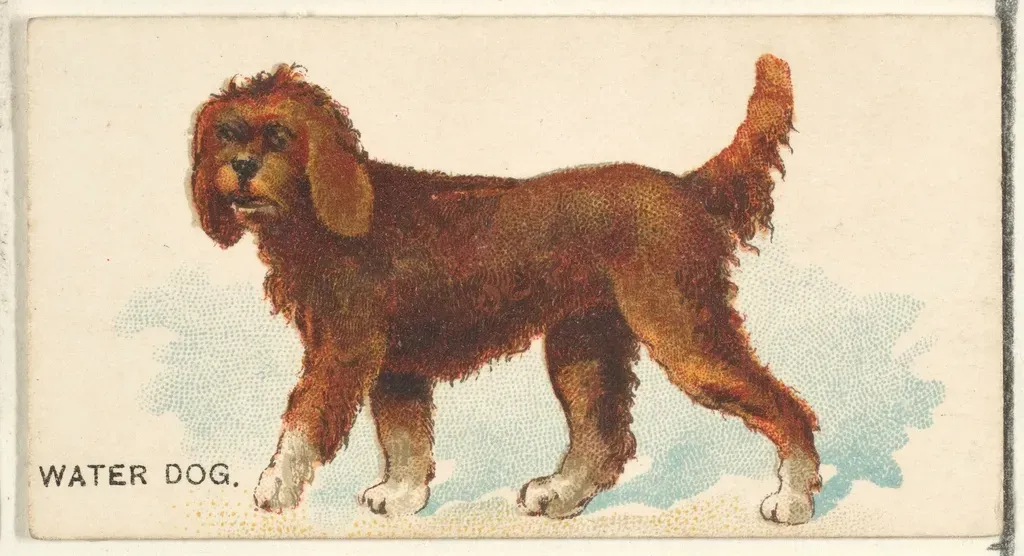
Although the American Water Spaniel has been around since the 19th century, its population has stagnated at around 3,000 since the 1990s, making it one of the rarest breeds in the country. Three thousand dogs in the entire world. That number is both sobering and strangely moving. This breed exists almost entirely because people who love it refused to let it go.
After World War II, American soldiers returned home with European hunting dogs, further reducing the American Water Spaniel’s popularity. Despite the influx of foreign breeds, the American Water Spaniel retained a small but loyal following in its Midwestern birthplace. There is something deeply poetic about that. Trends came and went. New breeds arrived with flashier reputations. Yet this unassuming brown dog from Wisconsin simply kept going, held up by the hands of people who understood its true worth.
Conclusion
The American Water Spaniel is a dog that rarely gets the spotlight it deserves. It is not the most famous breed, not the most popular, and certainly not the most common. Yet its story is one of the most compelling in all of dog history. From its humble origins in Wisconsin’s river valleys, to its near extinction, to a group of middle school students fighting senators to give it its rightful title, this dog has earned every single thing it has.
If you are someone who values loyalty, grit, and authenticity, the AWS might just be your perfect match. It asks for kindness and exercise in return for a lifetime of devotion. That, honestly, seems like a very fair deal. So here is a question worth sitting with: how many other extraordinary things are quietly waiting to be discovered, right in your own backyard?

- 15 Tender Things Old Dogs Do the Closer the End Quietly Comes - July 21, 2026
- 14 Ways a Rescue Cat Shows It Has Given You Its Fragile Heart - July 21, 2026
- 13 Familiar Things That Bring an Aging Dog Deep, Quiet Comfort - July 21, 2026