


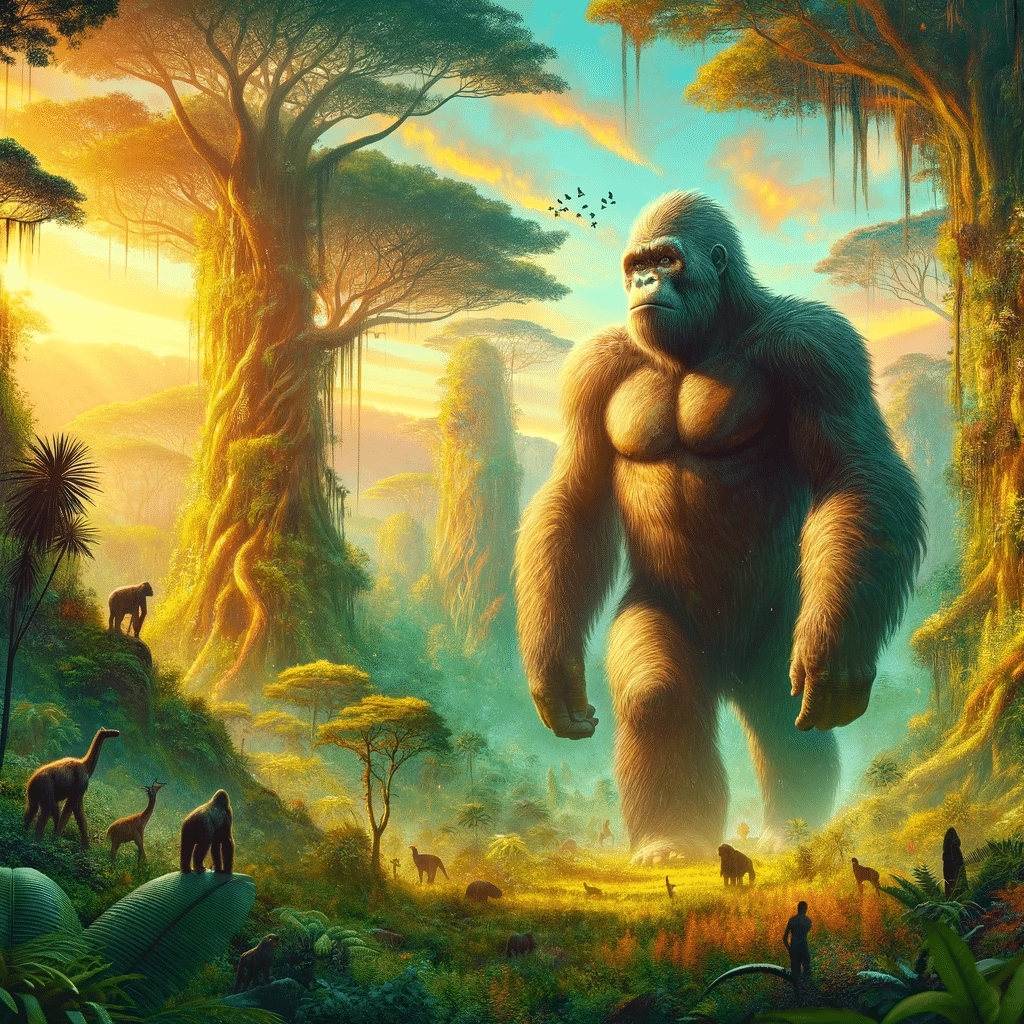
The extinction of the giant ape, often symbolized by Gigantopithecus, the largest known ape to have ever roamed the Earth, has long baffled scientists. This majestic creature, whose existence is pieced together from sparse fossil remains, has been the subject of much speculation and debate. Recently, however, significant strides have been made in solving this prehistoric puzzle.
Background
🔥 Would you like to save this?
We'll email this post to you, so you can come back to it later!
Gigantopithecus, towering at an estimated 10 feet tall and weighing up to 600 kilograms, was a true giant among primates. Existing approximately nine million to one hundred thousand years ago, it shared the planet with early human ancestors. Theories of its extinction ranged from competition with these ancestors to drastic dietary changes.
Breakthrough Discoveries

🔥 Would you like to save this?
We'll email this post to you, so you can come back to it later!
Recent discoveries have shed new light on this mystery. Advanced dating techniques and fossil analysis have given scientists a clearer picture of the giant ape’s timeline. DNA analysis, although limited, has started to reveal more about their biology and environment.
The Final Piece: Climate Change and Habitat Loss

🔥 Would you like to save this?
We'll email this post to you, so you can come back to it later!
The crux of the giant ape’s extinction seems to revolve around climate change and habitat loss. As the Earth’s climate shifted, dense forests, crucial to the giant ape’s survival, gave way to expansive grasslands. This change drastically reduced their food sources, primarily fruits and vegetation, leading to a struggle for survival.
Comparative Analysis with Other Extinct Species

🔥 Would you like to save this?
We'll email this post to you, so you can come back to it later!
Remarkably, the extinction of Gigantopithecus mirrors that of other large mammals, or megafauna, like the woolly mammoth. Both succumbed to a combination of environmental changes and potential pressures from evolving predators, including humans. This parallel offers crucial insights into the broader patterns of extinction and survival.
Conclusion

🔥 Would you like to save this?
We'll email this post to you, so you can come back to it later!
The extinction of the giant ape, while a specific event, holds universal lessons. It underscores the vulnerability of species to rapid environmental changes and habitat fragmentation. In a world where human-induced climate change and habitat destruction are escalating, the story of Gigantopithecus is more relevant than ever. It is a poignant reminder of our responsibility to preserve the delicate balance of our planet’s ecosystems. As we look back at the shadows of these long-gone giants, we must also look forward, committed to protecting those that still walk the earth with us.

Please send any feedback to Feedback@animalsaroundtheglobe.com
- Secret Lives of Nocturnal Animals in the USA - November 1, 2026
- California’s Adorable Coastline Engineers: Sea Otters - October 31, 2026
- Exploring Shark-Free Beaches Across the US - October 26, 2026