

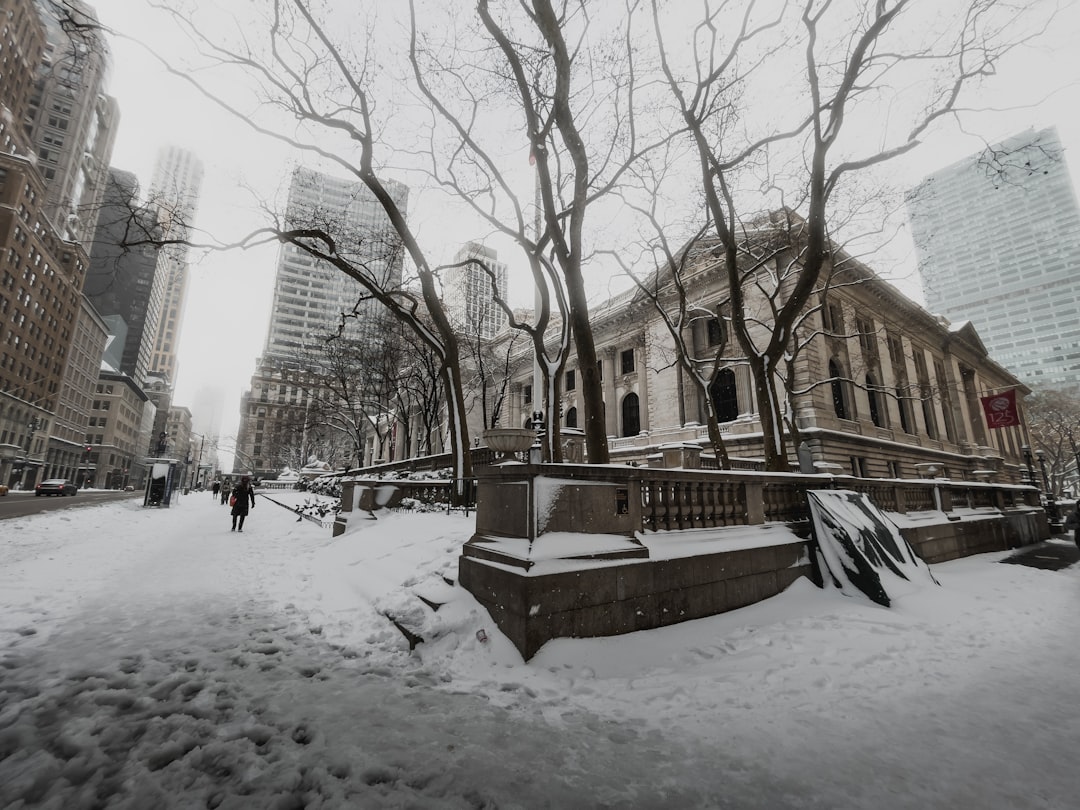
A Bronx Discovery Raises the Toll (Image Credits: Unsplash)
New York City – Relentless Arctic air swept through the region over the weekend, claiming an 18th life and testing the limits of emergency services.[1]
A Bronx Discovery Raises the Toll
Police discovered a body near East Gun Hill Road and Seymour Avenue in the Bronx around 9 a.m. on Saturday. City officials confirmed the death as the latest in a string linked to the extreme weather.[1]
In Brooklyn, an 81-year-old man fell to his death from the roof of his apartment building that morning while carrying groceries. Authorities suspect ice contributed to the slip, though an autopsy remained pending and the cold’s direct role stayed unclear. The incident highlighted risks even for sheltered residents during outages and icy conditions. Neighbors described the man as reclusive, noting potential reliance on roof access amid elevator issues.[1]
City Mobilizes Against the Freeze
Outreach teams pulled six individuals from streets into hospitals and guided 70 others to shelters over Friday and Saturday nights. Overnight use of warming centers and buses climbed to 462 people, up from 392 the previous evening.[1]
Officials opened two additional warming centers, bringing the total to 12, and added 48 beds in flexible shelters targeted at those wary of traditional options. Mayor Zohran Mamdani urged caution in a Sunday video on X, stating, “It’s actually colder today in New York City than in parts of Antarctica.” He called on residents to stay indoors.[1]
A power outage left nearly 1,000 Brooklyn customers in the dark, traced to snowmelt mixed with road salt damaging underground equipment. Con Edison aimed to restore service by Monday morning, directing affected residents to a nearby school warming center.[1]
Persistent Weather Fuels Crisis
Extreme cold warnings lingered across the Northeast through Monday, with wind chills plunging to dangerous lows. Meteorologist Andrew Orrison attributed the conditions to repeated Arctic surges following heavy snowfall from recent storms.[1]
Ocean temperatures at Coney Island hit 33.8 degrees Fahrenheit, warmer than the surrounding air and drawing hardy participants to polar bear plunges. Ellen Sexton, 72, called the plunge “a physical reboot. Pure perfection.” Yet such events underscored the divide between voluntary exposure and the lethal risks faced by the unsheltered.[1]
Vulnerable Groups Under Strain
The tally exceeded 17 deaths reported earlier since January 24, surpassing losses after Hurricane Ida in 2021.[2] Many victims belonged to homeless populations, prompting scrutiny of shelter policies. The administration paused encampment clearances in January, citing past ineffectiveness in securing housing.
Over 1,100 shelter placements occurred during the snap, including 150 specialized beds for privacy seekers. Still, resistance persisted among some, complicating efforts. The crisis exposed gaps in outreach amid historic lows.[2]
- Expanded warming centers to 12 sites.
- Added 48 flexible shelter beds.
- Deployed overtime for street canvassing.
- Offered warming buses for mobile aid.
- Directed power outage victims to schools.
Key Takeaways
- Death toll hits 18, mostly from exposure since late January.
- City boosted capacity but faces resistance from some unhoused individuals.
- Warnings persist; warmer air expected soon.
This prolonged freeze serves as a stark reminder of urban vulnerabilities in extreme weather. As relief nears, leaders must refine strategies for future winters. What steps should cities take to protect the most at-risk? Share your thoughts in the comments.

- Urban Coyotes Show Remarkable Adaptability, Learning to Thrive in City Environments - July 22, 2026
- Beavers Are Nature’s Engineers, Creating Vital Habitats for Other Wildlife Species - July 21, 2026
- The Recovery of the California Condor Offers Hope for Other Critically Endangered Birds - July 21, 2026