
Somewhere under a pile of leaves right now, a creature’s heart may be beating only a handful of times per minute. Its body is cold to the touch, and it isn’t eating or drinking. By spring, it will almost certainly wake up and carry on as if nothing happened.
Hibernation sounds like a long nap, but the biology behind it is far stranger than that. Some animals nearly freeze solid, others wake every few weeks, and one champion is a bird that does something many scientists once thought impossible. Here’s what’s actually going on under the snow.
Hibernation Isn’t Just Sleep
🔥 Would you like to save this?
We'll email this post to you, so you can come back to it later!
Sleep and hibernation are different states, and the gap between them is big. During normal sleep, an animal’s body temperature drops only slightly and its brain stays active. In hibernation, the metabolism is deliberately turned way down to save energy, and body temperature can fall close to the temperature of the surrounding environment.
Scientists often use the word torpor for the low-energy state itself. Hibernation is basically a long season of repeated torpor bouts, while daily torpor, used by some small birds and mammals, lasts just hours.
The payoff is huge. Staying warm in winter is expensive, especially for small animals that lose heat quickly, and food is scarce. By shutting down most of the body’s activity, a hibernator can live for months on stored fat.
- Heart rate drops dramatically
- Breathing slows, sometimes with long pauses
- Body temperature falls, in some species to near freezing
- Energy use can fall to a small fraction of normal levels
The Ground Squirrel That Supercools Its Blood
🔥 Would you like to save this?
We'll email this post to you, so you can come back to it later!
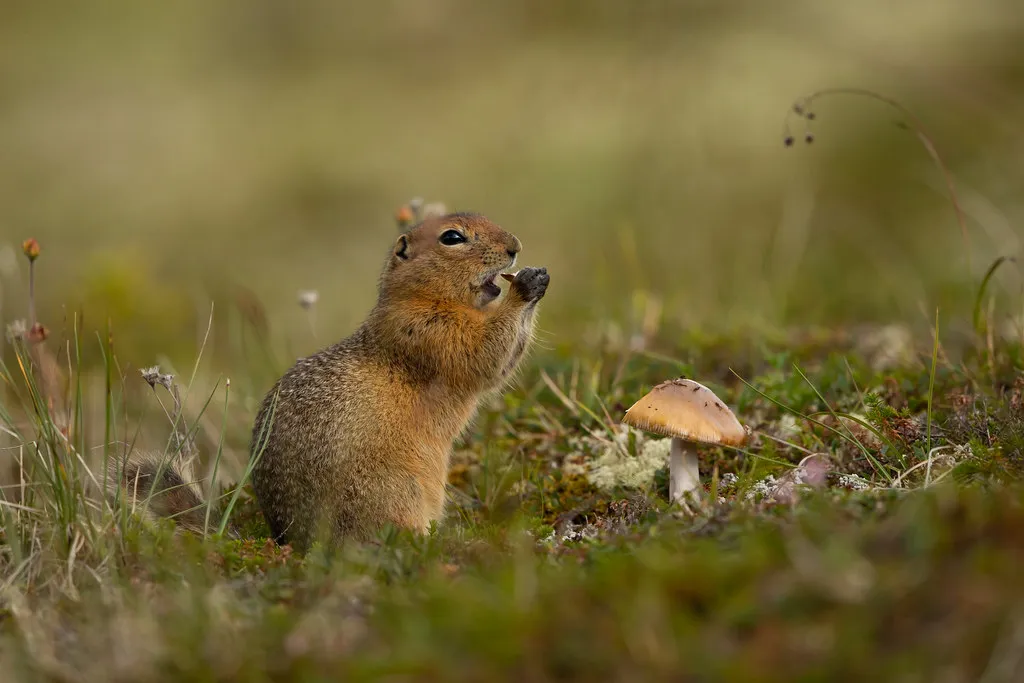
Arctic ground squirrels are probably the most extreme hibernating mammals studied. Research on them has shown that their core body temperature can drop below the normal freezing point of water without the animal turning to ice. This is a state called supercooling, and it’s remarkable for a warm-blooded animal.
They spend most of the year underground in the far north, where the soil stays frozen. Their bodies reach incredibly low temperatures during torpor, then periodically warm up again in bursts that scientists have found to be energetically costly.
Those bursts are a puzzle. Many hibernating mammals wake up every so often, and researchers think it may relate to sleep, to waste clearing, or to maintaining the immune system, although the exact reasons are still being studied. What’s clear is that these arousals burn a surprisingly large share of the winter’s fat budget.
Bears Are the Odd Ones Out
🔥 Would you like to save this?
We'll email this post to you, so you can come back to it later!
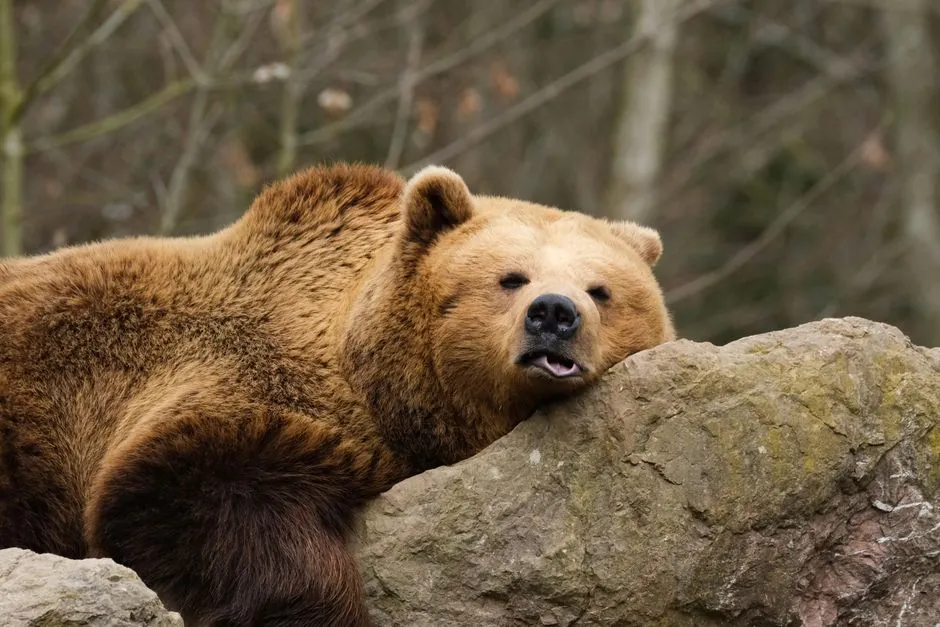
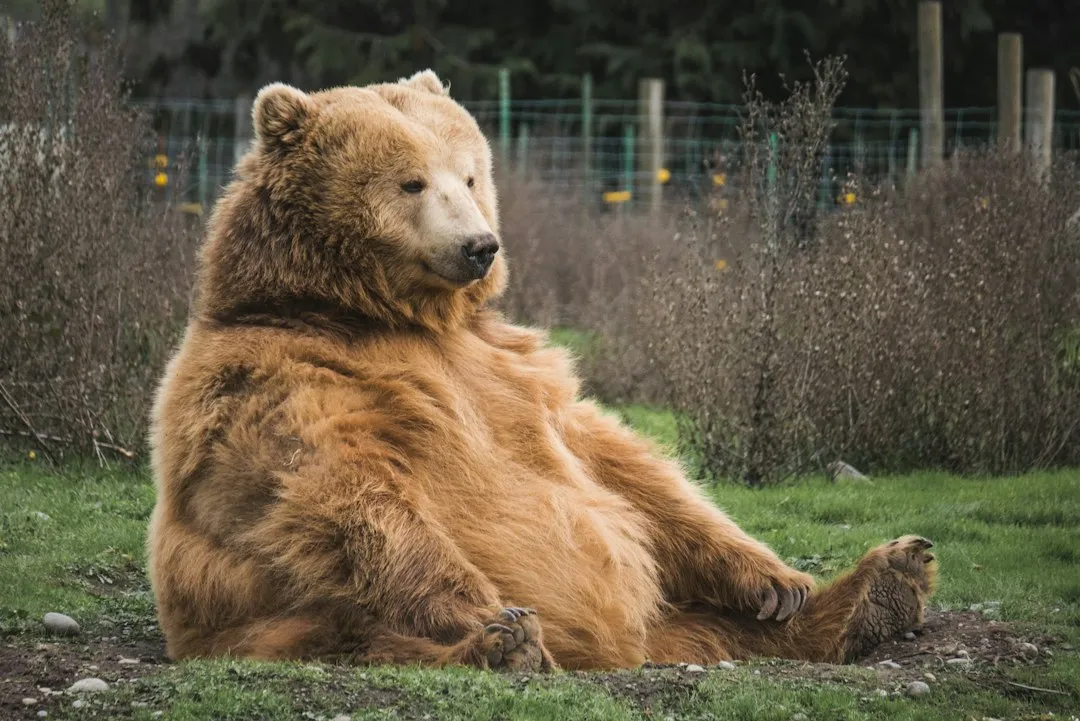
Bears are the animal most people picture when they hear the word hibernation, yet they’re a special case. Their body temperature drops only modestly compared with a ground squirrel’s, so many researchers describe their winter state as a lighter form of torpor. Their metabolism, however, falls substantially.
What makes bears truly unusual is what they don’t do. During the denning period, they generally don’t eat, drink, urinate, or defecate, yet they come out without the severe muscle loss and bone thinning you’d expect from months of inactivity.
Female bears also give birth during winter. Cubs are born tiny and nurse in the den while the mother stays in her low-energy state. Scientists study bear physiology hoping to learn more about muscle preservation, bone health, and metabolism, though translating this to humans remains a long way off.
Frogs That Freeze and Come Back
🔥 Would you like to save this?
We'll email this post to you, so you can come back to it later!
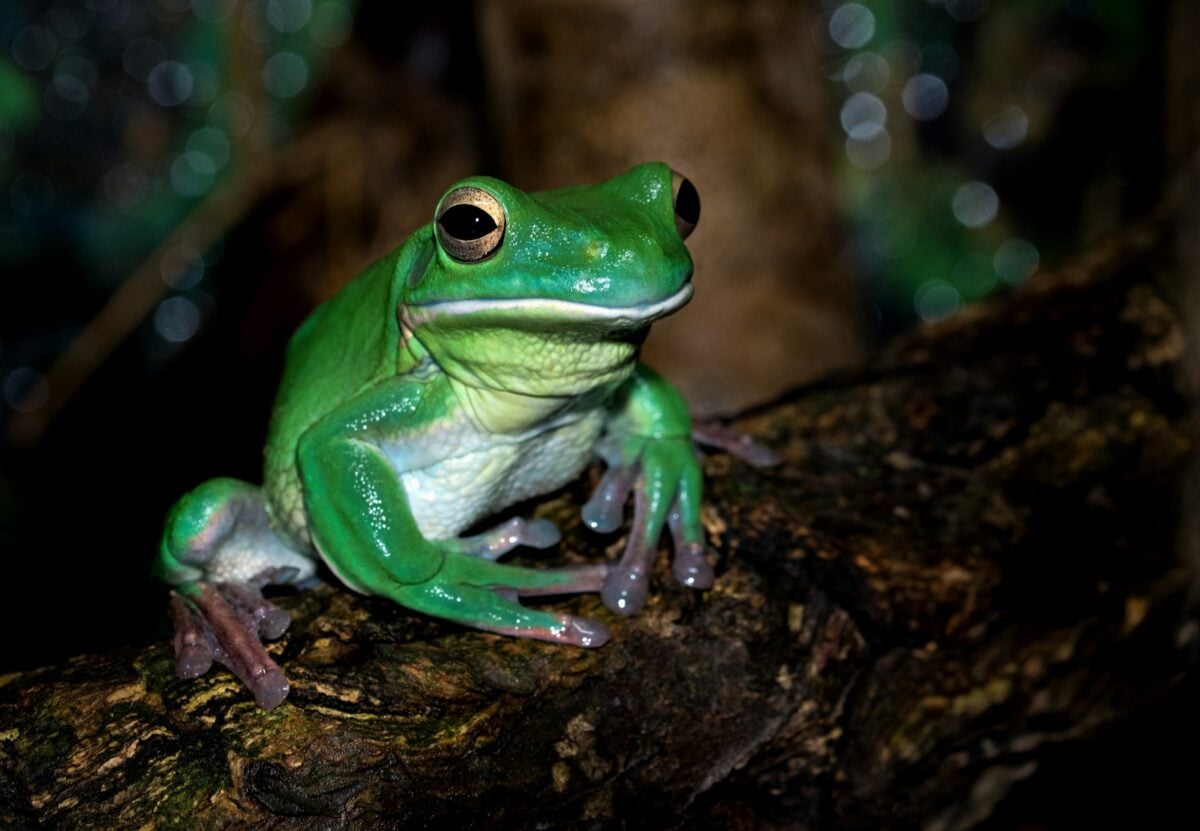
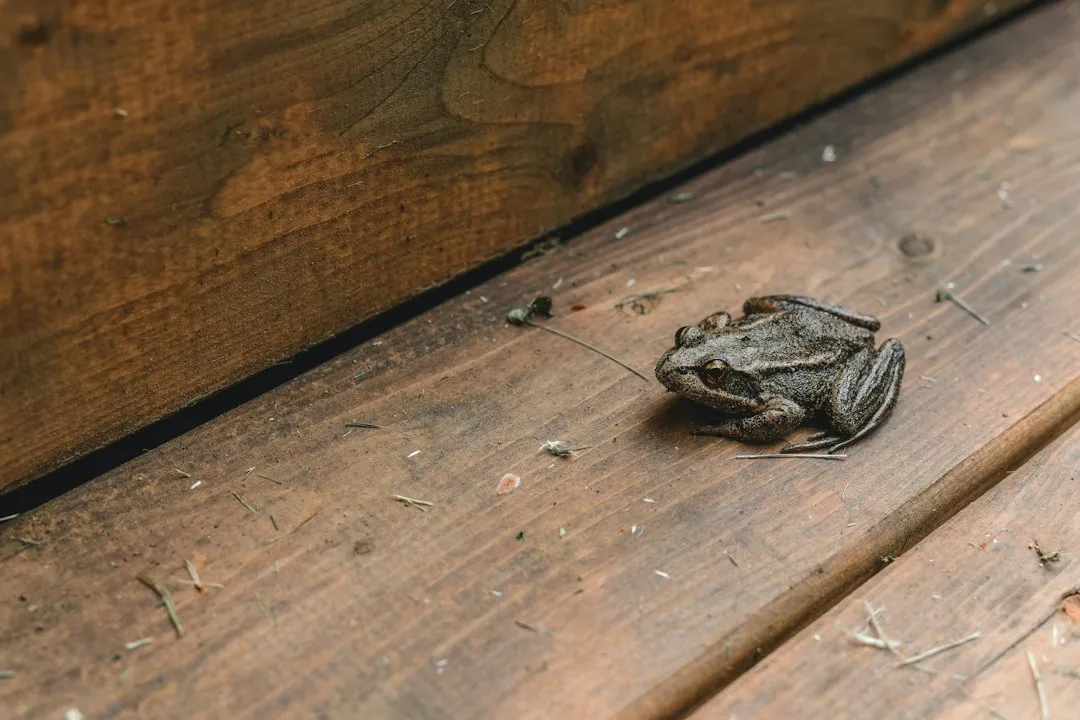
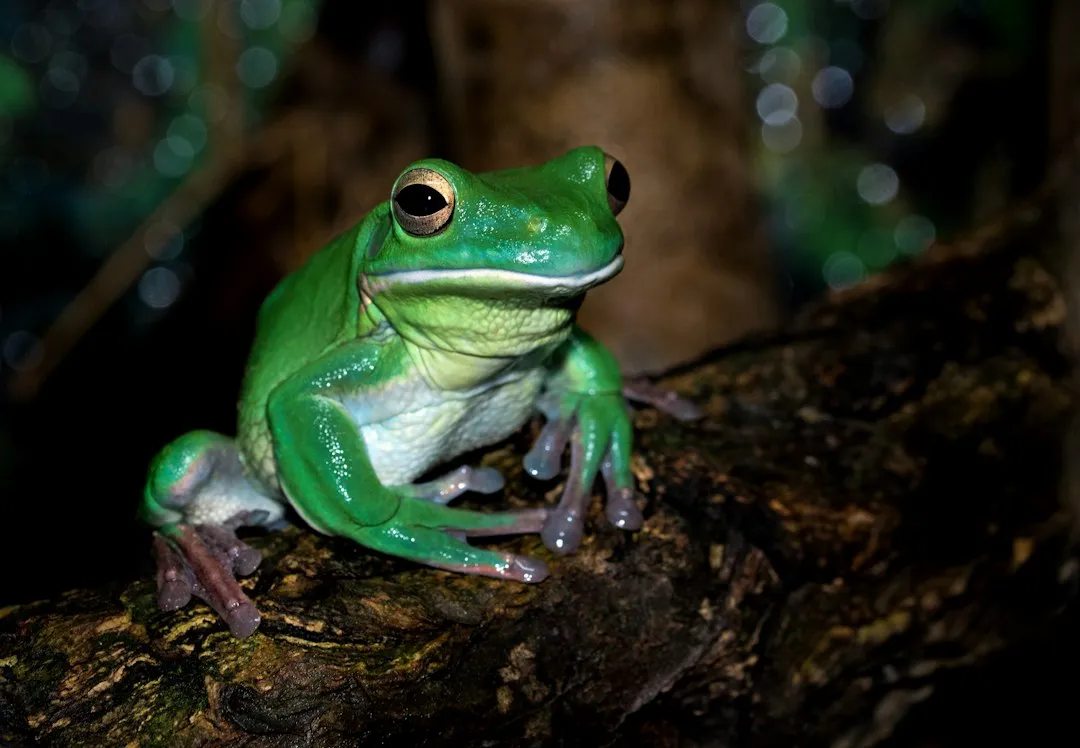
Wood frogs in North America pull off something that sounds like science fiction. When temperatures plunge, ice forms inside their bodies, their heart stops beating, and they stop breathing. Then, when the weather warms, they thaw and hop away.
The trick lies in chemistry. The frogs flood their cells with glucose, which works as a kind of natural antifreeze, so ice forms mainly in the spaces between cells rather than inside them. That protects the delicate tissue from fatal damage.
Technically, many biologists call this freeze tolerance rather than classic hibernation, and the distinction matters. Still, it’s a winter survival strategy that fits the same broad story: when conditions get harsh, shut everything down and wait.
- Ice forms in the body, but not inside most cells
- Glucose acts as a protective agent
- Heartbeat and breathing stop until thawing
Primates and Birds Join the Club
🔥 Would you like to save this?
We'll email this post to you, so you can come back to it later!
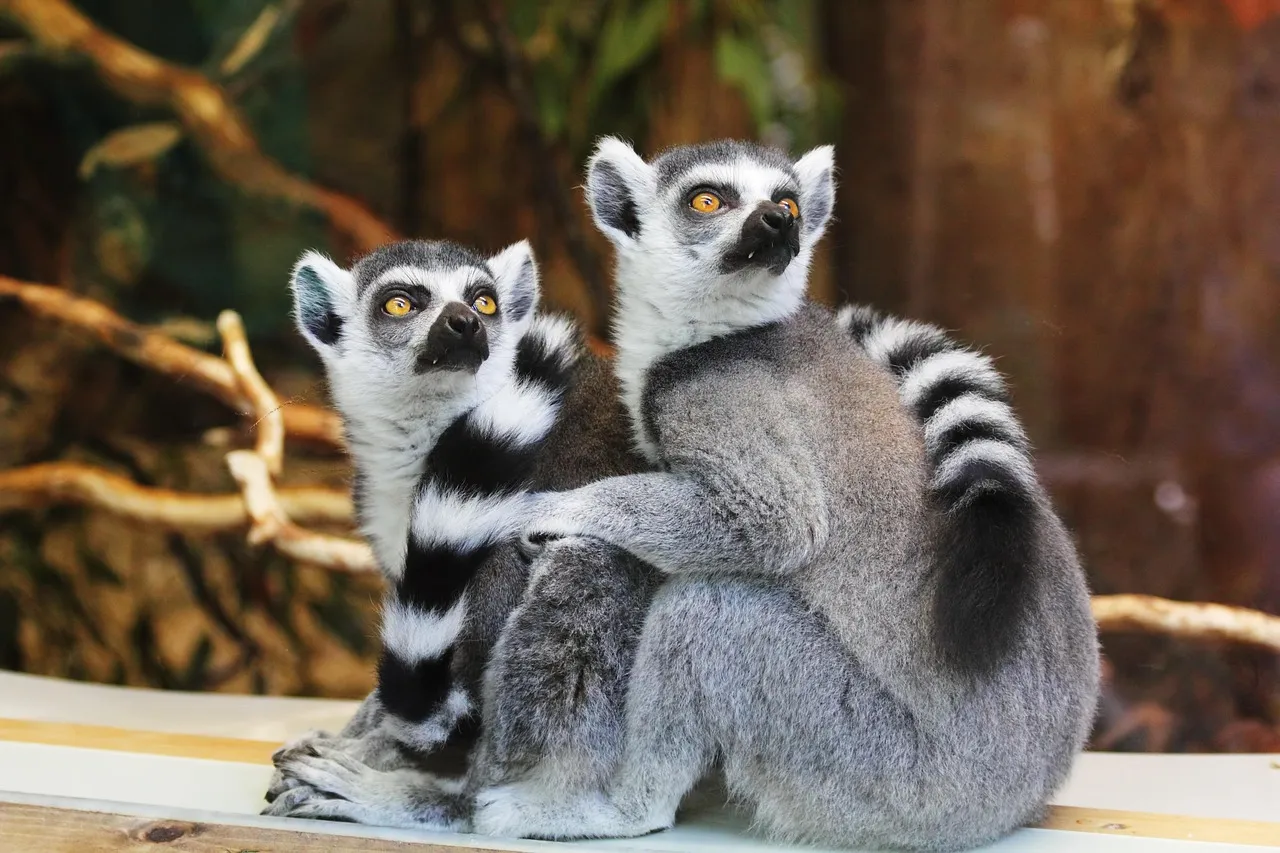
For a long time, hibernation was thought to belong to rodents, bats, and bears. Then came the fat-tailed dwarf lemur of Madagascar, which is known as the only primate documented to hibernate for extended periods. It spends months in tree holes, living off fat stored in its tail.
Birds have a surprising entry too. The common poorwill, a small nocturnal bird of western North America, has been observed in a prolonged torpid state during cold weather. It was the first bird scientifically documented doing so, and it overturned the assumption that birds couldn’t do this.
Hummingbirds, meanwhile, use short nightly torpor to survive cold nights. Their tiny bodies burn through energy so fast that without it, they might not make it until dawn.
Bats and the Fragile Price of Winter
🔥 Would you like to save this?
We'll email this post to you, so you can come back to it later!
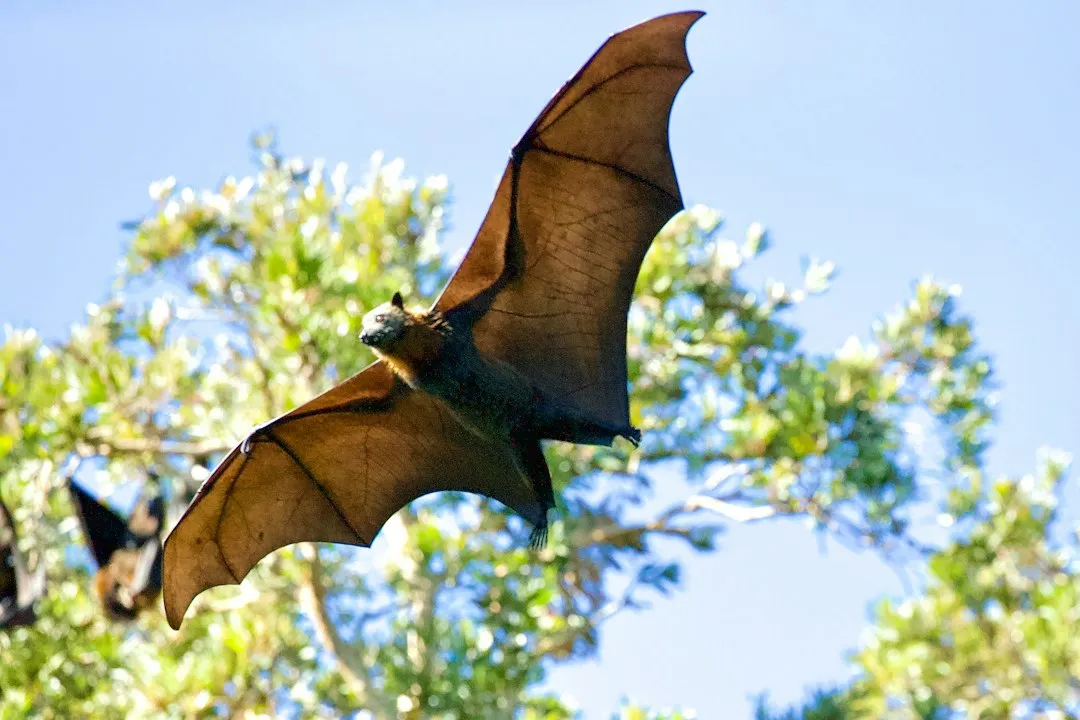
Many bat species in colder regions hibernate in caves and mines, often clustered in large groups. Their heart rates and breathing slow dramatically, and they rely on fat reserves built up through autumn feeding. Because the margin is thin, even a small amount of extra waking can drain those reserves.
That’s why white nose syndrome has been so damaging in North America. It’s a fungal disease that affects hibernating bats and has caused massive population declines, with scientists linking it to disrupted hibernation and early loss of fat stores.
The lesson is a bit sobering. Hibernation is efficient, but it depends on stable, undisturbed conditions. Human disturbance in caves, disease, and shifting climates can all upset a system that works only when everything stays in balance.
What Hibernation Research Might Teach Us
🔥 Would you like to save this?
We'll email this post to you, so you can come back to it later!
Researchers are interested in hibernation for practical reasons. Understanding how animals slow their metabolism, protect organs, and recover afterward could someday inform medicine, from organ preservation to treating injuries where tissue is starved of oxygen. Some people also wonder about spaceflight, where induced torpor has been discussed as a theoretical concept.
It’s worth keeping expectations grounded, though. Humans have not been shown to hibernate, and no proven method exists to trigger anything like it safely. Most of what we have are clues, not cures.
Climate change adds another layer. Warmer winters can shift when animals enter and leave hibernation, and mismatches with food availability could cause trouble. How different species cope will probably vary, and studies are ongoing.
My Take: Hibernation Deserves More Respect
🔥 Would you like to save this?
We'll email this post to you, so you can come back to it later!
It’s easy to treat hibernation as a cute winter trivia fact, and I think that undersells it. These animals manage feats of cold tolerance, fuel budgeting, and tissue protection that human engineers can only dream about. A frog that thaws back to life is, frankly, more impressive than most gadgets.
I’d argue the most interesting part isn’t the sleeping at all. It’s the precision. Every degree, every heartbeat, and every ounce of stored fat is part of a calculation that has to work for months without a single refill.
So the next time you see a quiet forest in January, don’t assume nothing is happening. Under the frozen ground, some of nature’s most carefully tuned survival machinery is running at a whisper, waiting for spring.

- 7 Everyday Habits That Can Make Your Senior Dog Happier - November 5, 2026
- 10 Enigmatic Structures That Continue to Puzzle Scientists Today - November 5, 2026
- 10 Strange Ruins in the Americas That Challenge What We Know About Early History - November 5, 2026