
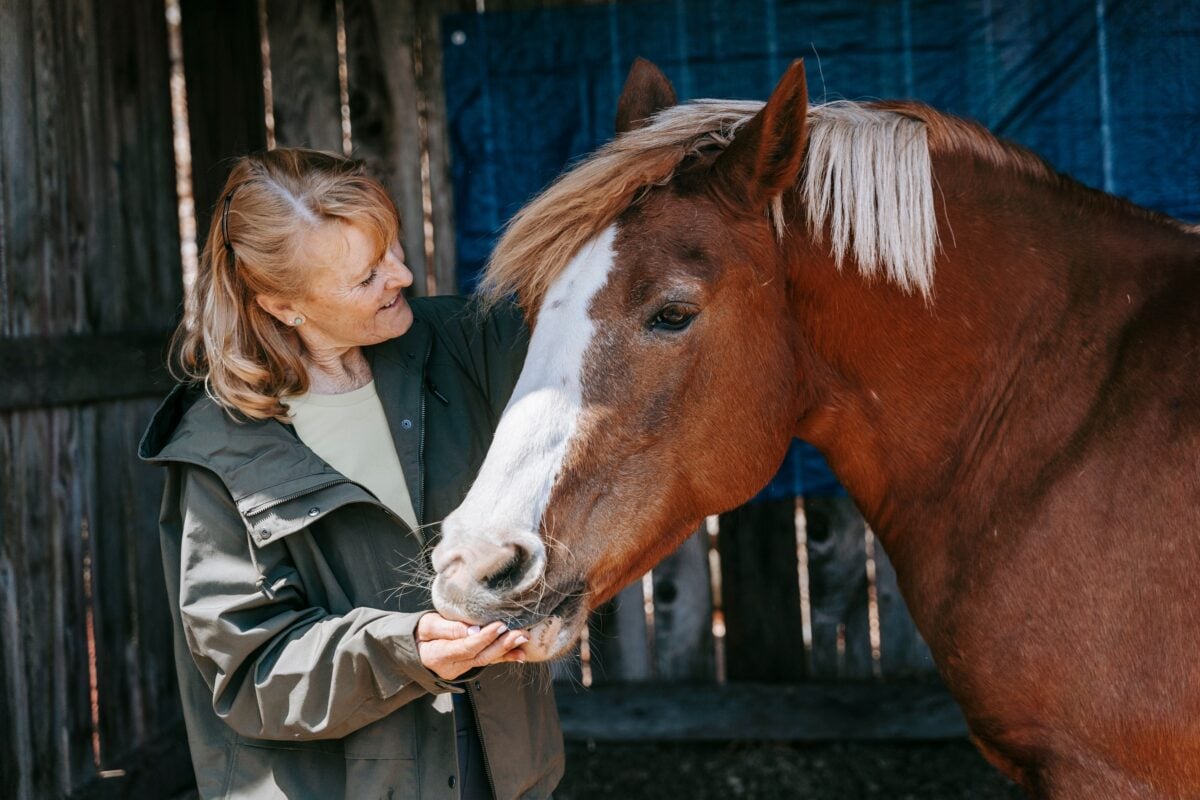
Most owners think an old horse needs less. Less work, less fuss, less attention. It sounds kind and it feels logical, which is exactly why it’s a quiet mistake behind so many avoidable senior-horse problems.
Horses are generally considered seniors somewhere around 15 to 20, and plenty live well into their 30s with good care. But what a horse needs at 25 looks nothing like what he needed at 12. The overlooked details are rarely dramatic. They’re small, slow-moving, and easy to miss, and the one waiting at #1 is the one almost nobody wants to talk about.
#13 – Movement, Not Retirement
🔥 Would you like to save this?
We'll email this post to you, so you can come back to it later!
Retiring an old horse to a small paddock and letting him stand there is one of the fastest ways to speed up his decline.
Most people believe a senior horse has earned total rest. Many equine vets disagree. Joints, tendons, and the digestive tract all work better with steady motion, and a stiff horse who stands still usually gets stiffer.
Horses evolved to walk for much of the day. In a small paddock or a stall, an old horse may move only a sliver of what his body expects. That lost movement affects circulation, muscle tone, and even gut function.
Practical ways to keep a senior moving:
- Daily turnout in the biggest safe space you have
- Hand-walking on level, secure footing
- Light riding only if your vet confirms he’s sound enough
Plenty of owners insist a retired horse should never be ridden again. Many vets argue that light, suitable work beats a life of standing around. The goal isn’t to prove anything. It’s to keep the machinery running.
But that’s nothing compared to what’s hiding inside his mouth at #12…
#12 – His Teeth Are Running Out of Road
🔥 Would you like to save this?
We'll email this post to you, so you can come back to it later!
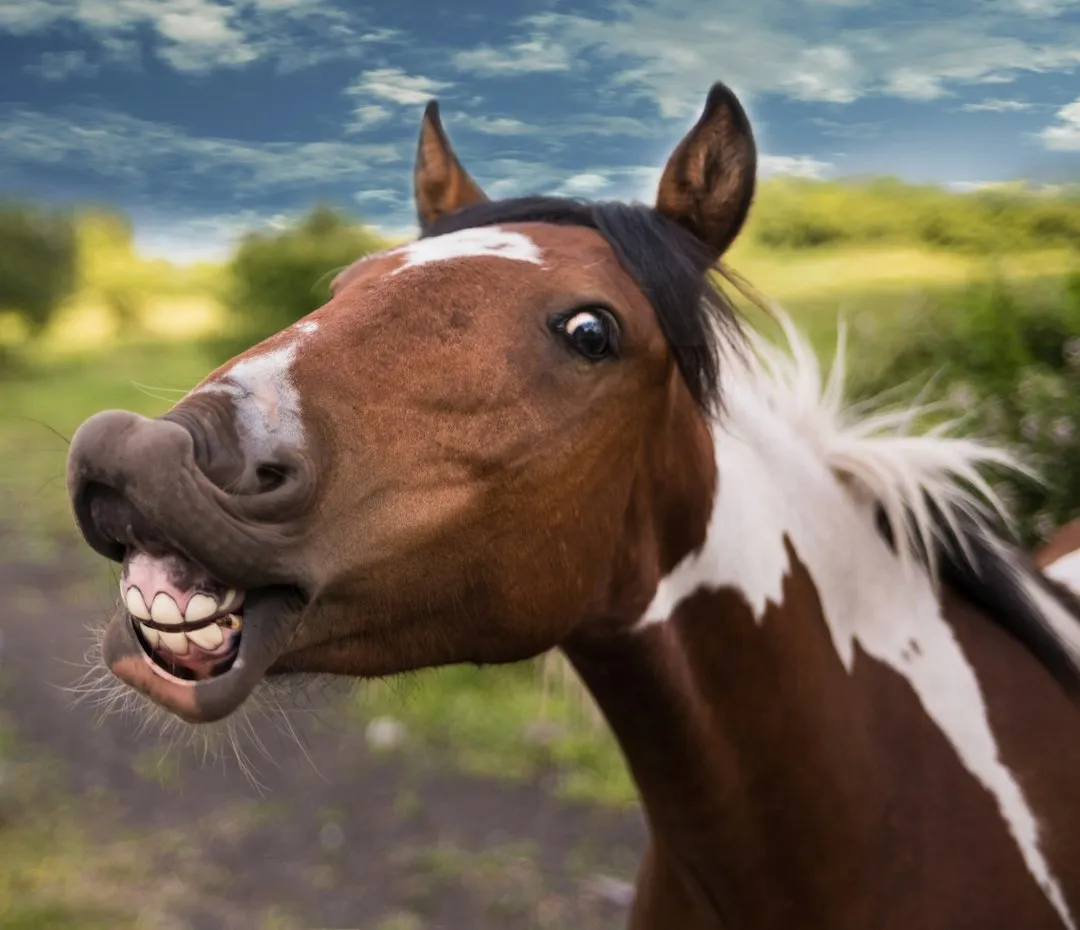
An old horse can eat constantly and still starve, and his teeth are often the reason.
Horse teeth erupt slowly over a lifetime and wear down as he chews. In very old horses, the reserve crown is largely used up. Teeth can loosen, break, or fall out.
Many seniors simply run out of tooth, which is why a 28-year-old can’t handle the hay he ate happily at 18. Owners often blame “picky eating” when the real problem is that chewing hurts or no longer works.
Watch for these warning signs:
- Wads of half-chewed hay (called quidding) dropped from the mouth
- Whole grains in the manure
- Weight loss despite a good appetite
- Foul breath or a slow, tilted way of chewing
Routine dental exams matter more with age, not less. Your vet or an equine dental professional can tell you how often your horse needs one. Many seniors do better with checkups at least yearly, and some need more.
But a worn mouth changes something even bigger about his menu, and it’s #11…
#11 – The Feed Bucket Needs a Rewrite
🔥 Would you like to save this?
We'll email this post to you, so you can come back to it later!
Feeding the same hay and grain you’ve always fed is the mistake that quietly leaves many old horses underfed.
Seniors often digest fiber less efficiently. When chewing gets hard, they eat less hay. That means fewer calories, less protein, and a thinner topline, even while the feeder looks full.
Hay is the foundation, so a horse who can’t chew it properly is in nutritional trouble no matter how much you put out. The fix often isn’t more grain. It’s changing the form of the forage.
Options your vet or an equine nutritionist may suggest:
- Soaked hay cubes or pellets
- Complete senior feeds designed to replace part or all of the hay
- Beet pulp as a soft, fiber-rich addition
- Smaller meals, offered more often
Here’s a take that stirs debate: some horses don’t need a “senior feed” at all. A good-condition, healthy 22-year-old with sound teeth may do fine on his old diet. The label doesn’t matter. The horse’s body condition and chewing ability do.
Quick Compare
- Sound teeth, good weight: his current diet may still be working, so keep checking condition
- Worn teeth or quidding: softer forage such as soaked cubes or a complete feed may be the fix
- Metabolic issues: get a vet-approved plan before changing anything
Any change should be gradual, and any horse with metabolic issues needs a plan from the vet first.
And speaking of body condition, there’s a check most owners get wrong at #10…
#10 – Your Eyes Lie, Your Hands Don’t
🔥 Would you like to save this?
We'll email this post to you, so you can come back to it later!
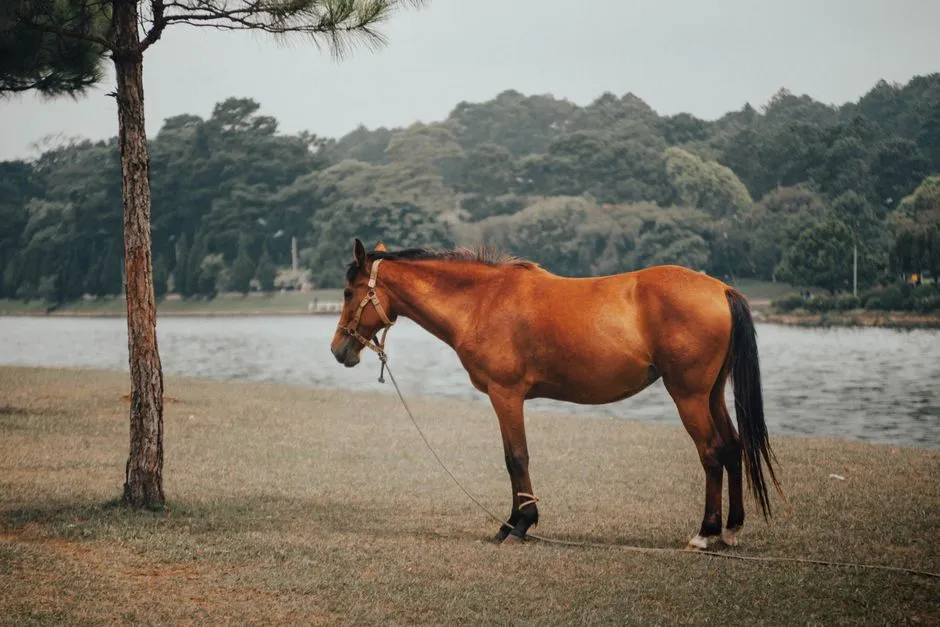
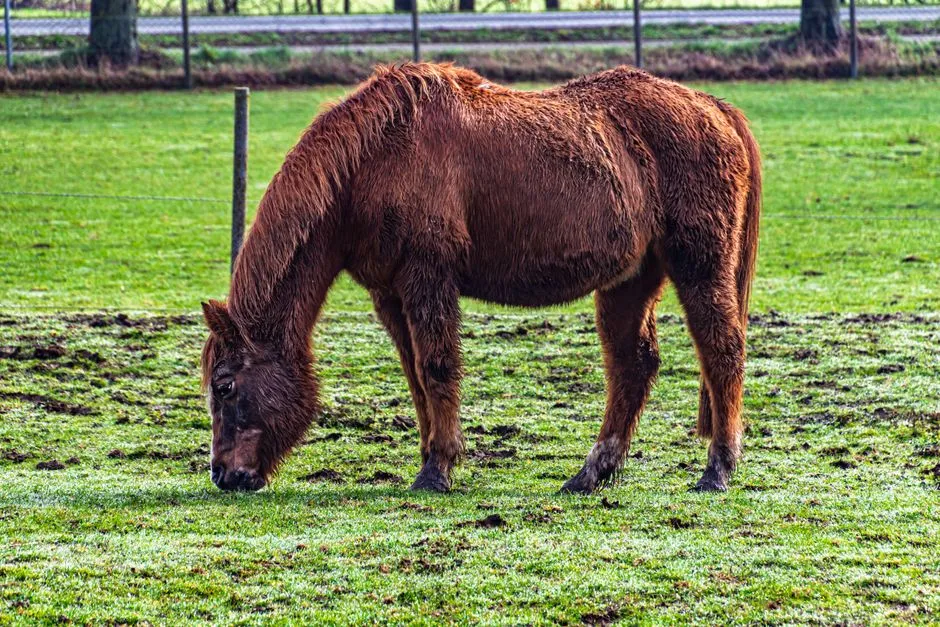
A fuzzy winter coat can hide a thin horse, and plenty of owners don’t find out until it’s late.
Old horses lose muscle along the topline, back, and hindquarters. Long hair and blankets hide it. By the time the ribs show, the problem has often been building for weeks.
Vets rely on hands-on body condition scoring, because visual checks alone are easy to fool. The widely used Henneke system runs on a 1 to 9 scale and focuses on fat cover over the ribs, withers, loin, tailhead, and neck.
A simple routine works:
- Run your hands over the ribs, spine, and hips weekly
- Take dated photos from the same angles each month
- Use a weight tape for trends, not exact numbers
Don’t confuse fat loss with muscle loss. A horse can look round through the belly while wasting over the back. A sagging belly with a sharp spine is a red flag worth a vet call.
But weight isn’t the only thing quietly changing under that coat, as #9 shows…
#9 – The Hormone Problem Hiding in Plain Sight
🔥 Would you like to save this?
We'll email this post to you, so you can come back to it later!
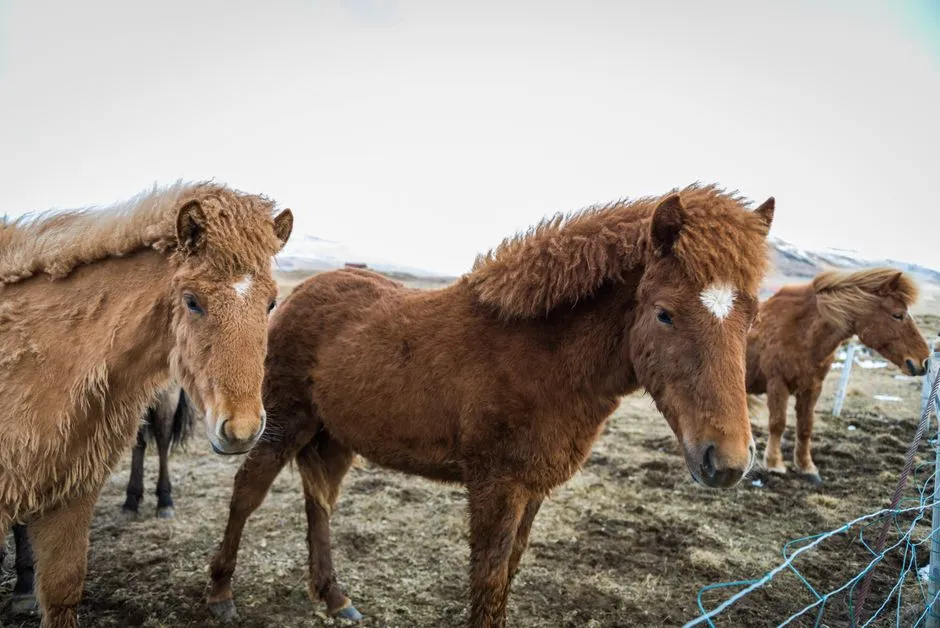
A long, curly coat that won’t shed isn’t just “an old horse thing.” It can be a medical signal.
PPID, often called equine Cushing’s disease, is one of the most common endocrine conditions in older horses. It involves changes in the pituitary gland, and it tends to show up in later life.
A delayed or incomplete shed is one of the classic early clues, and plenty of owners write it off as normal aging. Other signs can be subtle, which is why the condition so often goes unnoticed.
Possible signs to raise with your vet:
- Long, wavy hair that doesn’t shed on time
- Muscle loss with a pot belly
- Increased drinking and urinating
- Recurrent hoof soreness or laminitis
- Frequent infections or slow healing
Testing is available through your vet, and treatment can help many horses. Early detection matters, partly because PPID is linked with laminitis risk. Don’t guess or self-diagnose. Blood tests and vet guidance are the only reliable route.
But the next overlooked need is something that makes his legs and hooves hurt at #8…
#8 – Hooves and Joints Hurt More Than He Shows
🔥 Would you like to save this?
We'll email this post to you, so you can come back to it later!
Horses are wired to hide pain, so a “quiet” old horse may be quietly suffering.
As a prey animal, a horse instinctively masks discomfort. Owners often read stiffness as personality. They say he’s “just slowing down” or “grumpy about being caught,” when he may be bracing for the next ache.
Arthritis is extremely common in aging horses, yet it’s often missed because the signs look like ordinary old age. Hoof care matters here too, since overdue trims change how forces travel through the leg.
Subtle clues include:
- Short, choppy strides or reluctance to turn
- Stiffness that eases after warming up
- Shifting weight or resting a hind leg more often
- Trouble lying down or rising
Regular farrier visits are essential. Many horses are trimmed every 6 to 8 weeks, though your farrier and vet should set the schedule for your horse. Footing matters as well. Deep mud, frozen ruts, and hard ground all make sore joints worse.
Talk to your vet about safe pain management. Never give human painkillers or someone else’s horse medication.
But there’s a hydration trap that has nothing to do with joints, waiting at #7…
#7 – Water Is a Bigger Deal Than You Think
🔥 Would you like to save this?
We'll email this post to you, so you can come back to it later!
Dehydration is the sneaky trigger behind some of the scariest senior-horse emergencies.
Horses drink less when water is icy, and older horses are often pickier. Less water in the gut can contribute to impaction colic, especially with dry hay and cold weather.
Many horses drink noticeably less when water is near freezing, which is exactly when hay-heavy diets make impaction more likely. Owners rarely notice, because they don’t see how much he’s actually drinking.
Fast Facts
- A typical adult horse commonly drinks around 5 to 10 gallons a day
- Heat, work, and lactation can push that number higher
- Dry hay and cold water are a risky pairing for impaction
- A skin pinch that snaps back slowly can point to dehydration
Simple habits that help:
- Check troughs and buckets twice a day
- Use a heated bucket or tank in freezing weather
- Offer soaked feeds or mashes to add moisture
- Make sure water is clean, since horses may refuse dirty troughs
Watch for sunken eyes, dry gums, or slow skin recovery after a gentle pinch. These can signal dehydration. Any colic signs, including pawing, rolling, or looking at the flanks, need a call to your vet immediately.
Salt access also matters. Ask your vet whether your horse needs extra.
But water isn’t the only thing the weather affects. The next one catches almost everyone at #6…
#6 – Temperature Control Gets Harder
🔥 Would you like to save this?
We'll email this post to you, so you can come back to it later!
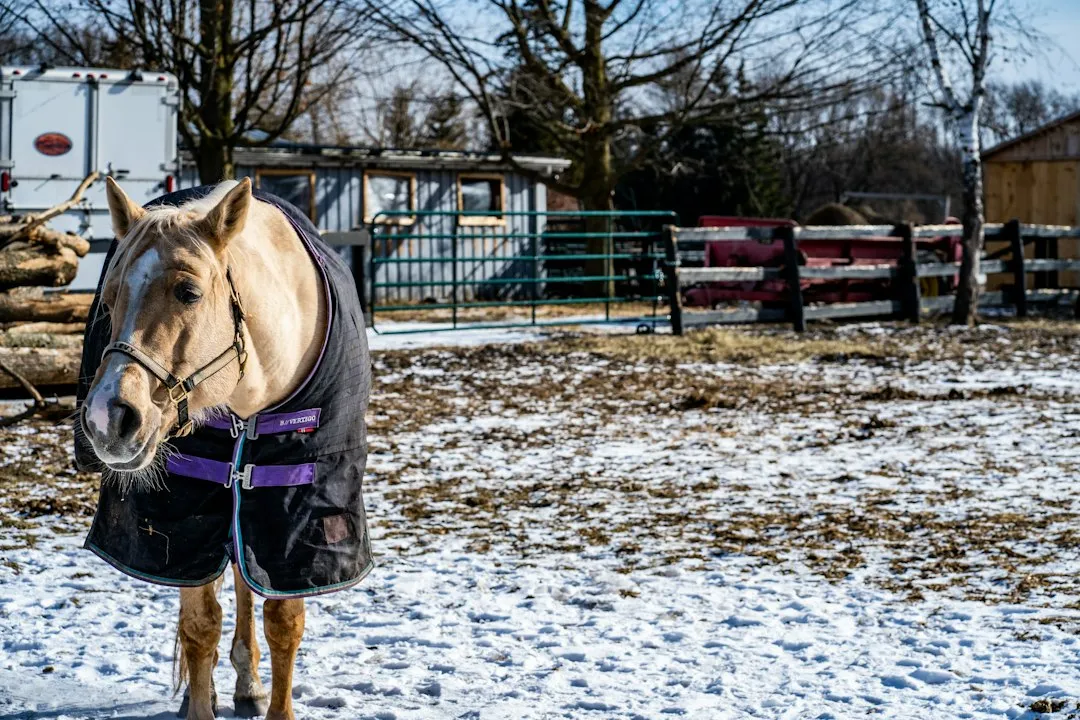
An old horse can’t regulate heat and cold the way he used to, and he won’t tell you.
Seniors often have less muscle and body fat, which means less insulation. Some also struggle to grow or shed a coat on schedule, so both winter and summer become tougher.
A thin senior standing in a cold wind can burn through calories just trying to stay warm. That makes weight loss worse in winter, even when the feeder is full.
Think through both extremes:
- Winter: shelter from wind and wet, extra forage, and a well-fitted, dry blanket when appropriate
- Summer: shade, fresh water, and fans in barns
- Clipping for horses that can’t shed, if your vet agrees
The blanket debate is real. Some owners over-blanket healthy horses with thick coats, while others under-blanket thin seniors. Neither approach is right for every horse, so check under the blanket often for sweat, rubs, or weight loss.
The best test is simple. Feel his ears, neck, and body, and watch his behavior.
But comfort isn’t just physical. At #5, there’s an emotional need most people ignore…
#5 – His Friends Matter More Than His Feed
🔥 Would you like to save this?
We'll email this post to you, so you can come back to it later!
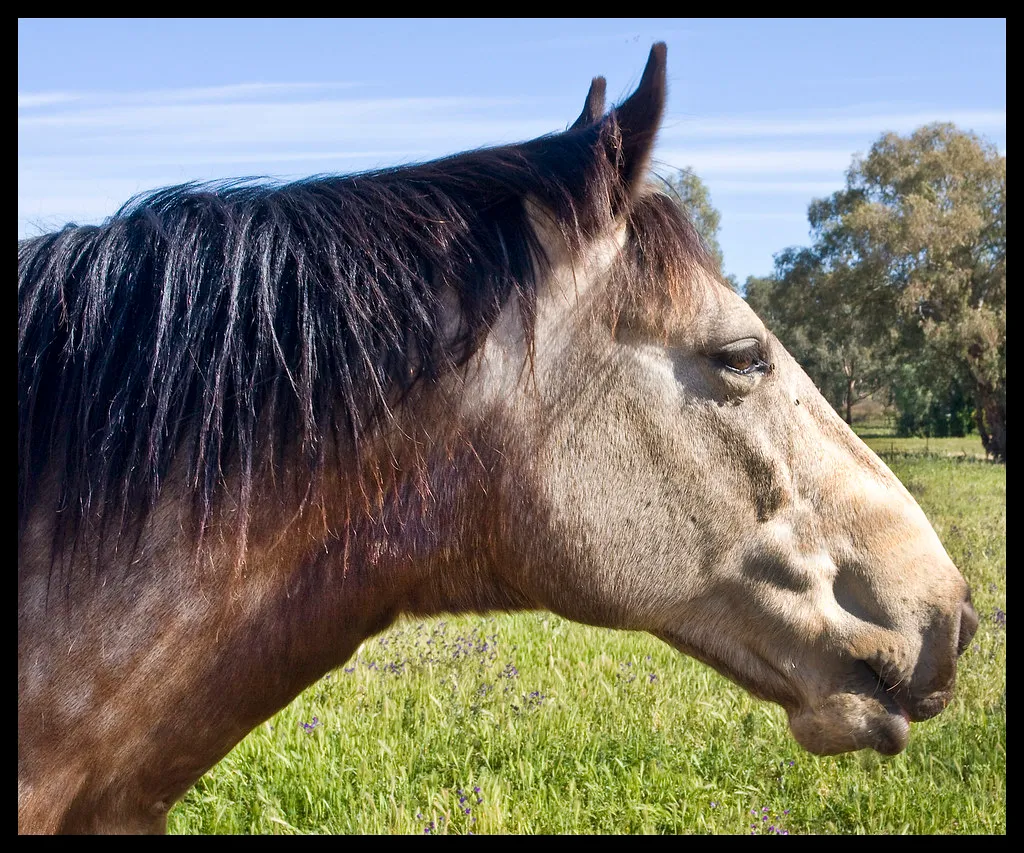
An old horse separated from his herd can decline faster than one with a bad tooth.
Horses are herd animals. Companions provide safety, social comfort, and routine. Removing a lifelong buddy, or isolating a senior “for his own good,” can cause serious stress.
Pacing, calling, and refusing food can show up quickly when a horse loses his companion. That can mean weight loss and a weaker immune response.
Seniors also face social shifts. Younger, pushier herd mates may bully an old horse away from food and shelter.
What owners can do:
- Keep established friendships intact when possible
- Add extra feeders so he can eat without competition
- Pair him with calm, gentle companions
- Separate feeding times only if needed, while keeping him within sight of friends
Here’s an unpopular opinion: many experts believe a lonely but “safe” stall can be worse than a busy pasture with a few scrapes. Of course, the right call depends on your horse’s health and safety.
But even the best companion can’t help with the thing at #4…
#4 – Sleep and a Soft Place to Lie Down
🔥 Would you like to save this?
We'll email this post to you, so you can come back to it later!
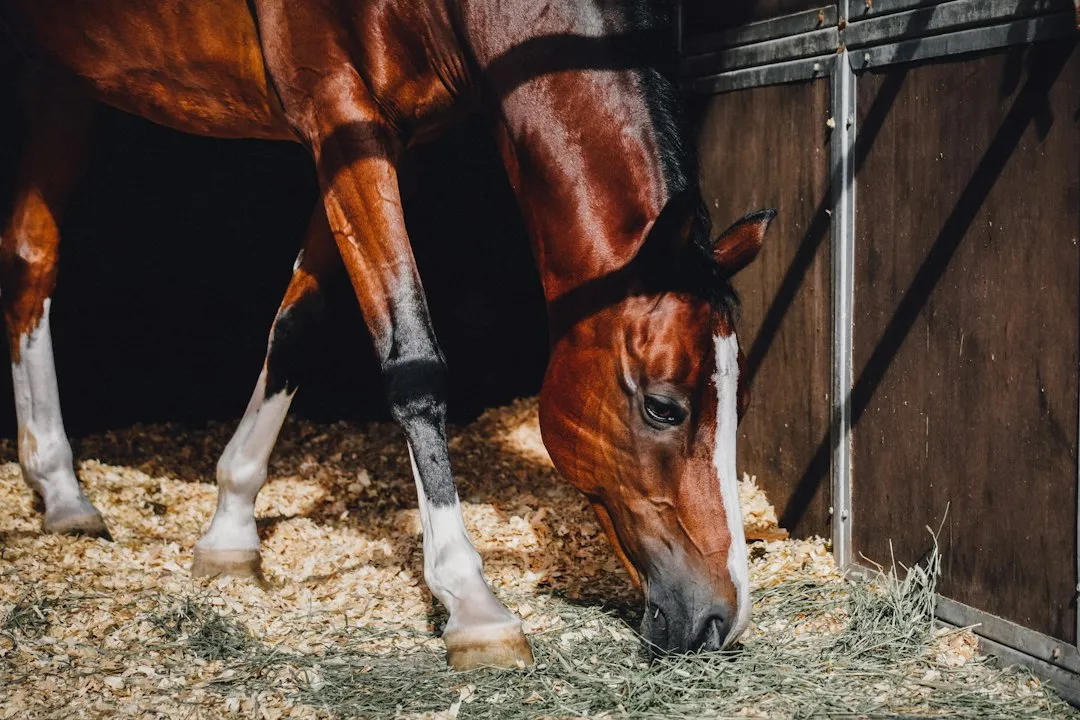
Old horses need to lie down, and many quietly stop because it hurts too much.
Horses can doze standing up, but they need to lie down for deep REM sleep. A horse that never lies down may become chronically sleep-deprived.
A sleep-deprived horse can buckle or collapse when he dozes off on his feet, so a hard bed or sore joints can become a real safety issue. Owners often mistake this for a sudden “fainting” problem.
Signs to look for:
- Shavings that are never flattened
- No manure or wet spots in a bedded area
- Mud or bedding stains on one side only
- Knee scrapes or unexplained injuries
Deep, dry bedding, rubber mats, or a well-drained, soft pasture area can help. Make sure the lying space is large enough for him to get up without trouble, because cast-in-stall risk rises when space is tight.
If your horse seems drowsy and unsteady, call your vet. Sleep issues and pain issues often overlap.
But there’s a sense that fades even more quietly, and it shapes everything at #3…
#3 – Fading Eyes and Ears Change His World
🔥 Would you like to save this?
We'll email this post to you, so you can come back to it later!
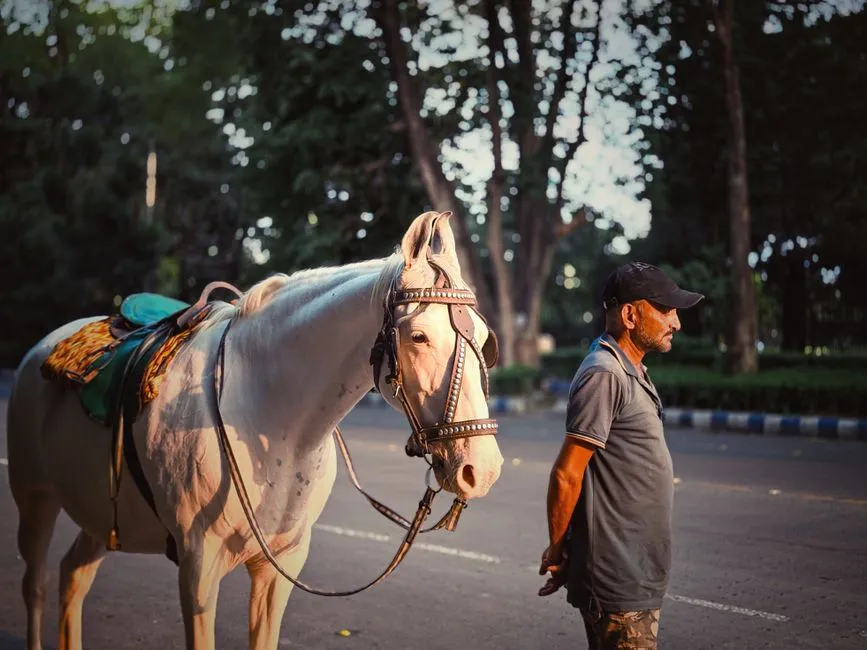
A spooky old horse isn’t being difficult. He may simply not see you coming.
Vision and hearing can decline with age. Cataracts, uveitis-related changes, and other eye problems can affect seniors, and hearing loss can develop too. These changes are easy to miss in a calm, familiar setting.
A horse that startles when you approach from behind, or fails to react to sounds, may be telling you he can’t perceive them. That’s a safety issue for you both.
Worth Knowing
- Even a healthy horse has blind spots directly behind him and just in front of his nose
- Age-related vision loss can make those gaps bigger
- A calm voice before touch gives him time to place you
- A sudden squint, tearing, or discharge is worth a prompt vet call
Ways to adapt:
- Speak before you touch, and approach from the front
- Keep the layout of the barn and pasture consistent
- Remove sharp or protruding hazards from familiar paths
- Ask your vet to check the eyes if you see cloudiness, squinting, or tearing
Eye problems can become painful quickly, so a sudden squint or discharge deserves a prompt call. Horses with limited vision often manage well, but only when their routine stays predictable.
Don’t rearrange the paddock for fun. Change is hard on a horse who relies on memory instead of sight.
But there’s a vet-care mistake that matters even more, and it sits at #2…
#2 – The Vet Plan Needs an Upgrade
🔥 Would you like to save this?
We'll email this post to you, so you can come back to it later!
Calling the vet only for emergencies is the costliest habit in senior horse care.
Older horses are often managing several things at once. Dental wear, joint changes, hormonal issues, and parasite loads all interact, and one missed problem can set off the next.
Many senior health problems, including PPID and dental disease, are easiest to manage when caught early. That’s why routine exams become more valuable with age.
A strong senior plan often includes:
- Regular wellness exams, with your vet setting the frequency
- Dental checks tailored to his mouth
- Bloodwork when your vet recommends it
- A vaccination and deworming plan based on his risk, not a generic calendar
- Notes on weight, appetite, and manure changes
Deworming is a good example of how thinking has changed. Many vets now prefer targeted plans guided by fecal egg counts instead of blanket schedules. Ask what fits your horse and region.
Keep a simple health log. Dates and details help your vet spot patterns you’d never catch from memory.
But the hardest thing owners overlook comes last, and it’s #1…
#1 – An Honest Quality-of-Life Conversation
🔥 Would you like to save this?
We'll email this post to you, so you can come back to it later!
The most loving thing you can do for an old horse is also the thing most owners put off.
Nobody wants to think about the end. So many owners wait until a crisis, such as severe colic, a bad fall, or a horse who can’t get up, forces a decision at the worst possible time.
Experts often recommend deciding on quality-of-life criteria while your horse is still doing well. That way, you aren’t making choices in panic or grief.
Questions worth asking with your vet:
- Is he comfortable most days, or only on good ones?
- Can he eat, drink, move, and lie down without distress?
- Does he still show interest in his herd and surroundings?
- Are the bad days starting to outnumber the good?
Some owners use a simple calendar and mark each day good or bad. A pattern can be easier to see on paper than in the heart.
At a Glance
- A good day: eats with interest, moves freely, lies down and rises, stays engaged with his herd
- A hard day: goes off feed, stands apart, struggles to rise, or seems withdrawn
- What matters: the trend over weeks, not a single day
There’s no universal formula. But a horse’s welfare should be the deciding factor, not our need to hold on.
Here’s the uncomfortable truth: senior horses don’t need less care. They need sharper care. The overlooked things are rarely the dramatic ones. It’s the worn teeth, the quiet joint pain, the missed hormone clue, the lonely stall, and the vet visit that never gets booked.
Our view? Keeping an old horse alive isn’t the same as keeping him well, and “retired” shouldn’t mean “ignored.” Be honest about his comfort, build a plan with your vet, and act early. Which of these 13 did you miss with your own senior horse?

- 7 Everyday Habits That Can Make Your Senior Dog Happier - November 5, 2026
- 10 Enigmatic Structures That Continue to Puzzle Scientists Today - November 5, 2026
- 10 Strange Ruins in the Americas That Challenge What We Know About Early History - November 5, 2026