
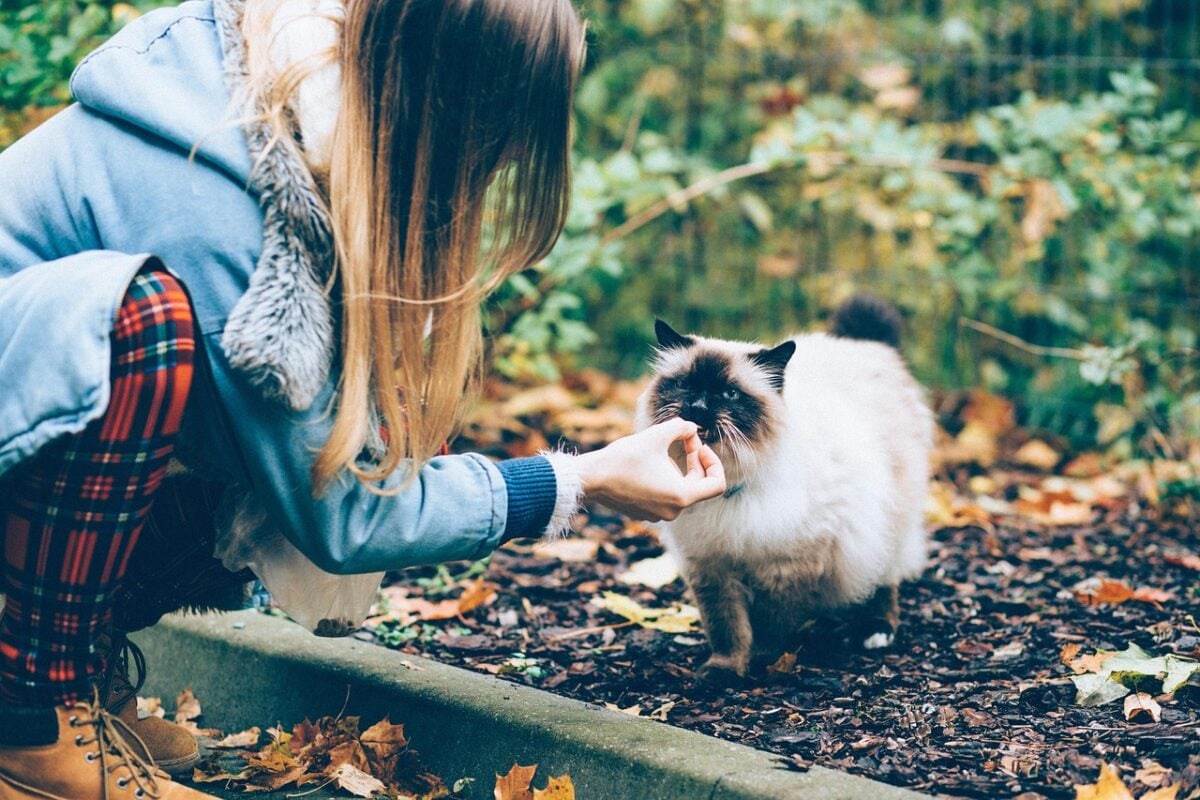
You lock eyes with your cat across the living room. Out comes a long, lazy blink, and then the cat swivels its head and stares at the wall as if you’d never met. It can feel like a tiny rejection, yet it may be nearly the opposite.
Cat behavior is easy to misread because cats communicate in quiet, low-effort signals. The slow blink followed by a turn away is one of those signals, and it says more than it seems to. Here’s what’s known, what’s still uncertain, and how to respond without spoiling the moment.
What a Slow Blink Actually Is
🔥 Would you like to save this?
We'll email this post to you, so you can come back to it later!
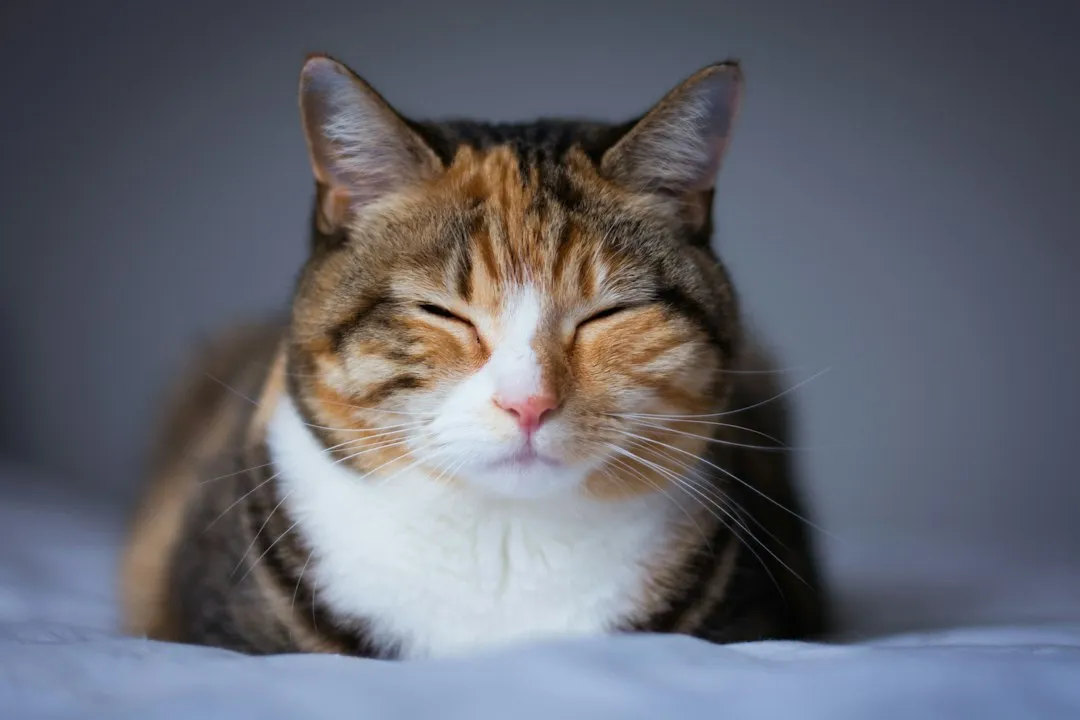
A slow blink isn’t the quick reflex blink that keeps eyes moist. It’s a drawn-out lowering of the eyelids, sometimes narrowing the eyes first, and then a gentle reopening. It looks relaxed because it is.
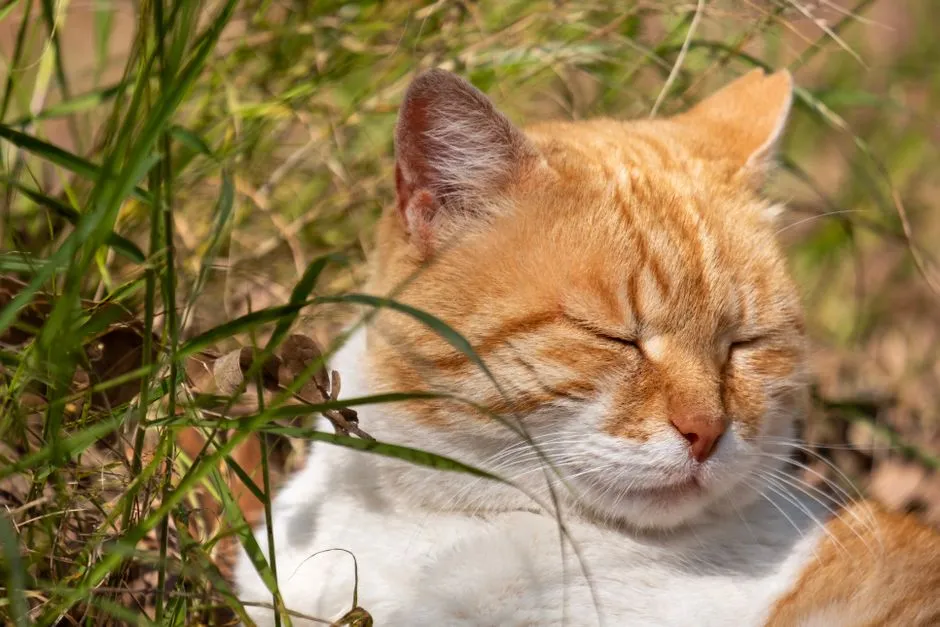
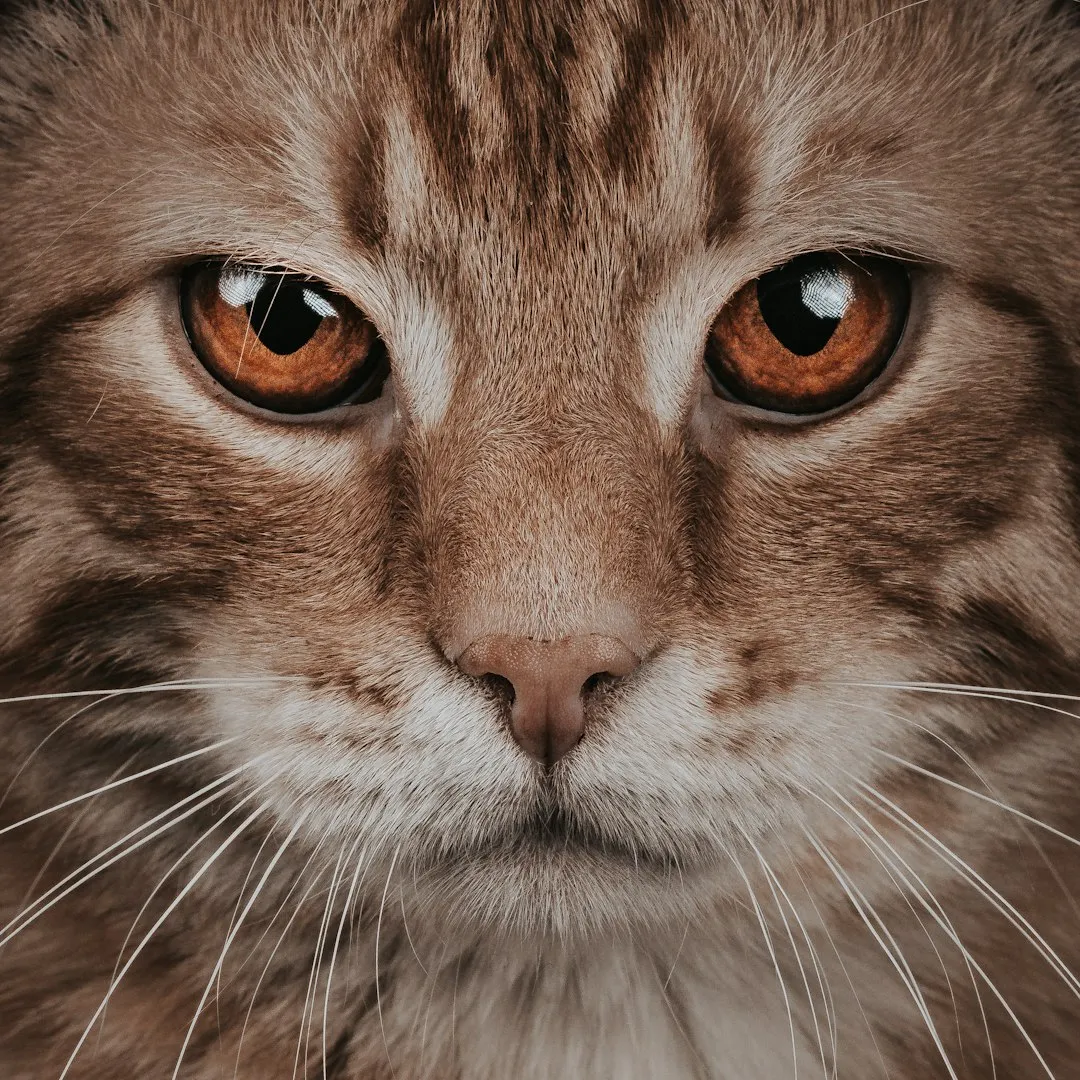
Many cat behavior experts describe it as a calm, friendly signal. Staring with wide, fixed eyes can read as a challenge in the feline world, so softening the gaze signals the opposite. Closing the eyes, even briefly, shows the cat doesn’t feel the need to stay on guard.
What the Research Says
🔥 Would you like to save this?
We'll email this post to you, so you can come back to it later!
A 2020 study published in Scientific Reports, led by researchers at the University of Sussex and the University of Portsmouth, looked at slow blinking between cats and people. Cats were more likely to slow blink back at a person who had slow blinked at them than when the person did nothing. They were also more likely to approach an outstretched hand after the person had slow blinked.
That’s useful evidence, though it’s worth keeping in proportion. The study suggests slow blinking works as a positive communication channel, but it doesn’t prove cats mean exactly what a human would mean by a smile. Researchers have been careful to describe it as a likely friendly signal, not a decoded sentence.
Why the Turn Away Isn’t an Insult
🔥 Would you like to save this?
We'll email this post to you, so you can come back to it later!
Here’s where the confusing part comes in. After a slow blink, many cats look away, and owners wonder if they were snubbed. In cat body language, breaking eye contact is often a polite way of keeping things calm.
Direct, sustained staring can feel intense to a cat. Looking away lowers the pressure and tells everyone in the room that no conflict is brewing. A cat that blinks and then turns is, in many cases, saying it’s comfortable and doesn’t need anything else right now.
Comfort Without a Request
🔥 Would you like to save this?
We'll email this post to you, so you can come back to it later!
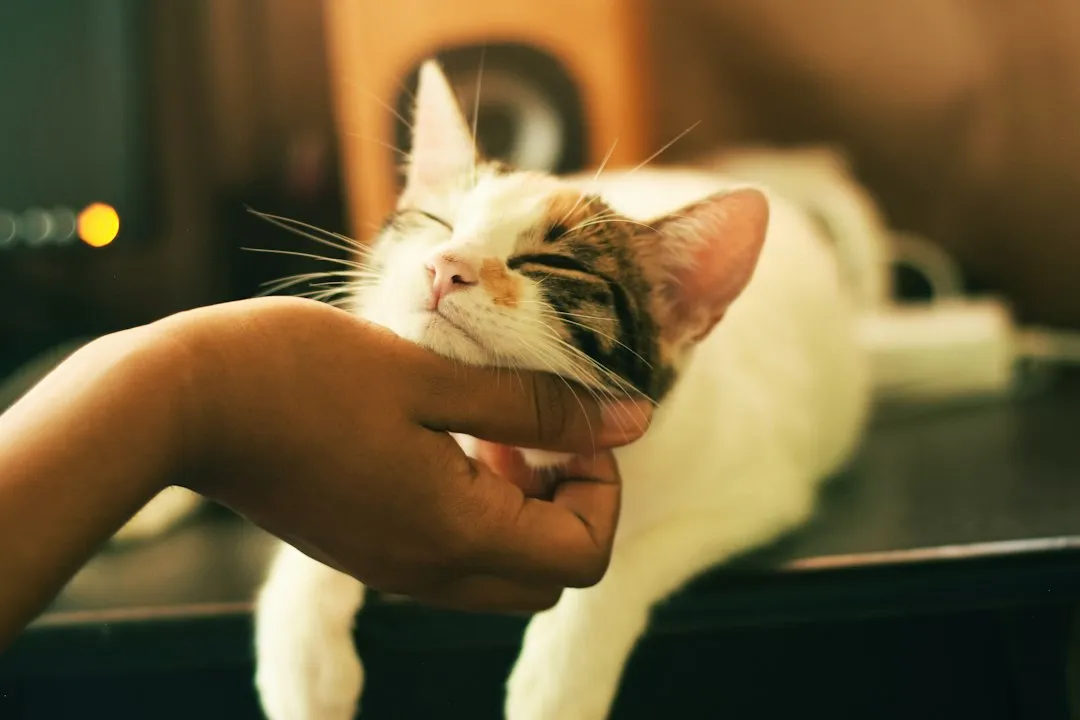
People often assume affection from a cat has to lead somewhere, like a lap visit or a head bump. Cats don’t always work that way. Sometimes a cat simply wants to share a space and acknowledge you in passing.
Think of it like a nod to a neighbor across the street. It’s a friendly gesture, not an invitation to chat. Accepting that gesture as complete can actually strengthen trust, since the cat learns you won’t push for more.
Reading the Rest of the Body
🔥 Would you like to save this?
We'll email this post to you, so you can come back to it later!
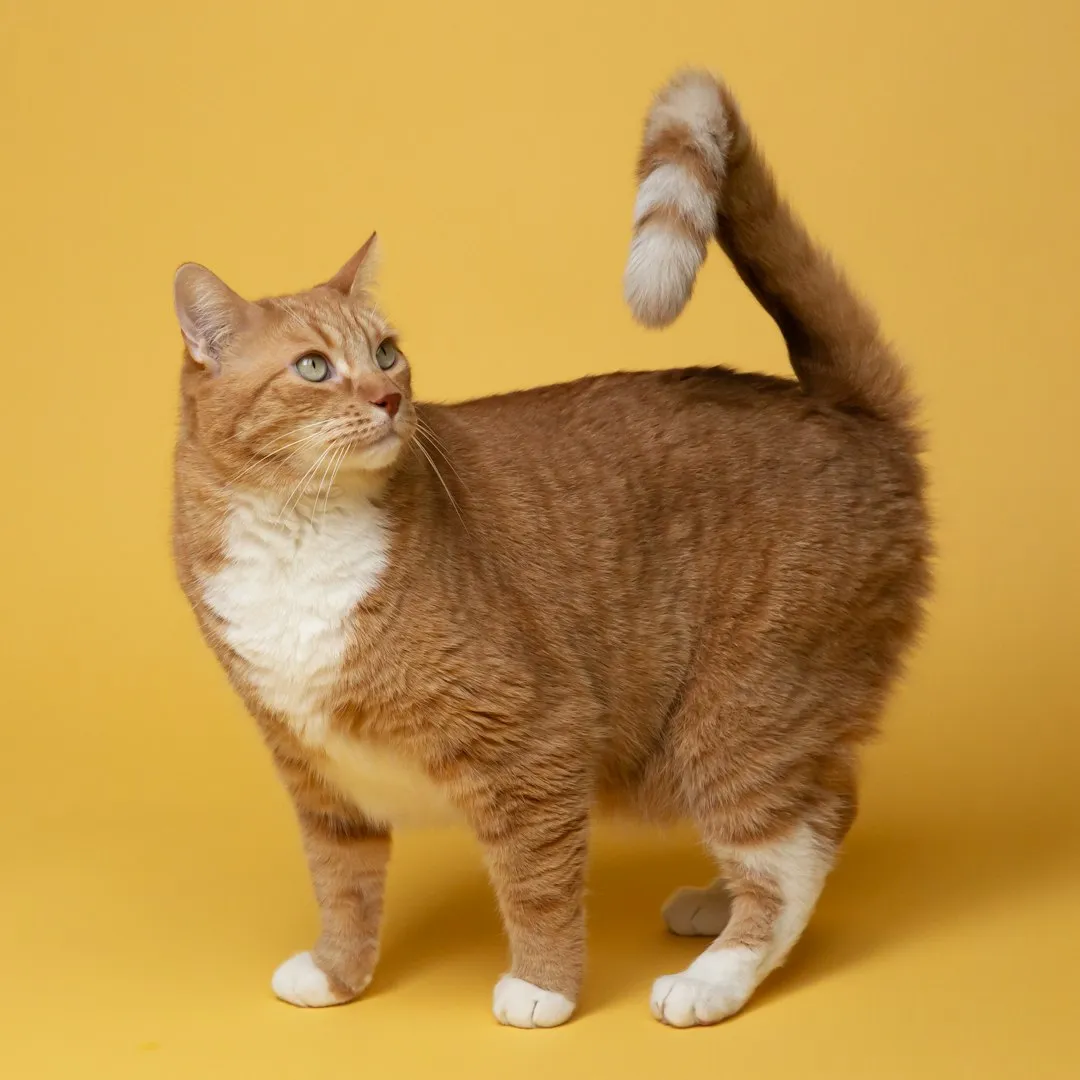
One signal alone rarely tells the full story, so look at the whole cat. A relaxed body, soft face, loosely held tail, and ears in a neutral position usually back up a comfortable reading. Slow breathing and a loose posture help too.
Context matters just as much. A cat that turns away with flattened ears, a twitching tail, or a stiff body may be uneasy or overstimulated, which is a different message. Likewise, if a normally social cat suddenly withdraws, hides more, or stops eating, that’s worth mentioning to a veterinarian, since changes in behavior can signal pain or illness.
How to Respond Without Overdoing It
🔥 Would you like to save this?
We'll email this post to you, so you can come back to it later!
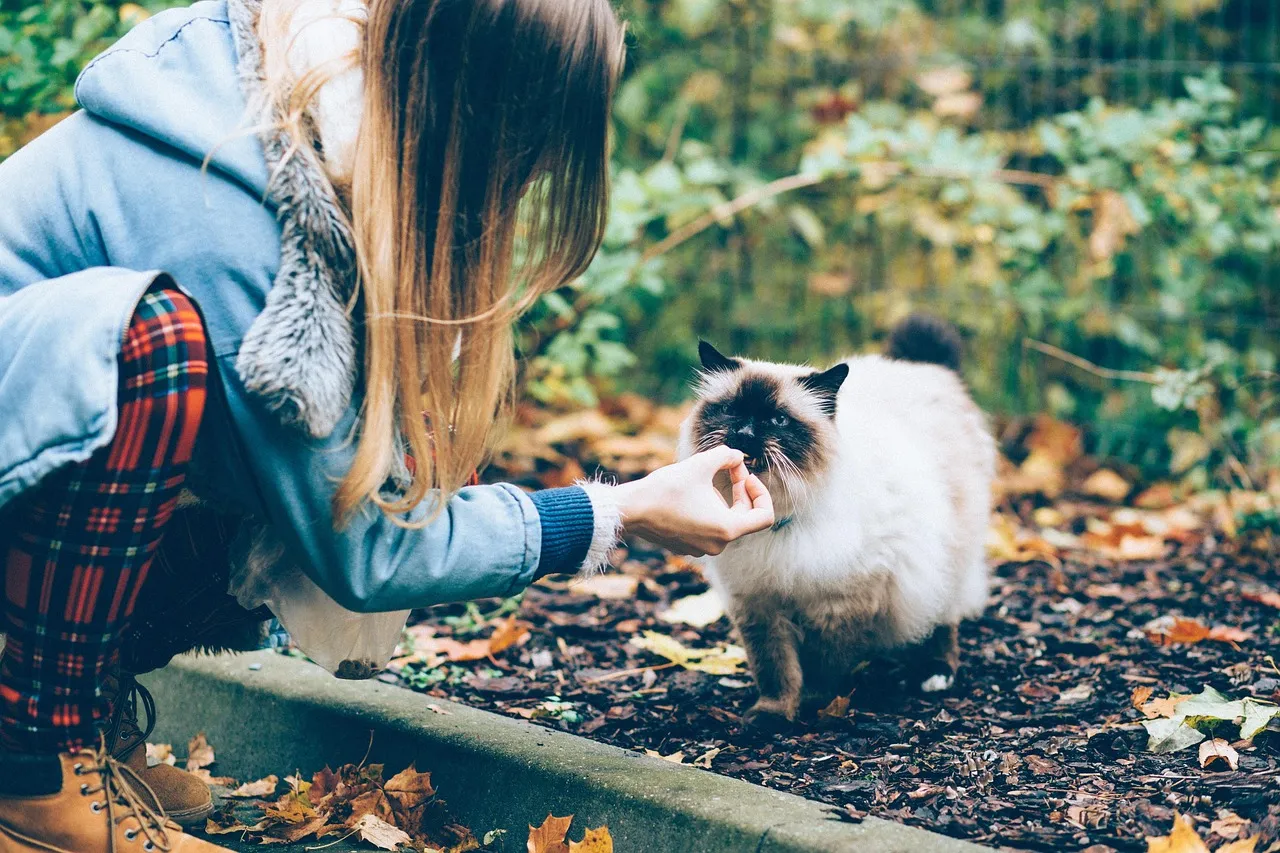
The easiest reply is to blink slowly back, then let the cat have its space. Don’t lunge in for a cuddle or keep staring. You can also turn your head a little to match the cat’s relaxed energy.
If the cat wants more, it’ll usually show you by walking over, rubbing against you, or settling nearby. Letting the cat lead builds the kind of confidence that tends to make cats more affectionate over time. Patience is the whole trick, and it costs nothing.
Final Thoughts
🔥 Would you like to save this?
We'll email this post to you, so you can come back to it later!
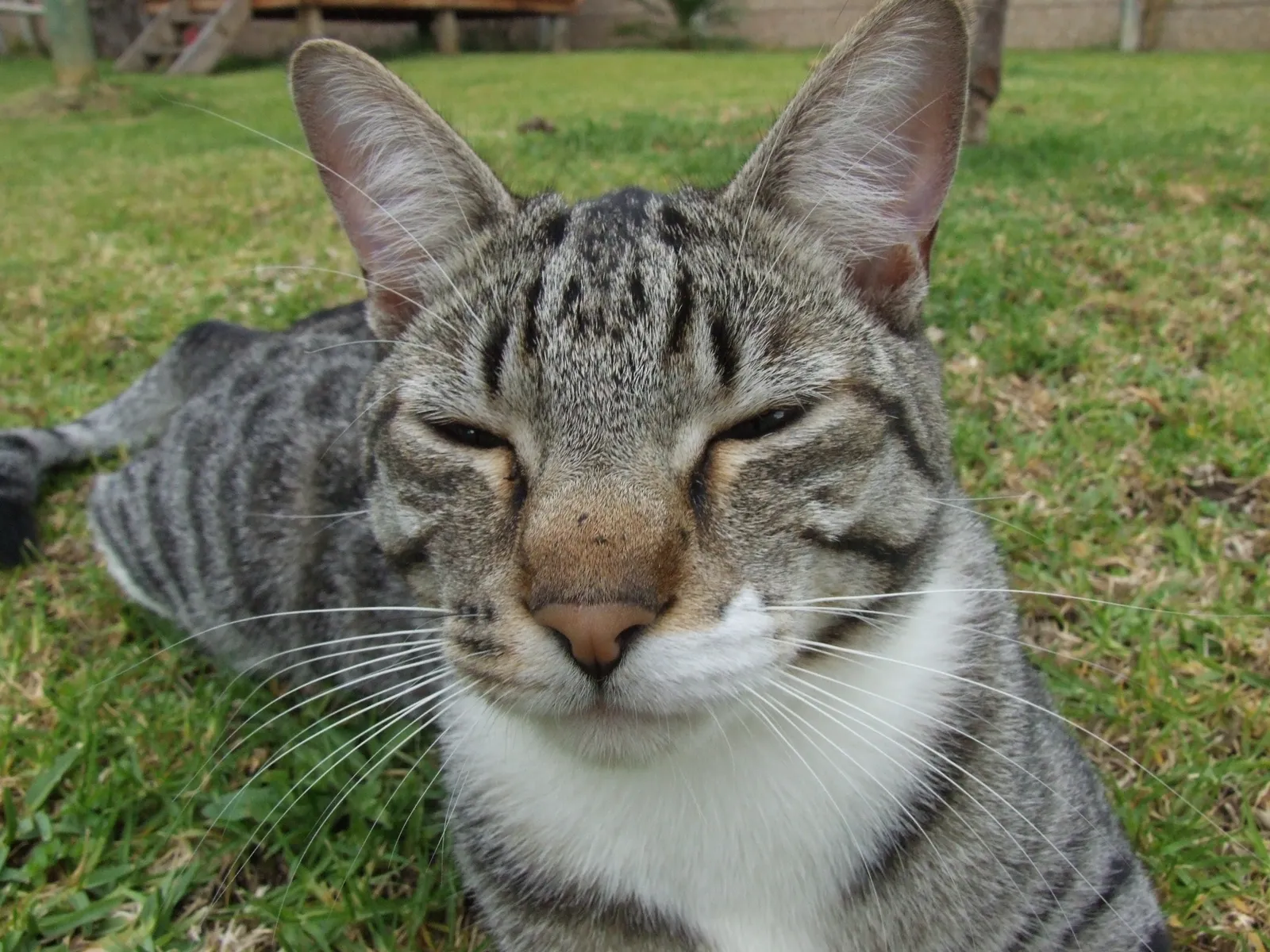
I think we ask too much of our cats emotionally. We want every look to be an invitation, and when it isn’t, we feel a little ignored. The slow blink and turn away is a reminder that affection doesn’t always need a follow-up.
My view is that this tiny moment deserves to be taken at face value. Your cat trusts you enough to relax, and then trusts you enough to move on. Blink back, say nothing more, and consider it a compliment.

- 7 Everyday Habits That Can Make Your Senior Dog Happier - November 5, 2026
- 10 Enigmatic Structures That Continue to Puzzle Scientists Today - November 5, 2026
- 10 Strange Ruins in the Americas That Challenge What We Know About Early History - November 5, 2026