

Camouflage is an art perfected by nature over millions of years, offering intriguing lessons in adaptation and survival. Among the masters of disguise in the natural world, Tennessee’s copperhead snakes stand out for their unparalleled ability to blend into their environment. This article will delve into the fascinating world of the copperhead, unveiling the secrets behind their stealthy existence.
An Overview of Tennessee’s Copperheads
🔥 Would you like to save this?
We'll email this post to you, so you can come back to it later!
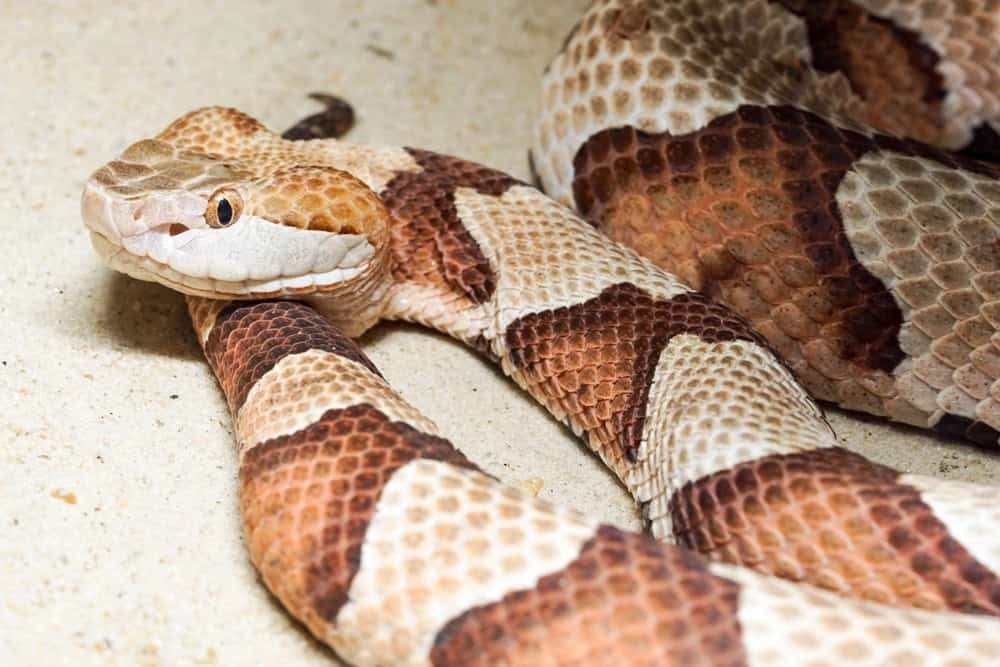
Copperheads are a common venomous snake species found throughout Tennessee, known for their distinctive copper-colored heads. They belong to the pit viper family and are infamous for their effective camouflage, making them difficult to spot even in their natural habitats. These fascinating creatures prefer wooded areas, rocky hillsides, and stream edges, where their adaptive coloration allows them to remain nearly invisible to both predators and prey.
The Science Behind Camouflage

🔥 Would you like to save this?
We'll email this post to you, so you can come back to it later!
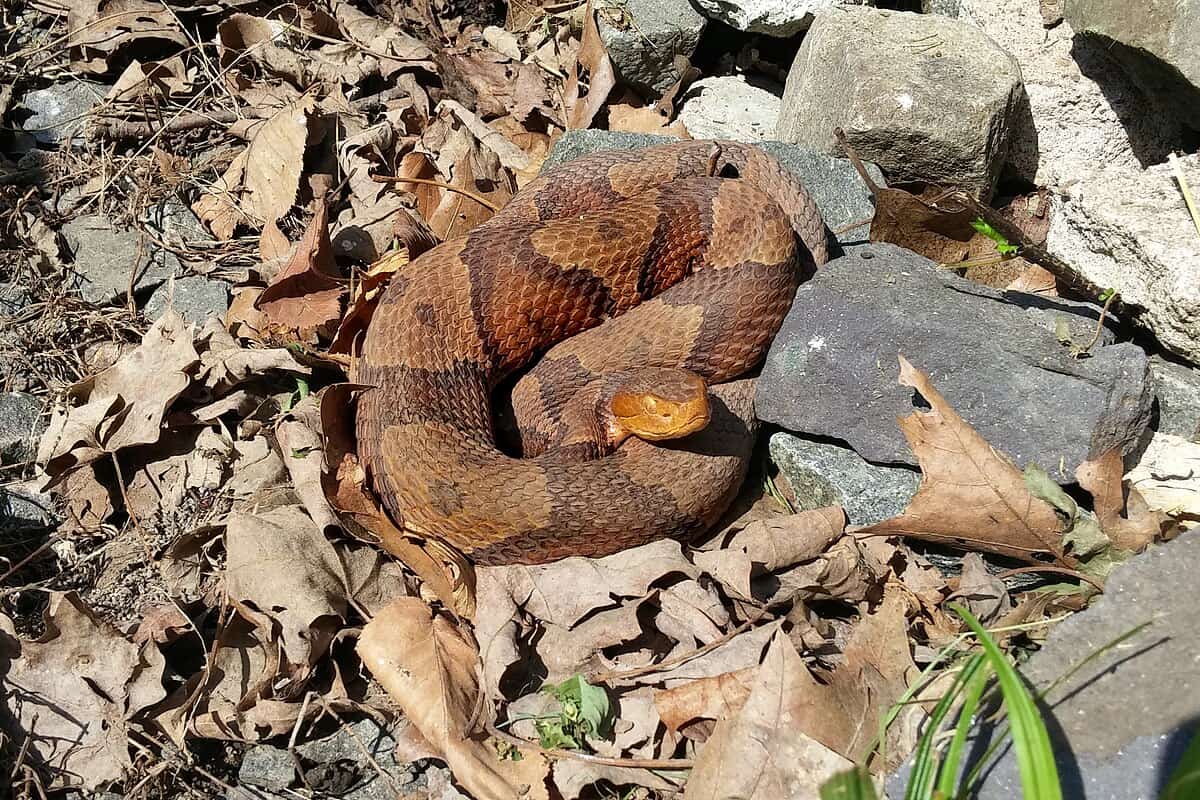
Camouflage in copperheads is a result of complex evolutionary processes. Their scale patterns mimic the natural environment, resembling dry leaves, twigs, and forest floor debris. This adaptive trait is crucial for survival, reducing the likelihood of encounters with predators and increasing hunting success.
A Natural Blend

🔥 Would you like to save this?
We'll email this post to you, so you can come back to it later!
The copperhead’s coloration is not uniform; instead, it features an array of browns, creams, and darker bands that break up the snake’s outline. This disruptive coloration pattern helps them blend seamlessly into their surroundings. The bands are especially effective in leafy environments, making them almost impossible to spot when motionless.
Behavioral Adaptations

🔥 Would you like to save this?
We'll email this post to you, so you can come back to it later!
Copperheads are generally non-aggressive and rely on their camouflage for protection. They often remain motionless to avoid detection, relying on their body’s natural resemblance to the forest floor. This behavior is particularly evident when potential threats approach, as movement would betray their position.
Copperheads’ Role in the Ecosystem

🔥 Would you like to save this?
We'll email this post to you, so you can come back to it later!
Copperheads play a vital role in maintaining ecological balance by controlling rodent populations. Their stealthy hunting ability ensures they can approach prey without being detected, securing food essential for their survival and indirectly benefiting agriculture by reducing pest numbers.
How They Hunt
🔥 Would you like to save this?
We'll email this post to you, so you can come back to it later!
As ambush predators, copperheads rely on patience and stealth. They position themselves along paths frequented by small animals, waiting for the perfect moment to strike. Their camouflage not only conceals them from prey but also allows them to ambush with precision.
Common Misconceptions

🔥 Would you like to save this?
We'll email this post to you, so you can come back to it later!
Many people mistakenly believe that copperheads are overly aggressive, primarily due to their bold colors. However, their primary defense mechanism is to remain undetected. Bites are rare and typically occur when the snake is accidentally stepped on or deliberately provoked.
Recognizing a Copperhead
🔥 Would you like to save this?
We'll email this post to you, so you can come back to it later!
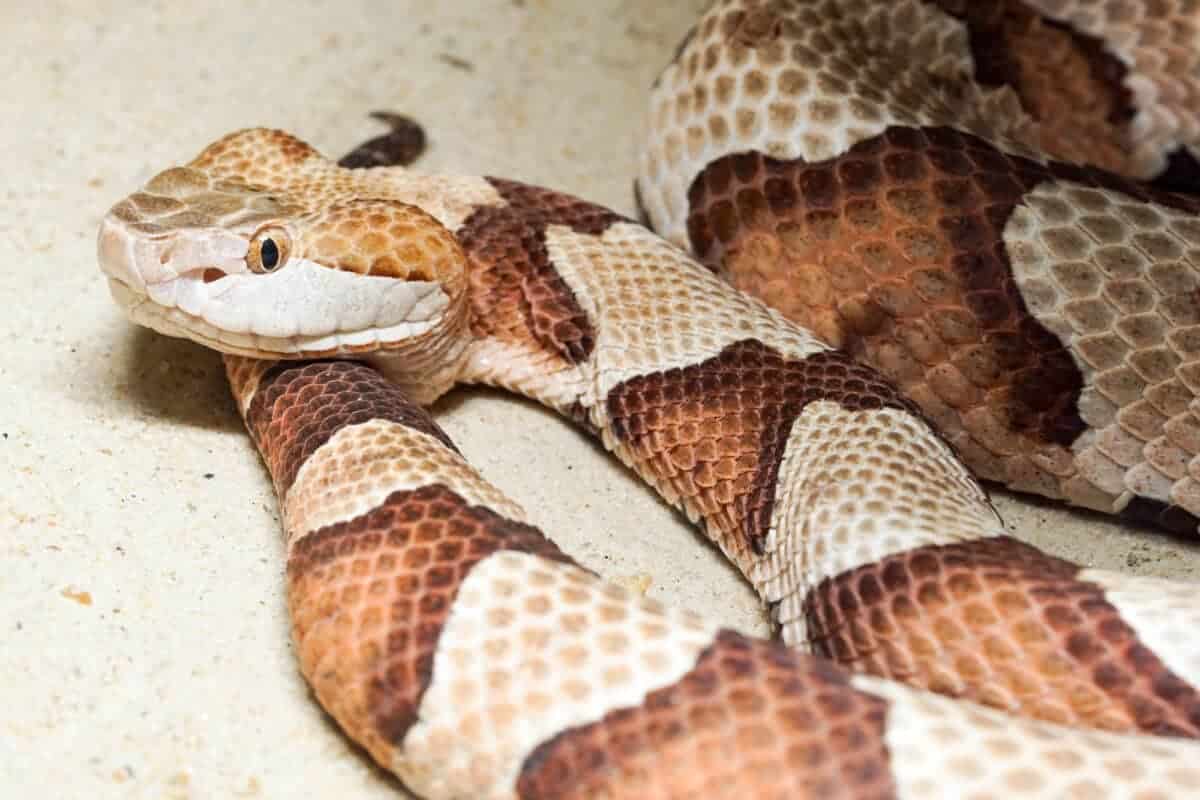
Despite their camouflage, learning to identify copperheads is crucial, especially in areas they inhabit. Key identifiers include their triangular-shaped heads, vertical pupils, and distinctive hourglass patterning on the sides.
When Camouflage Fails

🔥 Would you like to save this?
We'll email this post to you, so you can come back to it later!
Though effective, camouflage is not foolproof. Copperheads occasionally fall prey to birds of prey and other large predatory animals. In such cases, their last resort defense includes producing a musk to deter or confuse attackers.
Safety Precautions

🔥 Would you like to save this?
We'll email this post to you, so you can come back to it later!
In copperhead habitats, exercising caution is essential. Wearing sturdy footwear and being vigilant while hiking can help prevent accidental encounters. Educating oneself on their appearance and behavior is the first step in ensuring safety.
The Copperhead’s Mating Season

🔥 Would you like to save this?
We'll email this post to you, so you can come back to it later!
Mating typically occurs in spring and fall. Copperheads use their camouflage not just for hunting or protection but to hide from potential rivals during these times. Breeding, though not visibly dramatic, plays a crucial role in their lifecycle.
Conservation Status

🔥 Would you like to save this?
We'll email this post to you, so you can come back to it later!
Currently, copperhead populations are stable. However, habitat destruction could pose future threats. Conservation efforts emphasizing habitat preservation are vital for maintaining ecological diversity and the health of populations like the copperhead.
Conclusion

🔥 Would you like to save this?
We'll email this post to you, so you can come back to it later!
The copperhead’s mastery of camouflage is a testament to nature’s ingenuity. By blending seamlessly into their environment, they have become a key component of Tennessee’s diverse wildlife. Understanding their role and respecting their habitat ensures we can coexist peacefully with these enigmatic creatures. Through careful observation and respect for the natural world, we can appreciate the intricate beauty and significance of creatures like the copperhead snake, who remind us of the delicate balance that sustains life on our planet.

- Marine Biology Says When Dolphins Suddenly Go Silent in Open Water It's Not Rest – They've Detected a Predator You Cannot See and Their Survival Strategy Reveals How They Read Danger - November 5, 2026
- Why Veterinarians Say If Your Cat Sleeps With Their Back to You, It's the Highest Form of Trust in Feline Behavior - November 5, 2026
- 10 Common Garden Pests That Are Actually Beneficial To Your Backyard Ecosystem - November 5, 2026