

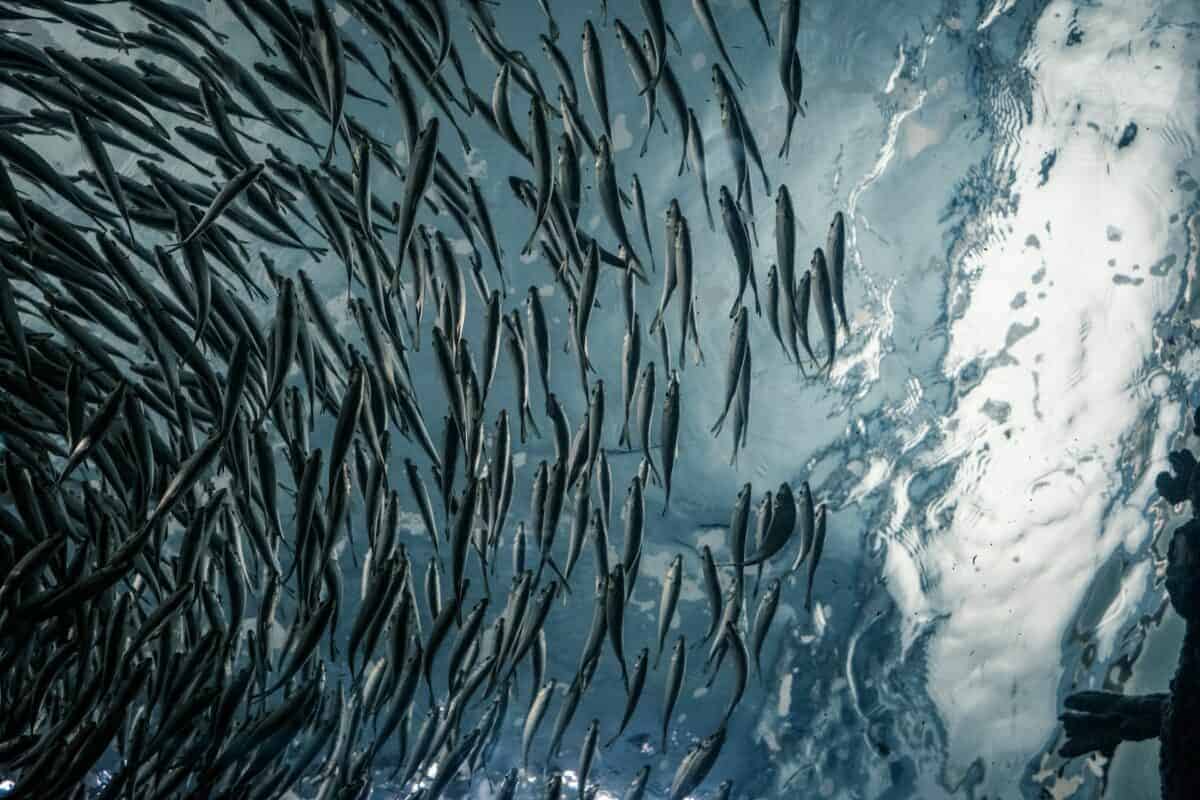
In the depths of our oceans, there are countless phenomena that continue to baffle scientists and captivate the curious minds of enthusiasts. One such enigma is the behavior of fish schooling in perfect spirals. This remarkable behavior, recently observed, is leaving experts both perplexed and fascinated, sparking a flurry of research and discussion. This article delves into the intriguing world of spiral schooling, exploring possible explanations and broader implications.
The Fascinating Phenomenon of Spiral Schooling
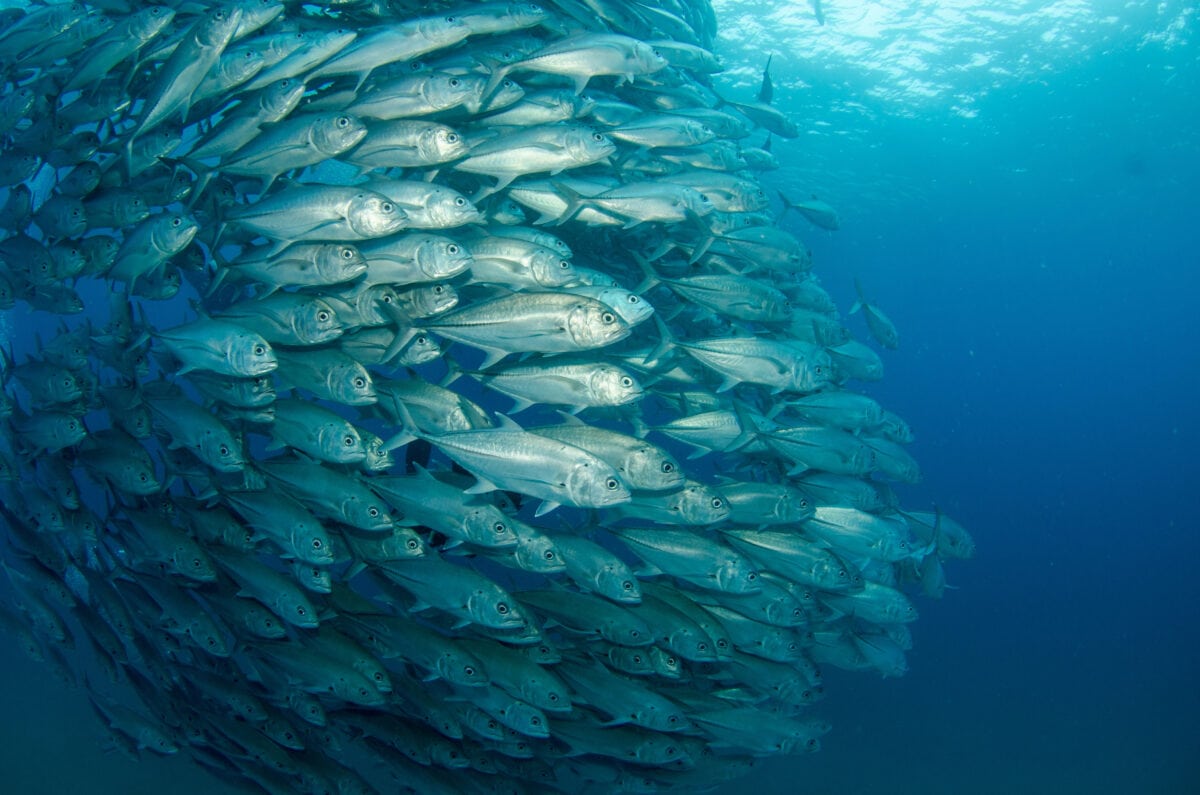
Spiral schooling refers to the orderly, spiral patterns that fish form while moving as a group. This behavior disrupts the more commonly known schooling formations, such as linear or spherical shapes, making it a subject of considerable interest for researchers.
How Common Is Fish Schooling?

Schooling is a prevalent behavior among fish species, with approximately 25% of bony fish known to engage in it at some point in their life cycle. While not all fish school, those that do benefit from enhanced protection from predators, improved hydrodynamic efficiency, and better foraging success.
The Evolutionary Advantage of Schooling
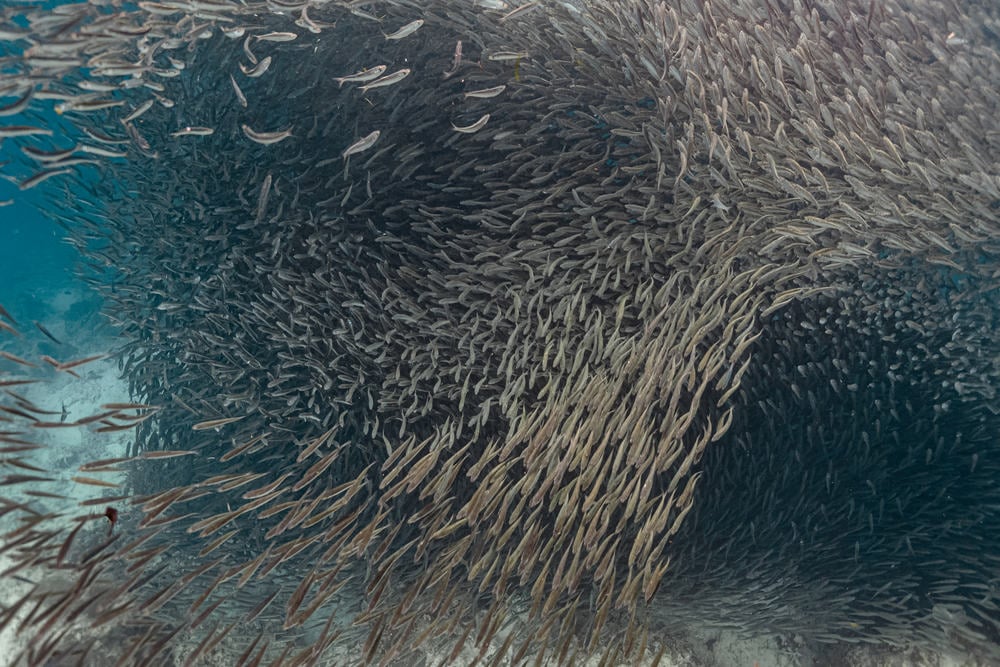
Schooling provides numerous evolutionary benefits. By swimming in large groups, individual fish reduce their chances of being singled out by predators, a principle known as the “confusion effect.” Additionally, schooling can help with energy efficiency, as fish can take advantage of the streamlined flow produced by those ahead of them.
Why Are Spiral Patterns So Intriguing?

The discovery of spiral patterns adds a layer of complexity to the study of fish behavior. Unlike conventional schooling shapes, spirals may offer unique advantages, and understanding them could unlock new insights into fish communication and collective movement.
Possible Explanations for Spiral Schooling

Scientists are exploring several hypotheses to explain spiral schooling. One theory suggests that spiraling might facilitate enhanced communication within the group, allowing fish to convey information more effectively. Another possibility is that spirals might offer even greater protection from predators by creating more dynamic, less predictable movement patterns.
The Role of Environment in School Formation

The environment plays a crucial role in how fish school. Variables such as water currents, predator presence, and food availability can influence the shape and dynamics of schooling behavior, potentially prompting fish to adopt a spiral formation in certain situations.
Technological Advances in Fish Behavior Research

The ability to study such intricate behaviors in the natural world has been significantly enhanced by advancements in technology. Tools such as underwater drones and advanced imaging techniques allow researchers to observe these complex formations without disturbing the natural environment.
Comparative Analysis with Other Animal Behaviors

Spiral schooling shares similarities with certain behaviors in other animal groups, such as the murmuration of starlings or the swarm behavior of insects. Comparative analysis across species may provide additional insights into the evolutionary significance and mechanics of these intricate patterns.
Implications for Conservation Efforts
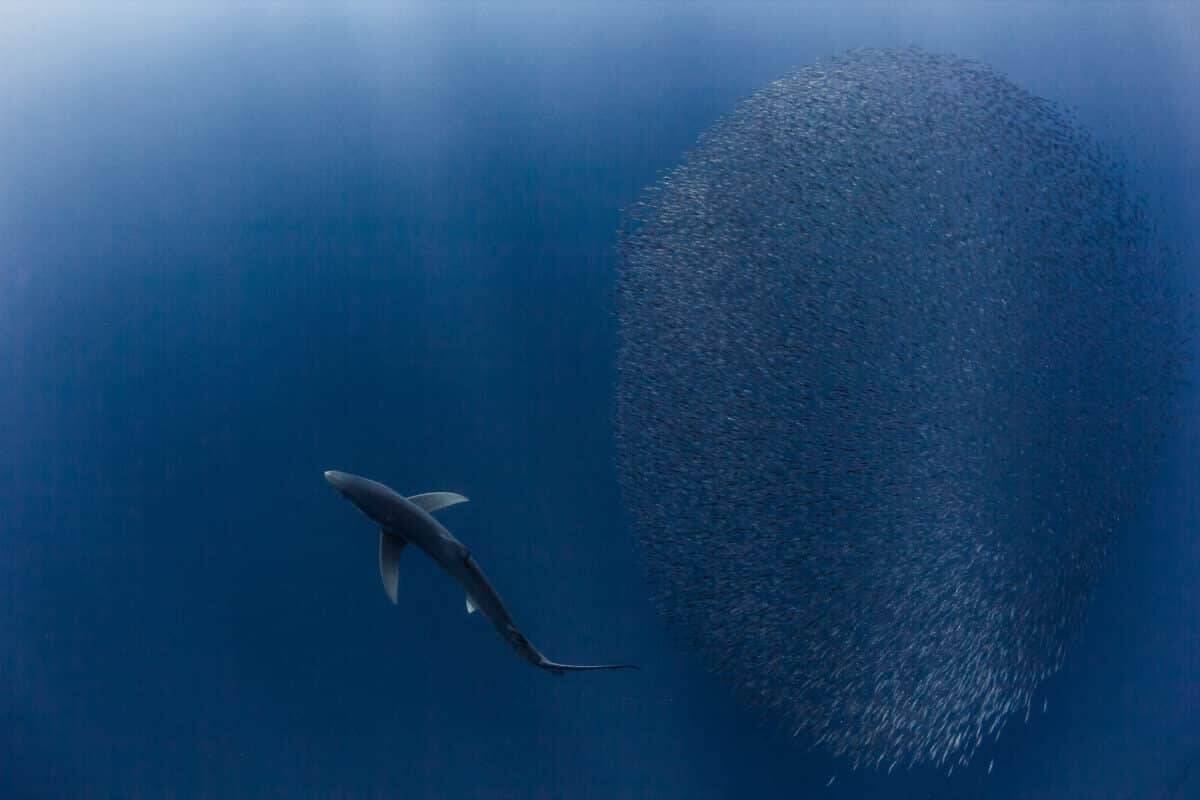
Understanding the intricacies of fish schooling behaviors, including the newly observed spiral formations, could have important implications for conservation efforts. Knowledge of natural behaviors can inform more effective management strategies, ensuring that critical habitats are preserved for species that rely on precise movement dynamics.
Challenges in Studying Spiral Schooling

Studying spiral schooling poses unique challenges, primarily due to the complexity and dynamism of the patterns. Recording and analyzing such transient, three-dimensional movements requires sophisticated tools and a deep understanding of both statistical modeling and biological principles.
The Broader Implications for Marine Ecosystems

The discovery of spiral schooling has the potential to reshape our understanding of marine ecosystems. These patterns could play a crucial role in nutrient distribution and ecological interactions, influencing everything from plankton dynamics to apex predator strategies.
Future Directions in Spiral Schooling Research

The enigma of fish schooling in perfect spirals is just beginning to be understood. Future research will likely integrate multi-disciplinary approaches, combining expertise from fields like fluid dynamics, behavioral ecology, and computational biology to fully unravel these intricate patterns of movement.
The phenomenon of fish schooling in perfect spirals is an awe-inspiring testament to the complexity of the natural world. While much remains to be discovered, each study brings us closer to understanding the secrets of these aquatic ballets. As researchers continue to explore, this enigmatic behavior promises to reveal more about the sophistication and adaptability of life beneath the waves.

From exploring the marine wonders in the Azores and witnessing the vast savannas of Kenya, to delving deep into the rich biodiversity of South Africa and traversing iconic landscapes in Australia and the US like Yellowstone, Chris's experiences are vast.
With a penchant for diving alongside sharks, the ocean holds a special place in his heart.
Through his academic insights, he champions wildlife conservation, striving with 'Animals Around The Globe' to cultivate a profound connection between humans and animals, enhancing our mutual appreciation.
Connect with him at Feedback@animalsaroundtheglobe.com.
- This Spider Builds Fake Decoys of Itself - July 20, 2026
- What Happens If a Crocodile Fights a Hippo? - July 20, 2026
- This Turtle Has Hair - July 20, 2026