

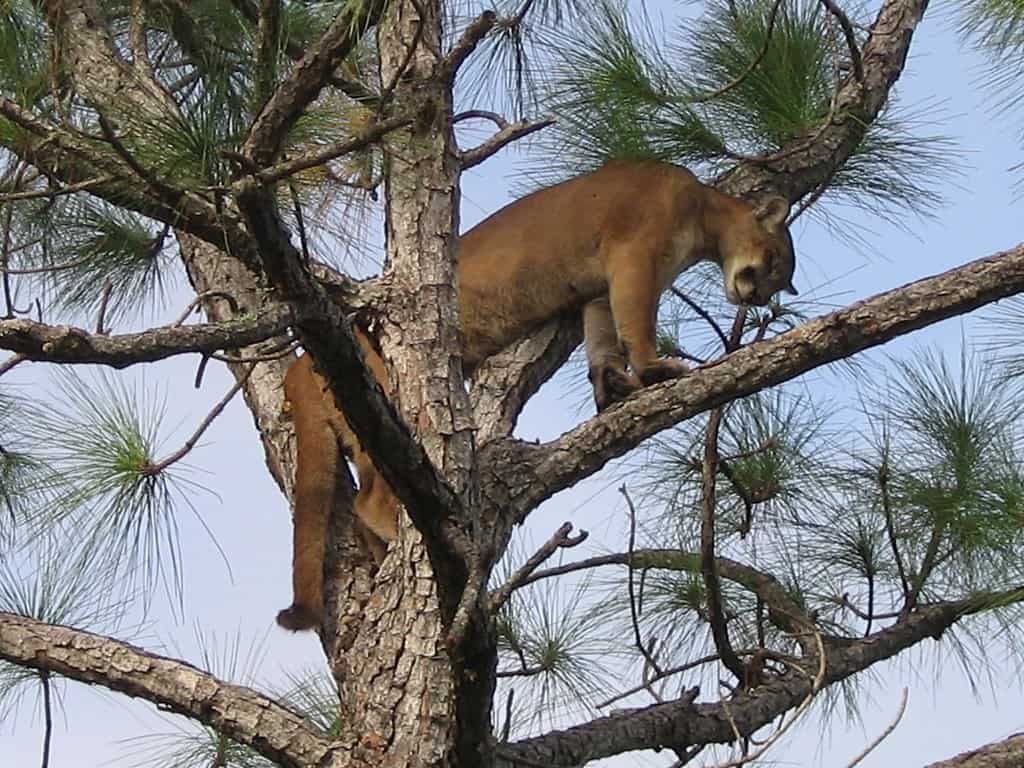
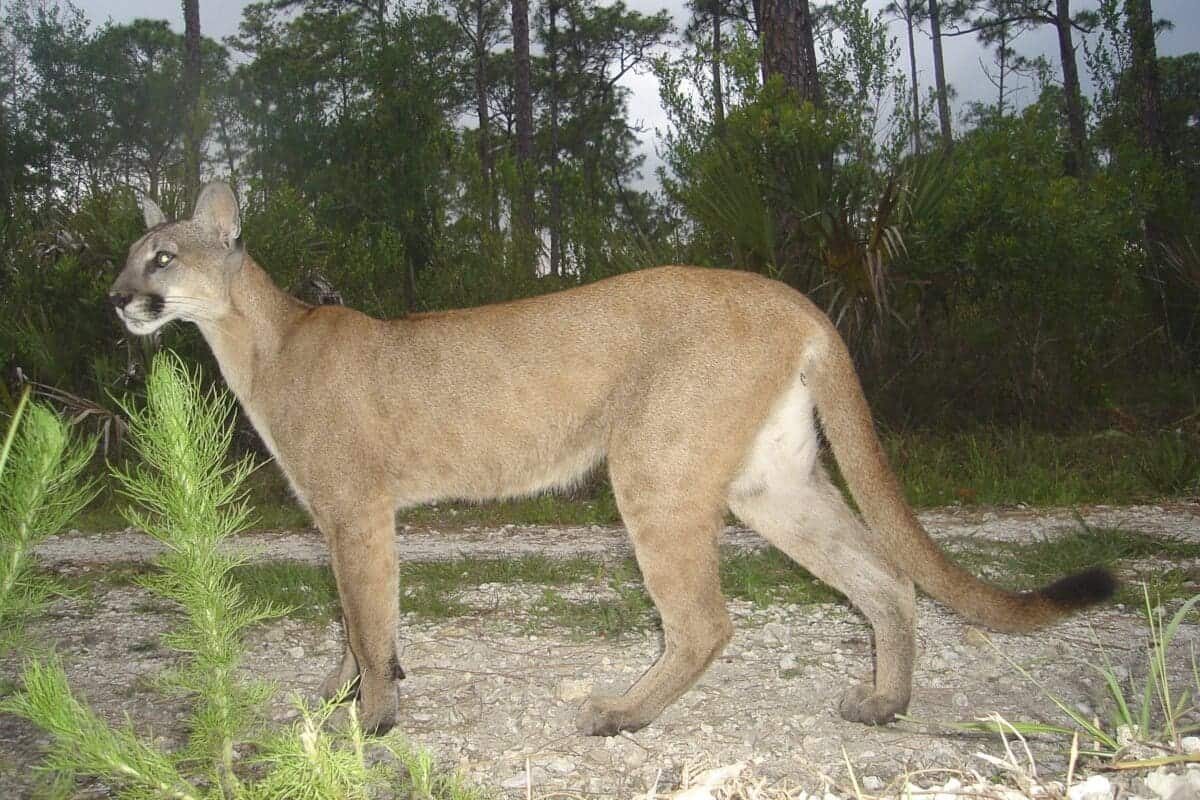
In the dense subtropical forests and wetlands of Florida, a remarkable conservation success story is quietly unfolding. The Florida panther (Puma concolor coryi), once teetering on the precipice of extinction with fewer than 30 individuals remaining in the wild, is gradually reclaiming its ancestral territory. This majestic subspecies of mountain lion, recognized as Florida’s official state animal, has demonstrated remarkable resilience in the face of seemingly insurmountable challenges. From habitat fragmentation to genetic isolation, these magnificent predators have endured decades of hardship. Today, thanks to dedicated conservation efforts, scientific intervention, and increased public awareness, Florida panthers are making a comeback that represents one of the most inspiring wildlife recovery stories in American history.
The Historical Decline of Florida Panthers

The story of the Florida panther’s decline is inextricably linked to America’s westward expansion and development. Once roaming throughout the southeastern United States from Florida to Arkansas and portions of Tennessee, these apex predators suffered catastrophic population losses as European settlers pushed into their territory. By the early 20th century, hunting, persecution, and habitat destruction had eliminated panthers from most of their historical range.
The subspecies was listed as endangered in 1967, but by the 1970s, biologists estimated that only 20-30 panthers remained, confined to the swamps and forests of southwest Florida. This population bottleneck created severe genetic problems, including heart defects, reproductive issues, and kinked tails, further threatening their survival. The Florida panther appeared destined to join the growing list of species driven to extinction by human activities.
Genetic Rescue: A Breakthrough Moment

The turning point for Florida panther conservation came in 1995 with a bold and controversial genetic rescue program. With the remaining population suffering from inbreeding depression, wildlife managers made the difficult decision to introduce eight female Texas pumas (the closest genetic relatives to Florida panthers) into the breeding population. This calculated risk paid tremendous dividends.
The genetic infusion rapidly reduced birth defects, improved kitten survival rates, and enhanced the overall health of the population. By 2003, scientists were documenting clear signs of genetic restoration, with panthers exhibiting improved heart function and fewer physical abnormalities. This pioneering intervention demonstrated that genetic rescue could be a viable conservation tool for small, isolated populations facing extinction due to inbreeding. Today’s recovering panther population carries the genetic legacy of this crucial management decision.
Current Population Status

According to the Florida Fish and Wildlife Conservation Commission (FWC), the estimated population of adult Florida panthers has grown from the critical low of 20-30 individuals to approximately 120-230 adult and subadult panthers today. This remarkable increase represents a five-fold growth in the population over three decades. Annual counts suggest a relatively stable population in recent years, with scientists using radio collars, trail cameras, and tracking surveys to monitor numbers.
The panthers remain concentrated primarily in southwest Florida, south of the Caloosahatchee River, though confirmed sightings north of this traditional boundary have increased, suggesting range expansion. While still endangered and facing substantial threats, the current population represents a significant conservation achievement and provides hope for the subspecies’ long-term recovery.
Habitat Protection Initiatives

Protecting adequate habitat has been crucial to the Florida panther’s recovery. Each adult panther requires a large territory—males need up to 200 square miles, while females require approximately 75 square miles. Conservation organizations and government agencies have worked diligently to preserve critical panther habitat through land acquisition programs like Florida Forever and the Rural and Family Lands Protection Program.
Protected areas including the Florida Panther National Wildlife Refuge, Big Cypress National Preserve, and Fakahatchee Strand Preserve State Park now form a crucial network of conservation lands. Importantly, private landowners have also joined the effort through conservation easements that maintain wildlife corridors while allowing compatible agricultural uses. Despite these successes, biologists estimate that securing the panther’s future requires protecting approximately 5 million acres of connected habitat—an ongoing challenge in rapidly developing Florida.
Road Mortality and Mitigation Efforts

Vehicle collisions represent the leading human-caused mortality factor for Florida panthers, with 20-30 panthers typically killed on roads annually. These losses are particularly devastating for a small population. In response, Florida has implemented one of the most comprehensive wildlife crossing systems in the United States. Along key highways that intersect panther territory, including Alligator Alley (I-75) and State Road 29, wildlife underpasses and fencing guide animals safely beneath the roadway.
These crossings have proven remarkably effective—sections of highway equipped with these structures have seen panther roadkill reduced by over 90%. Monitors with motion-detection cameras have documented thousands of successful panther crossings. The state continues to identify and retrofit high-risk road segments, with each new crossing representing an important investment in panther conservation and public safety.
The Scientific Monitoring Program

Understanding panther movements, behavior, and health is essential for effective conservation. Florida maintains one of the most sophisticated wildlife monitoring programs in the country to track these elusive predators. Biologists use GPS collars to follow individual panthers, documenting territory size, dispersal patterns, and habitat use. These collars provide real-time location data, helping scientists understand how panthers navigate increasingly fragmented landscapes.
Additionally, an extensive network of trail cameras captures thousands of images annually, allowing researchers to identify individual panthers by their unique spot patterns and monitor population dynamics. When panthers die, detailed necropsies determine cause of death and screen for diseases or toxins. This comprehensive monitoring program provides the scientific foundation for adaptive management strategies while generating valuable data on this rarely-seen predator.
Panthers as Ecological Engineers
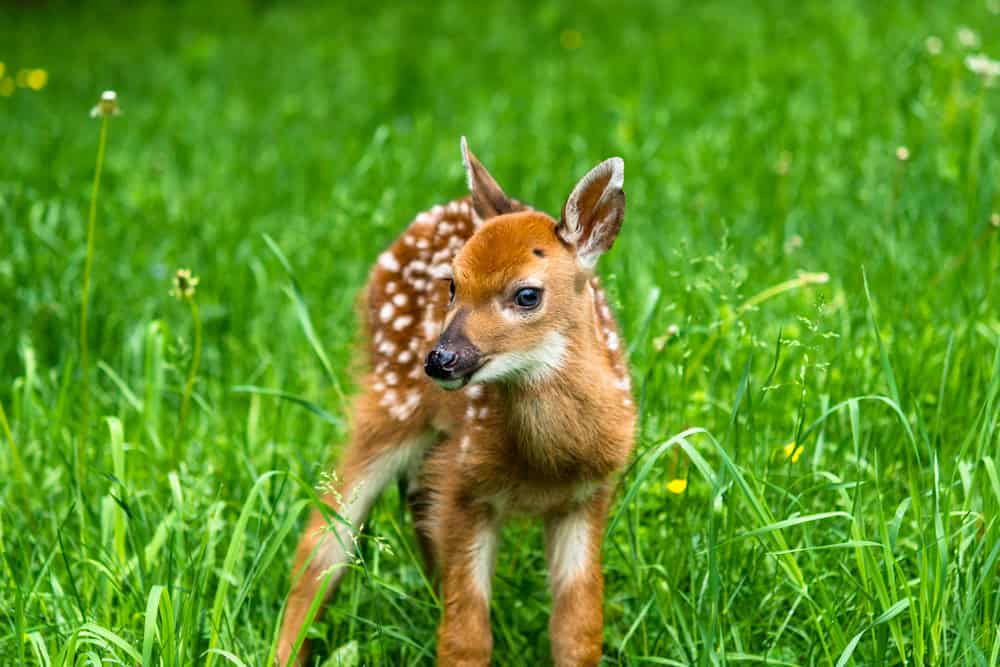
The recovery of Florida panthers has ecological implications that extend far beyond the cats themselves. As apex predators, panthers help regulate prey populations, particularly white-tailed deer and feral hogs. By controlling these herbivores, panthers indirectly influence vegetation patterns and forest regeneration. Studies suggest areas with healthy panther populations exhibit greater plant diversity and more complex forest structure than areas where large predators have been eliminated.
Additionally, panthers help control invasive feral hogs, which cause extensive environmental damage through their rooting behavior. Panther kills also provide food for scavengers and decomposers, redistributing nutrients throughout the ecosystem. Conservation biologists increasingly recognize that preserving panthers means protecting not just a charismatic species but maintaining ecological processes that benefit the entire ecosystem.
Challenges with Human-Panther Conflicts

As the panther population grows and development continues to fragment their habitat, interactions between panthers and humans have increased. While panthers generally avoid people, they occasionally prey on livestock, particularly calves, creating conflicts with ranchers. To address these concerns, the Florida Fish and Wildlife Conservation Commission has implemented an innovative compensation program that reimburses ranchers for verified panther depredations.
Additionally, the agency provides technical assistance to help landowners protect livestock using predator-resistant enclosures and guardian animals. Public education efforts emphasize practical safety measures for residents in panther country, including securing pets at night and removing potential attractants. These proactive approaches have helped maintain public support for panther conservation while addressing legitimate concerns from those who share the landscape with these predators.
Expansion Beyond Traditional Range

One of the most encouraging signs of recovery is evidence that panthers are beginning to recolonize portions of their historical range. Since 2016, verified panther sightings north of the Caloosahatchee River have increased, with confirmed evidence of female panthers establishing territories in previously unoccupied areas. This range expansion is crucial for the subspecies’ long-term recovery, as it reduces vulnerability to catastrophic events like hurricanes or disease outbreaks that could devastate a geographically concentrated population.
Wildlife officials have documented several cases of male panthers traveling hundreds of miles northward, with some individuals reaching central Florida. The natural expansion of panther range reduces genetic isolation risks and offers hope that these cats might eventually reoccupy suitable habitat throughout the state. Conservation efforts now focus on maintaining landscape connectivity to facilitate this natural recolonization process.
Ongoing Threats to Recovery
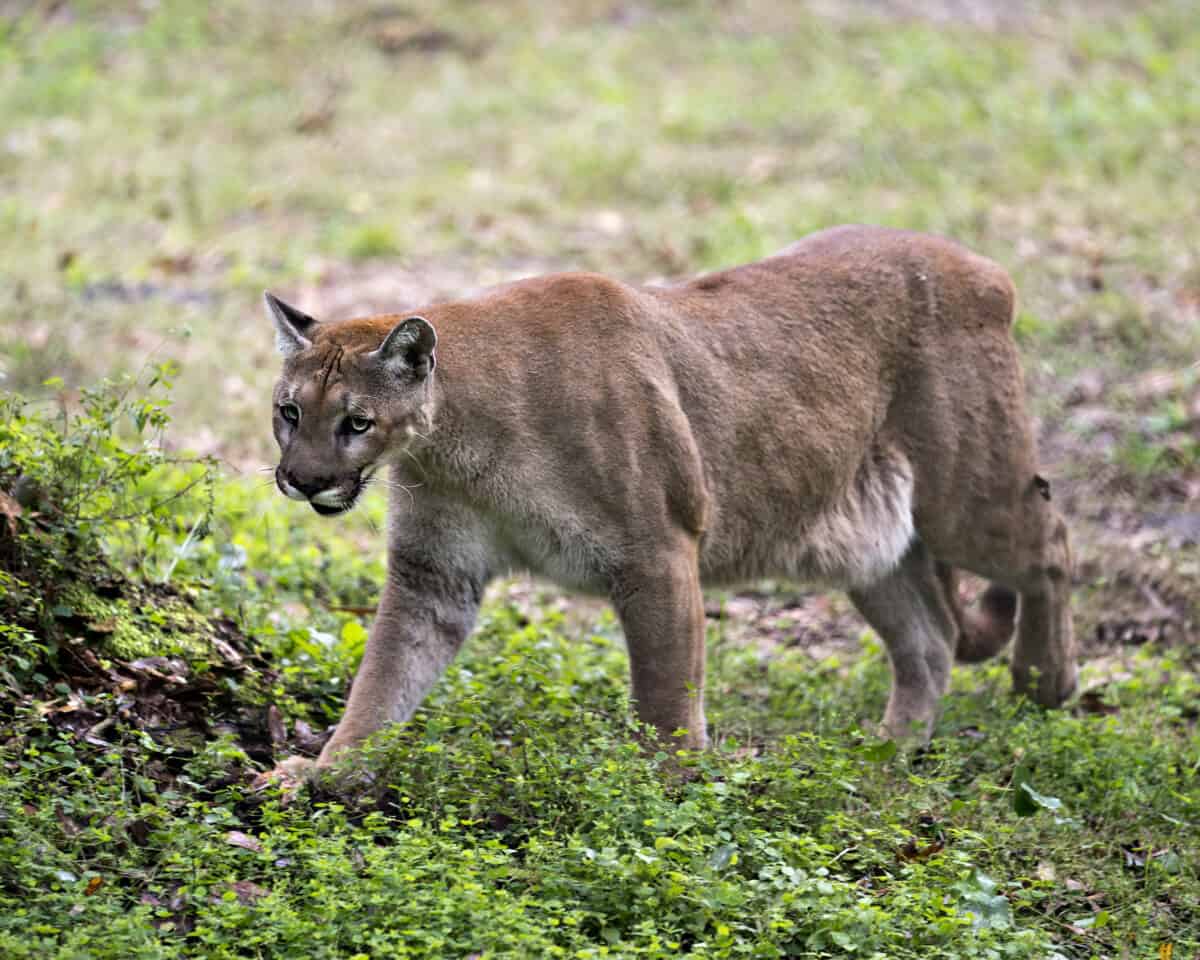
Despite progress, Florida panthers face persistent threats that could undermine recovery efforts. Habitat loss continues as Florida’s human population grows by nearly 1,000 people daily, leading to conversion of natural areas to development. Strategic wildlife corridors remain vulnerable to fragmentation from new roads and housing projects. Disease also poses risks, with an outbreak of feline leukemia virus in 2002-2003 highlighting the population’s vulnerability to infectious diseases.
Environmental contaminants including mercury and anticoagulant rodenticides have been detected in panther tissues, raising concerns about long-term health effects. Climate change presents yet another challenge, with sea level rise potentially inundating significant portions of low-lying panther habitat in coming decades. Additionally, persistent inbreeding in isolated subpopulations continues to threaten genetic health. Addressing these complex, interrelated threats requires coordinated conservation planning across multiple jurisdictions and stakeholders.
The Role of Public Support
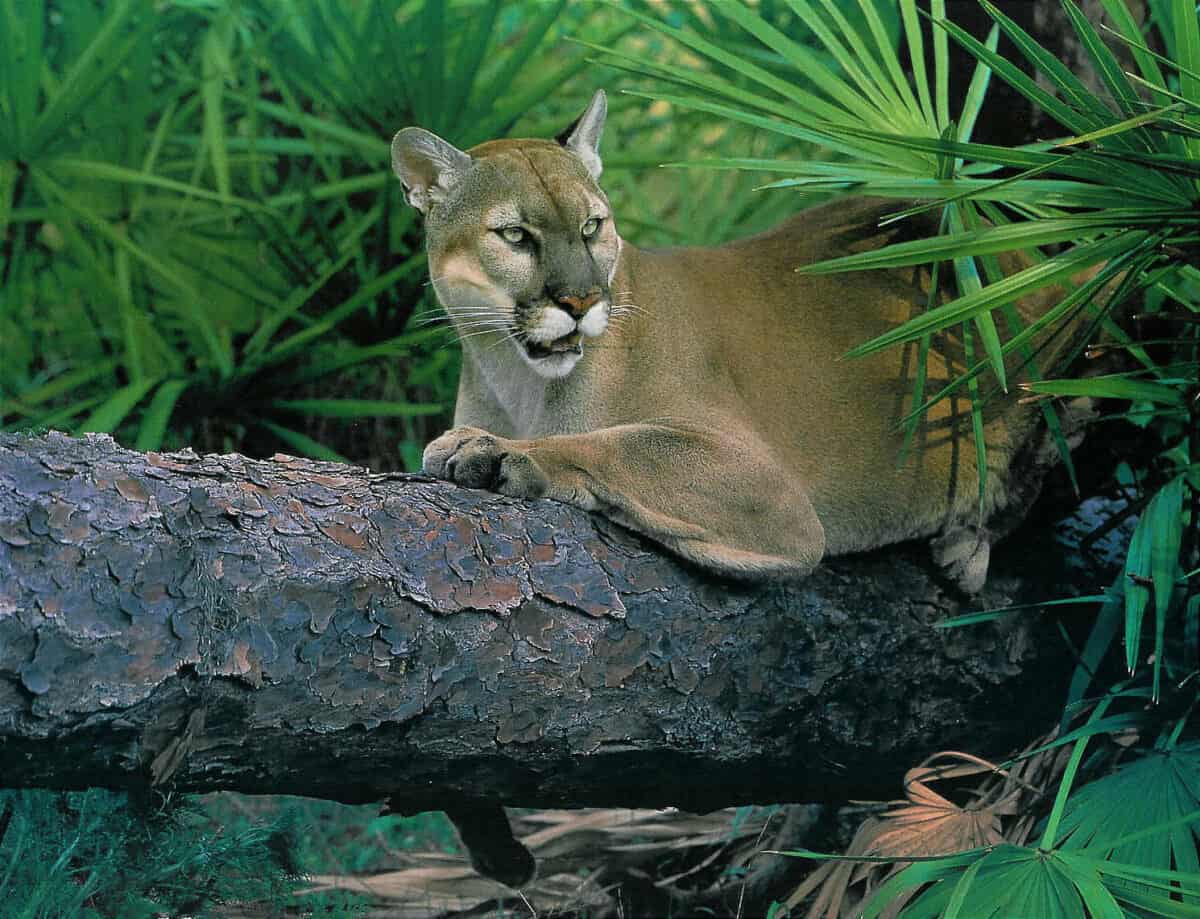
Public engagement has been instrumental in driving panther conservation success. Florida residents have consistently demonstrated support for panther recovery through various mechanisms. The state’s “Protect the Panther” specialty license plate has raised millions of dollars for research and habitat protection since its introduction in 1990. Conservation organizations like the Florida Wildlife Federation and Defenders of Wildlife have mobilized thousands of supporters to advocate for panther-friendly policies. Everglades restoration efforts, which benefit panthers indirectly, have garnered broad public support.
Educational programs in schools throughout the state help young Floridians understand the ecological and cultural significance of the state animal. This public investment in panther conservation creates political will for difficult conservation decisions and funding priorities. The story of the Florida panther demonstrates that when people care deeply about wildlife, recovery becomes possible even in challenging circumstances.
The Future Recovery Roadmap
The U.S. Fish and Wildlife Service’s recovery plan for the Florida panther establishes specific criteria that must be met before the subspecies can be downlisted from endangered to threatened status. These include maintaining two viable populations of at least 240 panthers each for a minimum of twelve years, with sufficient habitat protected to support these populations long-term. Meeting these ambitious goals will require expanding the current population’s range, potentially reintroducing panthers to suitable habitat in northern Florida or adjacent states, and securing additional habitat protection.
Genetic management may require periodic translocations to maintain healthy diversity. Conservation planners are incorporating climate change adaptation strategies into long-range plans, identifying higher-elevation habitats that will remain viable as sea levels rise. While full recovery remains a distant goal, the roadmap is clear: continue protecting habitat, minimize human-caused mortality, and maintain public support for these magnificent predators.
Conclusion: A Conservation Success in Progress

The recovery of the Florida panther represents one of the most remarkable conservation turnarounds in American history. From fewer than 30 individuals teetering on extinction’s edge to a current population of 120-230, these magnificent predators exemplify resilience when given a fighting chance through science-based management and public support.
Their journey from the brink illustrates what’s possible when society commits to preserving biodiversity, even for a large predator requiring extensive habitat in a rapidly developing state. While the Florida panther remains endangered and faces substantial challenges, its trajectory offers hope in an era of biodiversity crisis. As panthers gradually reclaim portions of their ancestral range, they remind us that with dedication, scientific intervention, and public commitment, we can reverse the tide of extinction and restore ecological relationships that benefit the entire natural community.

From exploring the marine wonders in the Azores and witnessing the vast savannas of Kenya, to delving deep into the rich biodiversity of South Africa and traversing iconic landscapes in Australia and the US like Yellowstone, Chris's experiences are vast.
With a penchant for diving alongside sharks, the ocean holds a special place in his heart.
Through his academic insights, he champions wildlife conservation, striving with 'Animals Around The Globe' to cultivate a profound connection between humans and animals, enhancing our mutual appreciation.
Connect with him at Feedback@animalsaroundtheglobe.com.
- What Happens If a Crocodile Fights a Hippo? - July 20, 2026
- This Turtle Has Hair - July 20, 2026
- This Small U.S. Island Hosts Hundreds of Feral Horses - July 20, 2026