

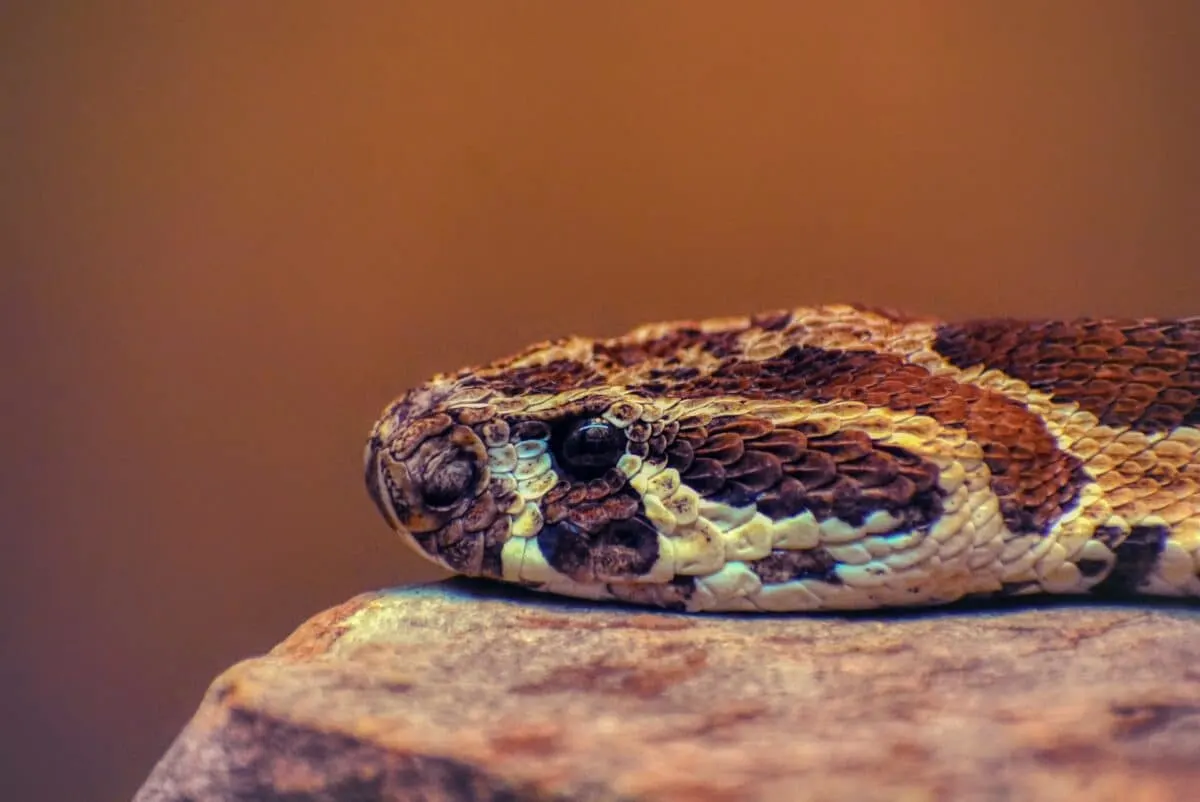
Florida, known for its vibrant wildlife and beautiful landscapes, is home to several venomous snakes that play crucial roles in maintaining the ecosystem. While fascinating, these reptiles warrant respect and caution to ensure safe encounters. This article explores the most venomous snakes found in Florida, offering insights into their characteristics, habitats, and behaviors, and explaining why understanding them is essential for both residents and visitors.
Eastern Diamondback Rattlesnake

The Eastern Diamondback Rattlesnake (Crotalus adamanteus) holds the title as the largest rattlesnake species in North America. Recognized for its distinctive dark diamond-shaped pattern along its back, this formidable snake can reach lengths of up to eight feet. Eastern Diamondbacks are typically found in pine forests, sandy woodlands, and coastal dunes. Equipped with potent venom, they primarily feed on small mammals and birds. While known for their warning rattle, they prefer to avoid human encounters.
Cottonmouth (Water Moccasin)
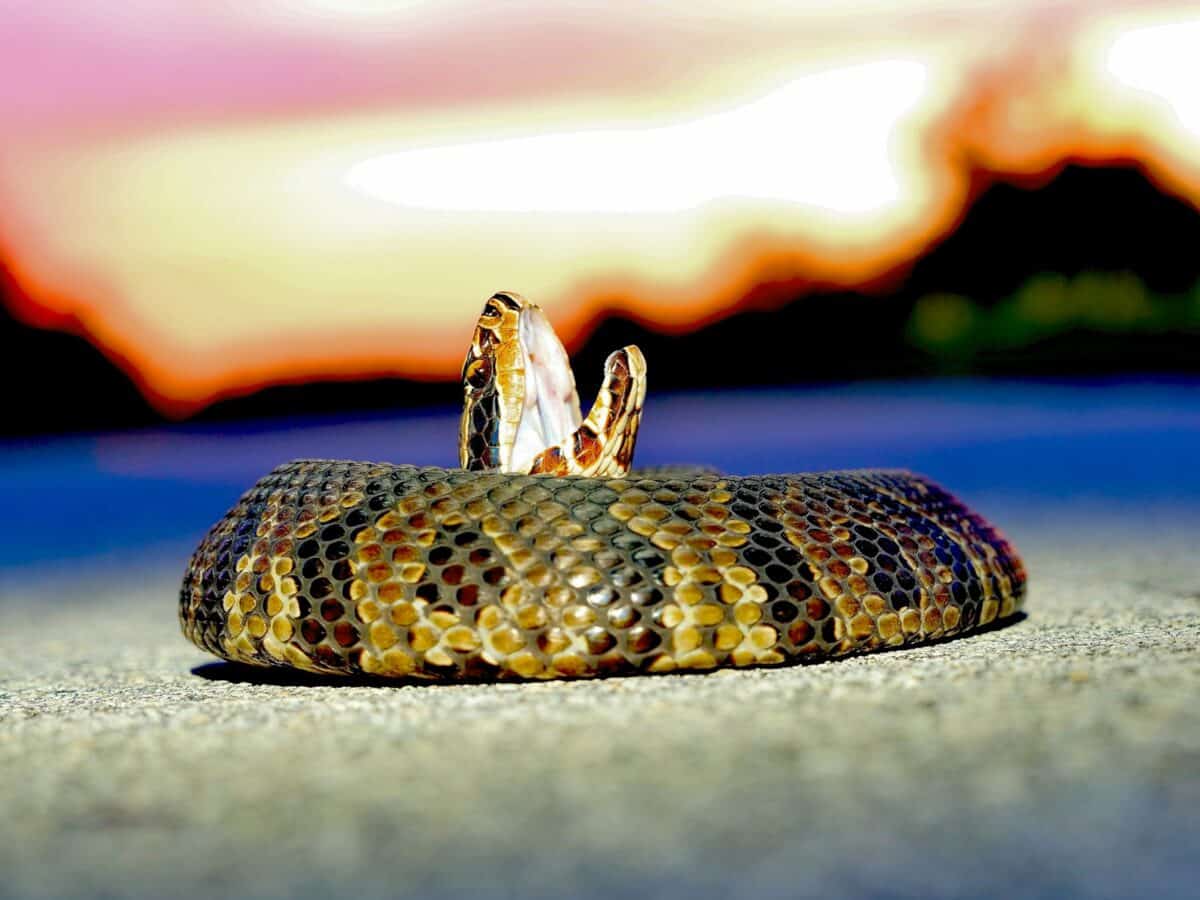
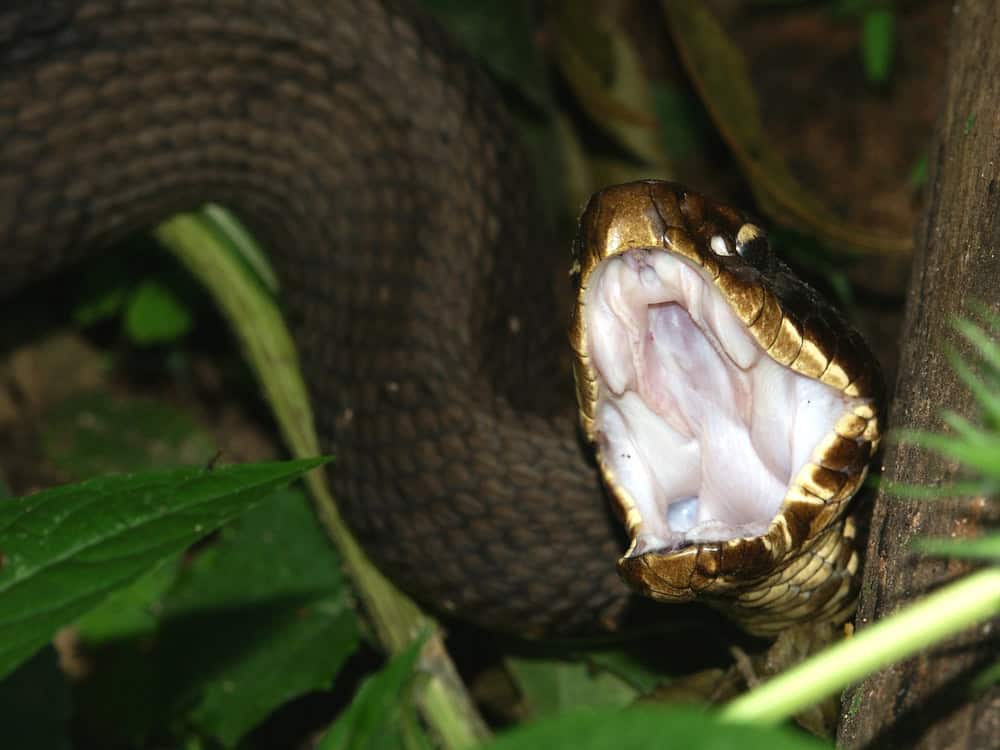
Often found in or near water bodies, the Cottonmouth (Agkistrodon piscivorus) is an aquatic pit viper that dwells in swamps, marshes, and rivers. It is notorious for its defensive behavior, often standing its ground with its gaping white mouth display. Despite their aggressive reputation, Cottonmouths usually avoid human contact and pose minimal threat if left undisturbed. Their diet consists primarily of fish and amphibians.
Coral Snake

The brightly colored Eastern Coral Snake (Micrurus fulvius) stands out with its red, yellow, and black bands. This relatively small snake is part of the Elapidae family, which includes cobras and mambas. Coral snakes are reclusive and secretive, spending most of their time hidden under debris. Their neurotoxic venom is potent, but bites are rare due to their shy nature and small mouths. They primarily prey on other reptiles.
Timber Rattlesnake

Also known as the Canebrake Rattlesnake, the Timber Rattlesnake (Crotalus horridus) can be found in the northern parts of Florida. Characterized by its heavy-bodied frame and distinctive rattle, this species prefers deciduous forests and rugged terrains. Its venom contains both hemotoxins and neurotoxins, making it quite dangerous. Timber Rattlesnakes feed on a diet of small mammals and birds, and they hibernate during cooler months.
Pygmy Rattlesnake
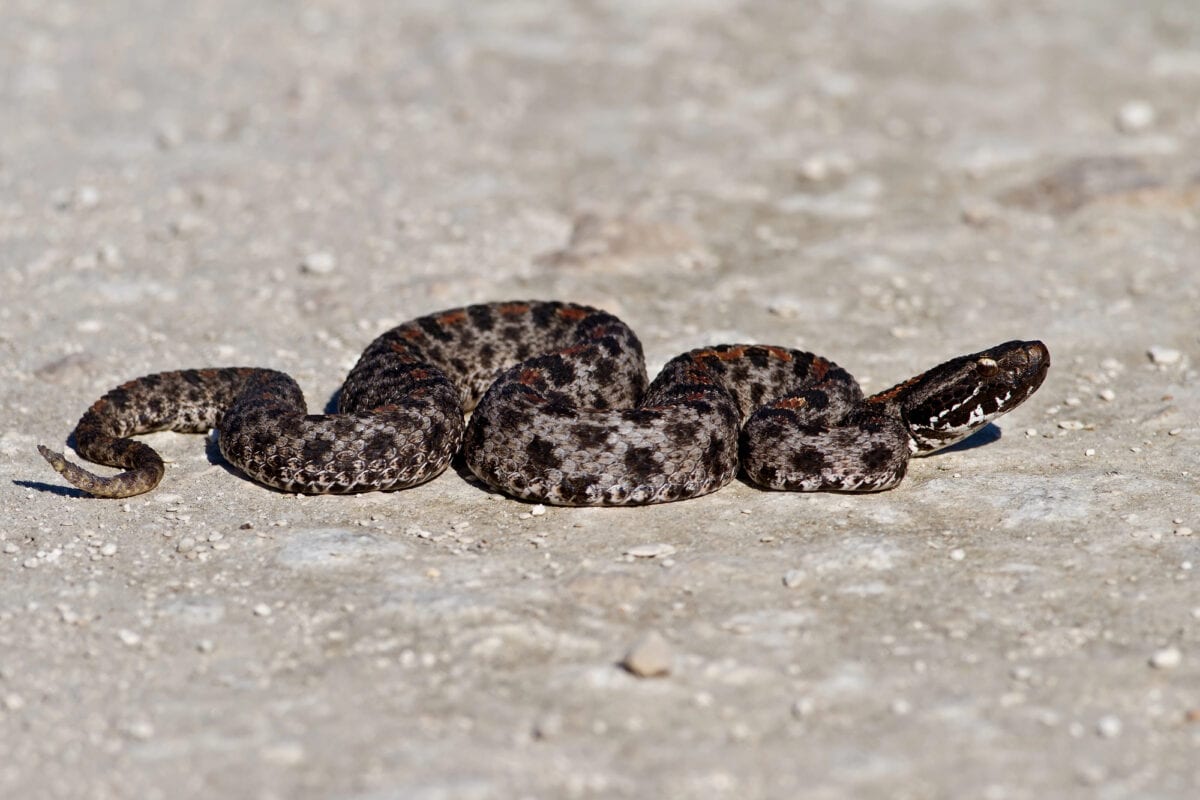
The Pygmy Rattlesnake (Sistrurus miliarius) is Florida’s smallest rattlesnake species, reaching only one to two feet in length. Despite its size, it possesses a powerful venom that targets its prey, such as lizards and small rodents. Often inhabiting flatwoods and pine forests, the Pygmy Rattlesnake’s sound is more of a faint buzz due to its tiny rattle. This snake is best observed from a distance, as its cryptic coloration allows it to blend easily into its surroundings.
Dusky Pigmy Rattlesnake

A subspecies of the Pygmy Rattlesnake, the Dusky Pigmy Rattlesnake (Sistrurus miliarius barbouri) is noted for its dusky, mottled appearance. Commonly found throughout Florida, they thrive in a variety of habitats, from wetlands to dry uplands. Although bites from this snake are not usually fatal, they can cause significant discomfort and medical attention might be required for allergic reactions or complications.
Snakebites: Prevention and First Aid

Understanding and respecting these venomous creatures is crucial for safety. When traversing habitats where snakes may dwell, wearing protective clothing and keeping a safe distance from snakes is essential. In the event of a snakebite, remain calm and seek immediate medical assistance. Avoid using tourniquets, cutting the bite site, or attempting to suck out the venom, as these methods are ineffective and potentially harmful.
Conservation and the Role of Venomous Snakes
Venomous snakes play integral roles in Florida’s ecosystems by regulating prey populations and maintaining ecological balance. Their presence indicates a healthy environment. Conservation efforts are vital to ensuring snake habitats are preserved, minimizing human-snake conflicts, and promoting biodiversity. Awareness and education about these snakes can facilitate safer coexistence.
Interactions and Safety Tips

Most encounters with venomous snakes can be resolved without incident when approached with caution. It is important to give snakes a wide berth and avoid provoking them. Educating children about identifying and staying away from these snakes is equally important. Contact local wildlife authorities if a venomous snake is found in a residential area and poses a threat.
Debunking Myths About Venomous Snakes

Many myths surround venomous snakes, leading to unnecessary fear. Common misconceptions include snakes actively seeking out humans or attacking unprovoked. In reality, these snakes prefer to stay hidden and are more inclined to flee than confront. Educational initiatives can help dispel these myths, promoting a better understanding of their behavior and ecological significance.
Identifying Venomous Snakes

Identifying venomous snakes involves recognizing specific patterns, colors, and behavioral traits. For instance, rattlesnakes can be identified by the distinctive rattle at the end of their tails, while coral snakes have unique color band sequences. Familiarizing oneself with these features can help discern venomous from non-venomous snakes, enhancing safety and appreciation for these creatures.
The Importance of Education and Awareness

Education and awareness are key to safely coexisting with Florida’s venomous snakes. By understanding their role in the environment and the precautions necessary to avoid negative interactions, people can appreciate their biodiversity value. Community programs, nature centers, and online resources provide valuable information to foster respect and knowledge about these intriguing reptiles.
In conclusion, Florida’s venomous snakes, fascinating yet potentially dangerous, are vital components of the state’s ecosystems. By learning about these creatures, respecting their role in nature, and taking appropriate precautions, residents and visitors alike can contribute to their conservation while minimizing risks. Understanding and respecting these snakes are essential steps towards coexisting peacefully with Florida’s magnificent wildlife.

From exploring the marine wonders in the Azores and witnessing the vast savannas of Kenya, to delving deep into the rich biodiversity of South Africa and traversing iconic landscapes in Australia and the US like Yellowstone, Chris's experiences are vast.
With a penchant for diving alongside sharks, the ocean holds a special place in his heart.
Through his academic insights, he champions wildlife conservation, striving with 'Animals Around The Globe' to cultivate a profound connection between humans and animals, enhancing our mutual appreciation.
Connect with him at Feedback@animalsaroundtheglobe.com.
- This Abandoned U.S. Mine Is Now a Wildlife Haven - July 18, 2026
- What Happened to Bubbles, Michael Jackson’s Elephant, After Neverland? - July 18, 2026
- Frozen Fish from the Ice Age Still Has Scales - July 18, 2026