


The very thought of dinosaurs roaming the earth captivates the imagination. These majestic creatures, which once dominated our planet, now live on through the fossils they left behind. You might be surprised to learn that many fossils have been discovered right in the United States. From towering Tyrannosaurs to gentle herbivores, the USA is home to a rich array of dinosaur remains. Let’s explore how you might find evidence of these ancient giants right in your backyard.
The Great Dinosaur Era
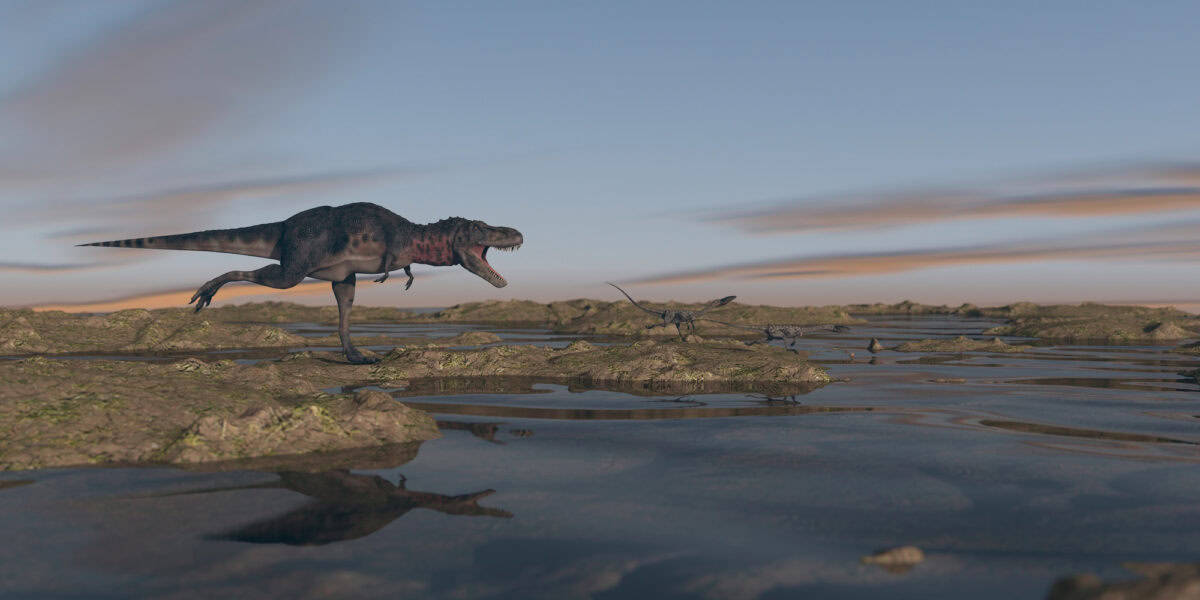
The Mesozoic Era, spanning roughly 180 million years ago, is fondly referred to as the Age of Dinosaurs. This era is divided into three periods: the Triassic, Jurassic, and Cretaceous. During these times, a wide variety of dinosaur species evolved, adapted, and roamed what we now know as the United States.
The Rich Dinosaur Heritage of the USA

The USA has long been a hub for paleontological discoveries. From the arid deserts of the Southwest to the lush landscapes of the Midwest, fossils found across the country provide invaluable insight into the lives of dinosaurs. In fact, the first known discovery of dinosaur fossils in North America occurred in the mid-19th century.
Fossil Hotspots in the United States

Some states are more renowned than others for their fossil treasures. Montana, known for the famous Hell Creek Formation, is a hotbed for ancient fossils, including the remains of the Tyrannosaurus rex. Similarly, states like Utah, Colorado, and Wyoming boast several productive dig sites, offering enthusiasts plenty of opportunities to explore.
Notable Discoveries

Among the significant discoveries in the USA is the iconic Allosaurus, which was unearthed in Utah’s Cleveland-Lloyd Dinosaur Quarry. Meanwhile, South Dakota is home to the famous Sue, the most comprehensive and best-preserved Tyrannosaurus rex specimen ever found.
Why the USA is a Fossil Goldmine

The diverse geological history of the USA contributes to its rich fossil record. Many regions that are now dry and arid were once lush environments teeming with prehistoric life. As the environment changed over millions of years, sediment built up and preserved these ancient creatures as fossils.
How Fossils Form

Fossils typically form when an organism is buried quickly after death, protecting it from decay. Over time, minerals seep into the bones, gradually replacing organic material and turning the remains into stone. This delicate process explains why complete fossil skeletons are relatively rare.
Your Backyard’s Prehistoric Past

While it’s not common to find dinosaur fossils in suburban backyards, it’s not entirely impossible. Areas that were once riverbeds or floodplains are more likely to yield fossilized remains, as these environments would have allowed for quick burial and fossilization.
How to Search for Fossils

If you’re eager to hunt for fossils, being observant is key. Fossils are often hidden within rock formations, therefore, visiting known fossil sites or quarries with guidance from experienced paleontologists can increase your chances of finding notable specimens.
Ethical and Legal Considerations

When it comes to fossil hunting, it’s crucial to be aware of legal restrictions. Some sites are protected, and collecting fossils without permission can carry legal penalties. Always ensure you have the appropriate permits before you start digging.
The Role of Museums and Exhibits

Many museums across the USA host extensive collections of dinosaur fossils. These exhibits not only provide the public with a glimpse into the distant past but also help support ongoing scientific research by preserving essential fossil records.
Contributions to Science

Fossils unearthed in the USA have vastly contributed to our understanding of dinosaur biology and behavior. From studying bone structures to understanding mass extinction, these remnants of the past play a critical role in unraveling Earth’s ancient mysteries.
The Future of Paleontology in the USA

With technological advancements, paleontologists are uncovering details about dinosaurs that were previously unimaginable, such as traces of soft tissue and even coloration patterns. The future looks promising as these insights continue to inspire new generations of fossil hunters and researchers.
In conclusion, while dinosaur fossils may not be lurking in every backyard, the rich paleontological history of the United States offers ample opportunities for discovery and exploration. Whether through visiting renowned fossil sites, engaging with museum exhibits, or participating in guided fossil hunts, there are countless ways for enthusiasts to connect with the ancient world of dinosaurs.

From exploring the marine wonders in the Azores and witnessing the vast savannas of Kenya, to delving deep into the rich biodiversity of South Africa and traversing iconic landscapes in Australia and the US like Yellowstone, Chris's experiences are vast.
With a penchant for diving alongside sharks, the ocean holds a special place in his heart.
Through his academic insights, he champions wildlife conservation, striving with 'Animals Around The Globe' to cultivate a profound connection between humans and animals, enhancing our mutual appreciation.
Connect with him at Feedback@animalsaroundtheglobe.com.
- Meet the Mantis Shrimp: The Sea Creature That Punches Like a Bullet - July 18, 2026
- Dugongs and Their Slow Mating Rituals in the Ocean - July 18, 2026
- How Animal Exhibits Are Evolving to Promote Conservation - July 17, 2026