


A fluffy white fox trotting through a Portland neighborhood wasn’t something anyone expected on a calm October night. But when residents spotted what looked like an Arctic fox near Sellwood Bridge, it turned a typical evening walk into a scene straight out of a wildlife documentary.
Arctic Look, Suburban Setting
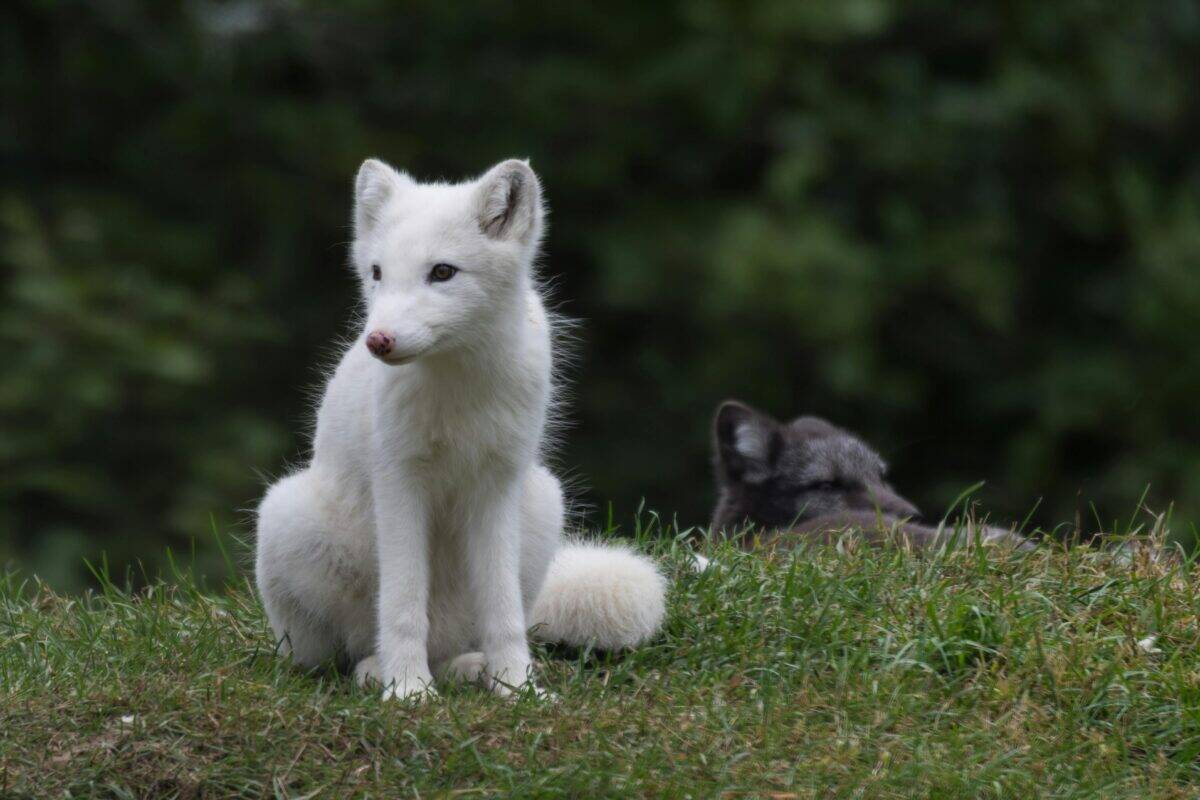
It began when a couple crossing the bridge saw a snow-white creature dart through the underbrush and pause under a street lamp. The fox wasn’t scared of people as it came closer. Word spread fast, and soon photos popped up online—was it an Arctic? An albino red or a hybrid?
Wildlife rescuers were quick to respond and took the animal to Portland’s Wildlife Care Center. Staff noticed it wasn’t aggressive or afraid, which usually means one thing: it had been human-raised.
Why This Fox Is So Unusual
Not every day does a predator from the Arctic—or something that looks like one—end up pacing Portland sidewalks. Here’s what made this case stand out:
- Not Native to Oregon: Arctic foxes live in the tundras of Alaska and Canada. Seeing one in Oregon means something’s off.
- Behavior Points to Captivity: The fox walked up to humans and even tried to approach pets. That kind of behavior usually signals that it was raised around people and likely abandoned.
- Not Just a Color Thing: Experts aren’t fully sure if it’s a true Arctic fox, a leucistic red fox (which has reduced pigmentation but isn’t albino), or a cross-breed. DNA testing is under consideration.
- Careful Relocation: The fox is now safe and in the hands of professionals. Wildlife officials are making plans to relocate it to a licensed wildlife center where it won’t be a risk to itself or native species.
Exotic Pets Are a Real Problem
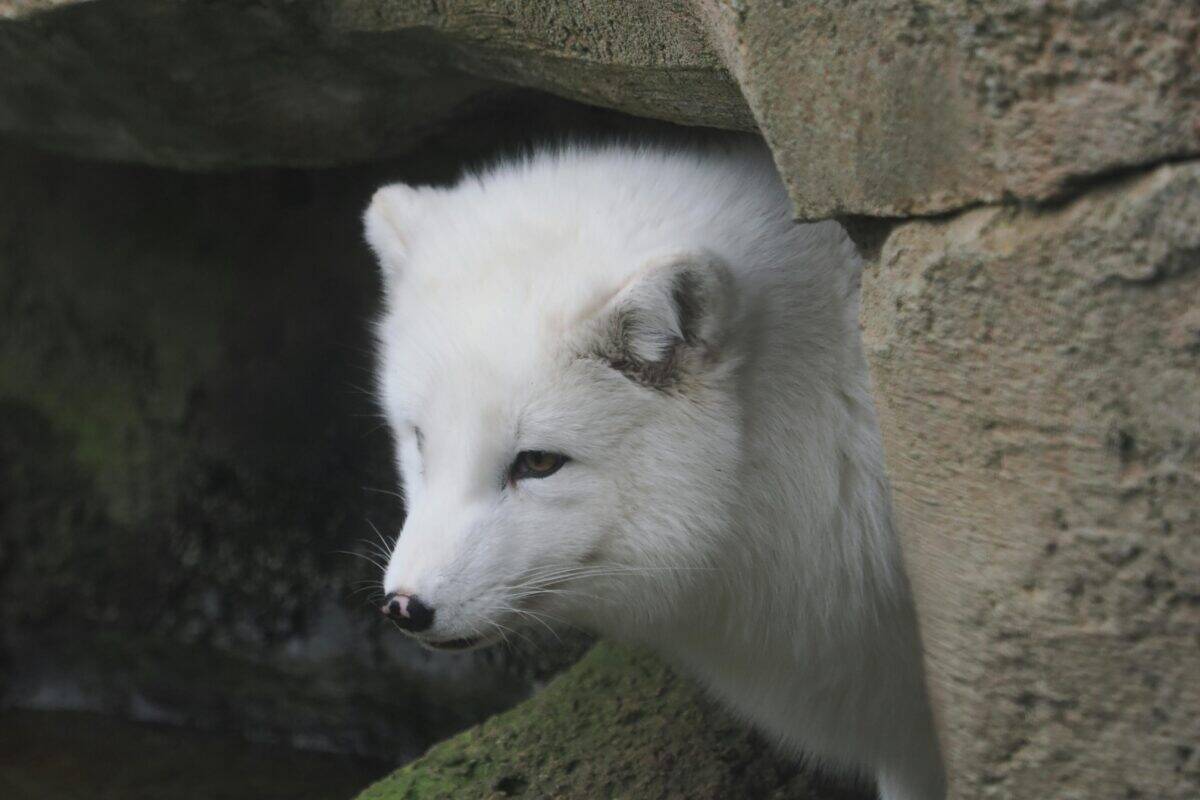
This event highlights an uncomfortable truth: people sometimes keep wild animals as pets. It might seem cute or unusual to raise an Arctic fox in your backyard, but the outcome isn’t so charming. These animals can carry diseases, don’t behave like domestic pets, and if released, can mess with local ecosystems.
When they escape—or are dumped—the responsibility falls on wildlife professionals and taxpayers. Plus, the animals suffer. Oregon, like most states, has laws against keeping such exotic species without special permits. They’re there for a reason.
When “Wild” Doesn’t Belong
Nature is full of surprises, but not all of them are natural. This fox, whether a lost exotic pet or the result of backyard breeding, reminds us that wild animals should stay wild. Spotting a white fox in Portland may feel magical, but it’s more of a red flag than a fairytale.

- Texas Ranchers Injured and Horses Killed in Aggressive Bee Attack - July 19, 2026
- Cougar Attack on Cyclists Shakes Washington Wilderness - July 19, 2026
- Snake Found in Arizona Toilet Shocks Homeowner - July 19, 2026