

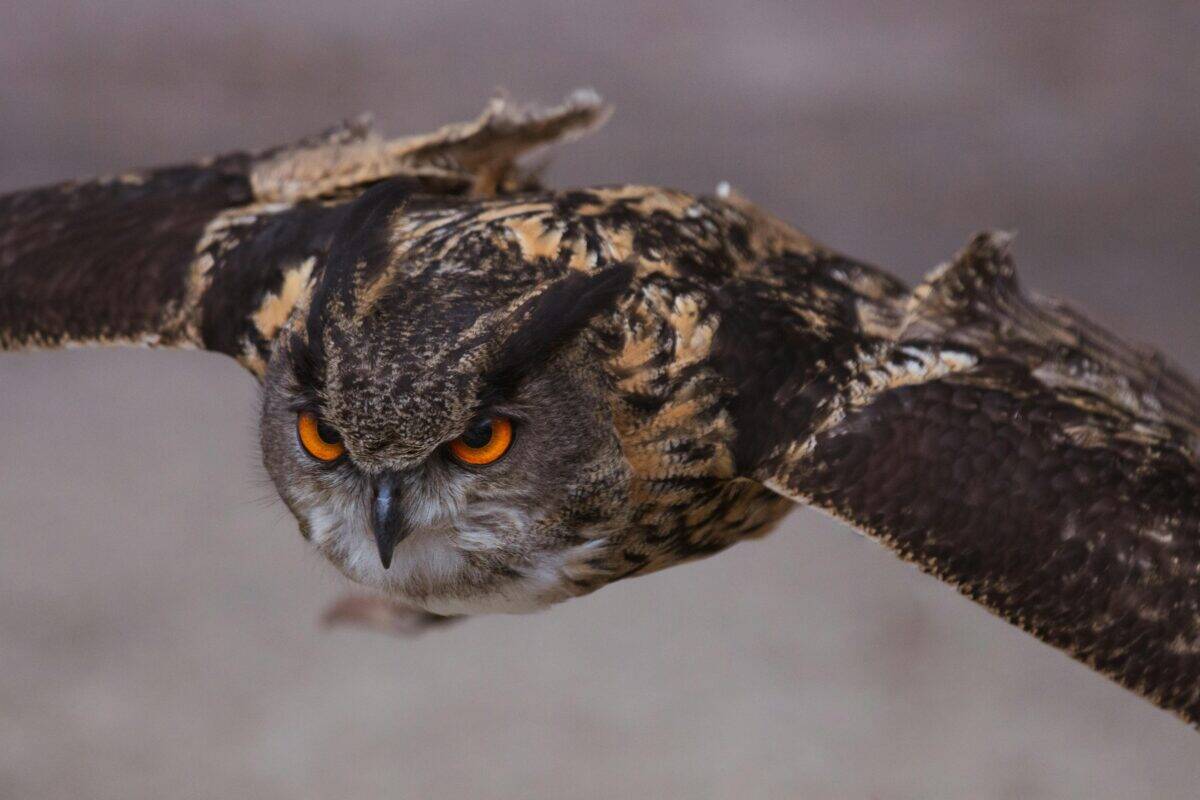
What started as a normal backyard moment turned into a living nightmare for several pet owners across the U.S., as giant owls suddenly swooped in from the shadows, grabbing small dogs and cats with deadly precision. These stealthy sky hunters are no urban myth. They’re real, they’re massive, and they’re hunting right in our neighborhoods.
Giant Owls, Tiny Targets
The great horned owl, often nicknamed the “tiger of the sky,” is behind many of these surprise pet attacks. Weighing up to 2 kg (4.4 lb) with wingspans stretching 1.4 m (4.5 ft), these birds can quietly cruise through treetops before diving at 64 km/h (40 mph)—without making a sound.
In places like Cobb County, Georgia, and Anchorage, Alaska, homeowners have reported terrifying incidents. One Georgia woman fought off an owl that had latched onto her two small dogs. Meanwhile, in Alaska, a young owl repeatedly harassed a family’s backyard, only to be chased off by their surprisingly brave terrier.
Why These Attacks Are On The Rise
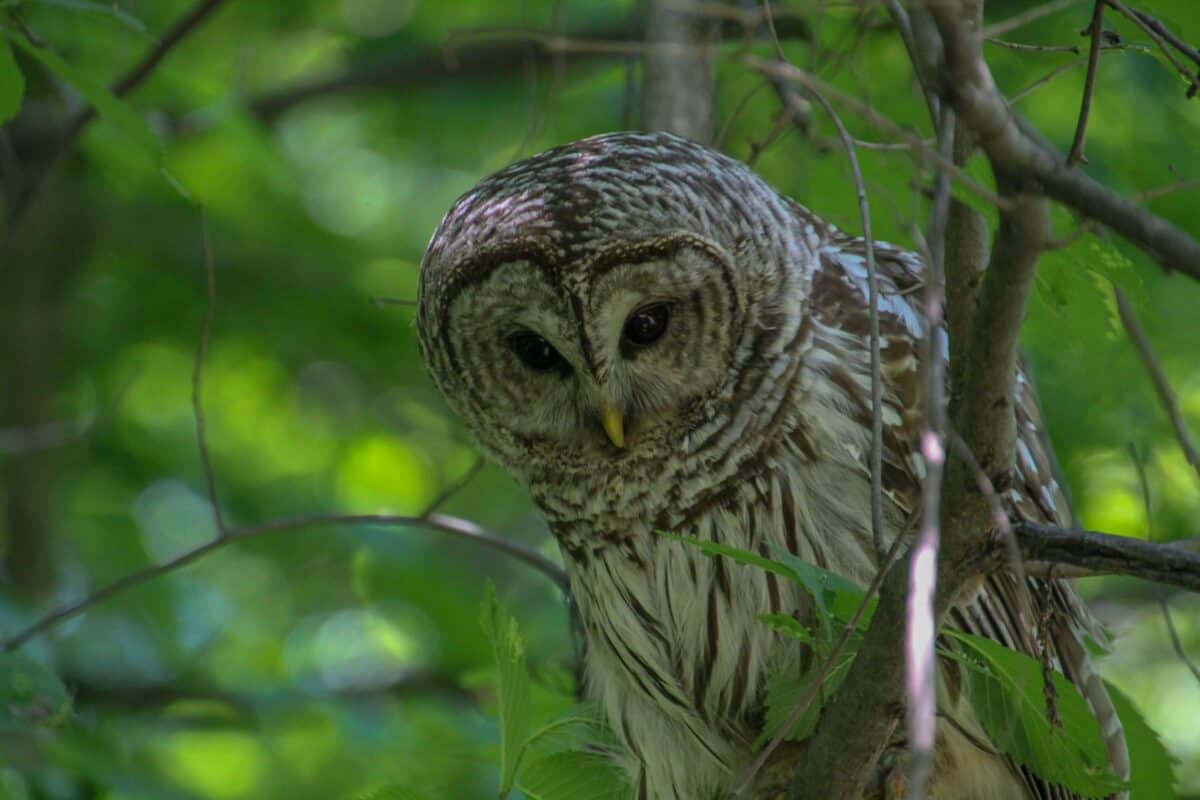
These shocking events aren’t just flukes—they’re happening more often, and there are a few key reasons why. Owls are opportunistic predators. During winter or dry seasons, their usual prey—like rabbits, mice, and squirrels—becomes harder to find. When that happens, they’re more likely to take risks for food, and pets under 4.5 kg (10 lb) can look like an easy target.
On top of that, young owls still learning how to hunt sometimes make strange choices, including going after leashed pets. Even when they fail, the encounter is frightening for everyone involved.
Lastly, as cities and towns continue to expand into rural areas, the overlap with wildlife increases. More trees around homes, more trash attracting small critters—it all makes neighborhoods look like hunting grounds to a hungry owl.
How to Keep Pets Safe from Aerial Predators
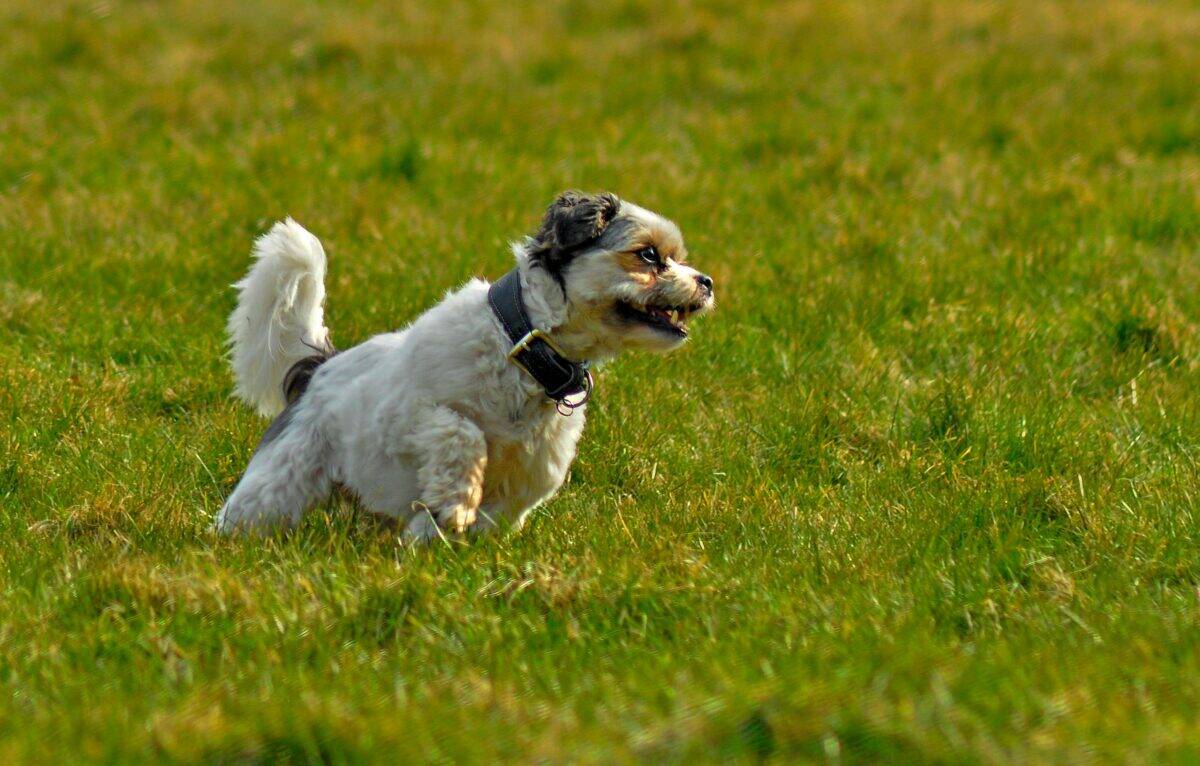
A quiet night doesn’t mean your backyard is safe. If you have small pets, these precautions can help:
Before diving into the tips, remember—most owl attacks happen between dusk and dawn, when they hunt.
- Supervise outdoor time at night: Don’t just let pets out alone after dark, even in fenced yards.
- Use motion-sensitive lights: Sudden brightness can scare away owls mid-flight.
- Install overhead covers or “catios”: A simple roof or net can block attacks in open spaces.
- Make noise: Wind chimes, radios, or ultrasonic pest devices might discourage silent stalkers.
- Avoid attracting rodents: Keep trash sealed and clean up fallen birdseed or pet food to remove potential owl prey.
Your Backyard Isn’t Off Limits Anymore
Owls may look majestic, but when the sun sets, they become silent assassins. If you think your fenced yard keeps wildlife out, think again—owls fly over it. Pet owners, especially those with tiny companions, now face a new reality: the skies aren’t always friendly.
Be vigilant, stay informed, and understand that these “monsters with feathers” aren’t after you—but they’re certainly eyeing your chihuahua.

- Texas Turtles Risk Lives for Love During Spring Mating Season - July 8, 2026
- Spider Bites Florida Woman’s Face While Driving - June 24, 2026
- Bride Surprises Groom With Rescued Animals at Bachelor Party - June 16, 2026