

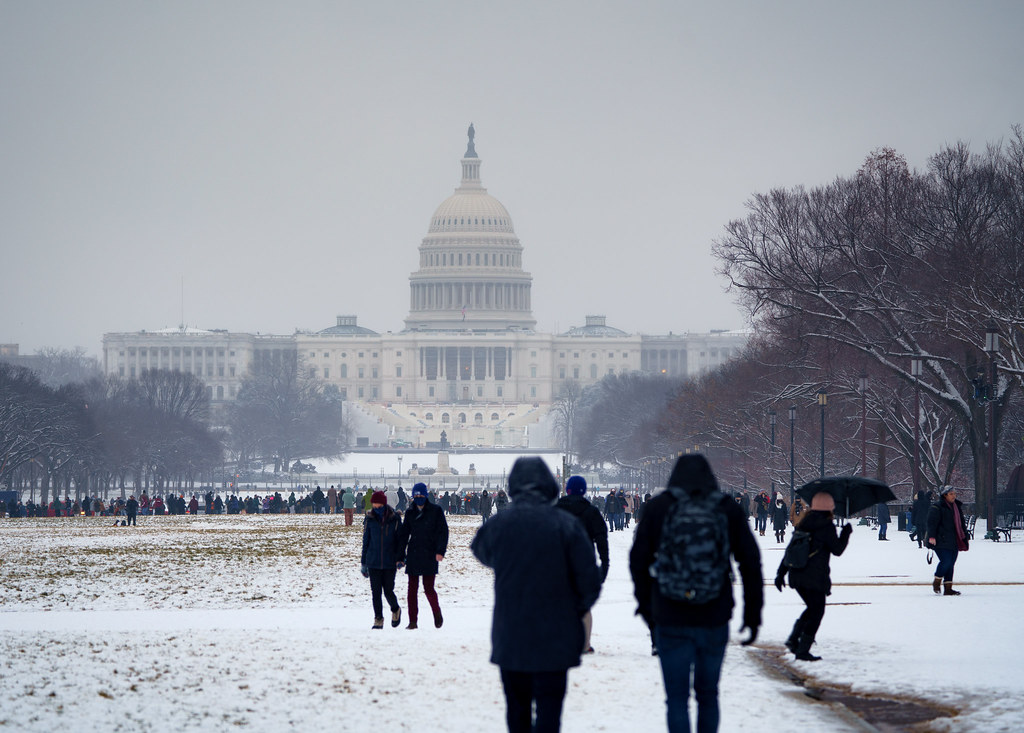
Temperatures Plunge After Record Warmth (Image Credits: Flickr)
Washington, D.C. region – Gardeners across the nation’s capital and surrounding areas face a stark reminder of spring’s unpredictability. After days of unseasonably warm weather pushing into the 80s, a potent cold front has ushered in freezing conditions expected overnight into Wednesday morning. National Weather Service alerts highlight the risk to tender vegetation, urging residents to act swiftly to prevent widespread damage.[1][2]
Temperatures Plunge After Record Warmth
The D.C. metro area recently basked in highs near 80 degrees, coaxing early buds and sprouts from dormancy. Now, forecasts call for lows dipping into the 20s and 30s in many spots, triggering Freeze Warnings from midnight Tuesday into Wednesday morning.[3] This rapid reversal, driven by a cold front, mirrors past events where subfreezing air caught new growth off guard.
Areas including Fairfax, Prince George’s, Montgomery counties, and the District itself fall under the warnings. Urban heat islands may offer slight moderation closer to the city core, but rural and elevated suburbs remain most vulnerable. Such swings test the resilience of local landscapes each spring.[4]
Which Plants Face the Greatest Danger
Newly emerged shoots prove especially susceptible as cells rupture when ice crystals form within tissues. Vegetables like tomatoes, peppers, cucumbers, and beans top the list of frost-sensitive crops, with even brief exposure capable of halting growth or causing death.[5] Annual flowers such as pansies, begonias, and petunias also suffer quick damage.
Perennials and ornamentals in early bloom fare little better. The following vulnerable types demand immediate attention:
- Tomatoes, squash, melons, and eggplant seedlings
- Beans, corn, cucumbers, and basil
- Pansies, begonias, petunias, and marigolds
- Tender perennials like hostas and bleeding hearts
- Young fruit tree blossoms
Hardier natives may endure, but unprotected exotics risk total loss.[6]
Understanding the Alerts and Their Implications
The National Weather Service issues tiered warnings to signal escalating threats. A Freeze Watch precedes potential sub-32-degree readings, while a Warning confirms widespread freezes likely. Frost Advisories target mid-30s lows where radiative cooling forms ice on surfaces despite air temps above freezing.[4]
| Alert Type | Expected Conditions | Recommended Action |
|---|---|---|
| Frost Advisory | Mid-30s lows, patchy frost | Monitor and cover select plants |
| Freeze Watch | Subfreezing possible in 24-36 hours | Prepare covers and move pots |
| Freeze Warning | Widespread 20s-30s | Protect all sensitive vegetation |
Current advisories span from the Potomac Highlands westward, with urban zones like Arlington and Alexandria included.[7]
Essential Steps to Shield Your Garden
Timing proves crucial: apply covers before dusk and remove them post-sunrise to avoid trapping heat. Water soil thoroughly beforehand, as moist ground releases warmth overnight. Mulch insulates roots, while cloches or row covers trap protective air layers.
Key strategies include:
- Bring potted plants indoors or to garages.
- Drape breathable fabrics like old sheets or burlap over shrubs; avoid plastic touching foliage.
- Cluster plants near structures for reflected heat.
- Use string lights or incandescent bulbs under covers for added warmth.
- Heap soil around vegetable bases for root protection.
These measures have saved countless gardens in prior cold snaps.[5]
Longer-Term Outlook for Spring Planting
Beyond this event, D.C.’s average last frost lingers into late April, demanding vigilance through May. Almanac data pegs a 30% frost risk past mid-month in the region. Gardeners often delay tender transplants until soil warms reliably.
Climate patterns suggest more volatility ahead, with warm spells accelerating growth only to invite setbacks. Local extension services recommend hardier varieties for resilience.
Key Takeaways
- Act tonight: Freezing lows target new growth after recent 80-degree days.
- Prioritize veggies like tomatoes and beans, flowers like pansies.
- Cover, water, and mulch – simple steps yield big protection.
As the D.C. region navigates this frosty hurdle, proactive care ensures vibrant gardens endure. The payoff comes in healthier blooms and harvests later. What steps are you taking to protect your plants? Tell us in the comments.

- Beavers Are Nature’s Engineers, Creating Vital Habitats for Other Wildlife Species - July 21, 2026
- The Recovery of the California Condor Offers Hope for Other Critically Endangered Birds - July 21, 2026
- Bats Play a Crucial Role in Controlling Insect Populations Across the United States - July 21, 2026