

Amphibians have thrived on Earth for over 350 million years, surviving multiple mass extinction events. Yet today, frogs and their relatives face an unprecedented threat from human-induced climate change. With thin, permeable skin and a lifecycle that often straddles both aquatic and terrestrial environments, frogs are particularly vulnerable to rising temperatures. As global warming accelerates, these ancient creatures experience life-threatening heat stress that affects everything from their metabolism to their reproduction. This crisis isn’t just about the potential loss of a single group of animals—it represents the unraveling of entire ecosystems in which frogs play crucial roles as both predators and prey. Their disappearance would trigger cascading effects that would reverberate through food webs worldwide.
The Unique Vulnerability of Amphibians to Climate Change

Frogs and other amphibians possess biological characteristics that make them especially susceptible to temperature fluctuations. Their permeable skin serves as a respiratory organ that absorbs oxygen directly from the environment, but this same feature also makes them highly sensitive to environmental changes. Unlike mammals and birds that maintain constant internal body temperatures, frogs are ectotherms, meaning their body temperature fluctuates with their surroundings. This dependence on external temperatures places them at the mercy of climate change. Research published in the journal Science has documented that amphibians have the highest extinction rate of any vertebrate group, with climate change identified as a major contributor. Approximately 41% of amphibian species are currently threatened with extinction, according to the International Union for Conservation of Nature (IUCN), highlighting the severity of their situation in our warming world.
Physiological Effects of Heat Stress on Frogs

Heat stress triggers a cascade of physiological responses in frogs that can ultimately prove fatal. As temperatures rise beyond their optimal range, frogs experience increased metabolic rates that require more energy and oxygen consumption. However, as water temperatures increase, dissolved oxygen levels decrease, creating a dangerous paradox where frogs need more oxygen precisely when less is available. Studies have shown that sustained exposure to temperatures just 2-3°C above their optimal range can lead to organ damage, particularly affecting the heart and liver. Researchers at the University of California found that heat stress alters enzyme function critical for digestion and immune response, while also disrupting hormone production necessary for reproduction. Perhaps most concerning is the impairment of neurological function that occurs during heat stress, affecting behaviors essential for survival such as predator avoidance and feeding.
Critical Temperature Thresholds and Thermal Tolerance

Each frog species has evolved within specific temperature ranges, beyond which survival becomes increasingly difficult. Research published in the journal Nature Climate Change indicates that many tropical frog species live close to their thermal maximums, with as little as a 3-5°C increase potentially proving lethal. For example, the critically endangered Panamanian golden frog (Atelopus zeteki) becomes physiologically stressed when temperatures exceed 29°C for extended periods. Even temperate species have their limits—the North American wood frog (Lithobates sylvaticus), famous for its freeze tolerance during winter, experiences dramatic increases in mortality when summer temperatures consistently exceed 32°C. A 2020 study in the journal Global Change Biology found that 25% of frog species worldwide now regularly experience temperatures beyond their historical thermal maximums. The same research indicated that these species’ ability to adapt through evolutionary processes occurs too slowly to keep pace with the current rate of warming, creating a dangerous mismatch between environmental conditions and physiological capabilities.
Disruption of Breeding Cycles and Reproductive Success
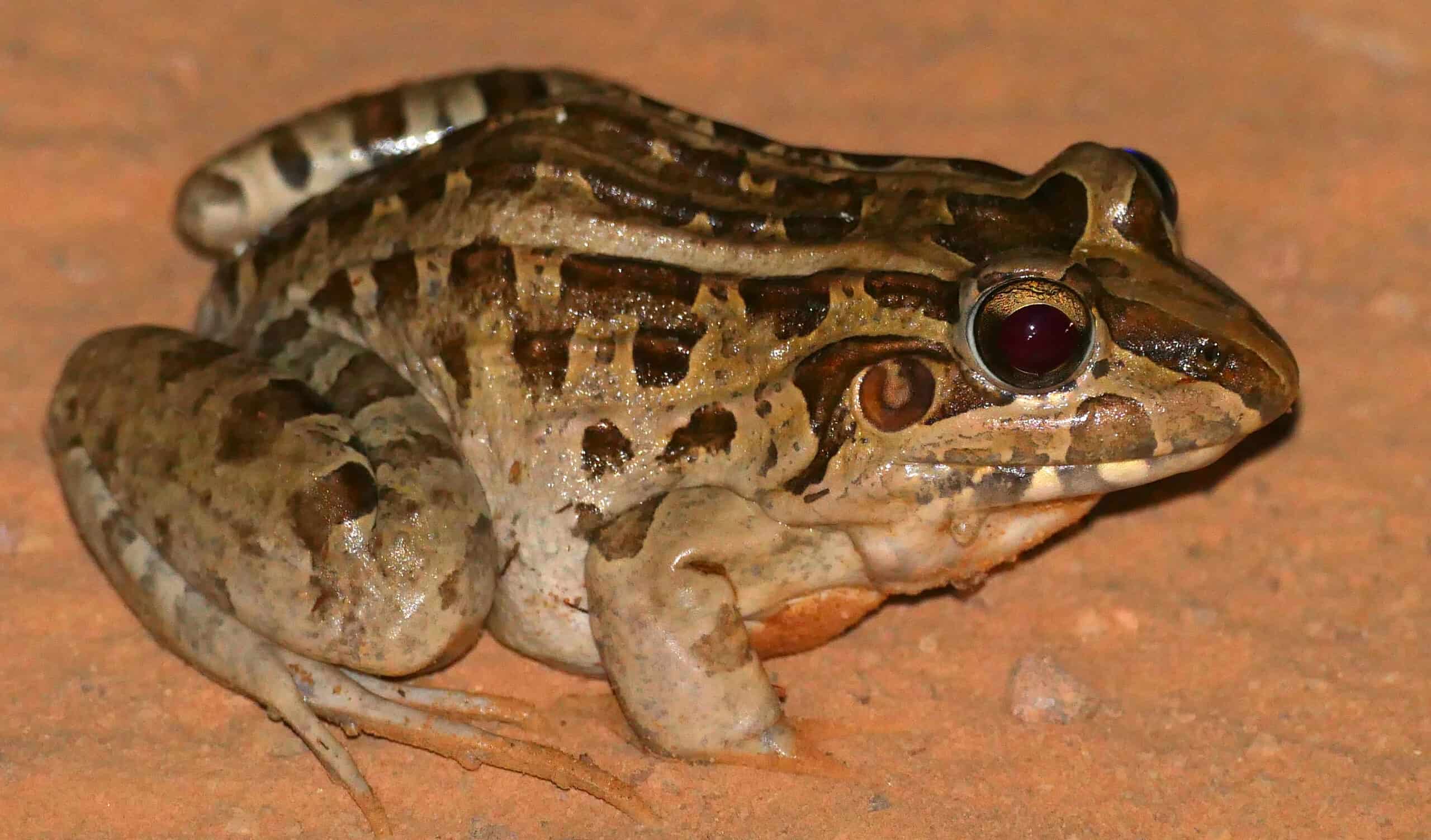
Rising temperatures profoundly impact frog reproduction, threatening the viability of future generations. Many species rely on specific temperature and rainfall cues to trigger breeding behavior, and climate change is increasingly disrupting these delicate timing mechanisms. In temperate regions, earlier spring thaws have caused some frog species to breed up to three weeks earlier than they did just 30 years ago, according to research from the University of California. This shift creates potential mismatches with food availability for tadpoles. Heat stress directly impacts reproductive physiology as well, with studies showing decreased sperm motility in male frogs and reduced egg viability in females exposed to temperatures above their optimal range. Research published in Proceedings of the Royal Society B documented that extreme heat events during breeding season can cause mass reproductive failure, with some ponds showing 100% mortality of egg masses following heat waves. Perhaps most alarmingly, sustained higher temperatures can skew sex ratios in species where gender is influenced by developmental temperature, potentially creating population imbalances that further threaten species survival.
Drought, Habitat Loss, and Desiccation Risks

Climate change brings not only higher temperatures but also altered precipitation patterns that create additional stressors for amphibian populations. Increased frequency and severity of droughts directly threaten frogs, particularly those species that require standing water for reproduction. A comprehensive study published in Environmental Research Letters documented the complete reproductive failure of multiple frog species across the southeastern United States during prolonged drought years. The drying of seasonal ponds and wetlands before tadpoles can complete metamorphosis results in total cohort loss. Even for adult frogs, extended dry periods increase desiccation risk. Most amphibians require moist skin for respiration and fluid balance, and during droughts, they must expend more energy seeking humid microhabitats. Tracking studies have shown increased mortality as frogs travel longer distances searching for water sources. The combination of heat and drought creates a particularly deadly scenario—a 2022 study in Australia documented mass mortality events involving thousands of frogs during heat waves when water sources simultaneously disappeared, leaving the animals with no way to thermoregulate through evaporative cooling.
Disease Susceptibility Under Thermal Stress

Heat stress significantly compromises amphibian immune function, making frogs more vulnerable to pathogens precisely when disease dynamics are shifting due to climate change. The devastating chytrid fungus (Batrachochytrium dendrobatidis), responsible for numerous amphibian extinctions globally, exhibits complex interactions with temperature. While the fungus itself grows optimally between 17-25°C, frogs experiencing heat stress above their optimal range show suppressed immune responses, creating conditions where pathogens can proliferate. A landmark study published in Science documented how climate fluctuations altered the timing of disease outbreaks in high-elevation frog populations in Costa Rica, leading to several local extinctions. Beyond chytrid, researchers have observed increased prevalence of ranavirus, another deadly amphibian pathogen, during unusually warm seasons. The relationship between thermal stress and disease represents a dangerous feedback loop—as climate change expands the range of certain pathogens while simultaneously weakening amphibian immunity, the combined effect accelerates population declines far beyond what either factor might cause independently.
Impact on Tadpole Development and Metamorphosis
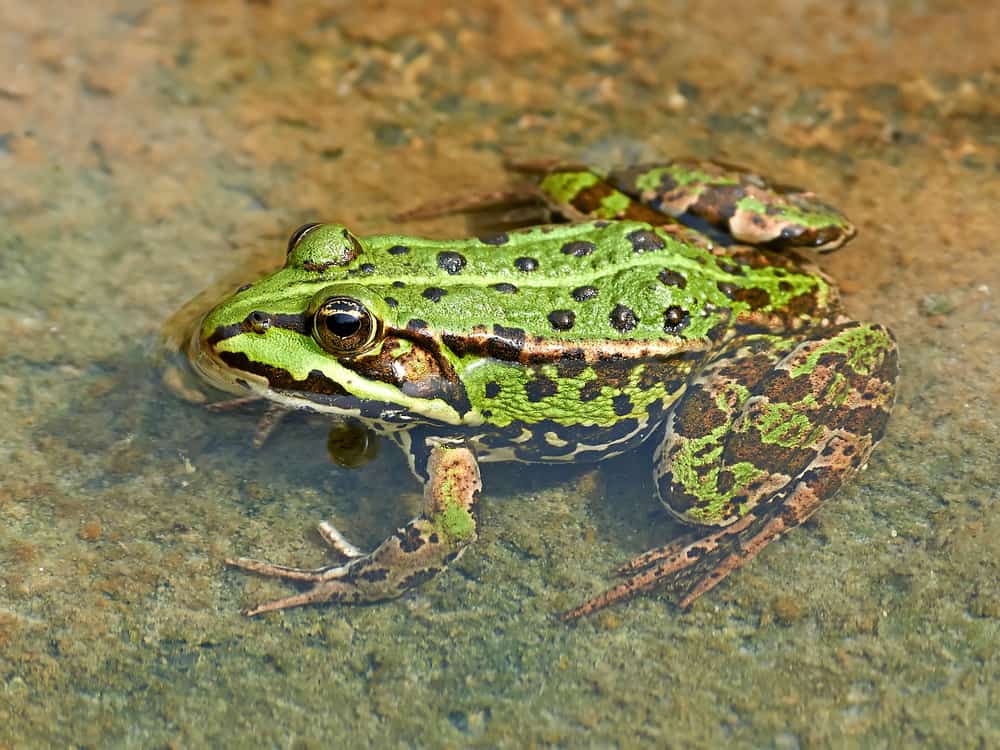
The tadpole stage represents a particularly vulnerable period in a frog’s lifecycle when it comes to thermal stress. Higher water temperatures accelerate tadpole development, which might initially seem beneficial, but this acceleration comes with significant costs. Research published in the journal Ecology has demonstrated that tadpoles developing in warmer water often metamorphose at smaller sizes with reduced fat reserves, dramatically decreasing their survival odds as juvenile frogs. Experimental studies have shown that tadpoles raised in temperatures just 3°C above historical norms exhibited developmental abnormalities at rates 15-30% higher than control groups. These deformities included spinal malformations and improper limb development, conditions that severely limit survival prospects. Additionally, accelerated development may cause tadpoles to leave the water before their respiratory and immune systems have fully matured. A 2021 study spanning 42 ponds across three continents found that for every 1°C increase in average water temperature, survival rates from egg to metamorphosis decreased by approximately 4-7%, indicating the cumulative impact of thermal stress across developmental stages.
Regional Variations in Vulnerability
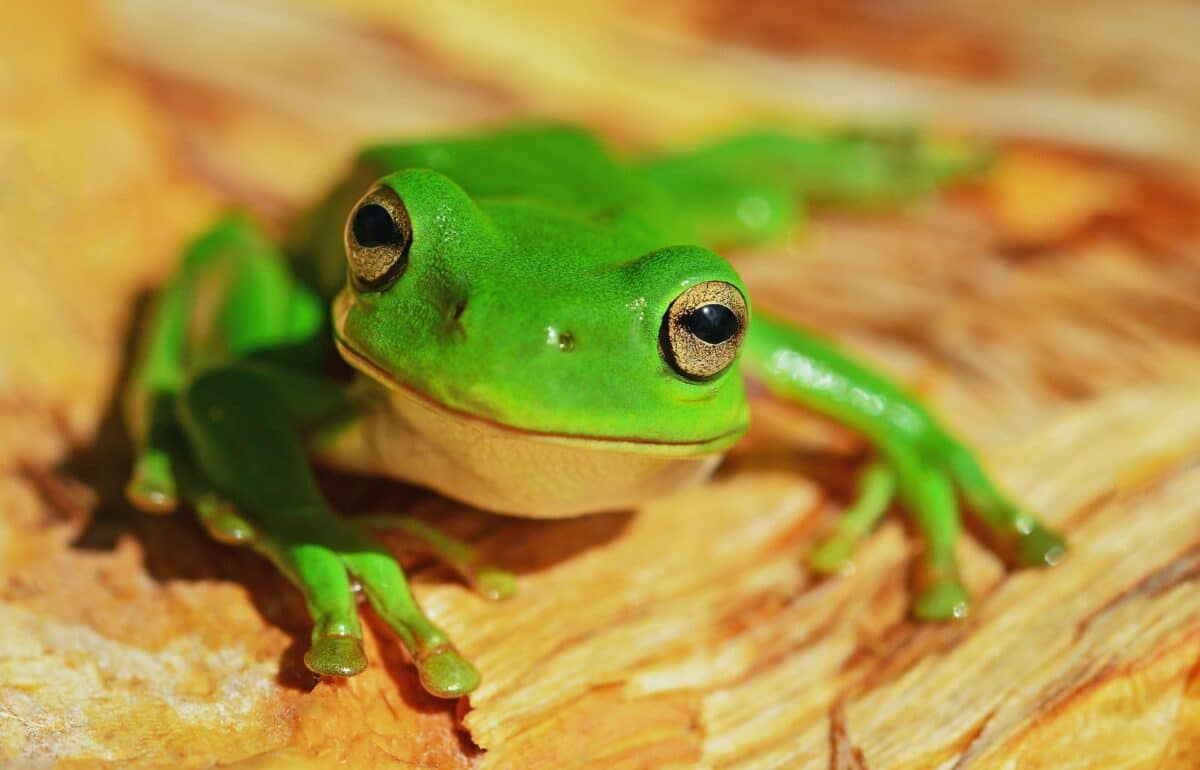
While global warming affects frog populations worldwide, the severity of impact varies significantly by region. Tropical montane species face particularly dire circumstances, as they’ve evolved in relatively stable thermal environments and typically have narrow temperature tolerances. Research from the Amazon basin shows that many high-elevation frogs cannot move farther upslope when temperatures rise, as they’ve already reached the mountain tops—a phenomenon scientists call the “escalator to extinction.” In contrast, some temperate species demonstrate greater thermal flexibility, though even these populations show limits. A comprehensive analysis in Global Ecology and Biogeography found that amphibian communities in Mediterranean climate regions such as California and southern Australia face exceptionally high risk due to the combination of increasing temperatures and decreasing precipitation. Island populations fare particularly poorly under climate change scenarios, with limited geographic range to track preferred climatic conditions. The IUCN has identified amphibian populations in the Caribbean, Madagascar, and the Philippines as facing extreme risk from thermal stress, with some endemic species projected to lose their entire suitable habitat range within decades.
Behavioral Adaptations and Thermal Refuges
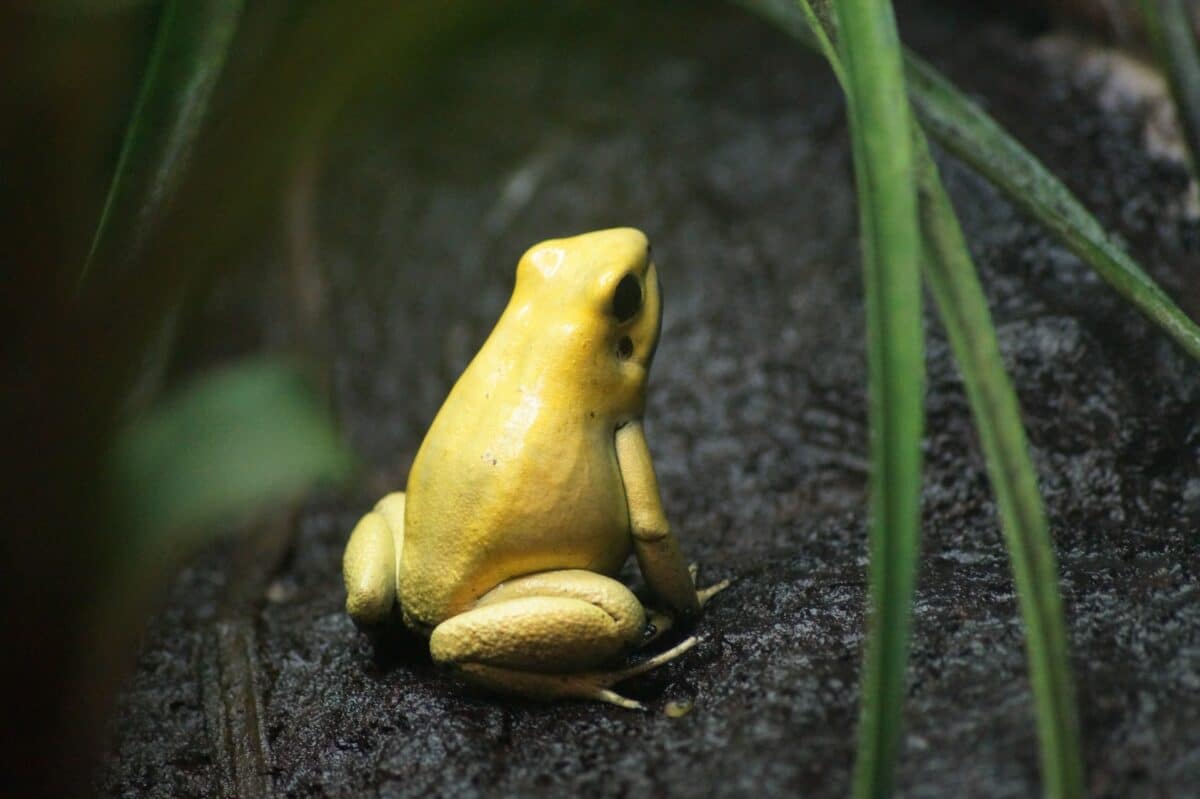
Faced with rising temperatures, frogs employ various behavioral strategies to mitigate heat stress, though these adaptations have limits. Many species alter activity patterns, becoming increasingly nocturnal to avoid daytime heat. Tracking studies in Australia’s Queensland rainforests documented frogs shifting 76% of their foraging activity to nighttime hours during hot periods, compared to more balanced activity in cooler seasons. Some frogs seek thermal refuges—microhabitats that remain cooler than the surrounding environment, such as deep leaf litter, rock crevices, or burrows. Research published in Ecology and Evolution demonstrated that the availability of these thermal refuges can be the determining factor in local population persistence during heat waves. Aquatic species may move to deeper water during hot periods, though this strategy becomes impossible when water bodies shrink or disappear entirely. While these behavioral adaptations provide temporary relief, they come with costs—reduced foraging time, increased predation risk during movements, and energy expenditure that diverts resources from growth and reproduction. Furthermore, as climate change intensifies, the availability of suitable thermal refuges is declining, reducing the effectiveness of this survival strategy.
Conservation Strategies for Heat-Stressed Populations

Kaibab National Forest, CC BY-SA 2.0 https://creativecommons.org/licenses/by-sa/2.0 , via Wikimedia Commons
Conservation biologists are developing multi-faceted approaches to help frog populations cope with increasing thermal stress. Habitat management represents a front-line strategy, with efforts focused on maintaining and restoring microclimate variation within amphibian habitats. Practical interventions include enhancing canopy cover to create shade over breeding ponds, deepening critical water bodies to prevent complete drying, and ensuring connectivity between habitats so populations can shift as conditions change. The Amphibian Survival Alliance has implemented such measures across five continents, with monitoring showing positive population responses in 68% of managed sites. For critically endangered species, more intensive interventions may be necessary. Captive assurance colonies maintain genetic diversity while providing precisely controlled conditions. The successful Panama Amphibian Rescue and Conservation Project maintains assurance populations of several high-elevation frog species while researchers develop methods to enhance their thermal tolerance. Emerging technologies offer additional hope—recent experiments with probiotics that enhance amphibian heat tolerance have shown promise in laboratory settings, though field applications remain experimental.
Ecological Consequences of Frog Population Declines

The loss of frogs due to heat stress extends far beyond the disappearance of individual species, triggering ecological ripple effects throughout their ecosystems. As significant insect predators, frogs help control populations of potential pest species. Research in agricultural landscapes has demonstrated that a single frog can consume thousands of insects annually, including crop pests and disease vectors like mosquitoes. A 2019 study in Panama documented a 98% increase in leaf damage from herbivorous insects following amphibian declines in forest plots. Frogs also serve as prey for numerous predators, from snakes and birds to mammals and larger amphibians. Their decline removes a critical food source from these food webs. In aquatic systems, tadpoles play important roles in controlling algal growth and cycling nutrients. Experiments in pond ecosystems have shown that tadpole removal leads to algal blooms and decreased water quality. Perhaps most concerningly, research published in Ecology Letters suggests that the ecological functions performed by heat-sensitive frog species often cannot be fully replaced by more heat-tolerant species, meaning that even partial community shifts result in diminished ecosystem functioning.
The Global Warming Trajectory and Future Prospects

Current climate projections paint a challenging picture for the world’s frogs. Under the Intergovernmental Panel on Climate Change’s middle-of-the-road emission scenario (SSP2-4.5), global temperatures are expected to rise by approximately 2.7°C by 2100. Even the more optimistic scenarios project at least 1.5°C of warming, exceeding the thermal tolerance thresholds for many amphibian species. A comprehensive analysis published in Nature Climate Change projected that without significant emissions reductions, between 29-45% of frog species could experience temperatures beyond their thermal maximums across more than half their range by mid-century. The frequency of extreme heat events—particularly dangerous for frogs—is expected to increase dramatically, with some regions projected to experience heat waves 3-4 times more frequently by 2050. While some species may adapt through behavioral changes, microhabitat selection, or even evolutionary responses, the rate of warming is likely too rapid for many populations to keep pace. Conservation strategies, while crucial, face limitations in a rapidly warming world. The most effective intervention remains ambitious climate mitigation to limit global temperature increases—a step that would benefit not just frogs but countless species facing similar thermal challenges.
Conclusion: A Call to Protect These Sensitive Environmental Indicators
Frogs have persisted on Earth through numerous climate shifts over millions of years, yet the unprecedented rate of current warming presents a challenge unlike any they’ve faced before. As sensitive environmental indicators, their struggles with heat stress offer an early warning about ecosystem health that we ignore at our peril. The decline of frog populations worldwide represents not just a loss of biodiversity but a fundamental disruption to ecological processes that humans ultimately depend upon. While targeted conservation efforts provide essential support to vulnerable populations, the most meaningful action remains addressing the root cause: reducing greenhouse gas emissions to slow global warming. By protecting frogs from life-threatening heat stress, we simultaneously protect countless other species and the complex ecological relationships that sustain our planet’s living systems.

- The Secret Language of Dolphins Decoded by Researchers - July 20, 2026
- 7 Animals That Can Survive Extreme Environments You Couldn’t - July 20, 2026
- The Longest Snake Ever Found in the U.S. - July 20, 2026