


In the quiet creeks of California’s San Gabriel Mountains, conservationists recently made a significant move: releasing 643 southern mountain yellow-legged frogs and tadpoles into their native habitat. It’s a small animal with a big role in the ecosystem—and one that’s been struggling to survive.
These frogs, once common in high-altitude streams across Southern California, have vanished from over 90% of their original range. Their decline has been blamed on invasive predators like non-native trout, fungal diseases such as chytridiomycosis, and habitat destruction. Now, for the first time in years, the sound of croaking is returning to places where it had nearly disappeared.
Breeding Hope in Captivity
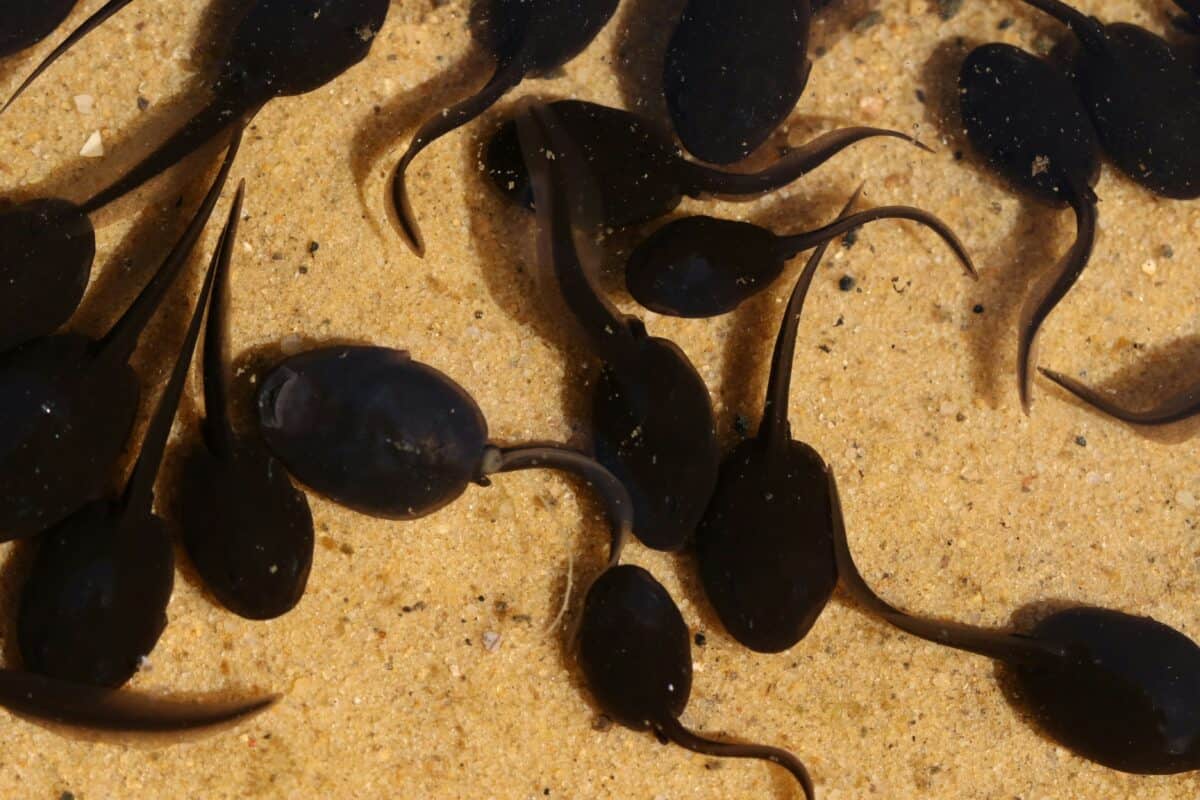
The effort was led by the Los Angeles Zoo, in partnership with the U.S. Geological Survey, California Department of Fish and Wildlife, and the Aquarium of the Pacific. These institutions have been breeding the frogs in controlled environments, protecting them from threats they would face in the wild.
Frogs are bred and raised until they’re strong enough to survive on their own. This summer’s batch included 450 tadpoles and 193 juvenile frogs, released at carefully chosen mountain streams with the right conditions—clean water, shelter, and food sources.
The release sites remain confidential to protect the animals from poaching and unintended human interference. It’s part of a long-term recovery program that has introduced over 6,000 frogs into the wild since 2007.
Why Frogs Matter More Than You Think
These frogs aren’t just another animal—they’re a keystone species, meaning their presence affects the survival of many others. They eat insects like mosquitoes, keeping pest populations in check. At the same time, they serve as food for birds, snakes, and mammals.
When frogs disappear, their absence sends ripples through the ecosystem. Scientists have even used them as early indicators of water quality—if the frogs are thriving, it usually means the environment is, too.
What’s Next for These Frogs
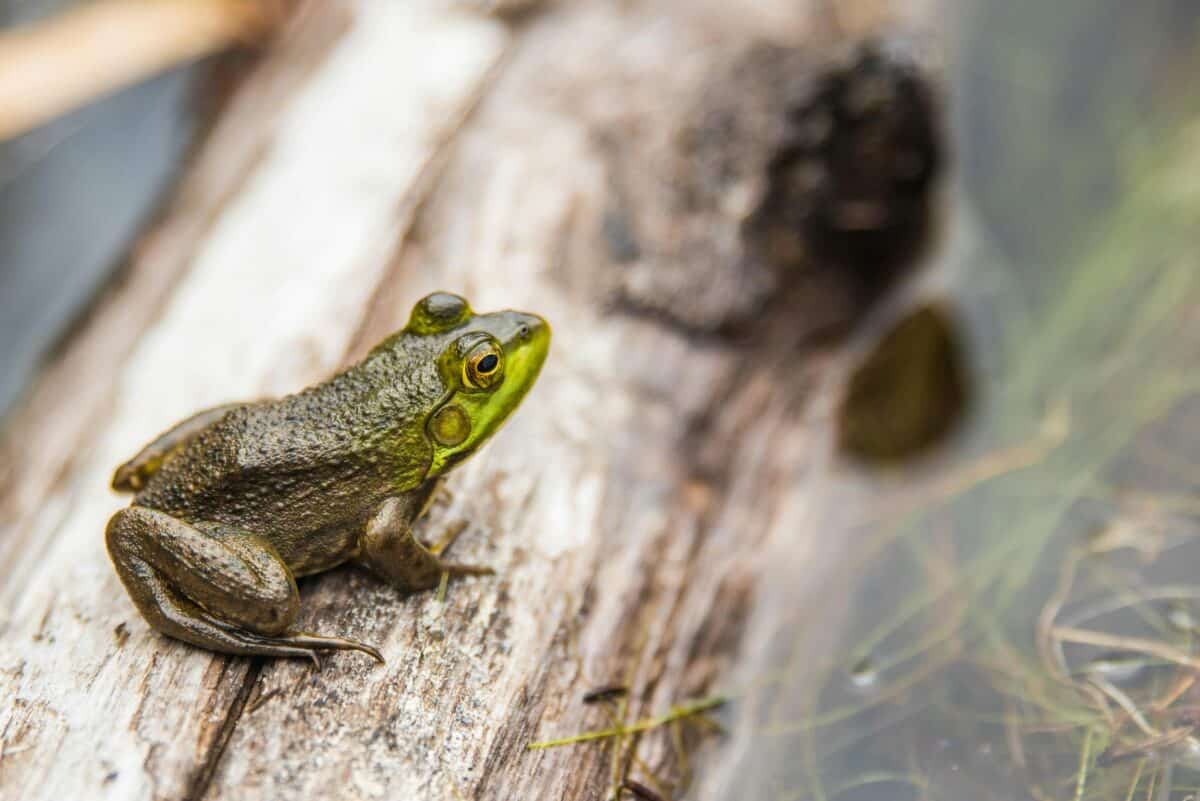
Biologists will now monitor the frogs over the coming months and years, watching for signs of adaptation and reproduction. They’ll also test for deadly fungal infections like chytrid fungus, which has devastated amphibians worldwide. If successful, this project could serve as a blueprint for other at-risk amphibians in the Western U.S.
The team hopes these frogs will begin breeding naturally and establish stable populations that no longer need human help. It’s a long process, but one that could eventually restore the balance in California’s mountain ecosystems.
Final Note
Releasing over 600 endangered frogs into the wild isn’t just about restoring a species—it’s about restoring an ecosystem. Each frog represents a step toward healthier mountains, cleaner water, and a stronger natural balance. And with continued support, monitoring, and respect for these wild spaces, the croak of the southern mountain yellow-legged frog might just become a common sound in California’s high country once again.

- Texas Ranchers Injured and Horses Killed in Aggressive Bee Attack - July 19, 2026
- Cougar Attack on Cyclists Shakes Washington Wilderness - July 19, 2026
- Snake Found in Arizona Toilet Shocks Homeowner - July 19, 2026