


An unprecedented environmental crisis is unfolding underwater: over 84% of coral reefs worldwide are experiencing bleaching conditions. This includes major reef systems in the Florida Keys, U.S. Virgin Islands, and parts of the Gulf of Mexico. Warmer oceans—fueled by record-breaking global temperatures—have triggered what scientists are calling the most extensive bleaching event in recorded history.
Coral Reefs Are Living Animals
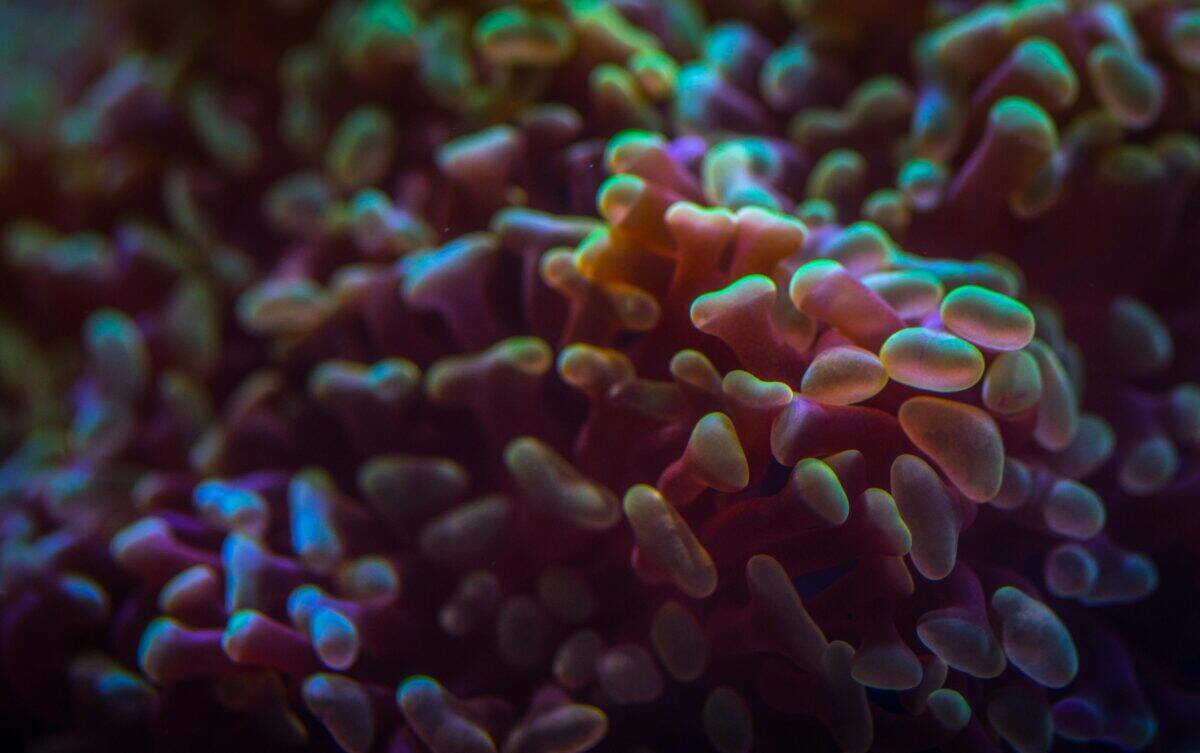
Coral reefs are often mistaken for rocks or plants, but they are actually colonies of tiny marine animals called polyps. These animals live in symbiosis with microscopic algae, which provide them with food and color. When the ocean gets too warm, the coral expels the algae in a stress response, turning ghostly white. This is what’s known as bleaching. If temperatures don’t return to normal, the coral can starve and die.
These animals play a massive role in ocean ecosystems. They support around 25% of all marine life, despite covering less than 1% of the seafloor. They also act as natural storm barriers and drive local economies through tourism and fishing.
What’s Being Done to Save Them
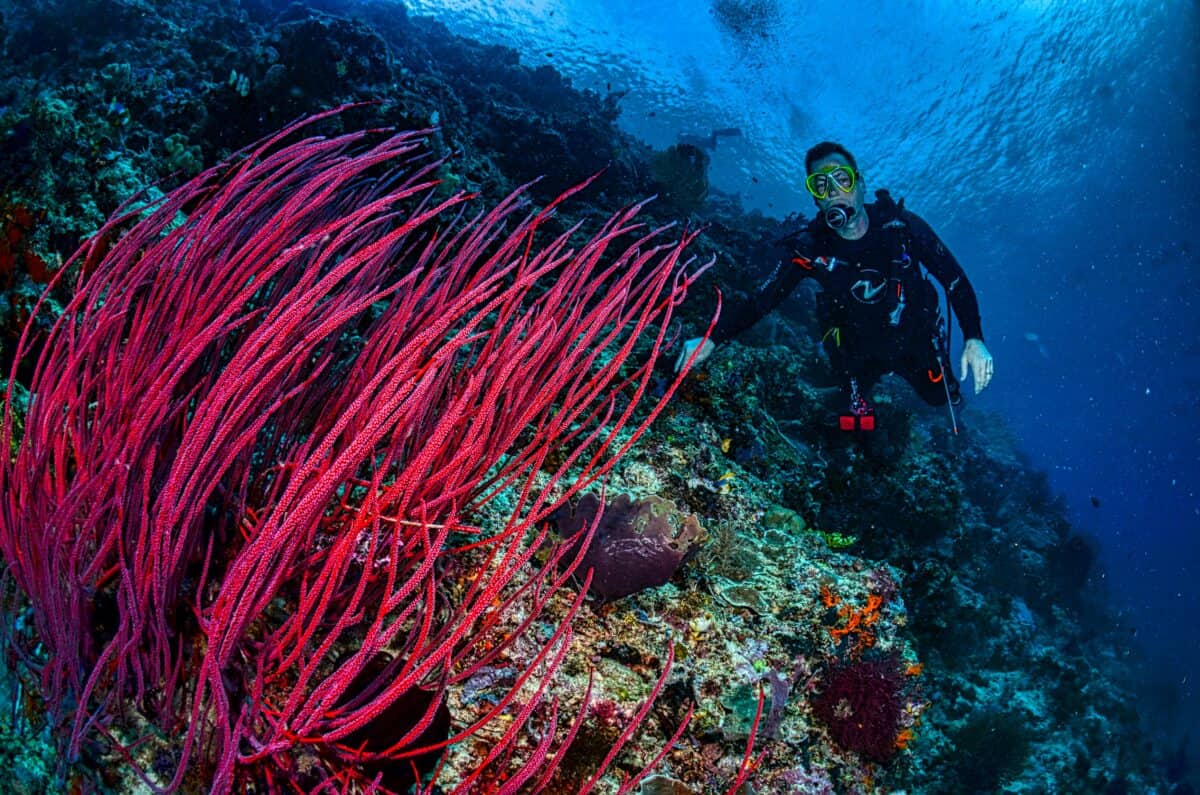
Scientists across the U.S. are working urgently to protect and restore reefs:
- In Florida, researchers are transplanting heat-tolerant elkhorn coral hybrids—a cross between native and more resilient Caribbean strains.
- Marine labs are growing coral fragments in underwater and land-based nurseries, with tens of thousands scheduled for outplanting in 2025.
- NOAA continues to monitor over 1,600 reef sites through its Coral Reef Conservation Program, tracking temperature spikes and coral health in real time.
These efforts are critical. While bleaching doesn’t always kill coral immediately, repeated or prolonged events make recovery harder and less likely.
How You Can Help
You don’t need to be a marine biologist to make a difference:
- Cut back on carbon emissions: Global warming is the root cause of bleaching.
- Avoid reef-damaging sunscreens—look for products labeled “reef-safe.”
- Don’t touch coral while snorkeling or diving; even a light kick of sand can smother polyps.
- Support conservation programs and educate others about the fact that corals are animals that need protection, just like whales or sea turtles.
Always Remember
The bleaching of coral reefs isn’t just a visual loss—it’s the slow death of entire animal-based ecosystems. But this crisis also brings opportunity. With bold action and global awareness, we can help these remarkable underwater creatures survive and thrive. Every healthy polyp counts, because when coral lives, the ocean lives.

- Texas Ranchers Injured and Horses Killed in Aggressive Bee Attack - July 19, 2026
- Cougar Attack on Cyclists Shakes Washington Wilderness - July 19, 2026
- Snake Found in Arizona Toilet Shocks Homeowner - July 19, 2026