


Throughout human history, meat has occupied a central position in cultural rituals and celebrations across civilizations. From ancient sacrificial ceremonies to modern holiday feasts, the consumption and offering of animal flesh has carried profound symbolic weight. However, as society evolves, so too does our relationship with meat and its place in our ceremonial lives. What once represented abundance, prosperity, and divine connection is increasingly scrutinized through ethical, environmental, and health-conscious lenses. This transformation reflects broader shifts in human values, scientific understanding, and global awareness. The journey from celebration to criticism tells a fascinating story about changing human consciousness and the ongoing reevaluation of traditions in light of contemporary concerns.
The Ancient Roots of Meat Rituals

Archaeological evidence reveals that meat has been central to human ritual practice since prehistoric times. Cave paintings dating back 30,000 years depict hunting scenes that suggest early ceremonial connections to animal killing and consumption. As agricultural societies developed, this relationship evolved into more formalized sacrificial practices. In ancient Mesopotamia, Egypt, Greece, and Rome, animal sacrifice represented one of the most fundamental forms of communication with deities. The blood, bones, and flesh of animals were believed to bridge the mortal and divine realms.
Notably, these ancient rituals were not merely symbolic—they served practical purposes within their societies. Most sacrificial animals were consumed after the ceremonial portions were offered to the gods, effectively distributing protein resources throughout the community while reinforcing social hierarchies. In ancient Greece, for example, the ritual of “thusia” involved sacrificing cattle or sheep, offering specific portions to the gods (typically fat and bones), while the edible meat was shared among participants. This practice demonstrated how meat consumption was simultaneously practical nourishment and a sacred activity connecting humans to their cosmological understanding of the world.
Meat in Religious Traditions
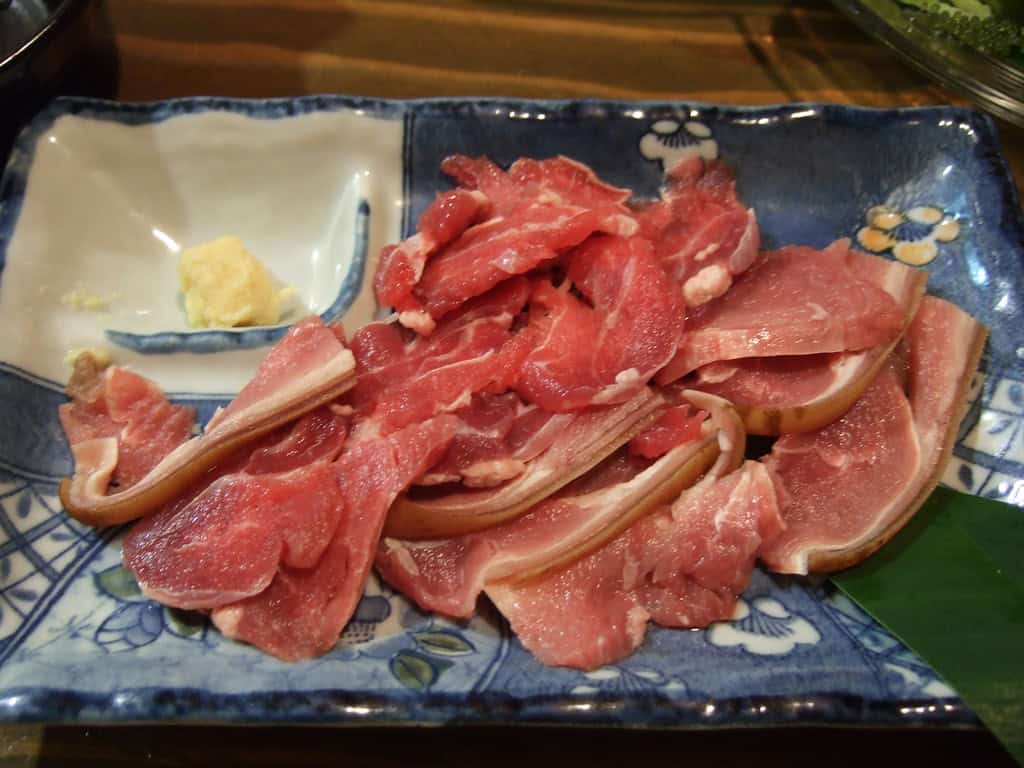
Major world religions have incorporated meat into their ritual frameworks in distinctive ways. In Judaism, kosher slaughter (shechita) transforms the act of killing animals into a sacred procedure that must be performed by trained individuals according to specific religious requirements. The Passover celebration centers around the ceremonial lamb, commemorating the biblical Exodus. Similarly, in Islam, the festival of Eid al-Adha features ritual animal sacrifice (qurbani) in remembrance of Abraham’s willingness to sacrifice his son, with portions of meat distributed to family, neighbors, and those in need.
Christianity has a complex relationship with meat, prominently featuring it in celebrations while also incorporating abstinence periods. Easter typically includes lamb symbolizing Christ as the sacrificial “Lamb of God,” while Christmas feasting often centers around ham, turkey, or other special meats. Hindu traditions present a contrast, with many adherents practicing vegetarianism based on principles of non-violence (ahimsa), though some Hindu rituals historically included animal sacrifice. These diverse religious approaches to meat highlight how deeply intertwined animal consumption has been with humanity’s expression of spiritual devotion and community cohesion across different belief systems.
Meat as Status and Abundance
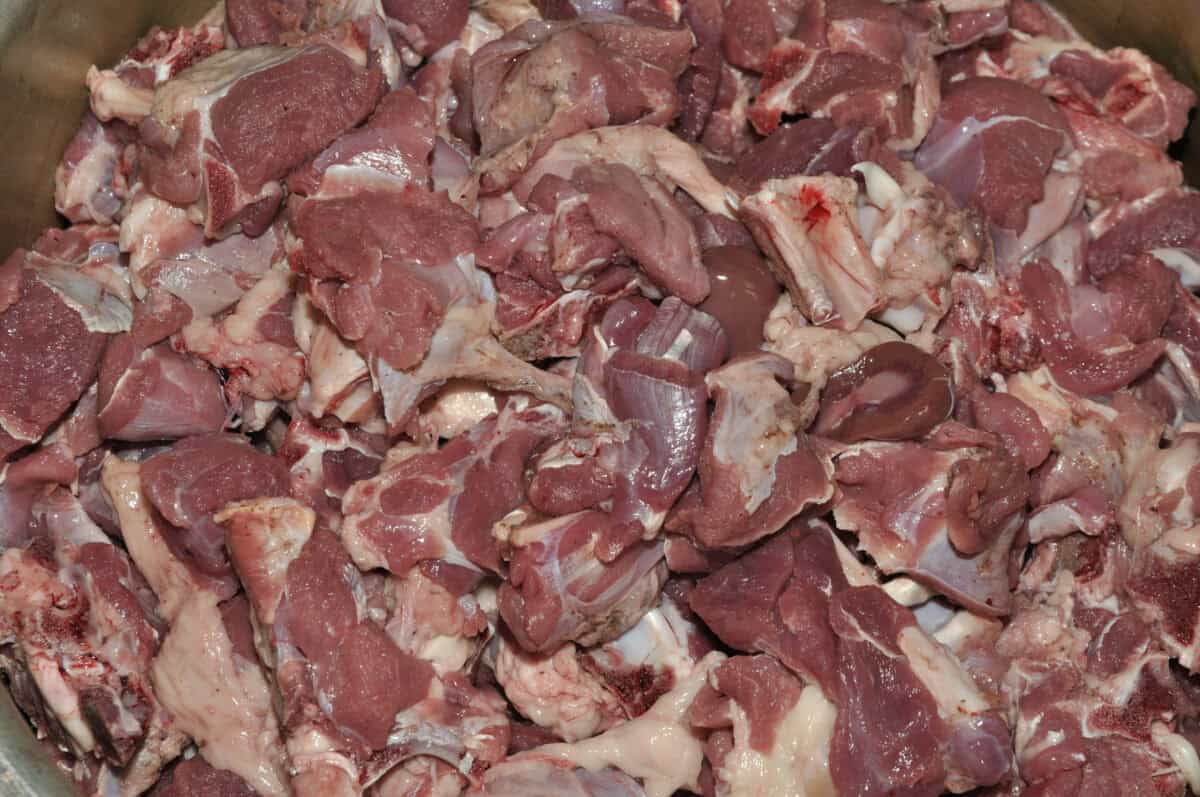
Throughout history, meat has functioned as a powerful social marker, with its presence at a feast signaling wealth, status, and generosity. Medieval European banquets displayed extravagant meat dishes—entire roasted peacocks with feathers reattached, wild boar served with gilded tusks, and elaborate meat sculptures called “subtleties”—all designed to showcase the host’s prosperity. The ability to serve meat, particularly large quantities or rare varieties, communicated social standing in ways few other foods could match. This pattern appeared across cultures, from Chinese imperial banquets featuring exotic meats to Native American potlatch ceremonies where chiefs demonstrated wealth through generous distribution of hunt spoils.
The symbolic association between meat and abundance extends to seasonal celebrations worldwide. Harvest festivals, winter solstice gatherings, and new year celebrations traditionally feature meat as the centerpiece, representing successful survival through difficult seasons and hope for continued prosperity. Even today, many families prioritize spending on premium cuts for holiday meals despite financial constraints, demonstrating meat’s persistent cultural value as a symbol of celebration and abundance. This association has proven remarkably durable across time and geography, transcending specific religious contexts to become a nearly universal marker of festive occasions.
Communal Identity and Meat Traditions

Regional meat traditions serve as powerful markers of cultural identity and belonging. Consider the American Thanksgiving turkey, the traditional Christmas ham in many European countries, or the lamb central to Greek Easter celebrations. These foods connect individuals to their heritage and reinforce group bonds through shared consumption practices. Beyond major holidays, community barbecues, pig roasts, clambakes, and other meat-centered gatherings serve as opportunities for social bonding across diverse cultures. The physical act of gathering around cooking meat—whether over a South African braai, an Argentine asado, or an American backyard grill—creates spaces for storytelling, knowledge transmission, and intergenerational connection.
These traditions often incorporate specific preparation techniques, spice blends, and serving rituals that distinguish one community from another. For example, the specific way a whole pig is prepared for a Hawaiian luau differs significantly from how it might be roasted for a Cuban Nochebuena celebration, though both center on the same animal. Many families guard closely their recipes for traditional meat dishes—grandmother’s secret brisket technique or the precise spice blend for chorizo—turning food preparation into a form of cultural preservation. Through these specialized practices, communities maintain distinctive identities even as broader food systems become increasingly homogenized through globalization.
Gender and Power Dynamics in Meat Rituals
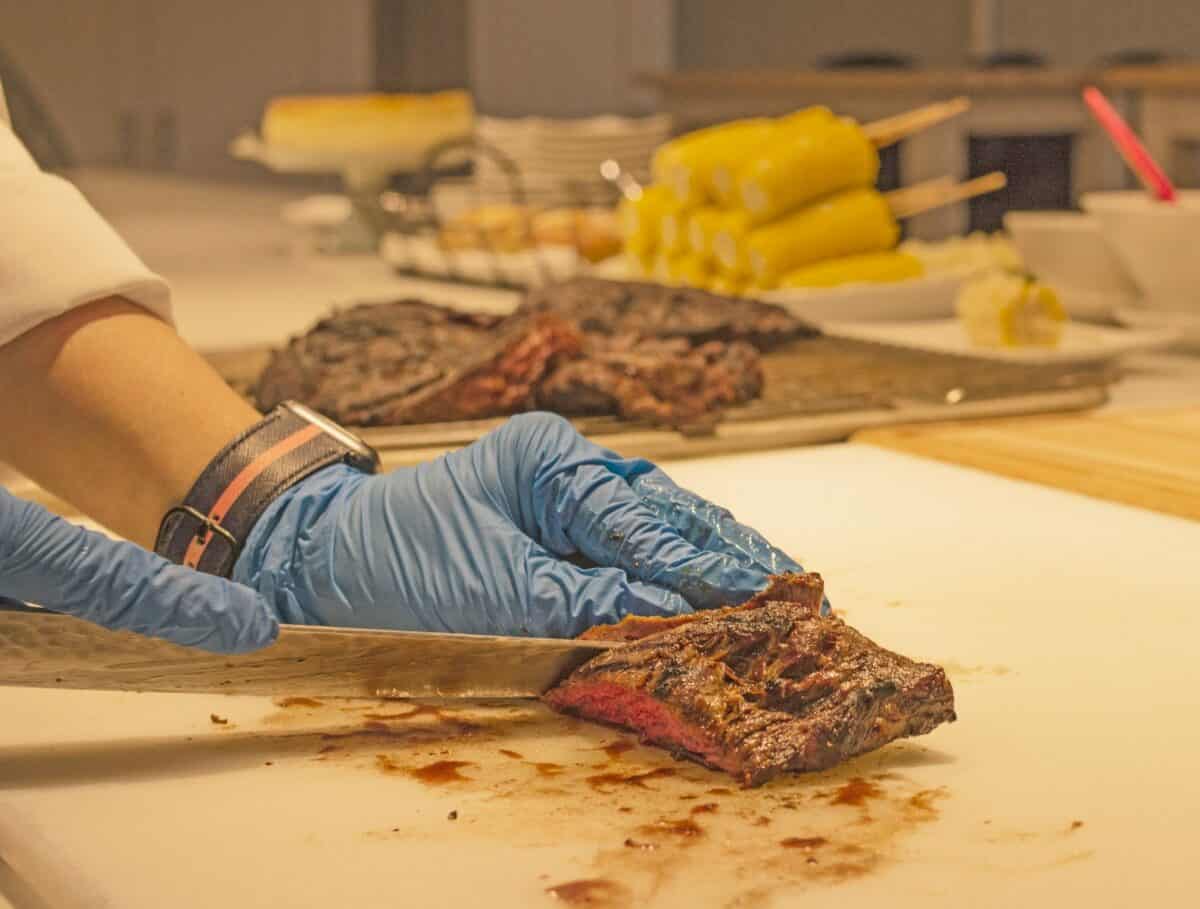
Anthropological research reveals that meat production and consumption have historically reinforced gender hierarchies across cultures. In many traditional societies, hunting large game and ceremonial slaughter were predominantly male activities, associated with courage, strength, and provider status. The public cooking of meat—particularly large animals over open flames—similarly tended to be male-dominated, while everyday meal preparation fell to women. These gendered divisions around meat reflected and reinforced broader social power structures. Even the distribution of meat often followed hierarchical patterns, with choice cuts reserved for male household heads or community leaders.
Contemporary research suggests these associations persist in subtle ways. Studies show that across diverse cultures, meat consumption continues to be associated with masculinity, with men typically consuming larger quantities and expressing stronger attachment to meat-eating than women. Marketing frequently exploits these connections, with grilling advertisements targeting men through appeals to primal instincts and power. Interestingly, as critiques of meat consumption grow, gender dynamics continue to play a role—women are statistically more likely to adopt vegetarian diets and express ethical concerns about meat production, while resistance to reducing meat consumption is sometimes framed in gendered terms about freedom and traditional values. These patterns demonstrate how deeply meat rituals remain entangled with cultural constructions of gender identity.
The Rise of Industrial Meat Production
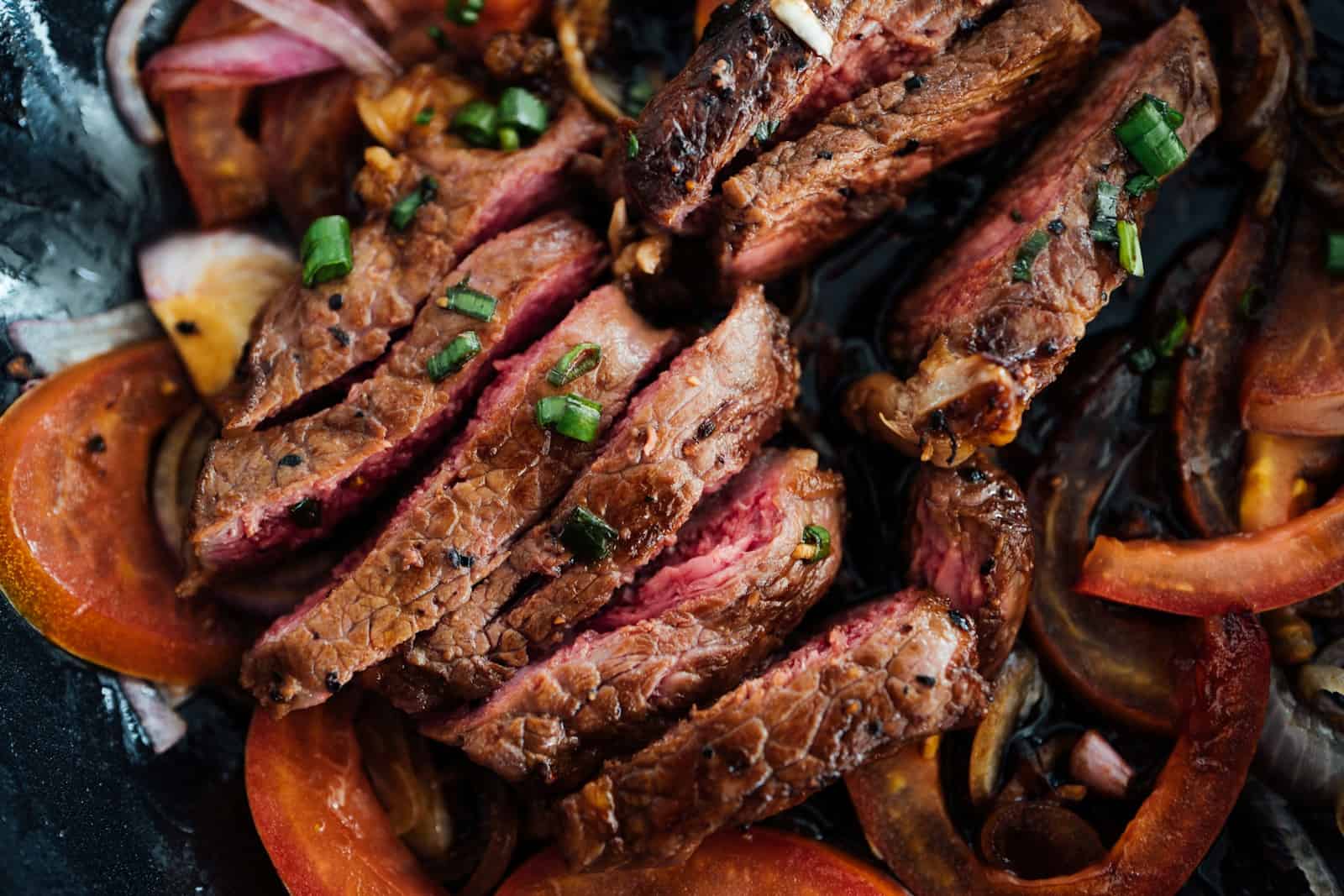
The 20th century witnessed a profound transformation in humanity’s relationship with meat through industrialization of animal agriculture. Traditional husbandry practices, where animals were raised in small numbers with seasonal slaughter, gave way to year-round production in concentrated animal feeding operations (CAFOs). This shift dramatically increased meat availability and affordability, democratizing what had often been a luxury food. In the United States, per capita meat consumption nearly doubled between 1909 and 2007, from approximately 123 pounds to 222 pounds annually, according to USDA data. Similar patterns emerged across developing economies as incomes rose, creating unprecedented global demand for animal products.
However, this abundance came with significant disconnection from traditional meat rituals. As production moved behind closed doors in specialized facilities, most consumers lost direct contact with raising and slaughtering processes that had once been community events. The animal transformed from a known entity with a life history to an anonymous product in plastic packaging. Holiday meats, once special because of their scarcity and the communal effort required to prepare them, became primarily distinguished by quantity or quality rather than their mere presence. This physical and psychological separation from meat production created conditions where consumers could maintain traditional meat-centered celebrations while remaining insulated from the realities of modern production methods—a disconnection that would eventually contribute to growing ethical questions.
Environmental Critiques and Sustainability Concerns

Scientific consensus has established that industrial meat production carries substantial environmental costs. According to the Food and Agriculture Organization, livestock production generates approximately 14.5% of global greenhouse gas emissions. Beef production is particularly resource-intensive, requiring approximately 1,800 gallons of water per pound of meat produced. Livestock operations occupy approximately 30% of Earth’s ice-free land surface, making them a leading cause of deforestation, particularly in sensitive regions like the Amazon rainforest. These environmental impacts have prompted growing criticism of meat-centered celebrations, especially as climate consciousness rises among younger generations.
Traditional meat-centered feasts, which often emphasize abundance through excess, face particular scrutiny for their environmental footprint. A 2016 study published in Environmental Research Letters estimated that a typical American Thanksgiving dinner for eight people produces approximately 44 pounds of carbon dioxide—equivalent to driving 504 miles in an average passenger vehicle. As this environmental awareness spreads, some communities have begun adapting their ceremonial practices. “Green” holiday guides now commonly suggest reducing meat portion sizes, sourcing from sustainable producers, incorporating plant-based alternatives, or adopting “Tofurky” and other meat substitutes. These adaptations represent attempts to preserve the communal and celebratory aspects of food traditions while addressing sustainability concerns that were largely absent from traditional ritual frameworks.
Animal Welfare and Ethical Objections

Contemporary ethical critiques of meat rituals often center on animal welfare concerns. Traditional ritual slaughter methods—whether kosher shechita, halal dhabiha, or ceremonial killings in various indigenous traditions—developed when animal consciousness and pain perception were understood differently than they are today. Modern scientific research has established that animals commonly used for food possess significant cognitive abilities and experience pain in ways more complex than previously recognized. For instance, pigs can recognize themselves in mirrors, chickens demonstrate sophisticated social cognition, and cows form strong emotional bonds with herd members. This growing body of evidence has prompted ethical reconsideration of practices once taken for granted.
For many contemporary observers, the conditions of industrial animal agriculture present particular ethical problems when animals are raised for ceremonial consumption. Investigations have documented that holiday demand spikes often correspond with intensified confinement conditions and accelerated slaughter line speeds. Animal rights philosophers like Peter Singer argue that continuing to center celebrations around the consumption of sentient beings represents a moral inconsistency in societies that otherwise claim to value compassion and oppose unnecessary suffering. This perspective has gained cultural traction, with a 2019 Gallup poll finding that 41% of Americans support laws ensuring humane treatment of farm animals, even if it means increased food prices. These ethical objections have contributed to the growing reimagining of traditional meat-centered rituals among certain communities.
Health Considerations and Changing Dietary Guidelines

Scientific understanding of meat’s health impacts has evolved substantially in recent decades, influencing attitudes toward meat-centered celebrations. While traditional wisdom often positioned meat as strengthening and nourishing—ideal for special occasions—contemporary nutritional science presents a more nuanced picture. In 2015, the World Health Organization classified processed meats as Group 1 carcinogens (known to cause cancer) and red meat as Group 2A (probably carcinogenic). Major medical organizations, including the American Heart Association, now recommend limiting red meat consumption to reduce cardiovascular disease risk. These shifts in health guidance have encouraged many individuals to reconsider the centrality of meat in celebration meals.
The dramatic rise in special dietary patterns—including vegetarianism, veganism, flexitarianism, and various health-focused eating styles—has further complicated traditional meat rituals. Hosts of holiday gatherings increasingly accommodate diverse dietary needs, making the single meat centerpiece less universal than in previous generations. According to a 2018 Gallup poll, approximately 8% of Americans identify as vegetarian or vegan, with significantly higher percentages among younger adults. Even more follow “meat-reduced” diets. This dietary diversification has prompted innovation in holiday menus, with plant-based main dishes moving from accommodation to celebration. Many families now prepare both traditional meat options and plant-based alternatives, reflecting the evolving health consciousness that increasingly shapes contemporary food choices even during traditional celebrations.
Cultural Adaptation and New Ritual Forms
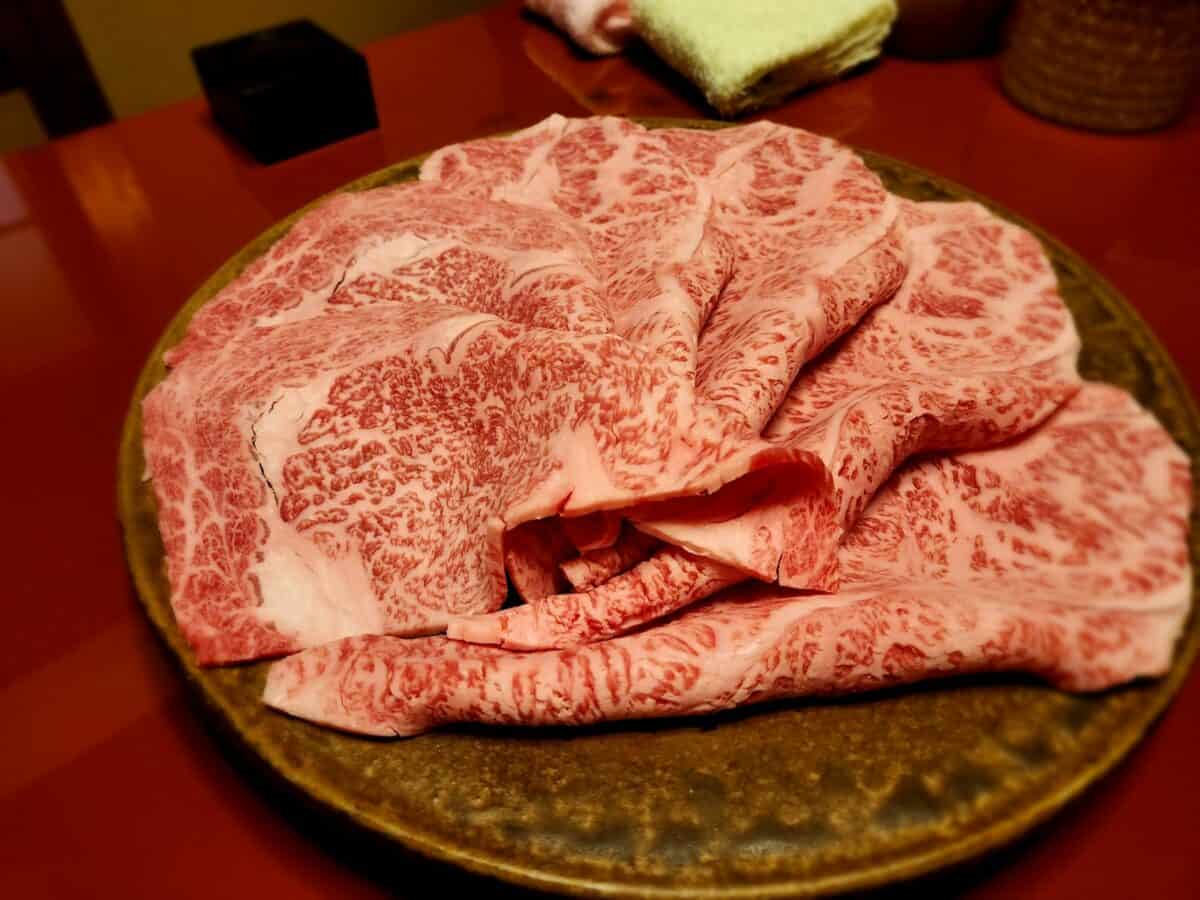
As critiques of traditional meat consumption grow, many communities have developed creative adaptations that preserve ceremonial meaning while addressing contemporary concerns. Vegetarian and vegan versions of traditional festival foods have moved from marginal substitutes to celebrated traditions in their own right. The “Tofurky,” first commercially introduced in 1995, has become iconic enough to enter the cultural lexicon, while sophisticated plant-based alternatives like seitan roasts, jackfruit dishes, and mushroom-based proteins offer increasingly satisfying centerpieces for holiday tables. Beyond simple substitution, many families have developed hybrid celebrations that maintain connection to tradition while incorporating new values.
Some religious communities have formally adapted their ritual frameworks to accommodate changing views on meat. Reform Jewish congregations may use symbolic representations rather than actual animal sacrifice in Passover observances. Buddhist vegetarian celebrations throughout Asia have developed elaborate plant-based versions of traditional meat dishes, using textured vegetable proteins and careful seasoning to create ritual foods that honor tradition while aligning with compassionate values. These adaptations demonstrate the remarkable flexibility of human ritual practices, which often preserve core symbolic meanings while adjusting external forms to reflect evolving community values. Rather than representing a simple rejection of tradition, these innovations often reflect thoughtful engagement with the deeper purposes behind ceremonial meat consumption—connection, abundance, gratitude, and community—while finding new expressions better aligned with contemporary ethical frameworks.
Globalization and Cross-Cultural Influences

Globalization has dramatically transformed traditional meat rituals through exposure to diverse cultural practices and alternative dietary approaches. As populations become more mobile and multicultural, traditional meat celebrations encounter new influences. Families with members from different cultural backgrounds often create fusion holiday meals that incorporate multiple traditions. For example, a Thanksgiving table might now feature traditional turkey alongside Italian lasagna, Chinese dumplings, or Indian curry, creating space for diverse cultural expressions. This cross-pollination has enriched celebratory food traditions while simultaneously diluting the centrality of any single meat dish.
International media and digital connectivity have accelerated awareness of global meat alternatives and ritual adaptations. Social media platforms like Instagram and Pinterest showcase vegetarian Eid celebrations, plant-based Christmas feasts, and eco-conscious Thanksgiving menus, normalizing departures from meat-centered traditions. Globalization has also expanded access to specialized ingredients required for authentic international dishes or high-quality meat alternatives. Korean temple cuisine, Mediterranean plant-forward celebrations, and indigenous vegetable-centered feast traditions that were once geographically limited now influence holiday tables worldwide. This cross-cultural exchange has created unprecedented opportunity for ritual innovation, allowing individuals and communities to consciously select elements from diverse traditions that align with their values rather than simply inheriting a single fixed approach to ceremonial eating.
The Future of Meat in Ritual and Celebration

Looking ahead, meat’s role in ceremonial life will likely continue evolving along several trajectories. Technological innovation promises to reshape the landscape through cultured meat (grown from animal cells without requiring slaughter) and increasingly sophisticated plant-based alternatives. These developments may eventually offer ways to maintain the sensory experience and cultural symbolism of traditional meat dishes while addressing ethical and environmental concerns. Some ritual practices may incorporate these innovations seamlessly, while others may resist them based on perceptions of authenticity or specific religious requirements regarding animal products. The rapid improvement in meat alternatives suggests that within a generation, the technical barriers to substitution may largely disappear, leaving primarily cultural considerations.
More profoundly, many communities are reimagining what constitutes meaningful celebration beyond specific food traditions. Some religious and cultural groups are shifting emphasis from particular foods to core values like gratitude, community service, and environmental stewardship. Contemporary celebration innovations include Thanksgiving food drives alongside or instead of family feasts, religious celebrations incorporating nature restoration projects, and holidays reimagined around connection rather than consumption. These evolving practices suggest that while meat will likely retain ceremonial importance for many communities, its centrality may gradually diminish as humans develop more diverse and deliberate ways of marking significant occasions. The future trajectory will likely involve both preservation and innovation—maintaining connections to cultural heritage while adapting practices to align with evolving values and understanding about our relationship with animals and the environment.

From exploring the marine wonders in the Azores and witnessing the vast savannas of Kenya, to delving deep into the rich biodiversity of South Africa and traversing iconic landscapes in Australia and the US like Yellowstone, Chris's experiences are vast.
With a penchant for diving alongside sharks, the ocean holds a special place in his heart.
Through his academic insights, he champions wildlife conservation, striving with 'Animals Around The Globe' to cultivate a profound connection between humans and animals, enhancing our mutual appreciation.
Connect with him at Feedback@animalsaroundtheglobe.com.
- Top 10 Baby Animals That Will Make You Go Aww - August 18, 2026
- The Best Places to See the Big 5 - August 18, 2026
- Best Places to Swim with Dolphins - August 18, 2026