
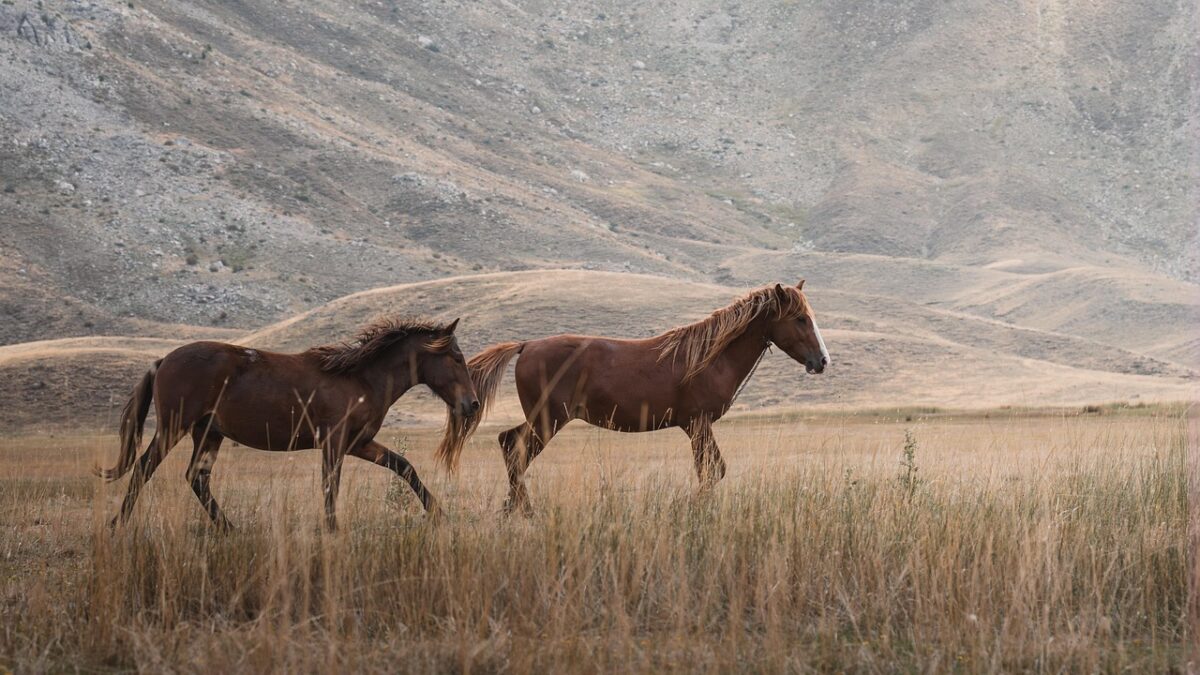
America is, without any exaggeration, one of the most ecologically diverse nations on the planet. From boiling thermal springs in Wyoming to silent, pitch-black ocean floors, this country holds some of the most astonishing natural worlds you will ever encounter. It is not just about size. It is about the sheer variety of life, geology, and climate packed into one landmass.
Most people think of national parks when they imagine America’s wilderness. But honestly, the real story goes so much deeper than scenic overlooks and hiking trails. Some of these ecosystems push the very definition of what we think life can look like. So let’s dive in.
1. The Florida Everglades: A River of Grass Unlike Any Other
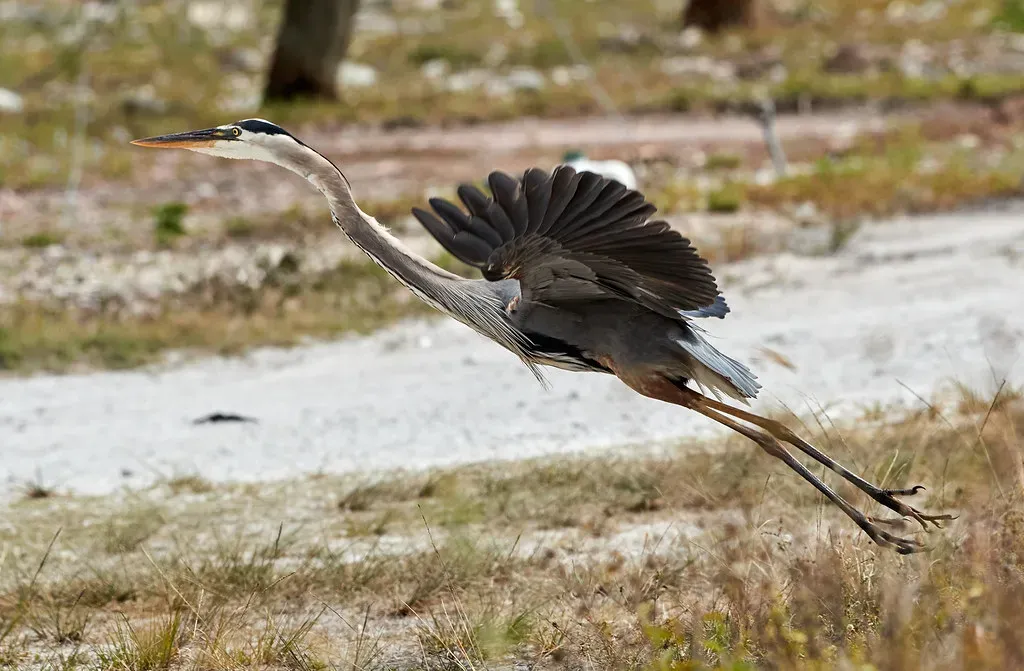
Few places on Earth can claim to be a world unto themselves quite like the Florida Everglades. The Everglades is the only ecosystem in the world defined by a slow-moving, shallow river of grass that flows into the ocean, creating a unique mix of freshwater and saltwater habitats. Think of it as a living, breathing sponge in slow motion, constantly filtering and flowing.
Covering over 1.5 million acres, the Everglades is the largest subtropical wilderness in the United States, dominated by sawgrass marshes, mangroves, hardwood hammocks, and cypress swamps. The scale is almost impossible to picture until you are standing right in the middle of it.
Nine distinct types of ecosystems have been identified within the Everglades National Park, including cypress, freshwater marl prairie, freshwater slough, coastal lowlands, mangrove, pinelands, hardwood hammock, marine and estuarine habitats. And incredibly, thanks to its unique freshwater-saltwater dynamics, the Everglades is one of the few places in the world where crocodiles and alligators coexist.
It contains the largest mangrove ecosystem in the Western Hemisphere, the largest continuous stand of sawgrass prairie, and the most significant breeding ground for wading birds in North America. For all its grandeur, the pressure it faces is very real. Approximately fifty percent of the original Everglades has been developed as agricultural or urban areas. That is a sobering fact, and one worth sitting with.
2. Yellowstone: Earth’s Living Volcanic Laboratory
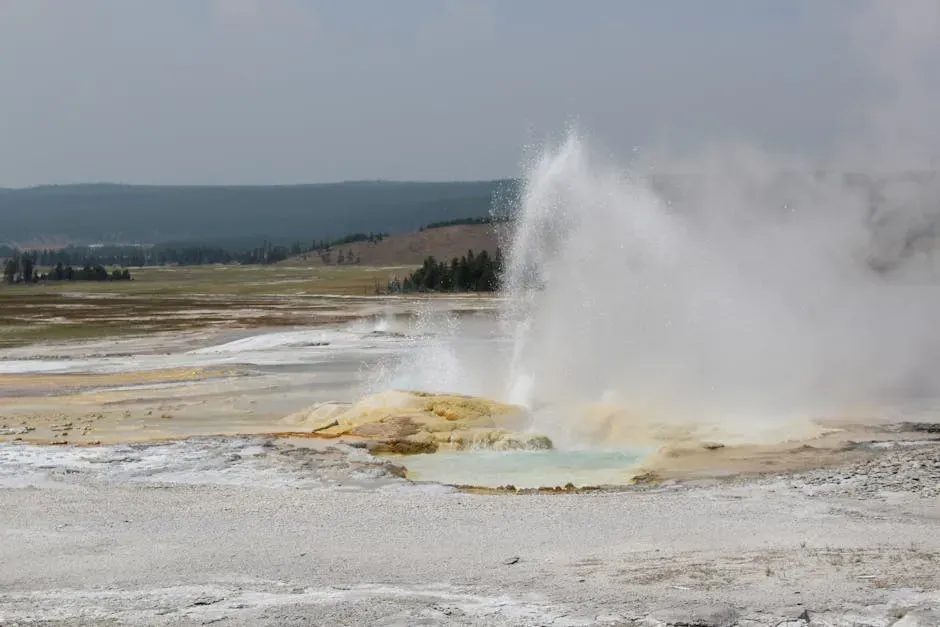
If you want to see what Earth looked like at its rawest, Yellowstone is about as close as you can get without a time machine. Yellowstone National Park contains the world’s largest concentration of geothermal features. It is not just scenery. It is a planet in action.
Yellowstone contains at least 10,000 geothermal features altogether, including geysers, hot springs, mudpots, and fumaroles, and over half of the world’s geysers and hydrothermal features are concentrated here. That number alone should make your jaw drop.
When considering life in Yellowstone’s thermal basins, extremophiles come immediately to mind. Some of these organisms vibrantly display colorful bacterial mats characteristic of thermal features, like the extremophilic bacteria of Grand Prismatic. These are not just pretty colors. They are living organisms thriving in conditions that would kill most other life forms instantly.
Yellowstone Park is the largest and most famous megafauna location in the contiguous United States, inhabited by grizzly bears, cougars, wolves, and free-ranging herds of bison and elk. Where else can you watch a wolf trot past a boiling hot spring? Only here.
3. The Deep Ocean Floor: America’s Last True Frontier
Here is something that genuinely astonishes me every time I think about it. More people have been into space than to the depths of the open ocean. The deep sea beneath American waters remains largely unmapped and unknown, making it, in every practical sense, our final frontier.
Despite the low temperatures, extreme ambient pressures, absence of sunlight, and low resource availability, the deep sea supports a rich abundance of life in an array of unique ecosystems. Life, it turns out, finds a way even in places we would confidently declare uninhabitable.
Unlike most ecosystems that rely on sunlight for energy, hydrothermal vent communities depend on chemosynthesis, a process where microbes convert chemicals into energy. This forms the foundation of a unique food web, supporting species like bacteria, tube worms, gastropods, isopods, sea spiders, and specialized fish. It is a completely self-contained world running on volcanic chemistry instead of sunlight.
The ecosystems in abyssal plains rely on “marine snow,” a steady drift of organic matter falling from upper ocean layers, as a primary source of food. These plains also play a crucial role in global geochemical cycles, acting as storage zones for carbon and other elements. Without these dark, cold plains, our entire climate system would function very differently.
4. The Pacific Temperate Rainforest: Green Cathedrals of the Northwest
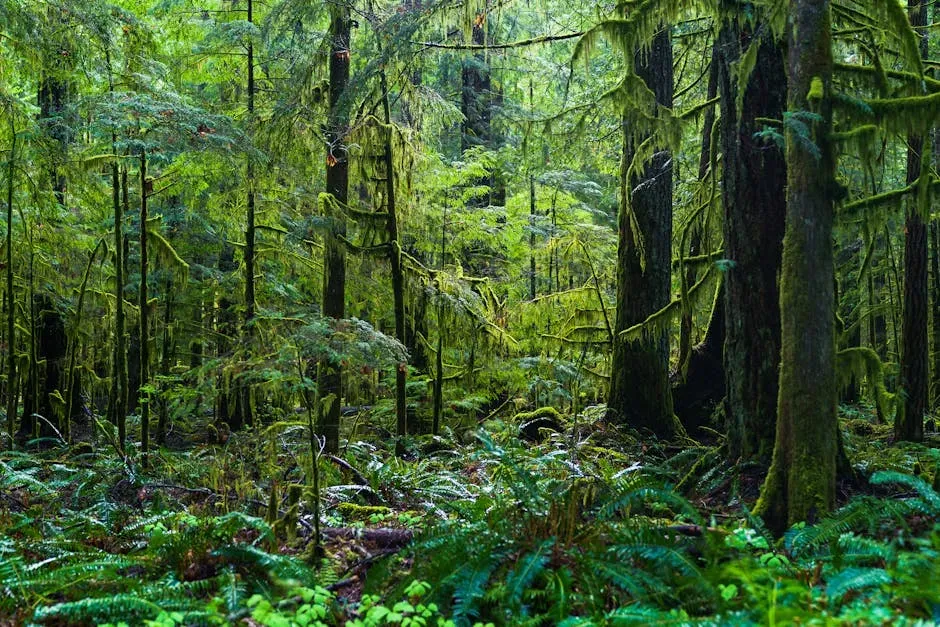
I think the Pacific Northwest temperate rainforest is one of the most underrated ecosystems anywhere in the world. People hear “rainforest” and think of the Amazon. Yet this ancient, dripping, moss-covered world along the American coast is something extraordinary in its own right.
The temperate rainforest receives an incredible amount of precipitation, between about 100 to 200 inches annually. Its cool winters and mild summers promote the growth of mosses, ferns, fungi, and lichens. Walking through it feels like stepping inside a living green cathedral.
These parks are home to the coast redwood, the world’s tallest living tree, with some individuals soaring over 370 feet. Many of these ancient giants are over a thousand years old. A thousand years. That means some of these trees were already ancient when Columbus arrived.
The Sitka spruce, western red cedar, and Douglas fir are trees native to North America’s temperate rainforest, with some growing to more than 300 feet tall and ten feet in diameter. Standing next to one of those trees, you feel genuinely small in the most wonderful way possible.
5. The Sonoran Desert: The Desert That Defies All Desert Logic
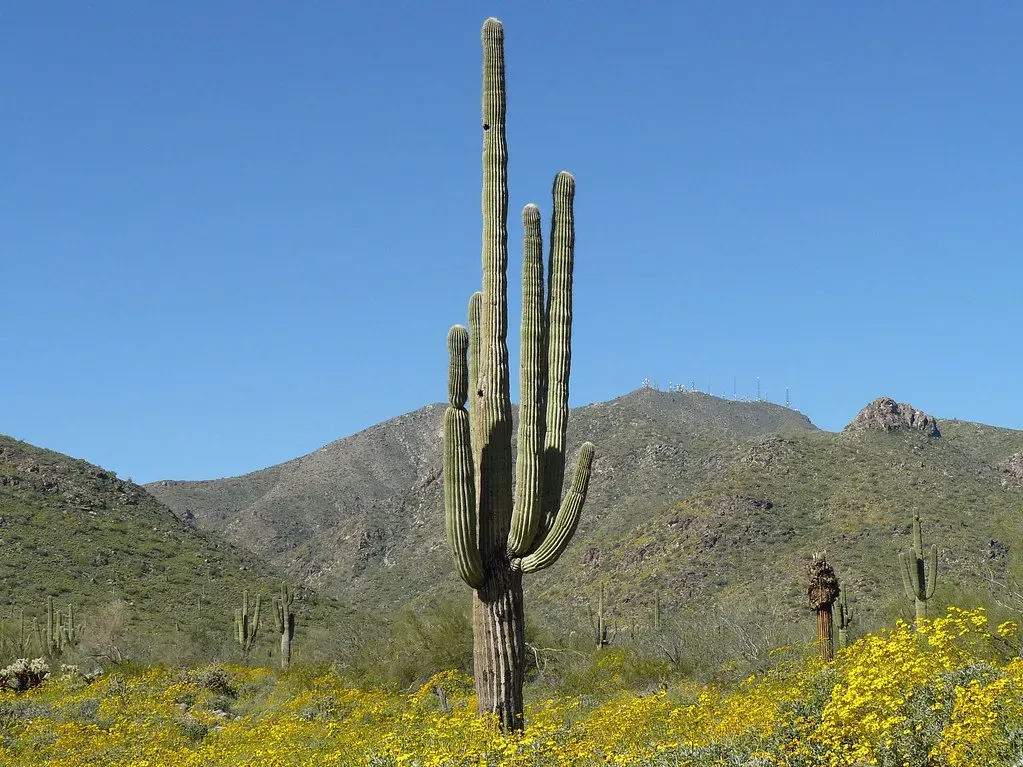
Most people imagine deserts as empty, barren, and lifeless. The Sonoran Desert will shake that notion right out of you. It is, honestly, one of the most biodiverse deserts on the entire planet, and the numbers back it up completely.
The Sonoran Desert in Arizona and California receives more rainfall than most North American deserts, supporting a greater variety of life, including the iconic saguaro cactus. More rainfall, more life. Simple logic, yet the results here are truly spectacular.
Saguaro cacti are only found in the Sonoran Desert, located in the Southwestern United States and Mexico, which has a relatively high amount of rainfall compared to other deserts. These towering, arm-raising giants are not just a symbol. They are entire apartment complexes for desert wildlife, providing nesting for birds, shelter for reptiles, and food for dozens of species.
Seeds in the desert may lie dormant for years during long dry spells, but when rain finally comes, they sprout rapidly. Plants grow, bloom, produce new seeds, and die, often in a short span of time. A soaking rain can change a desert into a wonderland of flowers almost overnight. That kind of biological patience is just stunning to consider.
6. The Florida Keys Coral Reef: An Underwater Metropolis
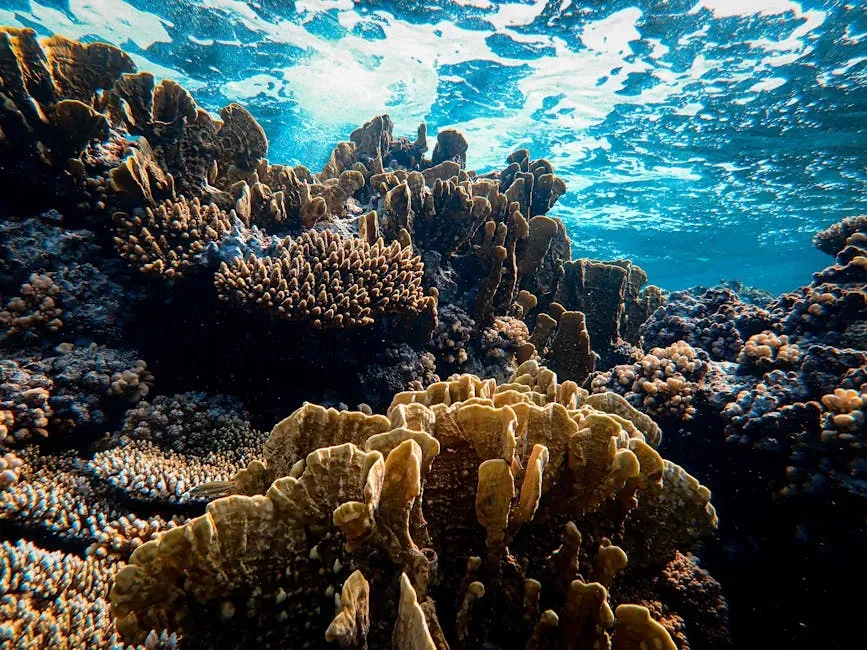
The Florida Keys are home to the only living barrier coral reef system in the continental United States, and it is nothing short of a submerged city of life. Coral reefs are extremely diverse ecosystems that host sponges, crustaceans, mollusks, fish, turtles, sharks, dolphins, and many more creatures, and by some counts can account for a quarter of all ocean species.
The reef is essentially a built environment, except nature did all the engineering over thousands of years. It is breathtaking in its complexity. Sadly, it is also under enormous pressure. Fourteen percent of the world’s coral from coral reefs was lost between 2009 and 2018, mostly due to climate change, and further warming threatens to destroy almost all remaining reefs.
The stakes could not be higher, both ecologically and economically. Reefs like Florida’s function as nurseries for commercially vital fish species, buffers against storm surge for coastal communities, and a source of medical compounds that science is only beginning to understand. Lose the reef, and the consequences ripple out in every direction.
7. The Alaskan Arctic Tundra: Life at the Absolute Edge
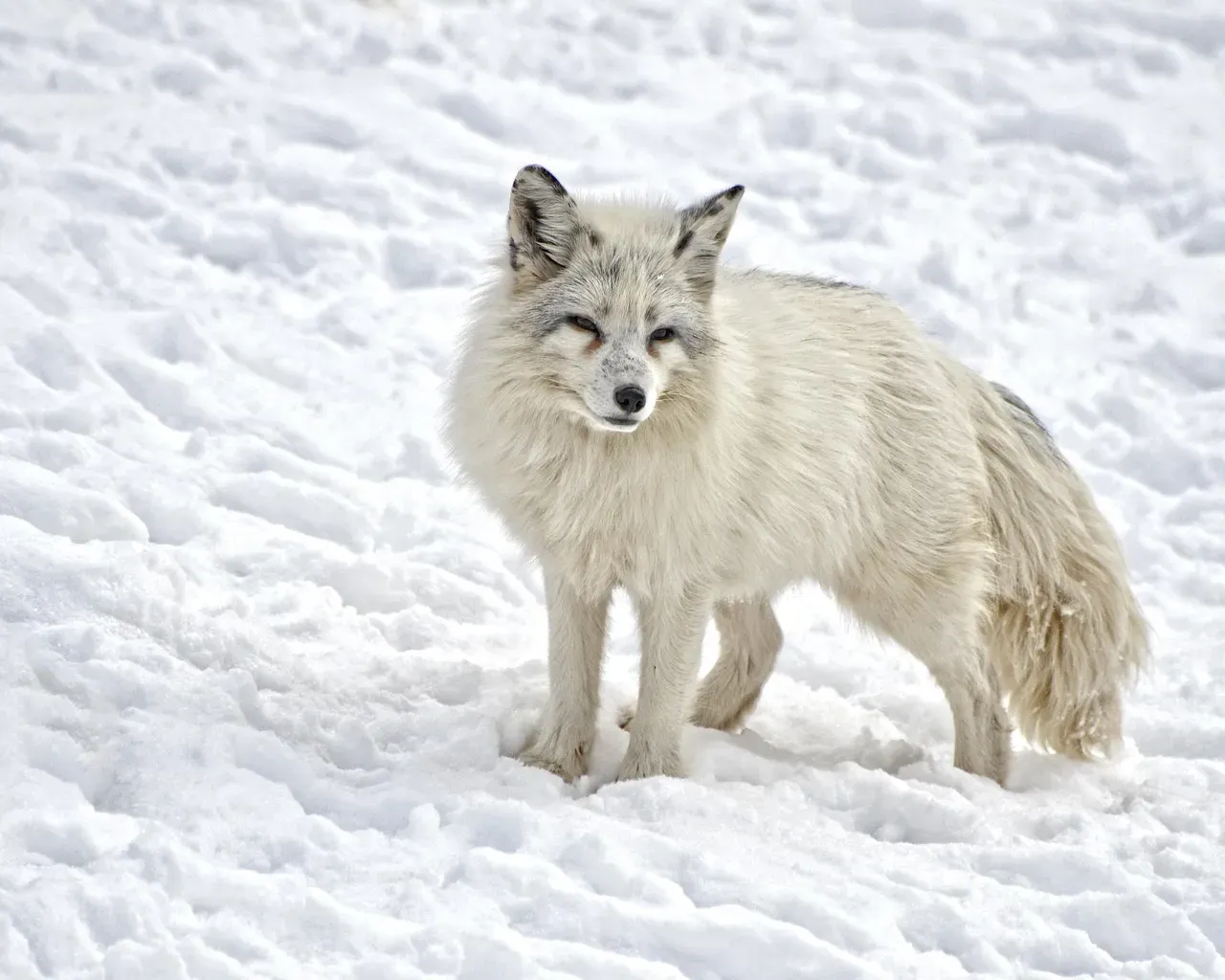
The Alaskan Arctic tundra is a place where nature plays by its own stubborn rules. It is cold, largely treeless, frozen for most of the year, and yet it pulses with life in ways that catch most visitors completely off guard.
The average winter temperature in the tundra drops to around minus 29 degrees Fahrenheit, and plants have a short growing season of only about 50 to 60 days. However, during this time there is almost 24 hours of daylight and plant growth is rapid. Nature, in its relentless efficiency, wastes not a single hour of summer light.
Plants in the tundra are generally low to the ground and include low shrubs, grasses, lichens, and small flowering plants. Everything here hugs the earth to survive the brutal wind. It is a masterclass in adaptation. The tundra also acts as a massive carbon storehouse, with frozen permafrost locking away organic matter accumulated over millennia. As that permafrost thaws, science is watching anxiously.
8. The Great Plains Tallgrass Prairie: A Ghost Ecosystem Roaring Back
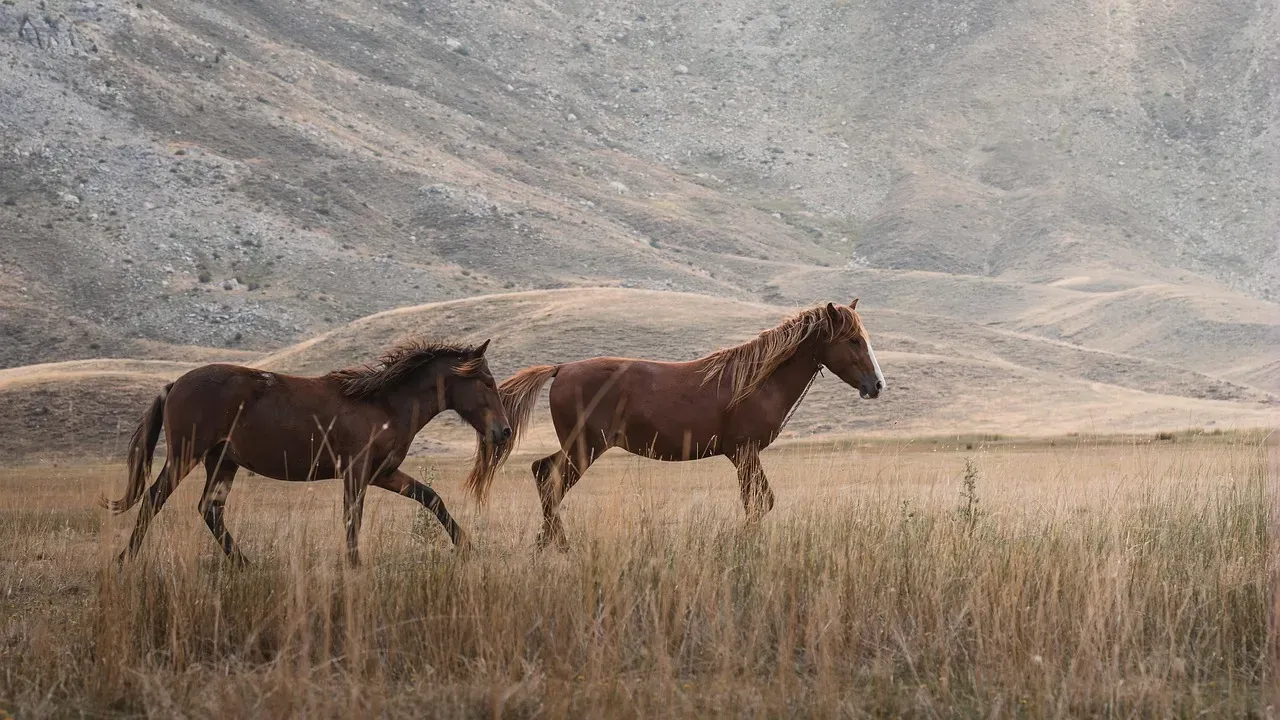
Here is the thing about the tallgrass prairie: most people have never actually seen one. That is not surprising, because it is arguably the most altered ecosystem in the entire United States. Before settlement, tallgrass prairie covered 170 million acres of North America. Today, less than four percent of the prairie remains, but fire is still a critical component of the ecosystem.
America’s once vast grasslands and diverse, life-sustaining wetlands are highlighted as being in particular need of conservation attention. The prairie is not just grass. It was an entire interlocking web of bison, prairie dogs, burrowing owls, black-footed ferrets, and more, all dependent on one another. Imagine pulling one thread from a sweater and watching the whole thing unravel.
What remains today, largely preserved in Kansas and Oklahoma, is making a slow, stubborn comeback. Controlled burns, habitat restoration, and bison reintroduction programs are quietly reweaving this ancient biological tapestry. It may never return to its original scale, but the effort to bring it back is one of the most hopeful conservation stories in American ecology.
9. Olympic National Park: Five Ecosystems in One Walk
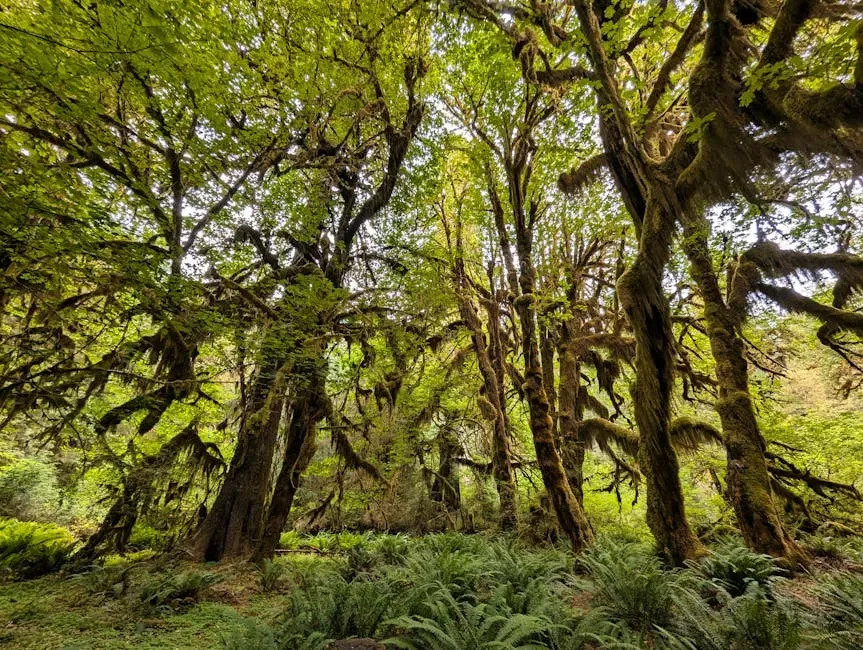
Olympic National Park in Washington State may be the single most ecologically diverse patch of land in the entire country. I know that sounds like a bold claim. It genuinely earns it. If you walked east across Olympic National Park, you would start at the rocky Pacific shoreline, move into rare temperate rainforests, ascend glaciers and rugged mountain peaks, and then descend into a dry rain shadow and alpine forest. Five distinct ecosystems in a single cross-park hike.
The Hoh Rainforest within the park is one of the finest examples of a temperate old-growth rainforest in North America. Moss drapes everything. Elk move through the fog like silent, living statues. Time feels different there. Slower. Older.
The park also protects some of the most pristine coastal tidepools in the nation, rocky intertidal zones where sea stars, anemones, and limpets crowd together in small pools left behind by the retreating tide. Ecosystems can be small, such as the tide pools found near the rocky shores of many oceans. These little pools are entire universes crammed into a space the size of a bathtub. The biological density is remarkable.
10. The Appalachian Temperate Deciduous Forest: Ancient, Overlooked, and Irreplaceable
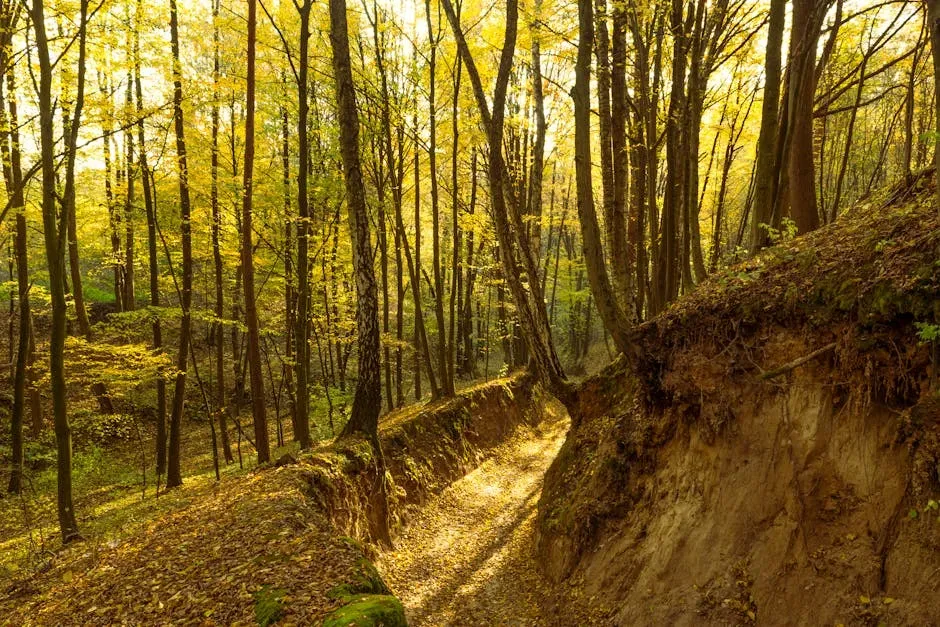
The Appalachians are the oldest mountains in North America, and the forest blanketing them is as ancient and complex as the rock beneath. It tends to get overshadowed by America’s more dramatic western landscapes. That is genuinely a shame, because this forest holds secrets that scientists are still uncovering.
In the eastern United States, the landscape is dominated by temperate deciduous forests, where trees like oak and maple display vibrant seasonal changes. In autumn, those seasonal changes paint the hillsides in colors so vivid they look almost digitally enhanced. It is one of the great natural spectacles on the planet.
The southern Appalachians in particular harbor an extraordinary density of species, especially wildflowers, salamanders, and freshwater mussels. Freshwater habitats account for only a tiny fraction of the world’s water and make up less than one percent of the planet’s surface, but support one-third of all described vertebrates and nearly ten percent of all known animal species. The streams threading through these mountain valleys are quietly some of the most biodiverse aquatic systems in the entire temperate world.
A recent NatureServe report reveals an alarming conclusion: roughly a third of plants and about forty percent of animals in the United States are at risk of extinction, and over forty percent of ecosystems are at risk of range-wide collapse. For the Appalachian forest, that means the clock is ticking. Its biodiversity is irreplaceable, built over millions of years of uninterrupted evolution.
Conclusion: America’s Natural Wealth Is Not Guaranteed
From the slow, warm flow of the Everglades to the frost-hardened silence of the Alaskan tundra, America’s ecosystems are nothing short of staggering in their variety and complexity. No other country on Earth packs such a range of biomes, climates, and biological communities into a single national identity.
Yet the urgency behind protecting these places has never been greater. Today, species are going extinct at an accelerated and dangerous rate because of non-natural environmental changes caused by human activities, including habitat loss and degradation, overexploitation, and the spread of non-native species and diseases. The ecosystems described here are not relics of some distant past. They are living, breathing systems that shape our air, water, climate, and food supply right now.
The deep sea still holds mysteries we cannot fathom. The prairie is still trying to come back. The tundra is watching the thermometer with something like anxiety. Each of these ten ecosystems is a story still being written, and the ending is not yet decided. So here is a question worth carrying with you: which of these places would you fight to protect, and which ones did you not even know existed until today?

- 10 Remarkable Facts About the African Cheetah: The Lightning of the Grasslands - July 29, 2026
- 10 Most Heroic Horses in History - July 29, 2026
- Why You Should Never Play Dead When Attacked by a Black Bear - July 29, 2026