


The world of wildlife conservation is full of tales that stir hope and fascination. Among them, the comeback of the Victorian Grassland Earless Dragon (Tympanocryptis pinguicolla) stands as a beacon of resilience and scientific triumph. This charming yet elusive reptile, once thought extinct, has re-emerged, providing poignant lessons on conservation efforts and the wondrous ability of nature to recover against odds.
Introduction to the Victorian Grassland Earless Dragon
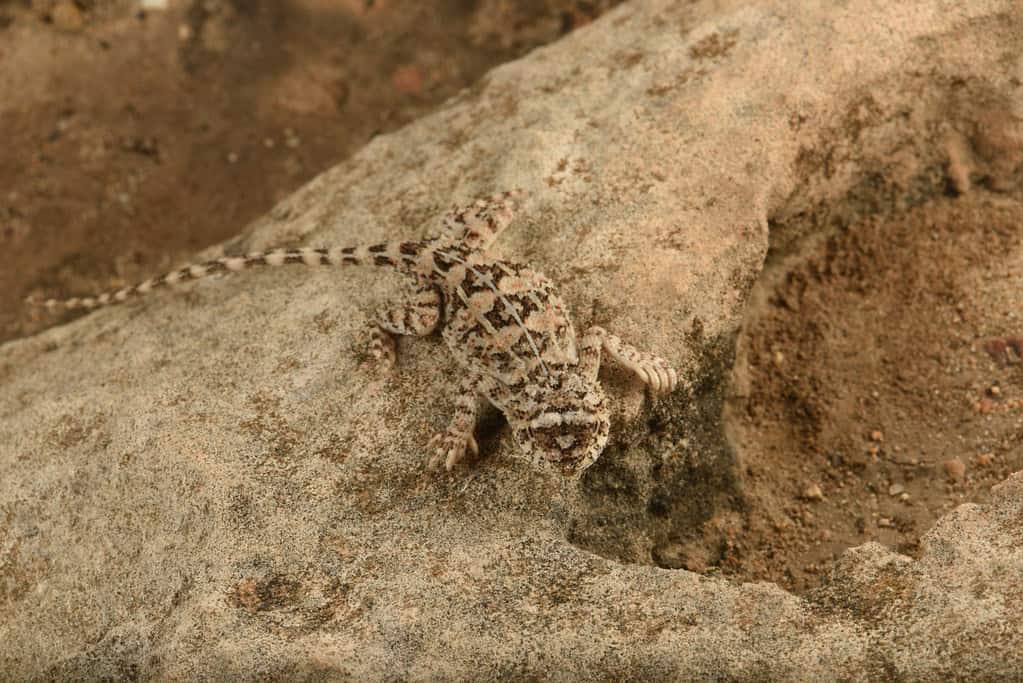
The Victorian Grassland Earless Dragon was presumed extinct for decades before a surprising rediscovery reignited interest in its conservation. This small, cryptic lizard is native to the grasslands of south-eastern Australia, a region undergoing significant ecological change over the last century.
A Brief History of Decline
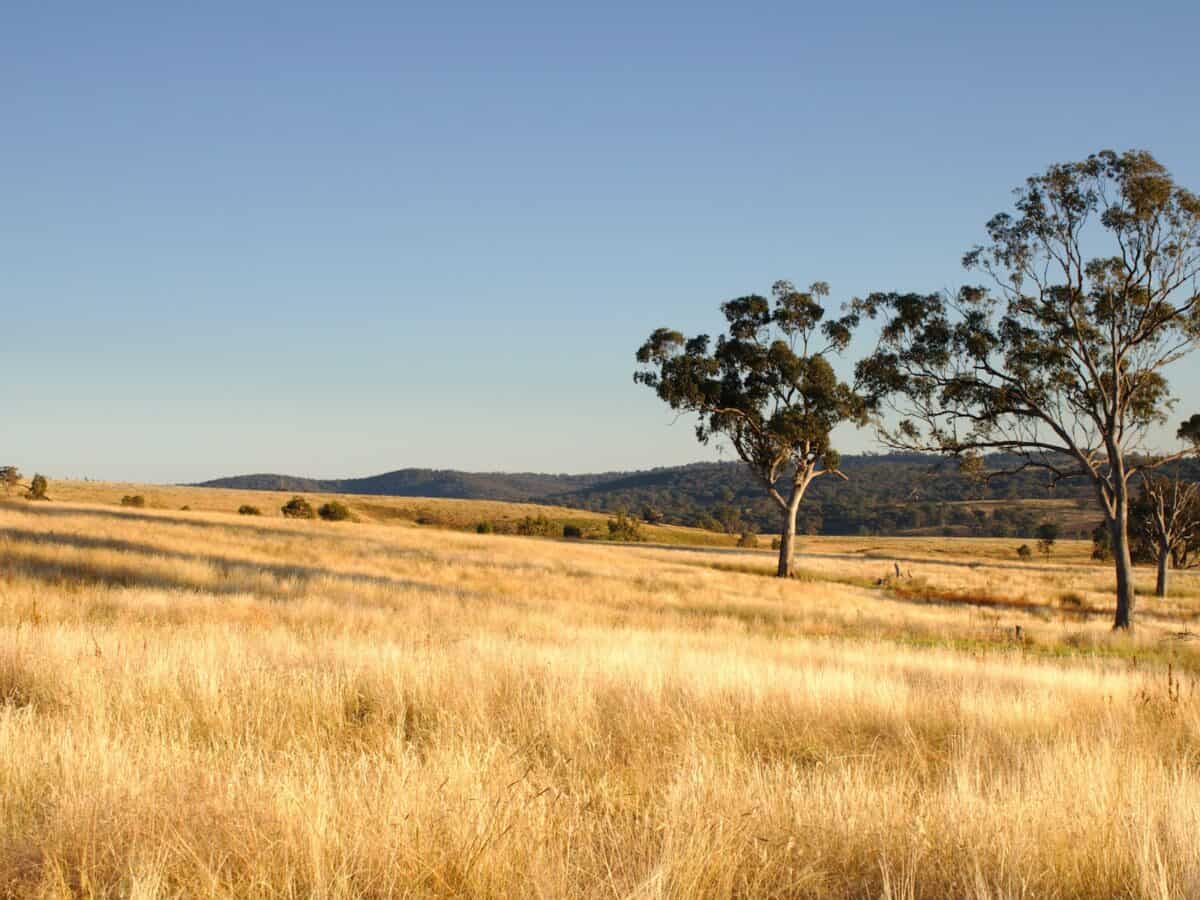
Historically, the Victorian Grassland Earless Dragon thrived in the natural temperate grasslands that once covered large parts of Australia. However, agricultural development, urban expansion, and habitat destruction led to a severe decline in their numbers. By the end of the 20th century, the species was listed as critically endangered, with many fearing it had become extinct.
Re-discovery: A Hidden Treasure

In 2017, during routine surveys in Victoria, researchers made a startling discovery—the descendant traces of the dragons were still present. This triggered extensive exploration, ultimately leading to the first sighting in decades. It seemed the Victorian Grassland Earless Dragon had silently persisted in small, overlooked pockets of its former range.
Physical Characteristics

The Victorian Grassland Earless Dragon is a diminutive creature, measuring about 10-15 cm in length. It is characterized by its lack of external ear openings, which is unusual among reptiles and gives it its unique name. The dragon’s coloration is adapted to its grassy environment, featuring a mix of grays and browns, providing excellent camouflage.
Behavior and Adaptations
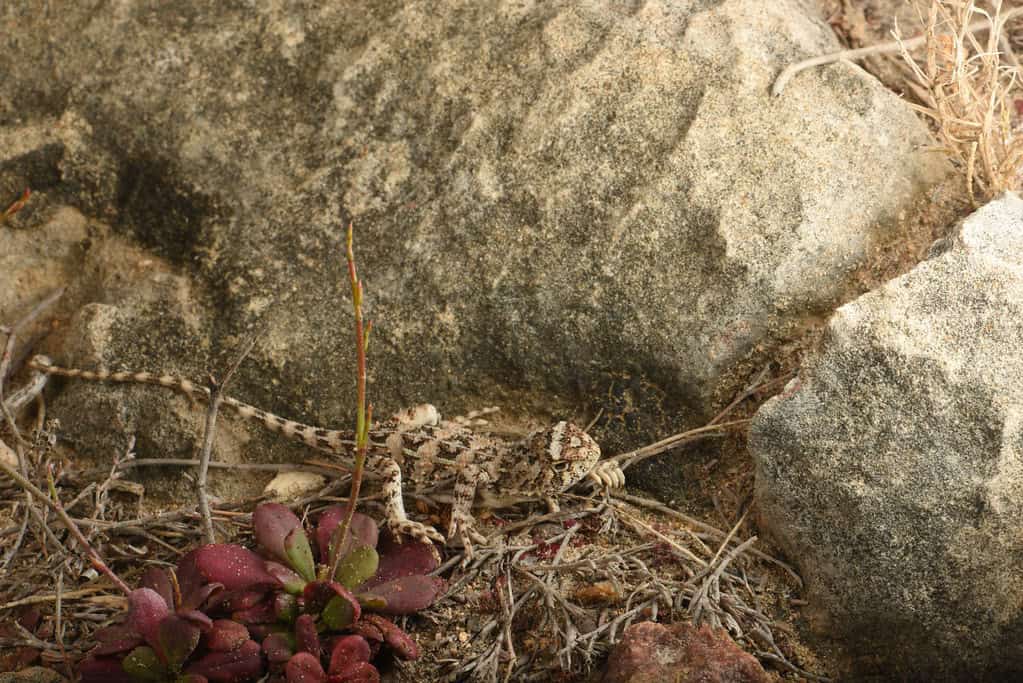
This species is primarily insectivorous, feeding on small invertebrates found in grasslands. It exhibits a keen ability to blend into its surroundings to avoid predators, and like many reptiles, it is ectothermic, relying on basking in the sunlight to regulate its body temperature.
Habitat Requirements
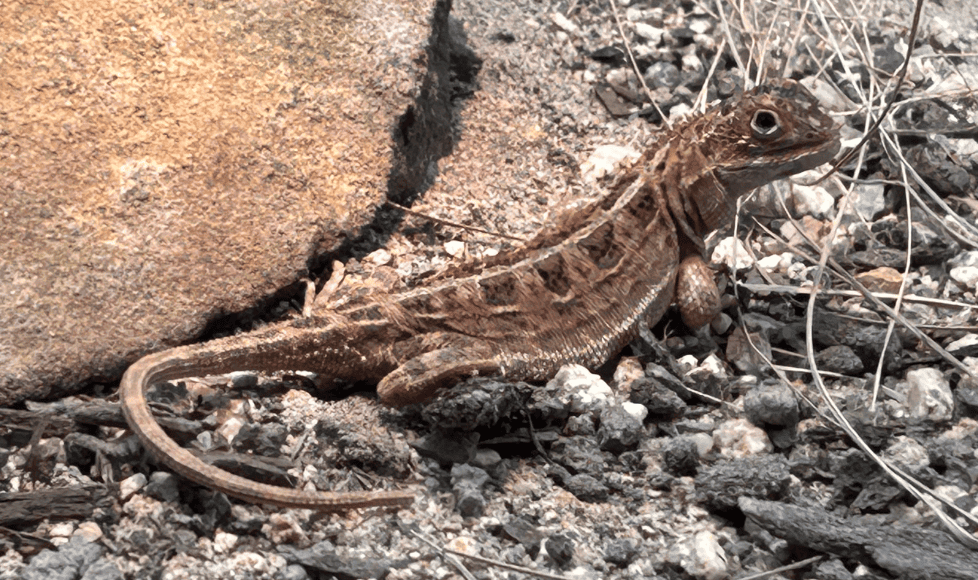
The dragon’s habitat is very specific, relying on well-preserved grassland ecosystems. These areas are rich in native grasses that provide not only camouflage but also a microhabitat for prey. Preservation of these grasslands is crucial for the species’ survival.
Conservation Efforts
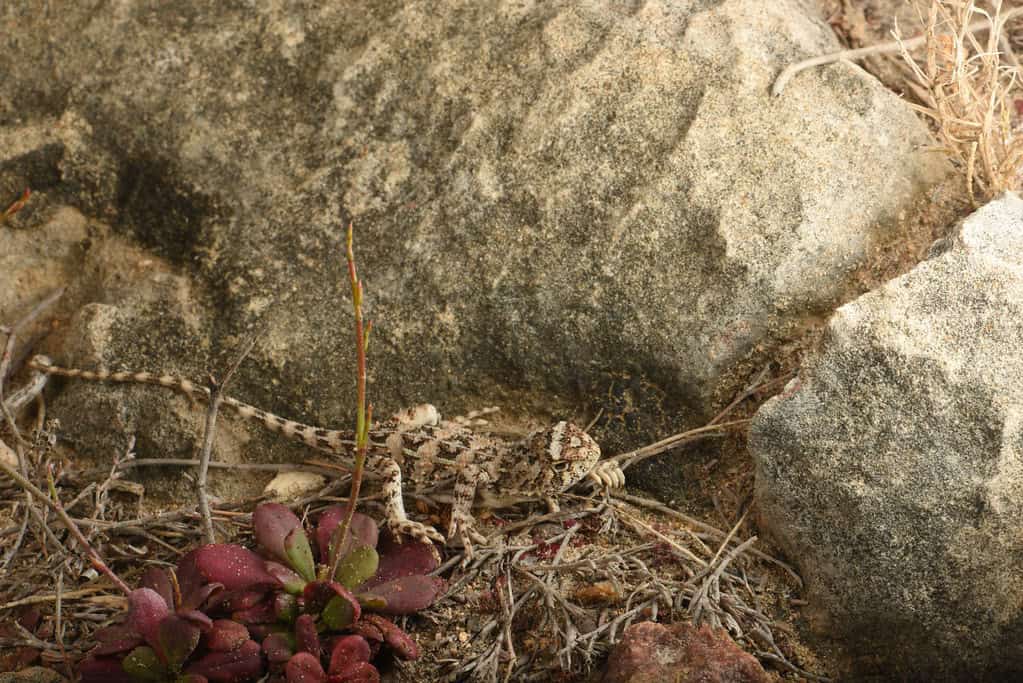
Following the rediscovery, conservationists launched comprehensive efforts to protect and restore the dragon’s habitats. Initiatives include establishing protected areas, habitat restoration projects, and integrating traditional land management practices that promote grassland health.
Challenges in Conservation
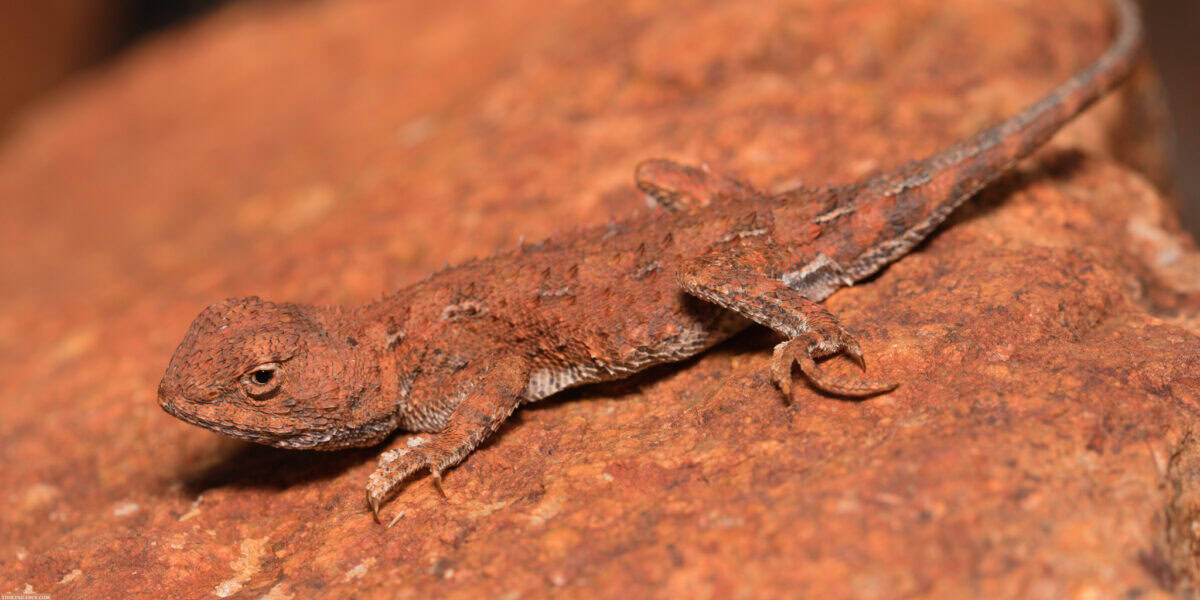
Despite initial successes, conservationists face significant hurdles. Urban development continues to encroach on grassland habitats, and climate change poses unpredictable threats to the ecosystem’s stability. Maintaining a balance between human needs and conservation goals is an ongoing challenge.
The Role of Community Engagement

Community involvement has become a cornerstone of conservation strategies. Local groups are encouraged to participate in monitoring programs and advocacy efforts, fostering a connection between humans and the natural landscape that supports holistic environmental stewardship.
The Invaluable Role of Research

Scientific research is pivotal in understanding the ecological needs of the Victorian Grassland Earless Dragon. Continuous studies provide insights into its breeding habits, genetic diversity, and potential threats, which inform adaptive management strategies crucial to its survival.
Hope for the Future
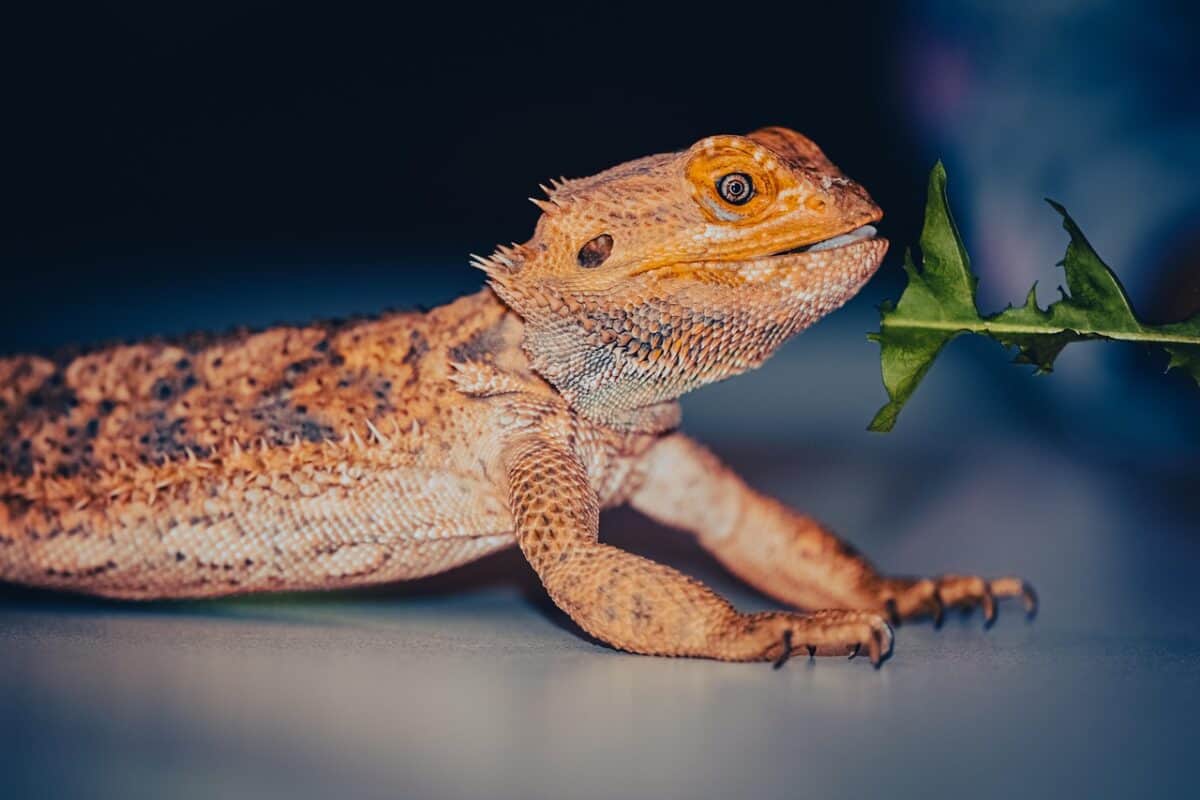
With dedicated conservation efforts gaining momentum, the outlook for the Victorian Grassland Earless Dragon is cautiously optimistic. The species’ surprising comeback is a testament to the effectiveness of well-planned conservation actions and the resilience of nature.
Summary and Reflection

The story of the Victorian Grassland Earless Dragon is a remarkable reminder of the hidden wonders that can persist in our world. Its comeback is a symbol of hope and a rallying cry for continued conservation efforts. Through understanding and action, not only can we keep this fascinating creature in our world, but we can also inspire broader efforts to preserve biodiversity across the globe. The dragon’s tale ultimately calls us to recognize the bond between humanity and nature, urging us to protect and cherish the diverse life forms with whom we share our planet.

From exploring the marine wonders in the Azores and witnessing the vast savannas of Kenya, to delving deep into the rich biodiversity of South Africa and traversing iconic landscapes in Australia and the US like Yellowstone, Chris's experiences are vast.
With a penchant for diving alongside sharks, the ocean holds a special place in his heart.
Through his academic insights, he champions wildlife conservation, striving with 'Animals Around The Globe' to cultivate a profound connection between humans and animals, enhancing our mutual appreciation.
Connect with him at Feedback@animalsaroundtheglobe.com.
- Could Elephants Really Mourn Their Dead? - July 20, 2026
- How Some Animals Survive on Almost No Food for Months - July 20, 2026
- A Bear Journey Through The USA: 18 Best Bear Photos from 18 US States - July 19, 2026