
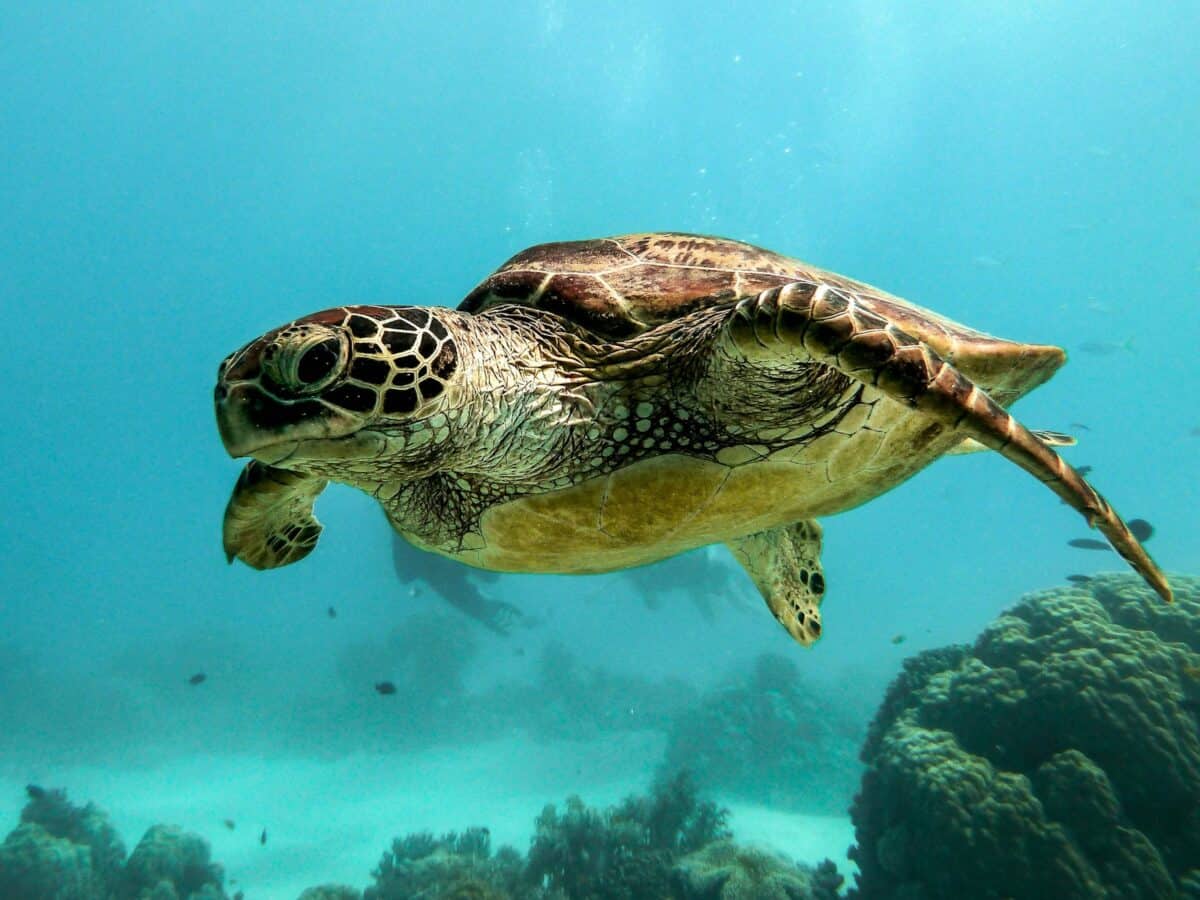
Giant sea turtles gliding through the ocean have long been symbols of endurance and grace. This year, an exhilarating phenomenon has been observed in the United States: the resurgence of giant sea turtles nesting on its beaches. This article delves into the reasons behind this revival, examining whether it truly signifies a positive environmental development.
A Brief Overview of Sea Turtle Species

Sea turtles belong to the marine cheloniidae and dermochelyidae families with species like the loggerhead, green, leatherback, and hawksbill inhabiting the U.S. waters. Each species shares a remarkable life cycle that begins in a simple, sandy nest, embarking on perilous journeys across oceans, only to return to their birthplace decades later to nest.
The Significance of Nesting Season

Nesting season is pivotal for sea turtles, encompassing a process where mature females return to lay eggs on the same beaches where they were born. This event ensures the continuation of their species, each female depositing hundreds of eggs, thus boosting their fragile populations in successive generations.
Why Are Sea Turtles Nesting on U.S. Beaches?

The return of sea turtles to U.S. shores is a complex interplay of recovery efforts, conducive environmental conditions, and natural instincts. This resurgence starkly contrasts with declining trends prompted by overfishing, habitat loss, and climate change impacts.
Conservation Efforts Bearing Fruit

Concerted conservation measures, such as protected nesting areas, reduced bycatch, and educational programs, have begun to bear fruit. Organizations and communities along the coasts have implemented stricter regulations to safeguard these nesting sites, crucial to this optimistic uptrend.
The Role of Improved Legislation

Legislation like the Endangered Species Act plays an integral part in sea turtle recovery in the U.S. It has facilitated rigorous protection measures and penalties that help deter the threats that have historically endangered these remarkable creatures.
The Threats that Still Loom
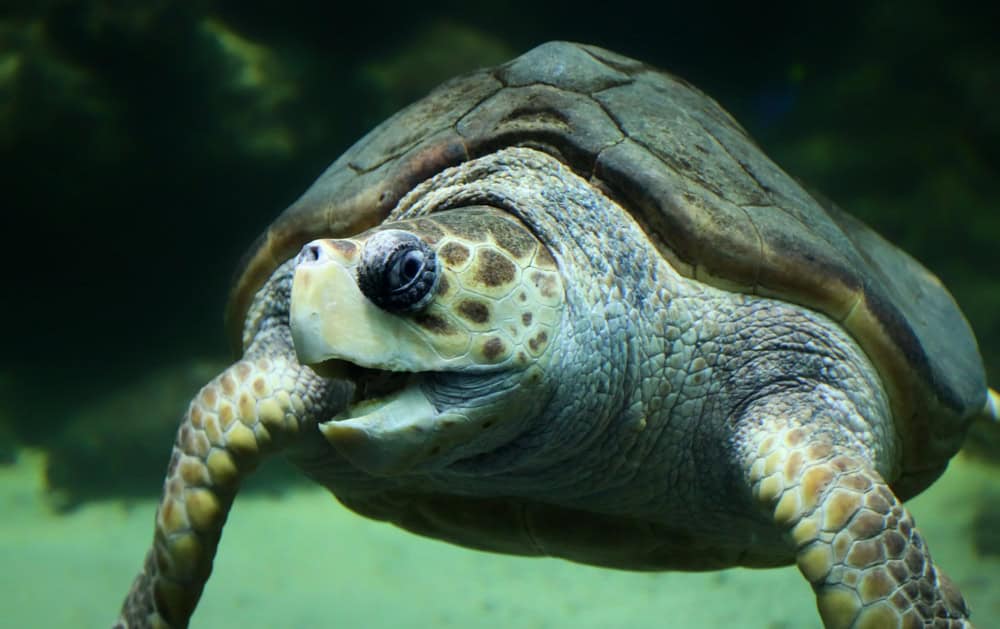
While the signs are positive, challenges remain. Artificial lighting disorients hatchlings, leading them away from the sea. Pollution, climate change, and illegal poaching still threaten populations, necessitating continued vigilance and proactive strategies to mitigate these impacts.
Impact of Climate Change on Nesting

Changes in climate have the potential to affect nesting patterns and hatchling survival significantly. Rising sea levels, temperature variations, and storm frequency can wash away nests or physically alter beaches, complicating their nesting habits and impacting gender ratios among hatchlings due to temperature-dependent sex determination.
The Role of Public Awareness

Public awareness and community engagement are crucial in sustaining and enhancing sea turtle population growth. Educational campaigns and volunteer programs help locals and tourists understand the importance of reducing disturbances during nesting seasons, promoting a broader environmental consciousness.
The Joys and Responsibilities of Monitoring Nesting

Volunteers and scientists often track nesting sites, recording vital data that informs future conservation strategies. This citizen science initiative not only aids turtle conservation but fosters a sense of stewardship over natural resources among the public.
The Global Perspective: Sea Turtle Populations Worldwide

Internationally, sea turtle populations offer a mixed picture, with some regions experiencing declines while others witness growth similar to the U.S. Efforts like habitat protection and international agreements are vital in managing their global conservation status.
The Ripple Effect on Ecosystems
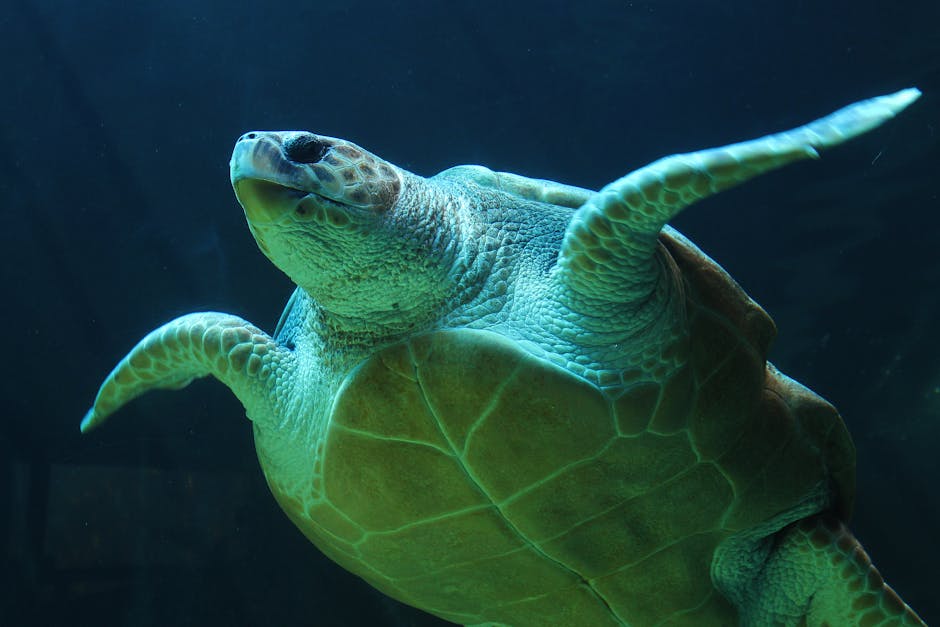
Sea turtles play crucial roles in marine ecosystems, from maintaining healthy seagrass beds to bolstering reef systems. A flourishing turtle population suggests healthier marine habitats, indicating broader ecological benefits along coastlines where they thrive.
Building a Future for Sea Turtles

The return of sea turtles to U.S. beaches indeed harbors a positive promise. However, it signals the beginning rather than the end of conservation efforts. Continuation of these successes relies on sustained conservation, legislative support, and public engagement. Creating a cohesive and adaptable strategy is essential for safeguarding these magnificent creatures for future generations.
In summary, the nesting resurgence of giant sea turtles on U.S. beaches is an encouraging indicator of progress in marine conservation. The continued cooperation of communities, coupled with scientific and legislative efforts, remains crucial in fortifying this recovery and ensuring a thriving future for sea turtles.

- Why a Single Blue Whale Can Reshape an Entire Ecosystem - July 22, 2026
- The Truth About Giraffes’ Silent Communication Skills - July 22, 2026
- 10 Fierce Animals That Match Elon Musk’s Fearless Ambition - July 22, 2026