


Across the sprawling landscapes of certain regions, wild horses symbolize the unbridled spirit of nature. Recently, these majestic creatures received a much-needed protective status under the law. This development reflects a growing recognition of their ecological, historical, and cultural significance. This article delves into the journey toward their protection and unravels the importance behind it.
The Historical Significance of Wild Horses

Wild horses, scientifically known as Equus ferus, have roamed the earth for thousands of years. They trace their lineage back to prehistoric times, embodying a deep connection to our planet’s history. In North America, these horses are descendants of domestic equines that escaped or were released, contributing to a vibrant genetic legacy.
The Rich Diversity of Horse Species

Wild horses display a wide array of physical characteristics and adaptabilities, embodying a kaleidoscope of diversity. Different herds have adapted to their unique environments, resulting in variations in size, coat color, and behavior. This diversity is a compelling factor in understanding the need for their protection.
Cultural Icons of the Wilderness

Beyond their biological significance, wild horses have deeply imbued cultural meanings. Throughout literature, art, and folklore, they represent freedom, passion, and endurance. Cultures worldwide revere them as symbols of strength and untamed wilderness, solidifying their place in our collective consciousness.
The Ecological Role of Wild Horses

These horses play a pivotal role in their ecosystems. As grazers, they help control plant growth, spread seeds, and contribute to the maintenance of healthy grasslands. Their movements across landscapes facilitate vital ecological processes, fostering biodiversity and resilience against environmental changes.
Challenges Facing Wild Horse Populations
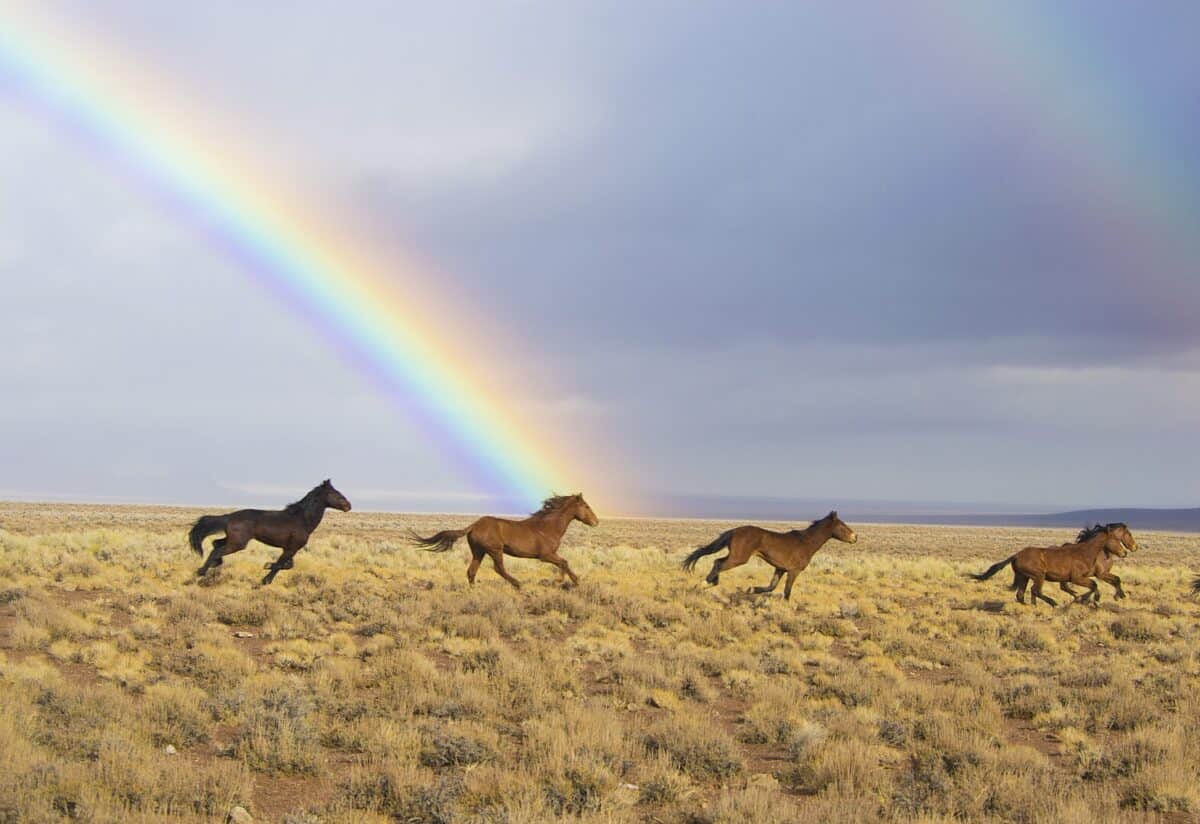
Despite their resilience, wild horse populations face numerous challenges. Habitat loss, climate change, and competition for resources pose significant threats to their survival. Moreover, conflicts over land-use priorities add strain to their continued existence in the wild.
The Path to Legal Protection

The journey to secure legal protection for wild horses has been long and fraught with challenges. Advocacy groups and conservationists have worked tirelessly to raise awareness about their plight. Through a combination of public campaigns and legislative efforts, the necessity of preserving these creatures was brought to the forefront.
Key Legislation for Wild Horse Protection

Recent legislative measures have established robust frameworks for the protection of wild horses. These laws designate specific habitats as sanctuaries, restrict harmful activities, and provide guidelines for sustainable management. This legal recognition is a significant step forward in securing their future.
Community Involvement in Conservation Efforts

Local communities play a vital role in the conservation of wild horses. By participating in grassroots initiatives and educational programs, they help foster a culture of stewardship and appreciation. Community involvement ensures that conservation efforts are sustainable and inclusive.
Innovative Conservation Strategies
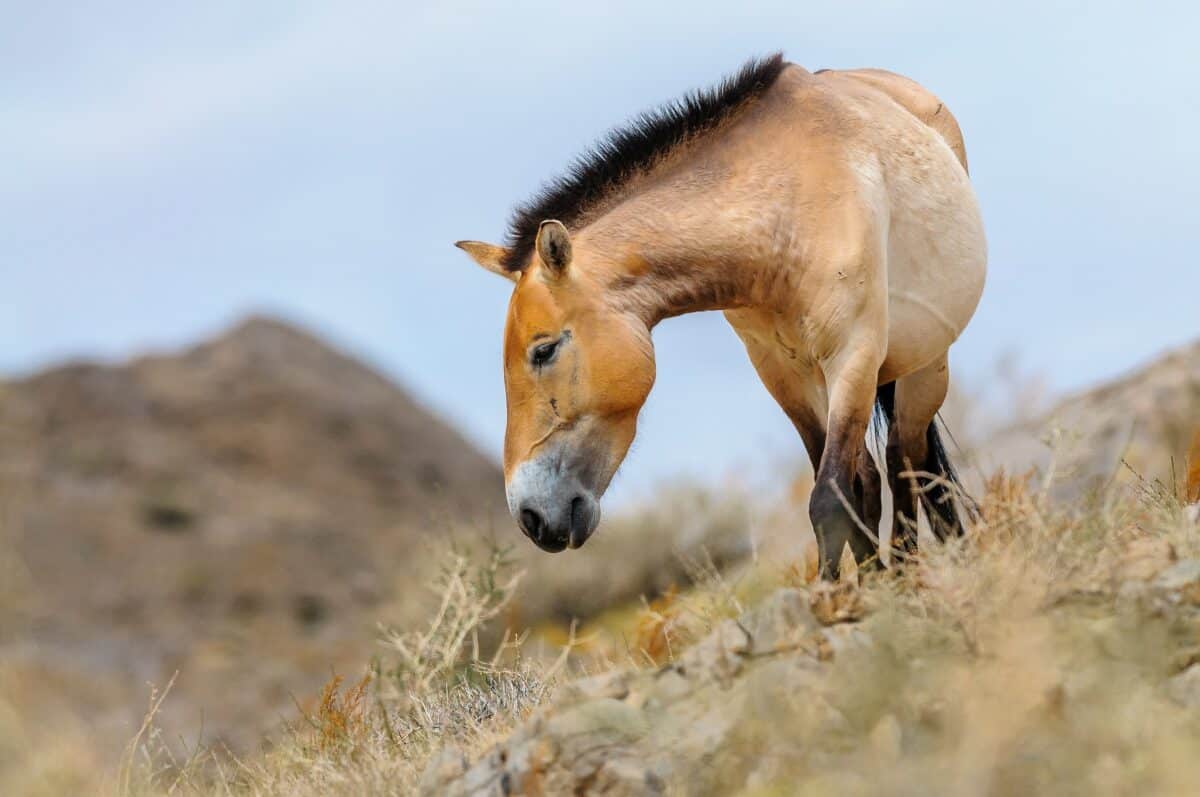
Conservationists are employing innovative strategies to protect wild horses. Techniques such as humane population management, habitat restoration, and genetic studies are instrumental in preserving their health and diversity. These strategies aim to maintain a balance between human activities and wildlife conservation.
The Role of Technology in Conservation
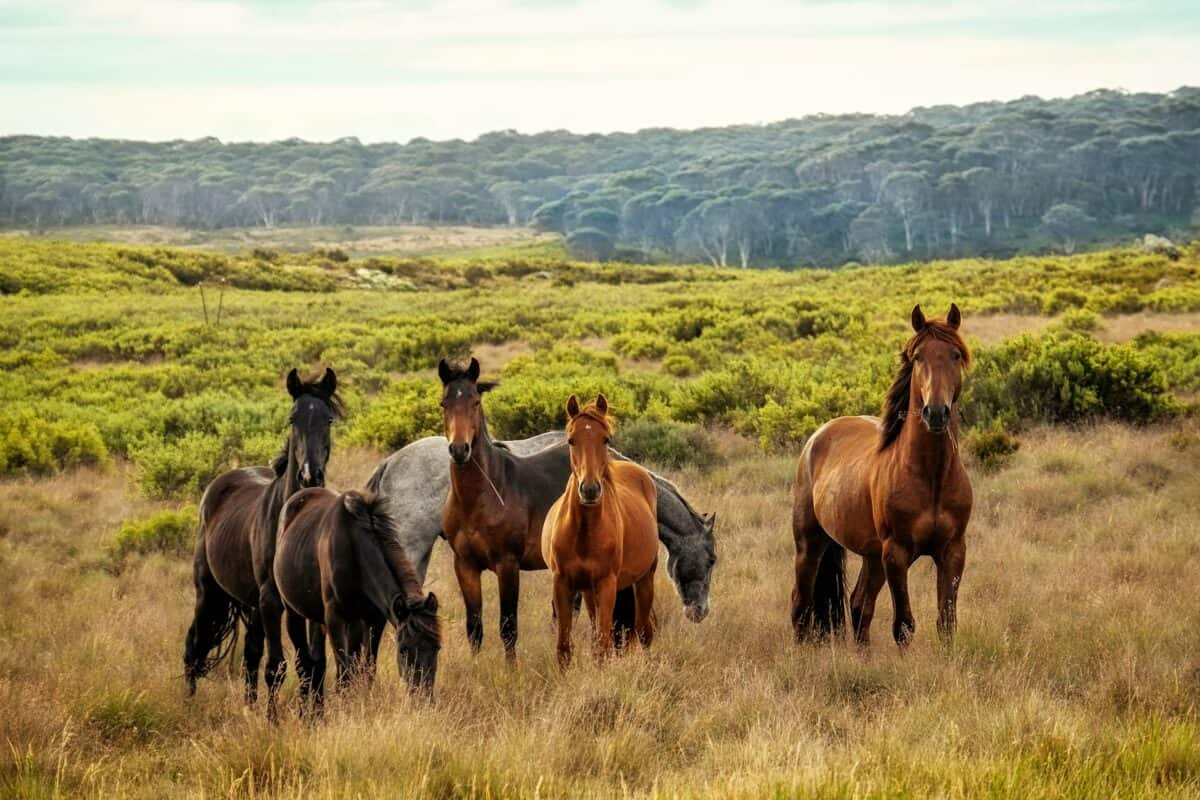
Advancements in technology have opened new avenues for monitoring and studying wild horse populations. Tools such as satellite imaging, GPS tracking, and drones enable researchers to gather data on their movements and behavior with unprecedented accuracy, informing effective conservation strategies.
The Impact of Protection on Local Ecosystems
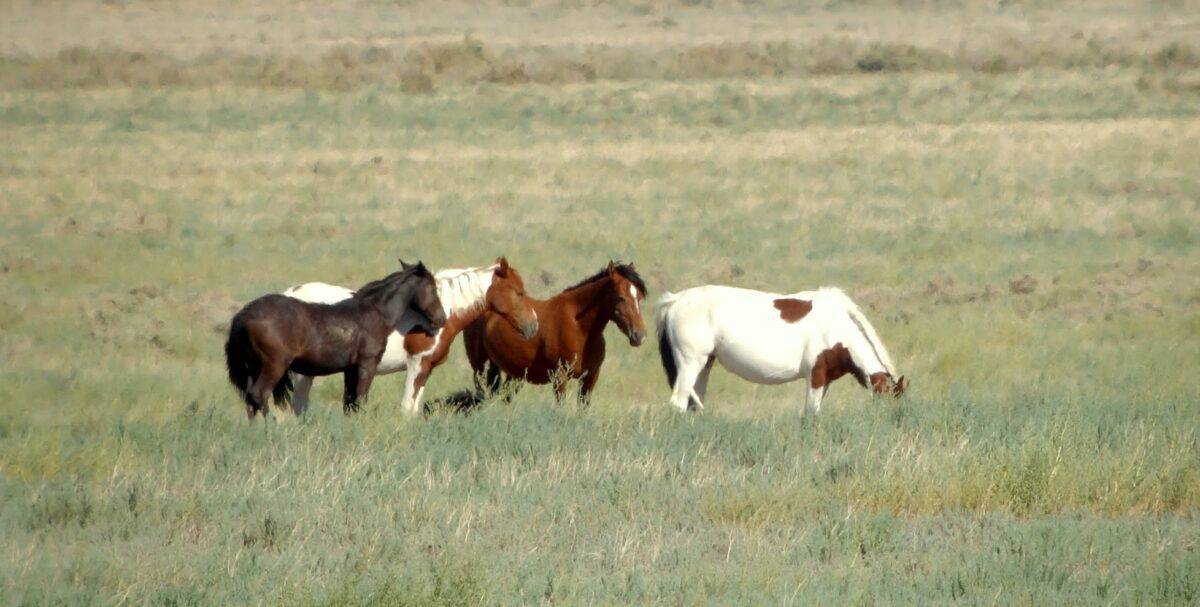
The protection of wild horses has positive ripple effects on local ecosystems. As key components of the ecosystem, their presence helps support diverse plant and animal life. Protecting these horses ensures the overall health and stability of their habitats.
The Future of Wild Horse Conservation
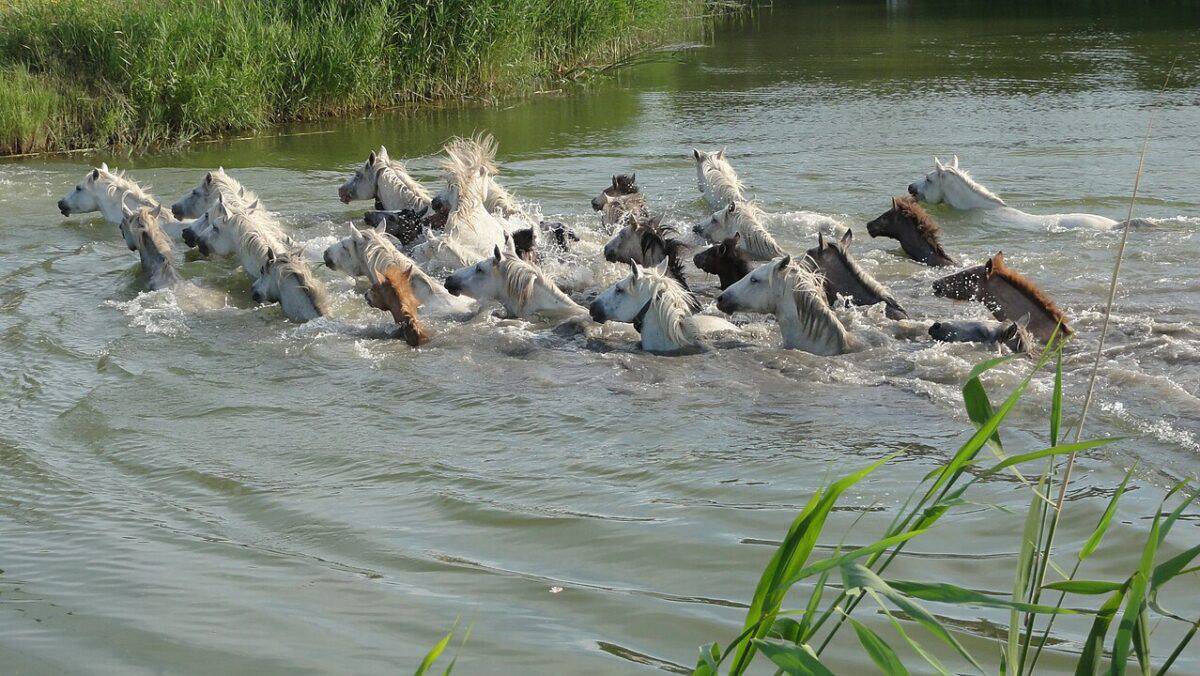
As wild horse populations continue to recover, the focus must be on sustaining their protection efforts. Continued advocacy, research, and collaboration between governments, communities, and conservationists are crucial for the long-term preservation of these iconic animals.
Conclusion: Embracing a Symbol of Freedom

The protection of wild horses is a testament to our collective commitment to preserving our natural heritage. By safeguarding these magnificent creatures, we honor their contribution to our ecosystems and cultural narrative. As we move forward, nurturing their existence adds a vibrant thread to the tapestry of life on Earth, allowing future generations to marvel at their untamed beauty.

From exploring the marine wonders in the Azores and witnessing the vast savannas of Kenya, to delving deep into the rich biodiversity of South Africa and traversing iconic landscapes in Australia and the US like Yellowstone, Chris's experiences are vast.
With a penchant for diving alongside sharks, the ocean holds a special place in his heart.
Through his academic insights, he champions wildlife conservation, striving with 'Animals Around The Globe' to cultivate a profound connection between humans and animals, enhancing our mutual appreciation.
Connect with him at Feedback@animalsaroundtheglobe.com.
- The Only Place in the U.S. Where You Can Hear Elephants Trumpet - July 16, 2026
- Scientists Discovered a Giant Bat Off the Coast of Oregon - July 16, 2026
- Saving Sharks by Changing How People See Them - July 16, 2026