

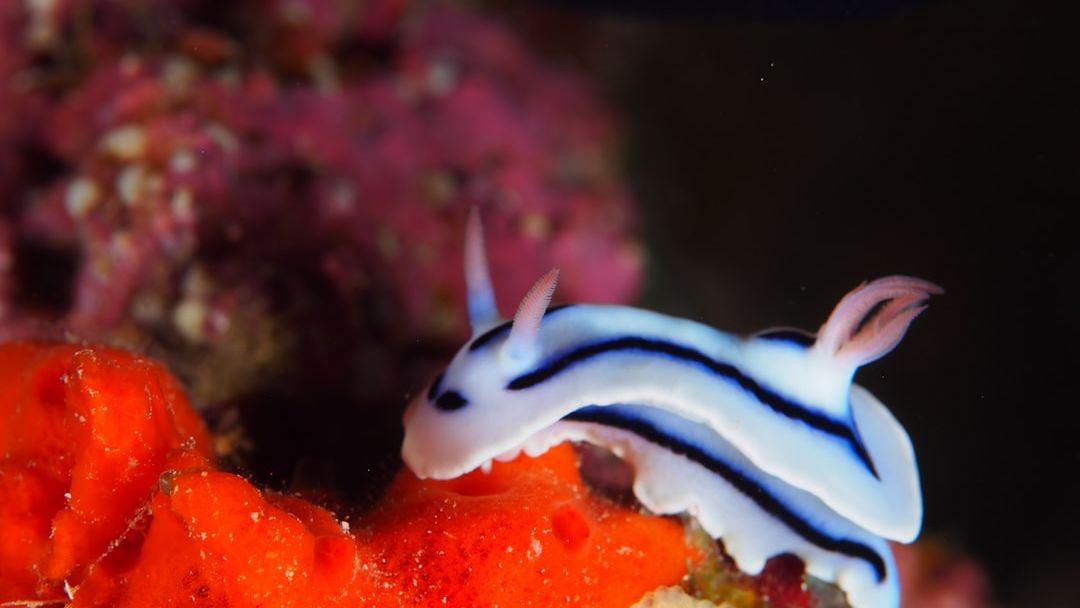
Glacial cycles shape evolution of many species of Antarctic sea slug – Image for illustrative purposes only (Image credits: Unsplash)
Marine researchers have uncovered a remarkable case of hidden biodiversity in one of the planet’s harshest environments. What long appeared to be a single species of Antarctic sea slug turns out to be a complex of at least 75 distinct evolutionary lineages. The discovery, driven by advanced genomic tools and museum specimens, shows how repeated glacial advances and retreats over millions of years acted as a powerful force in shaping marine life on the seafloor.
Why This Finding Matters Now
Antarctica’s marine ecosystems face accelerating change from rising temperatures and shifting ice. Understanding how past climate swings influenced species formation offers clues about resilience and vulnerability today. The new analysis of the nudibranch Doris kerguelenensis demonstrates that what looks uniform on the outside can conceal deep genetic divisions forged by isolation and reconnection.
Earlier studies had already hinted at substantial hidden diversity, estimating around 59 lineages. The latest work, using large-scale genomic sequencing on 130 specimens, raises that number to at least 75 and provides a standardized set of genetic markers for future comparisons. These markers will help scientists track how populations respond as ice shelves and ocean conditions continue to shift.
The Role of Glacial Cycles in Speciation
Adult nudibranchs crawl slowly across the seafloor and lack a planktonic larval stage that could carry them long distances. This limited mobility made them especially sensitive to habitat disruptions. During glacial periods, advancing ice sheets repeatedly fragmented populations into isolated refugia on the continental shelf, where small groups survived in pockets of open water or deeper areas.
When ice retreated, those separated groups came back into contact, sometimes interbreeding and sometimes remaining distinct. Over many such cycles spanning millions of years, the pattern of isolation and reconnection drove the formation of new species. Researchers describe the process as an evolutionary engine fueled by the rhythm of Antarctic ice ages.
Insights from Genomic Analysis
The study relied on both fresh collections and preserved museum specimens, underscoring the lasting value of natural history collections. By applying modern genomic techniques, scientists could resolve relationships that earlier, more limited genetic data could not fully separate. The result is a clearer picture of a species complex rather than a single widespread form.
Dr. Nerida Wilson noted that Antarctica is often viewed as biologically sparse, yet findings like this reveal extraordinary hidden diversity beneath the surface. Dr. Paige Maroni emphasized that the glacial cycles fragmented, displaced, and reconnected marine life in ways that promoted speciation across the region.
Broader Implications for Marine Biodiversity
The work supplies a framework for interpreting how climate-driven environmental changes have shaped biodiversity over deep time. It also highlights the importance of continued sampling and genetic monitoring in the Southern Ocean, where many species remain poorly known. Similar patterns of cryptic diversity may exist in other seafloor organisms with limited dispersal abilities.
Looking ahead, the standardized genetic markers generated by the project will support comparative studies across different taxa and time periods. Such resources become increasingly valuable as researchers seek to predict ecosystem responses to ongoing warming and ice loss.
What Matters Now
The results matter not only for reconstructing Antarctica’s past but also for anticipating how marine ecosystems may respond to rapid climate change in the future. Continued genomic work on museum holdings and new collections will likely uncover still more lineages within this and other Antarctic groups. In a region where physical conditions have long tested the limits of life, these sea slugs illustrate how environmental upheaval can ultimately multiply rather than diminish biological variety.

As a little kid, I fell in love with nature, wildlife, and animals. Living in the USA, South Africa, Italy, China and Germany gave me the opportunity to discover the world's Wildlife. My favorite animals are Mountain Gorillas, Siberian Tigers, and Great White Sharks.
I'm a certified PADI Open Water Diver, went to Everest Base Camp and Trekked Gorillas in Uganda. I hold a Master of Science in Economics and Finance.
Please send any feedback to feedback@animalsaroundtheglobe.com
- 13 Cat Breeds That Get Along with Dogs - July 20, 2026
- The 12 Largest Dog Breeds That Still Love to Cuddle - July 20, 2026
- 12 Pet Habits That Secretly Mean They Love You - July 20, 2026