


When Google designed its £1 billion “landscraper” HQ in King’s Cross, it planned for innovative architecture, sleek office spaces, and rooftop gardens. What it didn’t expect was a family of foxes to move in. But on the lush rooftop of the London mega-office, nature had other ideas—bringing wildlife and technology into an unexpected coexistence.
A Rooftop Oasis That Attracted More Than Workers

Google’s New $1 Billion UK Headquarters”; Uploaded: Tech Vision; Source: YouTube
The King’s Cross Google campus boasts a sprawling rooftop, complete with walking trails, gardens, and even a running track. It was designed to bring nature to employees’ fingertips—just not this literally. As the campus nears completion, staff discovered that urban foxes had made themselves at home, turning the green rooftop into a playground and den. Google’s beautifully landscaped roof, designed as a modern eco-friendly feature, ended up being a five-star accommodation for a growing fox population.
Curious, Clever, and Completely at Home
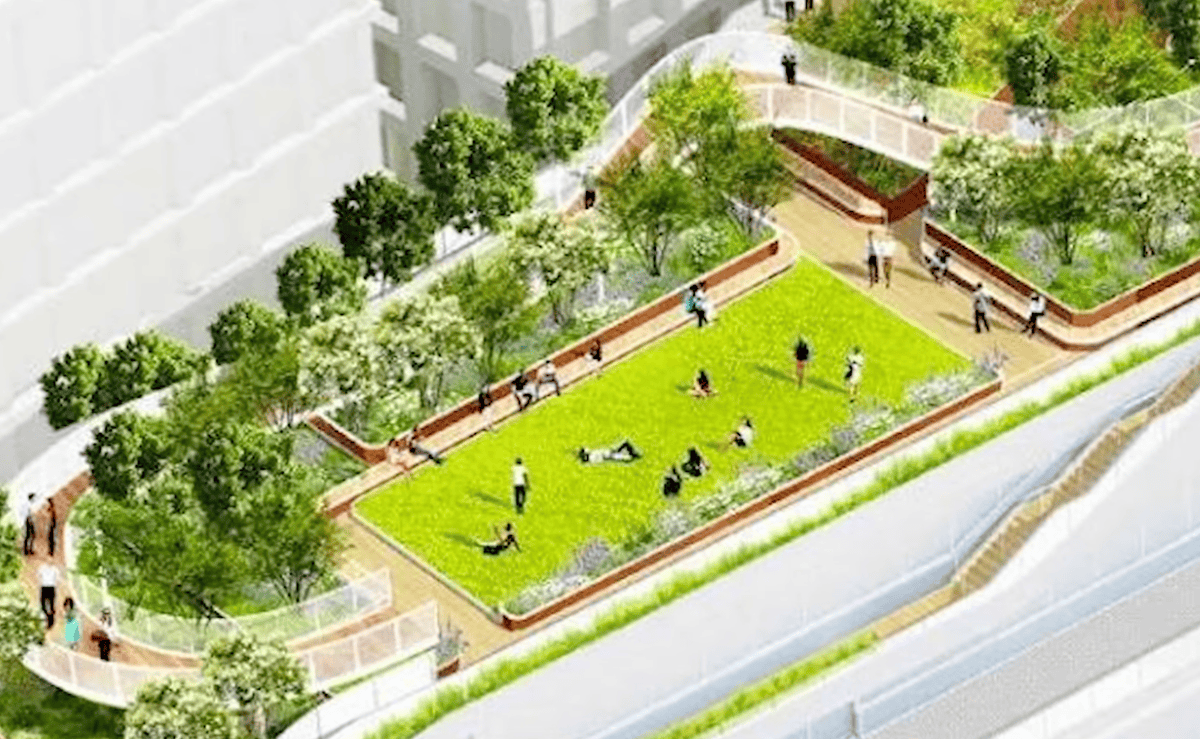
Google’s New $1 Billion UK Headquarters”; Uploaded: Tech Vision; Source: YouTube
Foxes are famously adaptable, and these city dwellers proved it. They climbed up, dug in, and claimed the space as their own. With few predators and plenty of quiet corners, the rooftop became their sanctuary. Employees spotted them weaving through shrubs and lounging on warm surfaces, entirely unbothered by their high-profile neighbors. It wasn’t long before Google staff realized these weren’t one-time visitors. The foxes had settled in—and they weren’t in a hurry to leave.
A Battle of Wits Between Fox and Tech
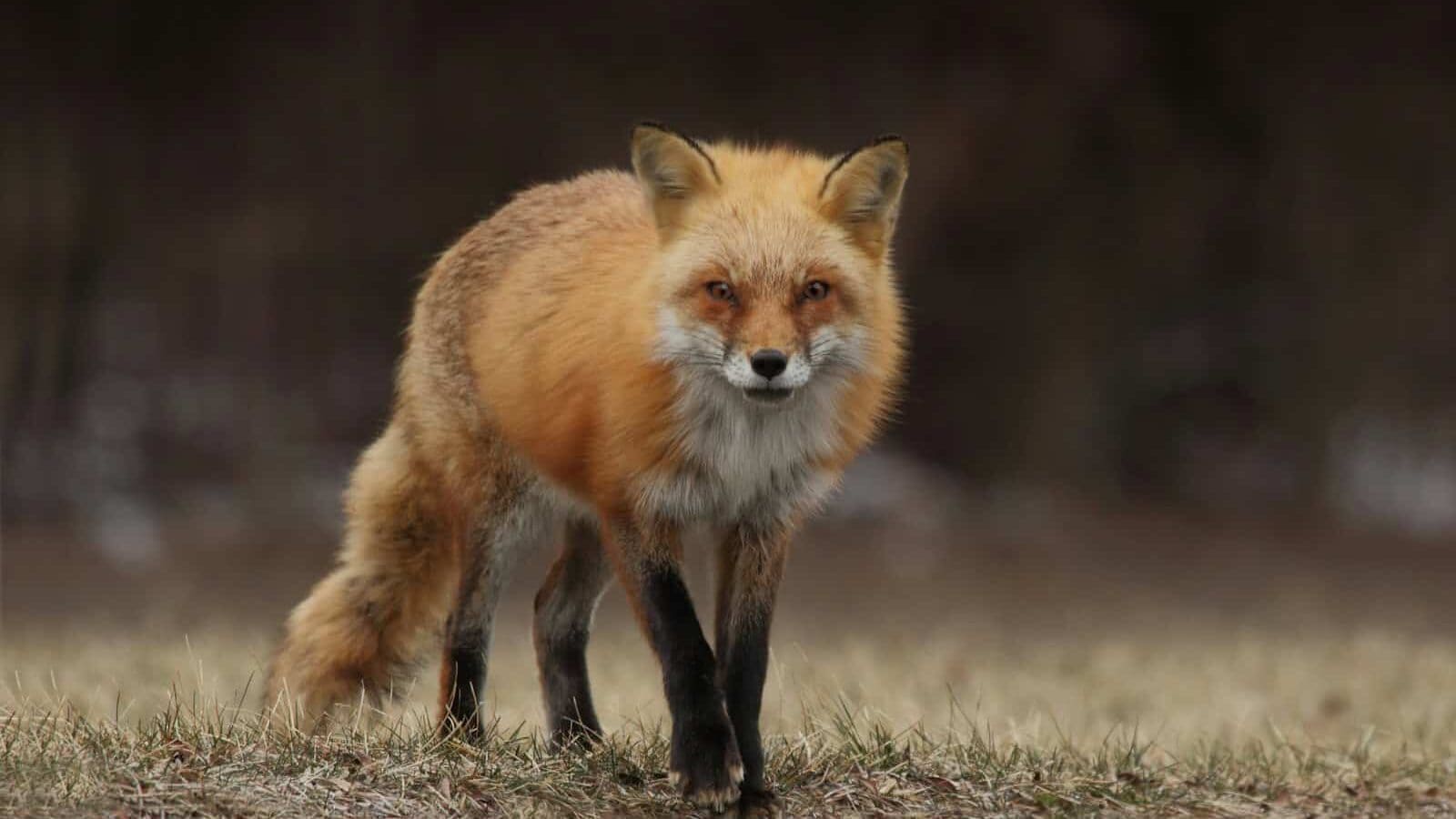
Despite their clever algorithms and data-driven systems, Google found itself outmaneuvered by London’s cunning urban foxes. While no serious damage has been reported, the animals are leaving their mark—literally—on the roof. Staff reportedly find scat and paw prints in unexpected places, and some worry about the potential for bites or messes in shared spaces. Google, true to its nature, is approaching the issue with a mix of practicality and PR awareness—working with pest control and local wildlife experts to gently deter the foxes without harming them.
The Wild Side of Urban Green Spaces
This isn’t the first time wildlife has taken over human spaces, and it won’t be the last. As cities embrace green architecture, nature often returns the favor. London is no stranger to urban foxes, but this incident highlights the fine line between cohabitation and conflict. Google’s eco-rooftop—meant to symbolize harmony with nature—has now become a literal example of it, albeit in a more chaotic form.
A Modern Office With Unexpected Co-Workers

Employees have mixed feelings about their new rooftop neighbors. While some are amused by the sightings, others raise concerns about hygiene and safety. Still, there’s something undeniably charming about foxes turning a billion-pound tech campus into their kingdom. It’s a reminder that in the race toward futuristic innovation, nature doesn’t always stay in the past. Sometimes, it climbs right back up—and makes itself comfortable.
Where Concrete Ends, the Wild Begins

For now, Google’s fox family continues to roam above King’s Cross, offering a surreal contrast to the digital empire below. The story is less about a “pest problem” and more about coexistence—of nature finding its space in the world humans are building. In the end, no matter how sleek the design or how high the price tag, the wild finds a way. And in this case, it’s curled up right above the world’s most powerful search engine.

adventuring, photography and videography. I am currently working towards a BSc in Biodiversity and Ecology at Stellenbosch University to go on to specialise in Marine Sciences one day.
Please send any feedback to Feedback@animalsaroundtheglobe.com
- How One Fish is Emptying Senegal’s Waters - July 21, 2026
- Capuchin Monkeys Caught on Camera ‘Kidnapping’ Baby Howlers in Bizarre Primate Behavior - July 21, 2026
- Top 30 Horse Breeds In North America - July 21, 2026